







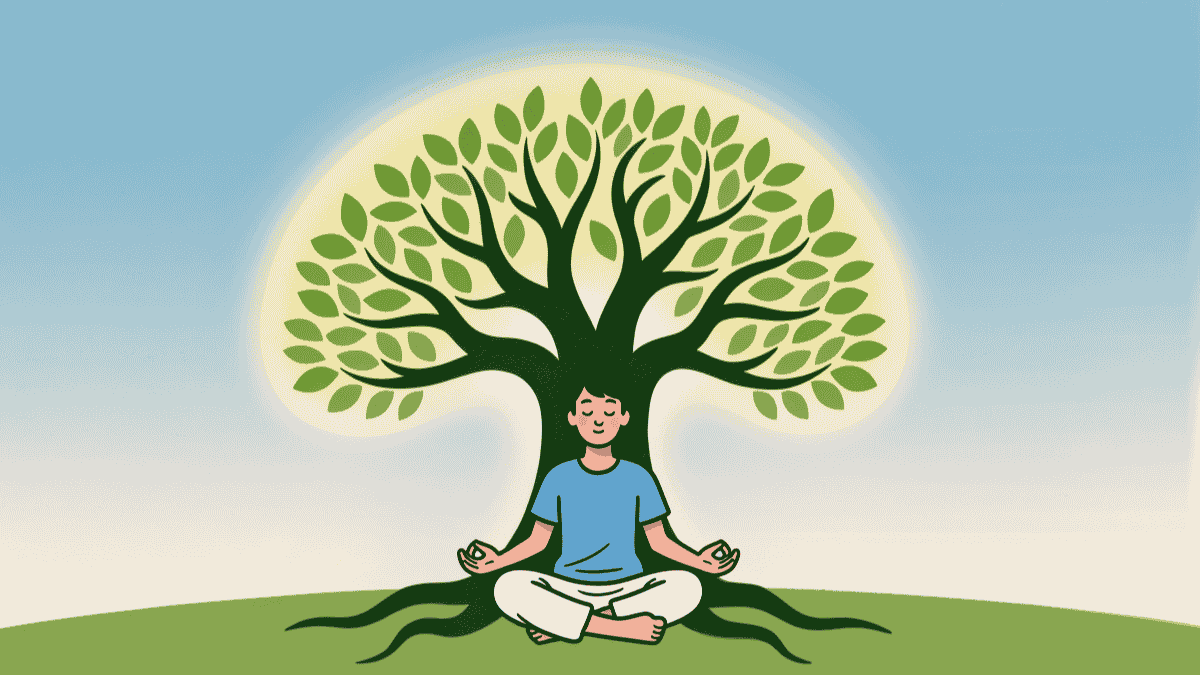
Key Points
- Meditation is a proven technique for reducing stress and anxiety.
- Various types of meditation, including mindfulness and focused breathing, help manage daily stress.
- Regular practice can lead to long-term mental clarity and emotional stability.
- Combining meditation with other coping strategies enhances overall well-being.
Meditation Techniques to Relieve Stress
Stress is an unavoidable part of modern life. Whether it’s due to work pressures, personal challenges, or environmental factors, everyone experiences stress in one form or another.
However, chronic stress can lead to serious health issues, including anxiety, depression, and even physical ailments like heart disease. Finding effective ways to manage and reduce stress is critical for maintaining both mental and physical health. One of the most effective, research-backed techniques for stress management is meditation.
Meditation offers a multitude of benefits for reducing stress and anxiety, calming the mind, and promoting overall emotional well-being. This article explores various meditation techniques that are specifically designed to relieve stress and improve mental clarity, offering practical advice and strategies that you can incorporate into your daily routine.
1. The Science of Stress and How Meditation Helps
Stress is the body’s natural response to external pressures, often referred to as the “fight or flight” response. While short bursts of stress are normal and can be motivating, prolonged or chronic stress can wreak havoc on both the body and the mind. Chronic stress is linked to several health conditions, including cardiovascular disease, obesity, insomnia, and weakened immune function.
How Meditation Reduces Stress:
Meditation triggers the body’s relaxation response, which is the opposite of the stress response. By focusing the mind and calming the nervous system, meditation helps reduce levels of cortisol (the stress hormone), lower heart rate, and decrease blood pressure. Research has shown that regular meditation practice can alter brain chemistry, increasing activity in areas of the brain associated with calmness and well-being while reducing activity in areas tied to stress and fear.
2. Types of Meditation Techniques to Relieve Stress
There are many types of meditation techniques, each offering unique benefits for stress relief. Below, we explore some of the most popular methods:
2.1 Mindfulness Meditation
Mindfulness meditation involves paying full attention to the present moment without judgment. By focusing on your thoughts, feelings, and sensations in the here and now, mindfulness helps break the cycle of rumination (which often exacerbates stress and anxiety).
How to Practice Mindfulness Meditation:
- Find a quiet space where you can sit comfortably.
- Close your eyes and take a few deep breaths to center yourself.
- Focus your attention on your breath, noticing the sensation of the air entering and leaving your body.
- Let go of distractions—if your mind starts to wander, gently bring your focus back to your breath.
Mindfulness meditation can be done at any time during the day and has been proven to reduce stress by improving emotional regulation and enhancing awareness of one’s thoughts.
2.2 Focused Breathing
Breathing exercises are one of the simplest and most effective ways to relieve stress in the moment. Deep breathing techniques stimulate the parasympathetic nervous system, which induces a state of relaxation.
How to Practice Focused Breathing:
- Sit or lie down in a comfortable position.
- Take a slow, deep breath in through your nose, expanding your belly.
- Hold the breath for a few seconds before exhaling slowly through your mouth.
- Repeat the process for 5-10 minutes, focusing solely on your breath.
By practicing focused breathing, you activate the body’s natural relaxation mechanisms, reducing tension and calming the mind.
2.3 Guided Meditation
Guided meditation involves listening to a teacher or audio recording that guides you through the meditation process. This type of meditation is particularly useful for beginners who may struggle to meditate on their own.
How to Practice Guided Meditation:
- Find a quiet, comfortable space and sit or lie down.
- Choose a guided meditation audio or video (many apps and websites offer free resources).
- Follow the guide’s instructions, which may include visualizations, affirmations, or breathing exercises.
Guided meditation can be tailored to specific needs, such as reducing anxiety, improving sleep, or increasing self-compassion, making it an excellent option for stress relief.


6 Comments
Been messing around on 55ubet the last couple of days. Had a few decent hits on the roulette table. Fast payouts, too. Defo going to continue to try 55ubet!
The article is good and educational. The site is useful and dependable.
Hey folks, tried 66clublogin recently and gotta say, it’s growing on me. Nice layout and pretty engaging overall. Take a peek at 66clublogin if you’re curious.
PKR777 is where I’ve been spending my evenings lately. The site design is clean and easy to navigate, and they seem to have some decent promos running regularly. Give it a try at pkr777!
Shahspin has a really interesting selection of slot games. Been trying my luck on a few different ones, and the graphics are pretty impressive. Worth a shot if you’re a slot fan at shahspin!
The article is good and detailed. The site is useful and consistent.