

Key Points
- Family therapy can be an essential component in treating adjustment disorder by strengthening family communication and providing emotional support.
- It helps family members understand the emotional challenges you’re facing and creates a unified support system.
- Family therapy can address family-related stressors that may be contributing to the disorder.
- By improving family dynamics and coping strategies, family therapy enhances the healing process and supports long-term recovery.
Family therapy for adjustment disorder can make a real difference. Adjustment disorder often has a profound impact on your relationships with family and loved ones. When you’re struggling with the emotional distress caused by life changes, family members can either provide crucial support or unintentionally contribute to the stress. Family therapy plays an important role in treating adjustment disorder by addressing both your emotional needs and the dynamics within the family unit.
In this article, we will discuss how family therapy can be an effective treatment for adjustment disorder, the role of family members in the healing process, and how improving family communication and support can enhance recovery.
Why Family Therapy for Adjustment Disorder?
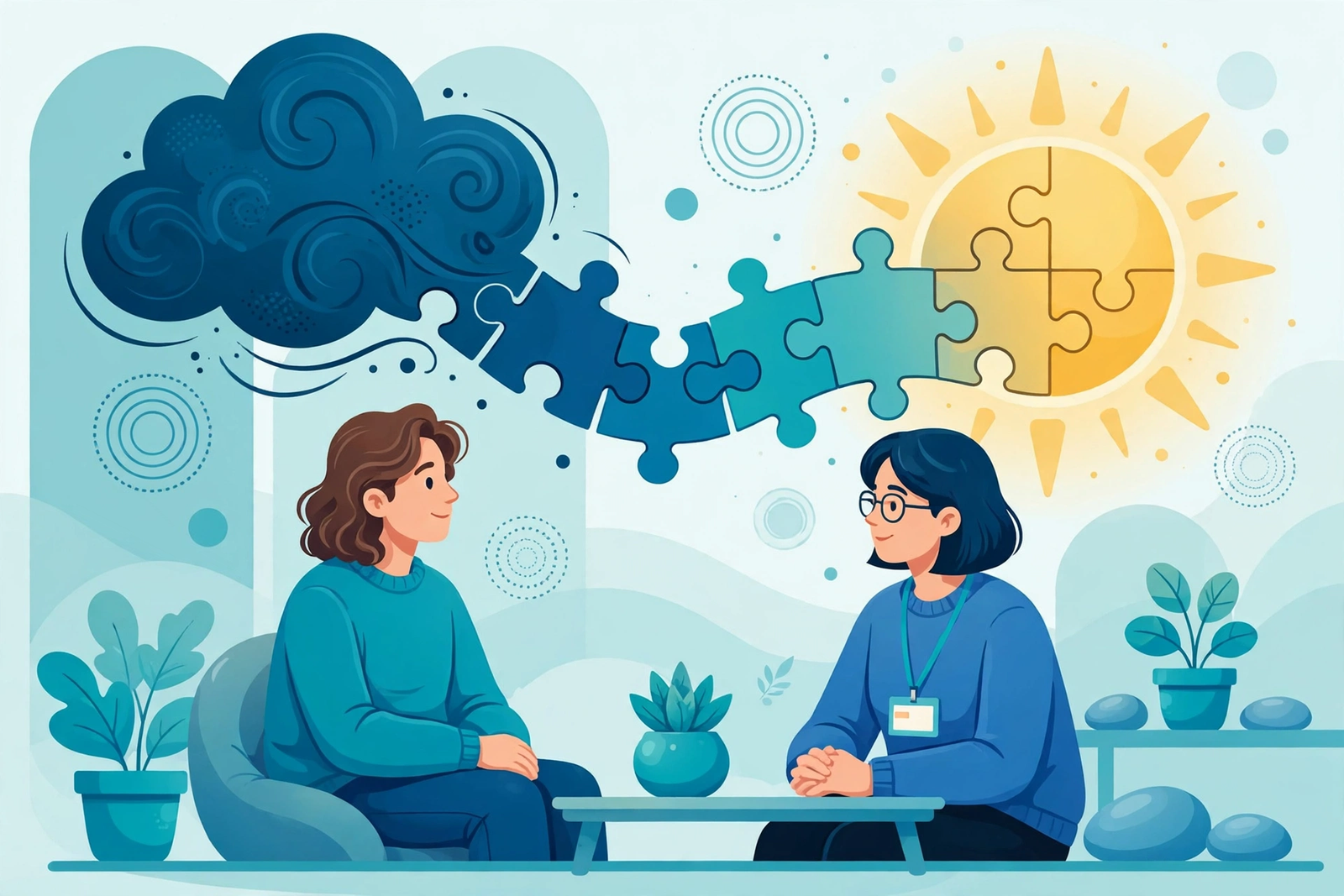
The emotional and behavioral symptoms of adjustment disorder—such as sadness, anxiety, irritability, and social withdrawal—can strain family relationships. Family therapy offers a safe and structured environment for all members to express their feelings, understand one another’s perspectives, and work together to support the individual with adjustment disorder.
While individual therapy focuses on the person experiencing the disorder, family therapy addresses the broader context of the family dynamic, including communication patterns, roles, and the way stress is managed. It helps families understand how their behavior may contribute to or alleviate the stress the individual is facing.
How Family Therapy Works
Family therapy is typically conducted by a trained therapist who facilitates discussions among family members. The therapist creates a safe and nonjudgmental space where everyone can express their emotions, identify underlying issues, and work toward solutions. The primary goals of family therapy for adjustment disorder include:
1. Improving Communication
Many families with a member suffering from adjustment disorder experience breakdowns in communication. Family members may not fully understand what the individual is going through, leading to frustration, misunderstandings, and tension. Family therapy helps improve communication by:
- Encouraging open, honest discussions.
- Teaching family members how to listen actively and empathize with one another.
- Reducing blame or judgment, allowing for more compassionate interactions.
Improved communication enables family members to express their concerns and offer emotional support, reducing feelings of isolation for the person with adjustment disorder.
2. Strengthening Emotional Support
Family therapy helps you feel supported by creating a safe environment where you can openly share your struggles. This process encourages family members to be more understanding, patient, and emotionally present. In turn, you feel validated and less alone in your journey.
Emotional support from family members can significantly improve recovery outcomes, as it provides a foundation of trust, comfort, and reassurance during difficult times.
3. Addressing Family-Related Stressors
Family dynamics can sometimes contribute to the development or exacerbation of adjustment disorder. For example, ongoing conflict between parents, financial stress, or a lack of emotional connection can all contribute to the emotional distress experienced by the individual with adjustment disorder. Family therapy helps identify and address these underlying stressors by:
- Acknowledging the impact of family conflicts or tensions.
- Working together to resolve issues or create healthier coping mechanisms.
- Exploring how family roles and expectations may contribute to your stress.
By addressing family-related stressors, therapy can help create a more supportive and nurturing home environment that fosters emotional healing.
4. Developing Effective Coping Strategies
Family therapy not only focuses on understanding emotions but also on developing practical strategies for coping with stress. Family members are taught how to handle conflict, manage stress, and support each other in a way that promotes emotional well-being. These coping strategies can include:
- Setting boundaries and expectations for healthier interactions.
- Encouraging family members to engage in stress-relieving activities together (such as walking or cooking).
- Teaching relaxation and mindfulness techniques that can be practiced as a family.
By developing these skills together, families can become more resilient and better equipped to handle future stressors.
The Benefits of Family Therapy for Adjustment Disorder
1. Enhanced Support System
One of the primary benefits of family therapy is the strengthening of the support system for the person experiencing adjustment disorder. Family members learn how to provide appropriate emotional support, offer practical help, and give the individual space to process their emotions. This collaborative effort enhances the overall healing process.
2. Reducing Family Tension
Adjustment disorder can create tension within a family unit, particularly if family members do not understand the emotional struggles the individual is going through. Family therapy helps reduce this tension by improving empathy, communication, and emotional support. As family members become more aware of how their behavior impacts each other, they can work together to reduce conflict and create a more harmonious environment.
3. Improving Long-Term Relationships
By working through emotional challenges together, family therapy can help improve long-term family relationships. Family members learn healthier ways to interact, express emotions, and manage stress, which can lead to more positive interactions in the future. This process strengthens the bond between family members and helps them better cope with future challenges.
4. Boosting Emotional Resilience
The skills and strategies learned in family therapy not only help manage adjustment disorder but also build emotional resilience in the family unit. As families work through difficult issues, they become more capable of handling future challenges together, leading to greater overall emotional strength.
When is Family Therapy Recommended for Adjustment Disorder?
Family therapy is often recommended when:
- You are experiencing difficulty in family relationships or communication.
- Family dynamics are contributing to the stress you’re facing.
- Family members need to better understand the condition and learn how to support you effectively.
- There is ongoing family conflict that is exacerbating the symptoms of adjustment disorder.
Family therapy can be beneficial at any stage of the disorder, but early intervention is particularly helpful in creating a positive and supportive environment for recovery.
Key Takeaways
- Family therapy plays a crucial role in treating adjustment disorder by improving communication and providing emotional support.
- It helps address family-related stressors, enhance coping strategies, and strengthen family relationships.
- Family therapy can create a more supportive environment, promoting healing and reducing long-term emotional distress.
- Early intervention through family therapy can help families navigate the challenges of adjustment disorder and support long-term recovery.
If you or your family member is struggling with adjustment disorder, contact us today to explore the benefits of family therapy and how it can improve emotional well-being.
A gentle note: This article is for educational purposes and isn’t medical advice. If you or a loved one is struggling, please reach out to a qualified mental health professional who can support you.