



Key Points
- Resilience is the ability to adapt to stress, recover from setbacks, and grow stronger through challenges.
- Adjustment disorder can be a catalyst for building resilience, as individuals face emotional distress and life changes that require personal growth.
- Strategies for building resilience include developing emotional awareness, practicing self-care, seeking social support, and engaging in positive thinking.
- Resilience helps individuals navigate future stressors with greater strength, flexibility, and confidence.
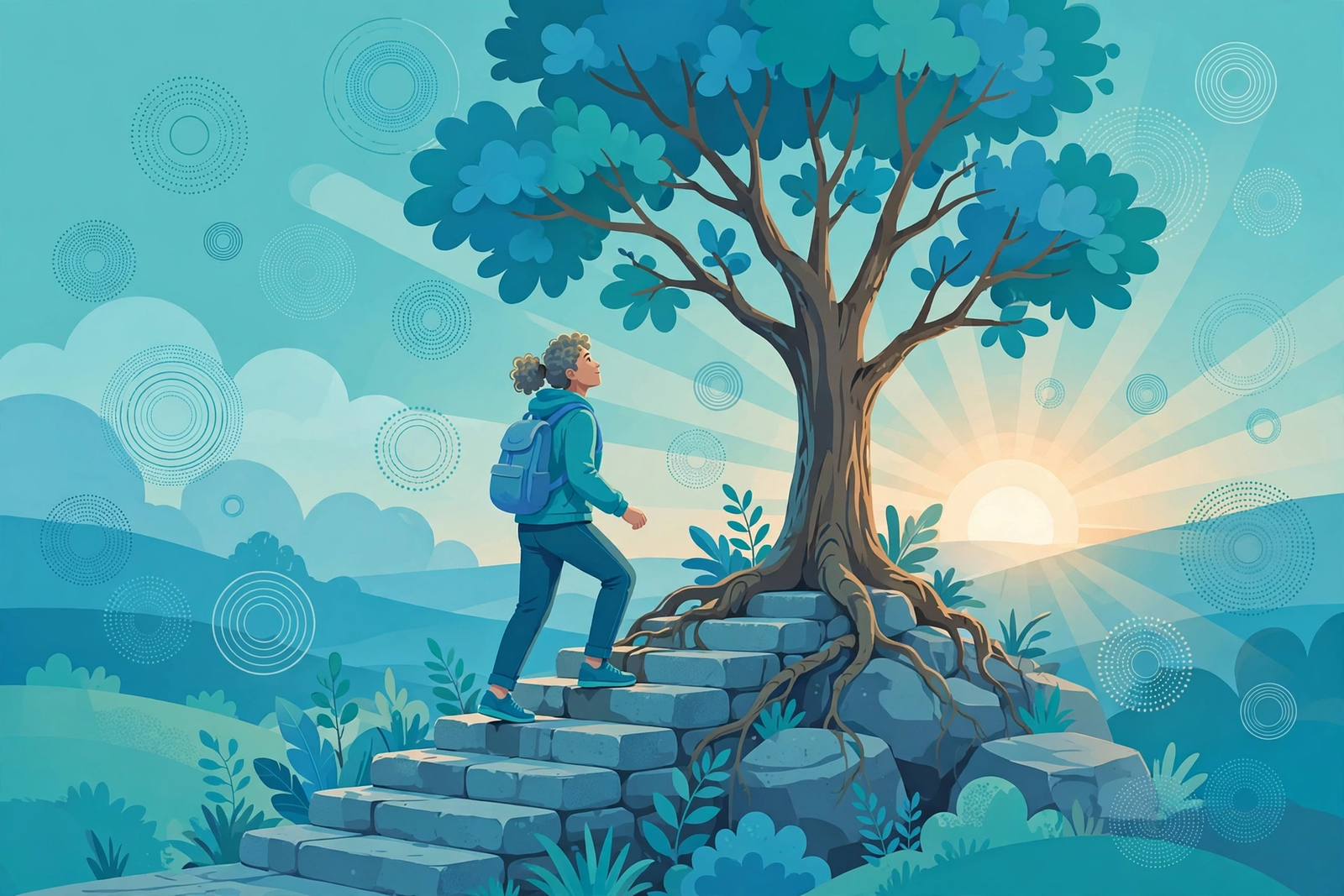
Adjustment disorder can be a difficult condition to manage, especially when it arises in response to significant life changes or stressors. The emotional distress can leave you feeling overwhelmed, stuck, or unable to cope. Yet this very period of turmoil can become a turning point. Building resilience after adjustment disorder is not about bouncing back overnight — it is about gently developing the strength to adapt to stress and recover from challenges, emerging stronger than before.
In this article, we will explore how adjustment disorder can foster resilience, the importance of emotional strength in recovery, and strategies for building resilience during and after times of emotional distress.
What is Resilience?
Resilience refers to the ability to adapt to adversity, overcome challenges, and bounce back from setbacks. It involves emotional flexibility, mental toughness, and the ability to maintain a positive outlook in the face of difficulties. Resilience is not about avoiding stress or hardship, but about developing the ability to manage stress effectively and grow through life’s challenges.
- Emotional strength: Resilience helps individuals process their emotions and respond to stress in a healthy and balanced way.
- Adaptability: Resilient individuals are able to adjust to changing circumstances, finding new ways to cope and thrive in the face of adversity.
- Positive outlook: Resilience allows individuals to maintain hope and optimism, even during difficult times, enabling them to stay motivated and focused on recovery.
Why Building Resilience After Adjustment Disorder Matters
Adjustment disorder often arises in response to life changes that are difficult to manage, such as the loss of a job, the end of a relationship, or a personal crisis. Developing resilience during this time can help individuals process their emotions, adapt to the changes, and emerge stronger from the experience.
- Overcoming emotional distress: Resilience helps individuals manage emotional distress, preventing it from becoming overwhelming or debilitating.
- Finding meaning in adversity: Resilient individuals are able to find meaning in life changes, viewing them as opportunities for growth and self-discovery rather than insurmountable obstacles.
- Bouncing back from setbacks: Resilience enables individuals to recover more quickly from setbacks, helping them maintain emotional balance and regain a sense of control.
How Adjustment Disorder Can Build Resilience
While adjustment disorder can be emotionally challenging, it can also serve as a foundation for building greater resilience. Facing the difficulties of adjustment disorder requires individuals to confront their fears, re-evaluate their coping mechanisms, and learn new ways of managing stress.
1. Embracing Vulnerability
One of the key aspects of resilience is the ability to embrace vulnerability and acknowledge when you need support. Adjustment disorder can help individuals recognize their vulnerabilities, allowing them to develop emotional strength through self-awareness and acceptance.
- Acknowledging emotions: By accepting and expressing difficult emotions, such as sadness, fear, or frustration, individuals can begin to process their experiences and learn from them.
- Seeking support: Building resilience involves seeking help from others when needed. Adjustment disorder can encourage individuals to reach out for emotional support, whether through therapy, support groups, or trusted friends and family.
2. Learning Healthy Coping Strategies
Developing effective coping strategies is an essential part of building resilience. Adjustment disorder provides an opportunity to learn and implement healthier ways of managing stress, which can strengthen emotional resilience.
- Stress management techniques: Mindfulness, deep breathing, and relaxation exercises can help individuals manage emotional distress and reduce the impact of stress.
- Cognitive reframing: Reframing negative thoughts allows individuals to shift their perspective and find more constructive ways of thinking about challenges, which builds emotional strength.
- Problem-solving skills: Learning to approach problems with a clear and organized mindset helps individuals develop resilience by focusing on solutions rather than dwelling on difficulties.
3. Building Emotional Flexibility
Emotional flexibility—the ability to adapt emotionally to changing circumstances—is another essential component of resilience. Adjustment disorder can help individuals become more emotionally flexible by encouraging them to process their emotions and adjust to life changes in a healthy way.
- Accepting change: Life changes often feel overwhelming, but adjusting to these changes and finding ways to cope with them can help individuals develop emotional flexibility.
- Building emotional awareness: Being aware of your emotional reactions and learning to manage them in a balanced way can foster emotional flexibility and resilience.
- Cultivating patience: Learning to be patient with yourself and your emotional responses can help you adapt to challenges with greater ease and emotional strength.
4. Strengthening Problem-Solving Abilities
Resilience involves the ability to think critically and solve problems effectively in the face of adversity. Adjustment disorder encourages individuals to develop and strengthen their problem-solving abilities, helping them face challenges head-on.
- Breaking down challenges: By breaking large problems into smaller, manageable tasks, individuals can focus on concrete steps to improve their situation and build resilience.
- Taking proactive steps: Resilient individuals don’t wait for problems to resolve on their own. They take proactive steps to address challenges and find solutions to emotional distress.
5. Finding Meaning in Difficult Times
Resilience often arises from the ability to find meaning in hardship. Adjustment disorder can serve as a catalyst for self-reflection, helping individuals re-evaluate their life goals, values, and priorities.
- Reevaluating life goals: The emotional distress caused by adjustment disorder can lead individuals to re-examine their values and priorities, helping them align their actions with their true desires.
- Finding growth through adversity: Instead of seeing life changes as obstacles, resilient individuals view them as opportunities for personal growth and self-improvement. This shift in perspective builds emotional strength and resilience.
Strategies for Building Resilience During Adjustment Disorder
While building resilience can be a gradual process, there are several strategies that can help individuals cultivate emotional strength during and after adjustment disorder.
1. Seek Professional Support
Therapy is an essential tool for building resilience and managing adjustment disorder. A therapist can help individuals develop emotional resilience by teaching coping strategies, reframing negative thoughts, and guiding them through difficult emotions.
- Cognitive Behavioral Therapy (CBT): CBT can help individuals identify and challenge negative thought patterns, promoting resilience by encouraging healthier ways of thinking and coping with stress.
- Acceptance and Commitment Therapy (ACT): ACT teaches individuals to accept their emotions without judgment and commit to values-based action, helping them develop greater emotional flexibility and resilience.
- Trauma-focused therapy: For those experiencing trauma, therapy focused on processing and healing from past wounds can support the development of resilience and emotional recovery.
2. Engage in Self-Compassion
Self-compassion is the practice of treating yourself with kindness and understanding during difficult times. It is an essential component of building resilience and emotional strength.
- Be kind to yourself: Recognize that it’s okay to feel vulnerable and that healing takes time. Offer yourself the same compassion you would offer a loved one in a similar situation.
- Practice self-forgiveness: Let go of self-blame and recognize that mistakes and challenges are part of the human experience. Practice forgiving yourself and embracing your imperfections.
3. Foster a Supportive Network
Having a strong support system is crucial for building resilience. Trusted family members, friends, and mentors can provide emotional encouragement and help individuals regain their strength during times of emotional distress.
- Share your feelings: Talk openly with loved ones about your experiences and challenges. Emotional support can help you feel validated and connected.
- Seek guidance and mentorship: Surround yourself with people who can offer wisdom, perspective, and guidance. Mentors or role models can inspire resilience by modeling healthy coping strategies.
4. Cultivate a Growth Mindset
A growth mindset involves believing that challenges and setbacks are opportunities for growth, not indications of failure. This mindset is essential for building resilience during adjustment disorder.
- Embrace challenges: View life changes and setbacks as opportunities to develop new skills and strengths, rather than as insurmountable obstacles.
- Celebrate progress: Recognize and celebrate each step of your emotional recovery, no matter how small. Acknowledging progress builds confidence and resilience.
Key Takeaways
- Resilience is the ability to adapt to stress, recover from setbacks, and grow stronger through challenges. It plays a vital role in managing adjustment disorder and emotional distress.
- Adjustment disorder can serve as an opportunity for building resilience by developing emotional strength, learning healthier coping strategies, and re-evaluating life priorities.
- Strategies for building resilience include seeking therapy, practicing self-compassion, fostering supportive relationships, and cultivating a growth mindset.
- Early intervention and consistent practice of resilience-building strategies are essential for improving emotional well-being and adapting to life changes.
If you are struggling with adjustment disorder and looking to build emotional resilience, contact us today to explore therapy options and develop strategies for personal growth and recovery.
