



Key Points
- Adjustment disorder often occurs during periods of significant life change, which can be seen as a source of emotional distress but also as an opportunity for personal growth.
- Personal growth involves transforming challenges into opportunities for learning, self-discovery, and emotional healing.
- Strategies for fostering personal growth during adjustment disorder include reframing negative experiences, setting new goals, and embracing change.
- Early intervention, self-reflection, and support systems play a key role in promoting personal growth and emotional recovery.
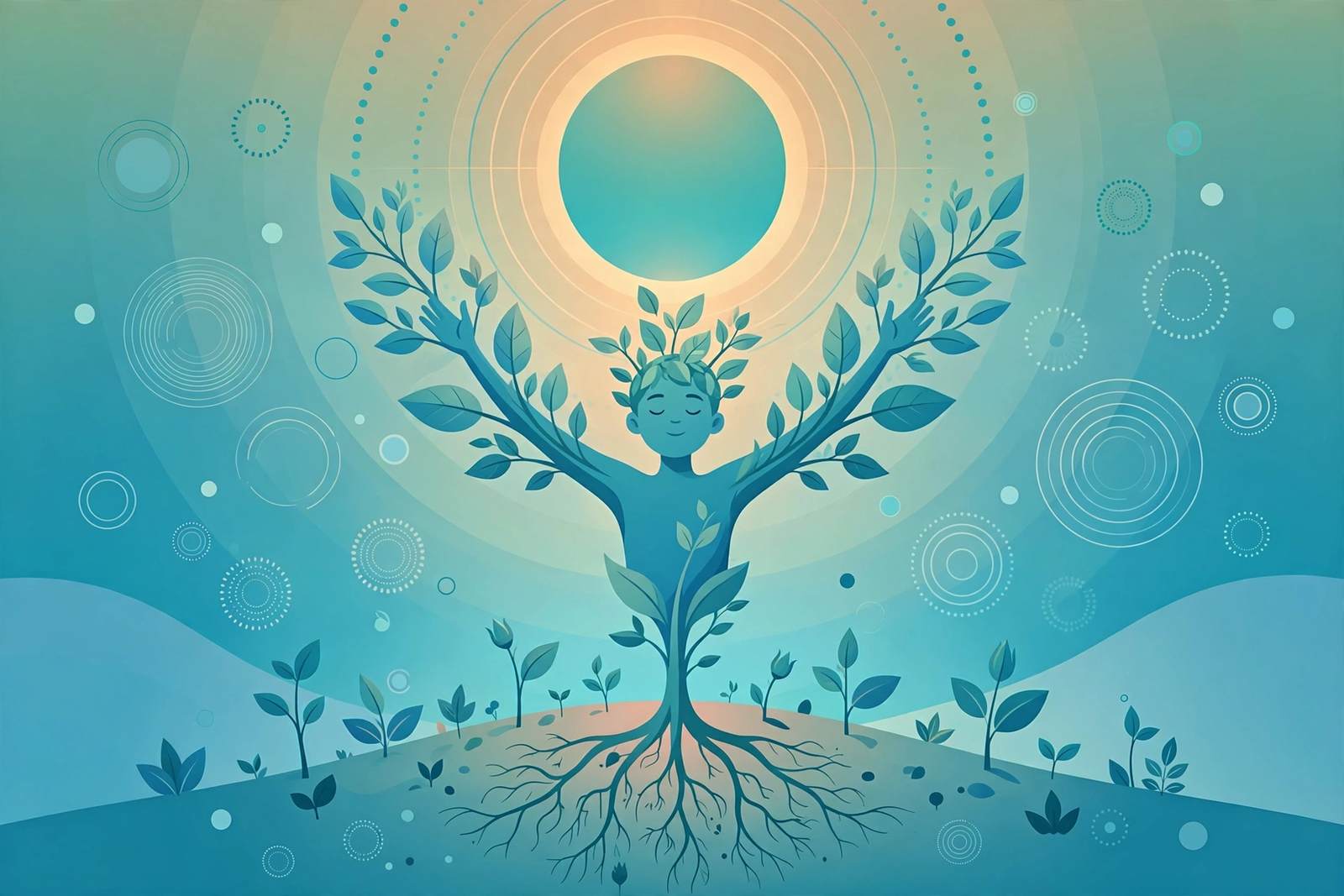
Adjustment disorder often arises when significant life changes — a job loss, the end of a relationship, the death of a loved one, a major relocation — leave you feeling emotionally overwhelmed and struggling to cope. While these symptoms can feel all-consuming, this difficult period also holds a quiet promise: personal growth after adjustment disorder is possible. It’s the process of turning adversity into a catalyst for learning, self-improvement, and emotional resilience.
Personal growth is about transforming life challenges into valuable lessons. Instead of viewing these challenges as setbacks, individuals can use them as opportunities to develop greater emotional strength, clarity, and a renewed sense of purpose. In this article, we will explore how adjustment disorder can lead to personal growth, the strategies for fostering resilience, and the steps you can take to turn difficult experiences into opportunities for transformation.
How Adjustment Disorder Can Lead to Personal Growth
While adjustment disorder causes emotional pain and difficulty, it also presents a unique opportunity for self-discovery and personal development. When individuals face significant life changes, they are forced to confront their emotional responses, reevaluate their priorities, and reimagine their future. This process, though challenging, can lead to profound personal growth.
Embracing Change as an Opportunity
Life transitions, even those that come with hardship, often require individuals to adapt to new circumstances. This adaptation process can spark personal growth, as individuals learn how to cope with change, let go of the past, and embrace new possibilities.
- Building adaptability: Adjustment disorder often forces individuals to adapt to new realities, whether it’s a career change, loss of a loved one, or a move to a new city. This adaptability is a key aspect of personal growth, as it fosters resilience and flexibility in the face of future challenges.
- Redefining your identity: Major life changes can challenge one’s sense of self. During adjustment disorder, individuals may re-evaluate their values, goals, and life direction. This period of reflection can lead to the rediscovery of one’s passions, priorities, and purpose in life.
Learning from Adversity
Adversity often presents the greatest opportunities for personal growth. The emotional distress caused by adjustment disorder can help individuals develop greater emotional resilience by teaching them how to cope with difficult feelings, accept uncertainty, and emerge stronger from life’s challenges.
- Overcoming fears: Adjustment disorder may bring up fears and insecurities that individuals must confront. By facing these fears, individuals develop emotional strength and the ability to cope with difficult emotions.
- Cultivating emotional resilience: Through the experience of adjustment disorder, individuals often develop a growth mindset, understanding that challenges are not barriers, but opportunities to learn, grow, and develop resilience.
Creating Meaning from Life’s Challenges
Adjustment disorder often forces individuals to reconsider what truly matters to them. This period of reflection can lead to the creation of a deeper sense of meaning and purpose. By recognizing the importance of personal values and goals, individuals can transform their emotional struggles into meaningful life lessons.
- Re-evaluating life priorities: The emotional turmoil of adjustment disorder can prompt individuals to reassess their goals, values, and life direction. This process allows them to create a more fulfilling and purposeful life moving forward.
- Finding strength in vulnerability: Personal growth often comes from embracing vulnerability. The emotional pain of adjustment disorder can teach individuals the power of vulnerability, allowing them to develop a deeper connection with themselves and others.
Strategies for Personal Growth After Adjustment Disorder
Fostering personal growth during adjustment disorder involves shifting perspective, developing new skills, and embracing life’s challenges as opportunities for self-improvement. The following strategies can help individuals turn emotional distress into personal growth and resilience.
1. Reframe Negative Experiences
One of the most effective strategies for fostering personal growth is to reframe negative experiences. Instead of focusing on the pain and hardship of adjustment disorder, individuals can choose to see these challenges as opportunities for growth and transformation.
- Look for the lesson in adversity: Every life challenge offers valuable lessons. Ask yourself, “What can I learn from this experience?” Viewing challenges as opportunities for self-improvement can help individuals develop emotional resilience and a growth mindset.
- Practice gratitude: Even during difficult times, focusing on the positive aspects of life—such as supportive relationships, health, or personal strengths—can foster emotional healing and personal growth.
2. Set New Goals and Embrace Change
Setting new goals is a powerful way to cultivate a sense of purpose and direction during adjustment disorder. Whether these goals are related to personal development, career growth, or relationships, having clear goals provides individuals with something to strive toward as they navigate life changes.
- Create small, achievable goals: Instead of focusing on large, overwhelming goals, break them down into smaller, more manageable steps. Achieving small goals can build momentum and boost confidence.
- Embrace new opportunities: Life changes often present new opportunities for growth, whether it’s learning new skills, pursuing a new career path, or building new relationships. Be open to these opportunities and use them as a springboard for personal development.
3. Develop Emotional Resilience
Building emotional resilience is essential for coping with adjustment disorder and fostering personal growth. Resilience helps individuals handle stress, recover from setbacks, and adapt to change with greater ease and confidence.
- Practice mindfulness: Mindfulness helps individuals stay grounded in the present moment, reducing emotional reactivity and promoting emotional balance.
- Build emotional awareness: By becoming more aware of your emotions, triggers, and reactions, you can develop healthier coping strategies and improve emotional regulation.
- Seek support when needed: Emotional resilience is not about handling everything alone. Seeking support from friends, family, or a therapist can help you navigate emotional challenges and build resilience.
4. Cultivate a Growth Mindset
A growth mindset is the belief that abilities, intelligence, and emotional resilience can be developed over time through effort and perseverance. Embracing a growth mindset helps individuals approach challenges with confidence, learning from their experiences instead of being discouraged by setbacks.
- Embrace challenges: See challenges as opportunities to learn and grow, rather than as obstacles. A growth mindset allows individuals to view life changes and setbacks as stepping stones toward personal development.
- Learn from failure: Failure is a natural part of life and growth. Instead of fearing failure, embrace it as a valuable learning experience that brings you closer to success.
5. Practice Self-Compassion and Patience
Personal growth takes time, and it’s important to practice self-compassion during the process. Be patient with yourself as you navigate the emotional distress of adjustment disorder and work toward self-improvement.
- Be kind to yourself: Treat yourself with kindness and understanding, especially during difficult times. Understand that personal growth is a gradual process, and it’s okay to have setbacks along the way.
- Celebrate small victories: Recognize and celebrate the progress you’ve made, even if it feels small. Every step toward healing and growth is a victory.
Key Takeaways
- Personal growth is an important aspect of managing adjustment disorder, as it helps individuals turn life challenges into opportunities for learning, resilience, and self-improvement.
- Reframing negative experiences, setting new goals, and embracing a growth mindset are essential strategies for fostering personal growth during adjustment disorder.
- Emotional resilience, mindfulness, and self-compassion play key roles in navigating emotional distress and turning adversity into growth.
- Early intervention, therapy, and support systems can help individuals build resilience and emotional strength during challenging life changes.
If you are struggling with adjustment disorder and want to turn life challenges into opportunities for personal growth, contact us today to explore therapy options and develop strategies for emotional healing and self-improvement.
