



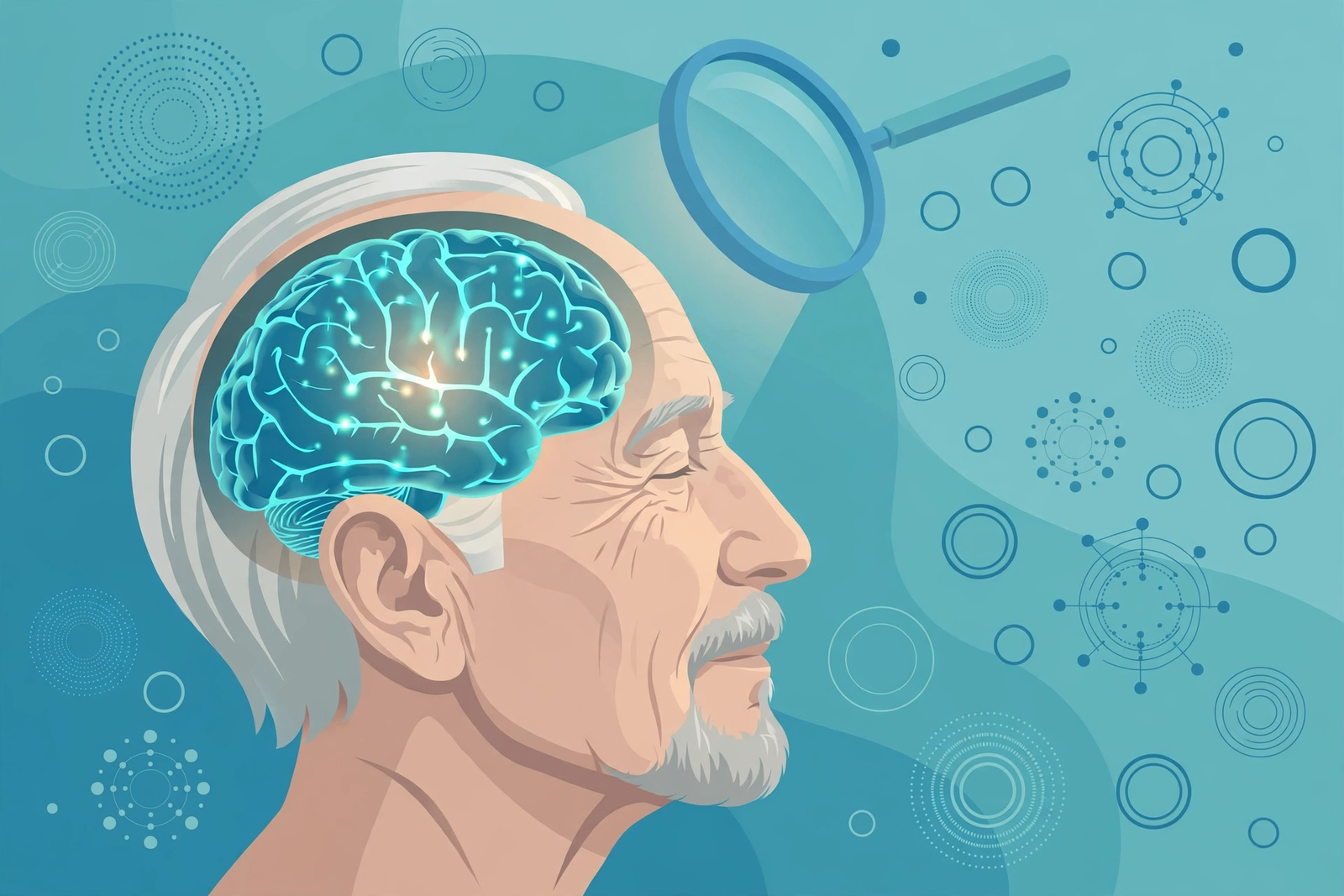
Key Points
- Alzheimer’s disease is a neurodegenerative condition that affects memory, cognition, and behavior.
- It is the most common form of dementia, primarily affecting older adults.
- Symptoms include memory loss, confusion, and difficulty performing everyday tasks.
- Alzheimer’s disease progresses through stages, eventually requiring full-time care.
- Early diagnosis and intervention are crucial for managing symptoms and improving quality of life.
Alzheimer’s disease is a progressive neurological disorder that affects memory, cognition, and behavior. It is the most common form of dementia, a general term for a decline in cognitive ability severe enough to interfere with daily life. Alzheimer’s disease primarily affects older adults, but it can also impact individuals as young as 40 or 50 in rare cases. The condition is characterized by a gradual decline in memory and cognitive functions, making it difficult for individuals to remember recent events, recognize loved ones, and perform everyday tasks.
In this article, we will explore the key aspects of Alzheimer’s disease, including its symptoms, causes, stages, and treatment options. We will also discuss the impact of Alzheimer’s on patients and caregivers and the importance of early detection and management.
What is Alzheimer’s Disease?
Alzheimer’s disease is a type of dementia that affects the brain and leads to a decline in memory, thinking, and reasoning skills. It is caused by the buildup of abnormal proteins in the brain, which disrupt the communication between brain cells and ultimately cause the cells to die. This process gradually affects cognitive functions, such as memory, attention, language, and problem-solving abilities.
Key Features of Alzheimer’s Disease:
- Memory loss: One of the hallmark symptoms of Alzheimer’s disease is memory loss, particularly short-term memory. Individuals may forget recent events, appointments, or conversations, which can cause confusion and frustration.
- Cognitive decline: Alzheimer’s disease also affects other cognitive functions, such as judgment, decision-making, and spatial awareness. This can lead to difficulty with tasks such as managing finances, following a recipe, or navigating familiar environments.
- Behavioral changes: As Alzheimer’s progresses, individuals may experience changes in mood, personality, and behavior. They may become more anxious, depressed, or agitated, and exhibit social withdrawal or confusion about time and place.
Causes of Alzheimer’s Disease
The exact cause of Alzheimer’s disease is not fully understood, but several factors are believed to contribute to its development. Research suggests that the disease is caused by a combination of genetic, environmental, and lifestyle factors.
- Genetics: Certain genes are associated with an increased risk of Alzheimer’s disease. The most well-known of these genes is the APOE-e4 gene, which is thought to increase the risk of developing Alzheimer’s by promoting the accumulation of amyloid plaques in the brain.
- Amyloid plaques and tau tangles: The buildup of abnormal proteins called amyloid beta and tau is a key feature of Alzheimer’s disease. Amyloid plaques are clusters of protein that accumulate between nerve cells, while tau tangles are twisted protein strands that accumulate inside the cells. These plaques and tangles interfere with communication between brain cells and contribute to cell death.
- Age: The risk of developing Alzheimer’s disease increases with age. Most people with Alzheimer’s are over the age of 65, and the risk doubles every five years after that age.
- Family history: Having a family member with Alzheimer’s increases the risk of developing the disease, suggesting a genetic component. However, not everyone with a family history of Alzheimer’s will develop the disease.
- Lifestyle factors: Certain lifestyle factors, such as lack of physical exercise, poor diet, and smoking, may contribute to an increased risk of Alzheimer’s. Maintaining a healthy lifestyle can help reduce the risk of developing the disease.
Symptoms of Alzheimer’s Disease
The symptoms of Alzheimer’s disease can vary from person to person, but they typically begin with mild memory loss and cognitive decline. As the disease progresses, symptoms become more severe, and individuals may require assistance with daily activities.
Early Symptoms:
- Memory loss: Forgetting recent events or conversations is often one of the first signs of Alzheimer’s disease. Individuals may also have difficulty recalling the names of familiar people or places.
- Confusion about time and place: People with Alzheimer’s may become disoriented and confused about the date, time of day, or their location. They may get lost in familiar environments or forget how they arrived at a particular place.
- Difficulty with familiar tasks: Tasks that were once routine, such as managing finances, cooking meals, or following a TV show, may become increasingly difficult.
- Language problems: Individuals with Alzheimer’s may struggle to find the right words or repeat themselves frequently. They may also have difficulty following or joining in conversations.
Moderate Symptoms:
As Alzheimer’s progresses, symptoms become more pronounced, and individuals may experience significant difficulties with memory, reasoning, and behavior.
- Increased confusion: People with moderate Alzheimer’s may become more confused about the time of day, their location, and the people around them. They may forget names, forget how to perform daily activities, and become easily disoriented.
- Mood swings and personality changes: Individuals may experience rapid mood changes, including increased anxiety, irritability, or aggression. Their personality may also change, making them more withdrawn or suspicious of others.
- Difficulty with communication: Communication becomes more challenging as Alzheimer’s progresses. Individuals may have trouble finding the right words, following conversations, or understanding what others are saying.
Severe Symptoms:
In the advanced stages of Alzheimer’s disease, individuals lose the ability to perform most everyday tasks and may become fully dependent on others for care.
- Severe memory loss: Individuals may forget who they are, the names of loved ones, or where they are. They may no longer recognize family members or close friends.
- Loss of motor skills: Individuals with severe Alzheimer’s may lose the ability to move independently. They may have difficulty walking, swallowing, or controlling their bodily functions.
- Inability to communicate: Verbal communication becomes very limited or completely absent in the final stages of Alzheimer’s. Individuals may lose the ability to speak, and nonverbal communication becomes their primary means of expressing needs.
- 24-hour care required: People with severe Alzheimer’s require constant care and supervision. They may need help with eating, dressing, bathing, and other activities of daily living.
Stages of Alzheimer’s Disease
Alzheimer’s disease progresses through several stages, each marked by increasing severity of symptoms. While the progression varies from person to person, Alzheimer’s generally follows the following stages:
- Early Stage (Mild): The early stage of Alzheimer’s is characterized by mild memory loss and difficulty with tasks that require complex thinking. Individuals may remain independent but may begin to notice memory problems, such as forgetting names or appointments. This stage can last for several years.
- Middle Stage (Moderate): In the middle stage, memory loss and confusion become more pronounced, and individuals may experience difficulty performing everyday tasks. They may also exhibit mood swings, anxiety, and behavioral changes. This stage typically lasts for several years.
- Late Stage (Severe): The late stage of Alzheimer’s is marked by severe memory loss, loss of motor function, and complete dependence on others for care. Individuals may lose the ability to communicate and perform basic activities of daily living. This stage can last for several months or years.
Treatment for Alzheimer’s Disease
There is currently no cure for Alzheimer’s disease, but treatments are available to manage symptoms, slow the progression of the disease, and improve quality of life. Treatment options include medications, therapies, and lifestyle changes.
1. Medications
Several medications are approved for the treatment of Alzheimer’s disease, aimed at alleviating symptoms and slowing cognitive decline:
- Cholinesterase inhibitors: These drugs, such as donepezil (Aricept), rivastigmine (Exelon), and galantamine (Razadyne), help increase levels of acetylcholine, a neurotransmitter involved in memory and learning. These medications may help improve cognitive function and reduce symptoms in the early and middle stages of Alzheimer’s.
- NMDA antagonists: Memantine (Namenda) is an NMDA antagonist that regulates the activity of glutamate, a neurotransmitter that is involved in learning and memory. This medication is used in moderate to severe Alzheimer’s and may help improve symptoms or slow their progression.
2. Non-Pharmacological Therapies
While medications can help manage symptoms, non-pharmacological therapies also play a critical role in Alzheimer’s care. These therapies focus on improving quality of life, managing behavioral symptoms, and supporting cognitive function.
- Cognitive stimulation: Cognitive training exercises, puzzles, games, and memory techniques can help improve cognitive function and slow cognitive decline. Activities that engage the brain can help individuals retain skills and enhance their quality of life.
- Behavioral therapy: Therapy can help manage behavioral and psychological symptoms of Alzheimer’s, such as aggression, anxiety, or depression. Behavioral interventions can teach coping strategies and reduce distressing symptoms.
3. Lifestyle Changes
Certain lifestyle changes can improve the quality of life for individuals with Alzheimer’s disease and help manage symptoms:
- Physical exercise: Regular physical activity, such as walking or swimming, can improve cognitive function, reduce anxiety and depression, and support overall health.
- Healthy diet: A well-balanced diet rich in fruits, vegetables, whole grains, and lean protein can support brain health and reduce the risk of further cognitive decline.
- Social engagement: Staying socially active can help improve cognitive function and emotional well-being. Engaging in social activities, such as joining a support group or participating in community events, can promote mental stimulation and connection.
Key Takeaways
- Alzheimer’s disease is a progressive neurodegenerative condition that affects memory, cognition, and behavior, primarily in older adults.
- Early symptoms include memory loss, confusion, and difficulty with daily tasks, while later stages lead to severe cognitive decline and complete dependence on caregivers.
- There is no cure for Alzheimer’s, but medications, therapies, and lifestyle changes can help manage symptoms and slow progression.
- Early diagnosis and intervention are crucial for improving quality of life and managing the challenges of Alzheimer’s disease.
If you or a loved one is affected by Alzheimer’s disease and would like to learn more about treatment options and caregiving strategies, contact us today to get the support and guidance you need.
