



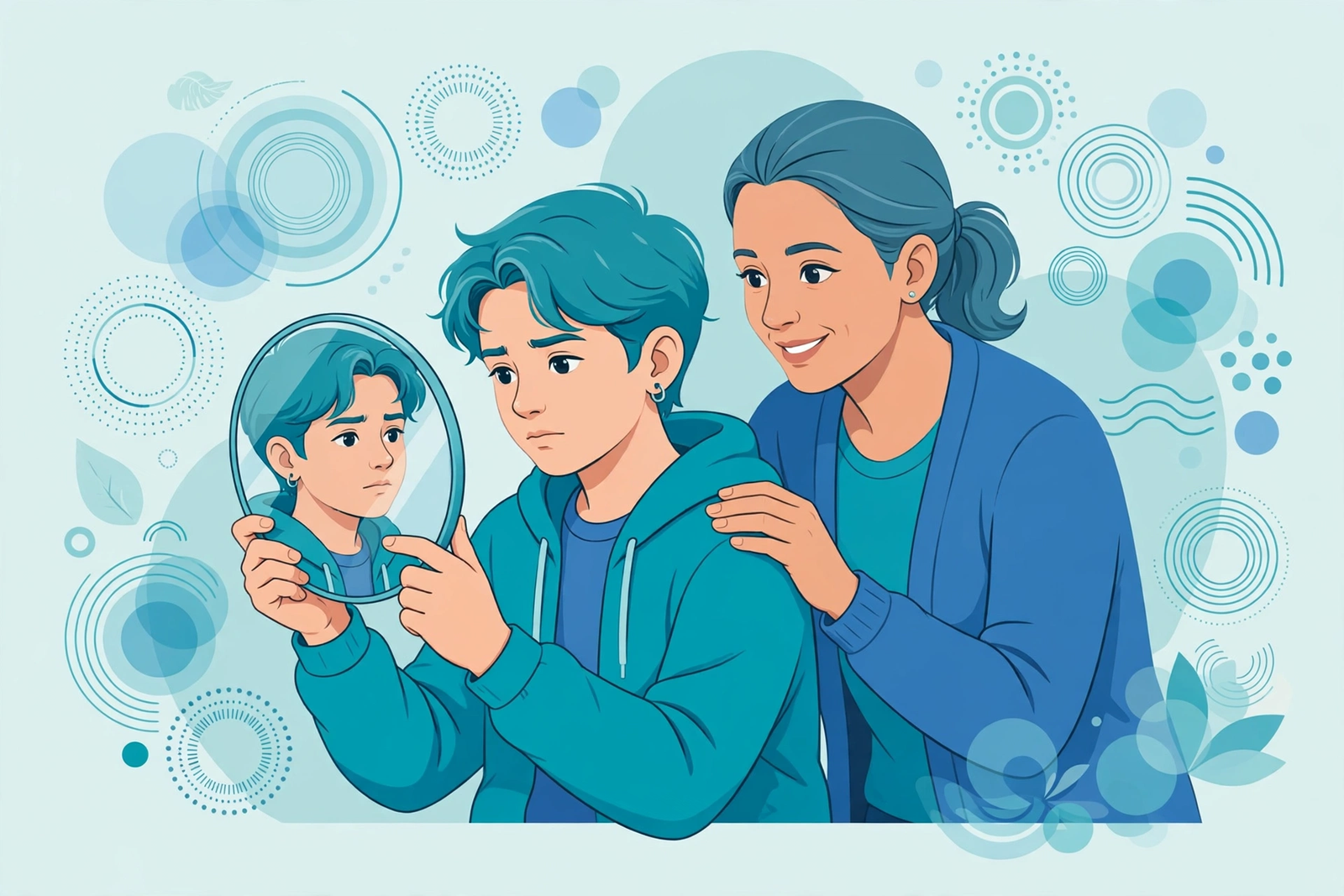
Watching your teen struggle with how they see themselves can be heartbreaking. Body dysmorphic disorder in adolescents is more common than many parents realize, and the reassuring news is that with understanding and the right support, young people can heal and rebuild a healthier self-image.
Key Points:
- Body Dysmorphic Disorder (BDD) can develop during adolescence, a time when self-image and body concerns are prominent.
- Early intervention is essential in preventing long-term emotional and psychological issues associated with BDD in young people.
- Cognitive Behavioral Therapy (CBT) is the most effective treatment for adolescents with BDD, helping them address distorted body image perceptions.
- Family support, education, and creating a positive body image environment are important in helping adolescents with BDD manage their condition.
Body Dysmorphic Disorder in Adolescents: A Growing Concern
Adolescence is a developmental period marked by significant physical, emotional, and social changes. During this time, many young people experience concerns about their appearance, and body image issues often emerge. While some level of body dissatisfaction is common during this stage of life, for some adolescents, these concerns develop into a more severe condition known as Body Dysmorphic Disorder (BDD).
BDD in adolescents is characterized by an overwhelming preoccupation with perceived flaws or defects in physical appearance, which can lead to emotional distress, anxiety, and impaired functioning. The condition can have a serious impact on a young person’s mental health, relationships, and quality of life. In this article, we will explore the risks associated with Body Dysmorphic Disorder in adolescents and discuss effective treatment approaches to help young people manage the condition.
Symptoms and Risks of Body Dysmorphic Disorder in Adolescents
The symptoms of Body Dysmorphic Disorder in adolescents are similar to those seen in adults but can often manifest differently due to the developmental stage of the adolescent. Key symptoms and risks include:
1. Preoccupation with Physical Appearance:
- Obsession with perceived flaws: Adolescents with BDD often focus excessively on perceived flaws in their appearance, which can range from skin blemishes to hair texture or body size. These flaws are often exaggerated or nonexistent, but they cause significant distress.
- Frequent mirror checking: Adolescents may engage in repetitive behaviors, such as checking their appearance in mirrors or reflective surfaces, seeking reassurance from others about their appearance, or comparing themselves to others.
- Avoidance of social situations: Due to the fear of being judged for their appearance, adolescents with BDD may avoid social interactions, school activities, or even family events, leading to social isolation.
2. Emotional and Psychological Distress:
- Low self-esteem: BDD often leads to a negative self-image and feelings of inadequacy. Adolescents may believe that their perceived flaws define their worth and may struggle with feelings of shame or embarrassment.
- Depression and anxiety: The emotional distress caused by BDD can lead to depression, anxiety, and other mental health challenges. Adolescents may feel hopeless or disconnected from others, further exacerbating their condition.
- Obsessive thoughts: Adolescents with BDD may experience obsessive thoughts about their appearance, which can consume a significant amount of their time and energy. These thoughts may interfere with daily activities and academic performance.
3. Compulsive Behaviors:
- Excessive grooming or skin picking: Adolescents may spend an inordinate amount of time grooming themselves, applying makeup, or attempting to fix their perceived flaws. This can include picking at their skin or undergoing multiple cosmetic procedures.
- Seeking cosmetic surgery: Some adolescents with BDD may express a desire for cosmetic procedures, such as rhinoplasty, liposuction, or other surgeries, in an attempt to fix what they perceive as physical flaws.
- Body checking and comparing: Adolescents may engage in constant body checking, comparing their appearance to others, or measuring specific body parts to determine if they are “normal” or “acceptable.”
Treatment Approaches for Body Dysmorphic Disorder in Adolescents
Early intervention is key to effectively managing Body Dysmorphic Disorder in adolescents. A comprehensive treatment approach that combines therapy, medication, and support is essential for addressing both the psychological and behavioral aspects of the condition.
1. Cognitive Behavioral Therapy (CBT):
Cognitive Behavioral Therapy is considered the most effective treatment for Body Dysmorphic Disorder in adolescents. CBT helps individuals identify and challenge the distorted thoughts and beliefs they have about their appearance and develop healthier, more realistic views of themselves.
Key Components of CBT for Adolescents with BDD:
- Cognitive restructuring: Adolescents learn to identify and challenge negative thoughts about their body and appearance. They are taught to replace these thoughts with more balanced, realistic perspectives.
- Exposure and response prevention (ERP): ERP helps adolescents gradually confront situations that trigger their appearance-related anxiety, such as looking in the mirror or participating in social events. The goal is to reduce the compulsive behaviors (e.g., mirror checking) and help them tolerate anxiety without engaging in these behaviors.
- Building self-esteem: CBT also focuses on improving self-esteem and body image by encouraging adolescents to appreciate their strengths and qualities beyond their appearance.
2. Family-Based Therapy:
Family support plays a crucial role in the treatment of Body Dysmorphic Disorder in adolescents. Family-based therapy involves educating family members about BDD and helping them understand how they can provide effective support. Key aspects of family-based therapy include:
- Creating a supportive environment: Families can help create a supportive and understanding environment that promotes open communication and reduces the risk of reinforcing negative behaviors.
- Avoiding enabling behaviors: Family members are encouraged to avoid reinforcing appearance-related compulsions, such as providing constant reassurance or participating in body checking behaviors.
- Improving family dynamics: Therapy can help improve communication within the family, reduce conflicts, and strengthen relationships, which is important for emotional support.
3. Medication:
While therapy is the primary treatment for BDD, medication may be prescribed to help manage symptoms of anxiety or depression that commonly co-occur with the disorder. Selective serotonin reuptake inhibitors (SSRIs), which are commonly used to treat anxiety and depression, can also help reduce obsessive thoughts and compulsive behaviors associated with BDD. Medications commonly prescribed for BDD include:
- Fluoxetine (Prozac)
- Sertraline (Zoloft)
- Escitalopram (Lexapro)
Medication is typically used in conjunction with therapy for a more comprehensive treatment plan.
4. Support Groups and Peer Support:
Joining a support group for adolescents with BDD can be beneficial in helping them feel less isolated. Support groups provide a safe space for sharing experiences, learning from others, and gaining encouragement from peers who understand the challenges of living with BDD. Peer support can help reduce feelings of shame and provide a sense of community.
The Role of Parents and Guardians in Supporting Adolescents with BDD
Parents and guardians play a critical role in supporting adolescents with Body Dysmorphic Disorder. Here are some ways parents can help their child:
1. Encourage Open Communication:
Create an environment where your child feels comfortable discussing their appearance-related concerns. Listen with empathy and avoid judgment. Encourage them to express their feelings and concerns without fear of criticism.
2. Seek Professional Help:
If you notice signs of Body Dysmorphic Disorder in your adolescent, encourage them to seek professional help. Support them in finding a therapist who specializes in treating BDD, and be involved in the treatment process by participating in family therapy if appropriate.
3. Avoid Reinforcing Appearance-Related Behaviors:
While it’s important to offer support, avoid reinforcing negative behaviors, such as excessive mirror checking, reassurance seeking, or body comparison. Encourage your child to focus on their strengths and qualities beyond their appearance.
4. Promote a Positive Body Image:
Encourage activities and discussions that promote body acceptance and a healthy body image. Provide positive role models, focus on non-appearance-related qualities, and challenge harmful societal beauty standards.
Frequently Asked Questions
How can I tell if my adolescent has Body Dysmorphic Disorder?
Signs of BDD in adolescents include excessive concern with perceived flaws in appearance, frequent mirror checking, social withdrawal, compulsive grooming, and seeking cosmetic surgery. If these behaviors interfere with daily functioning or cause significant distress, it’s important to seek professional help.
Is Body Dysmorphic Disorder treatable in adolescents?
Yes, Body Dysmorphic Disorder is treatable in adolescents. Cognitive Behavioral Therapy (CBT) is the most effective treatment, often combined with medication for anxiety or depression. Early intervention and a comprehensive treatment plan can help adolescents manage BDD and improve their quality of life.
How can I support my adolescent with Body Dysmorphic Disorder?
Encourage open communication, seek professional help, and create a supportive home environment. Avoid reinforcing appearance-related behaviors and help your adolescent focus on strengths and positive attributes beyond physical appearance.
Key Takeaways
Body Dysmorphic Disorder in adolescents can have a significant impact on their emotional well-being, social life, and self-esteem. Early intervention with therapy, such as Cognitive Behavioral Therapy (CBT), is essential for managing the disorder and improving quality of life. Family support, medication, and a positive body image environment are also important in helping adolescents with BDD. With the right treatment and support, adolescents can overcome the challenges of BDD and lead fulfilling, healthy lives.
