


Close Menu
Mind Healing Ghazala
    Facebook X (Twitter) Instagram
    Latest Updates
    • Back-to-School Anxiety: Helping Your Child Adjust
    • Living with Bipolar Disorder
    • Coping with Bipolar Disorder in the Workplace
    • Grandparents and Parenting: Making It Work in Joint Families
    • Depression and Anxiety: The Link
    • Navigating DSPS Challenges
    • Adjusting Your Sleep Schedule with DSPS
    • Can Spravato Help with Anxiety?
    • Stress and Anxiety in School Students: Causes & Solutions
    • Root Causes of DSPS: A Guide
    • Mind Management, Not Time Management: Key Principles
    • 10 Ways to Support Someone with Anxiety That Work
    • What Is Mental Health? Definitions, Disorders & Solutions
    • What Is ADHD: Symptoms, Diagnosis, & Treatment Guide
    • Why Childhood ADHD Develops: Causes and Risk Explained 2025
    • ADHD Treatment Options for Children: What Works
    • ADHD in School: Helping Children Succeed in 2025
    • Parenting a Child with ADHD: Daily Strategies Plan
    • Cognitive Behavioral Therapy (CBT) for Adjustment Disorder – How It Can Help You Cope
    • The Role of Family Therapy in Treating Adjustment Disorder – Strengthening Support and Communication
    Saturday, October 3
    Mind Healing GhazalaMind Healing Ghazala
    Youtube
    • Home
    • Conditions A-Z
    • All Topics
    • Living Well
      • Anxiety and Stress
      • Mental Health
      • Health Disorders
      • Fitness
      • Nutrition
    • Parenting
    • Relationship
    • Therapies
    • Trending
      • Syndromes
      • Health Test
    • Contact
    Mind Healing Ghazala
    Home » Hallucinogen Persisting Perception Disorder: Myths & Facts

    Hallucinogen Persisting Perception Disorder: Myths & Facts

    Dr. Ghazala TahirBy Dr. Ghazala TahirSeptember 12, 2026Updated:October 1, 2026 Hallucinogen Persisting Perception Disorder No Comments5 Mins Read
    Hallucinogen Persisting Perception Disorder: Myths & Facts
    Share
    Facebook Twitter LinkedIn Pinterest Email

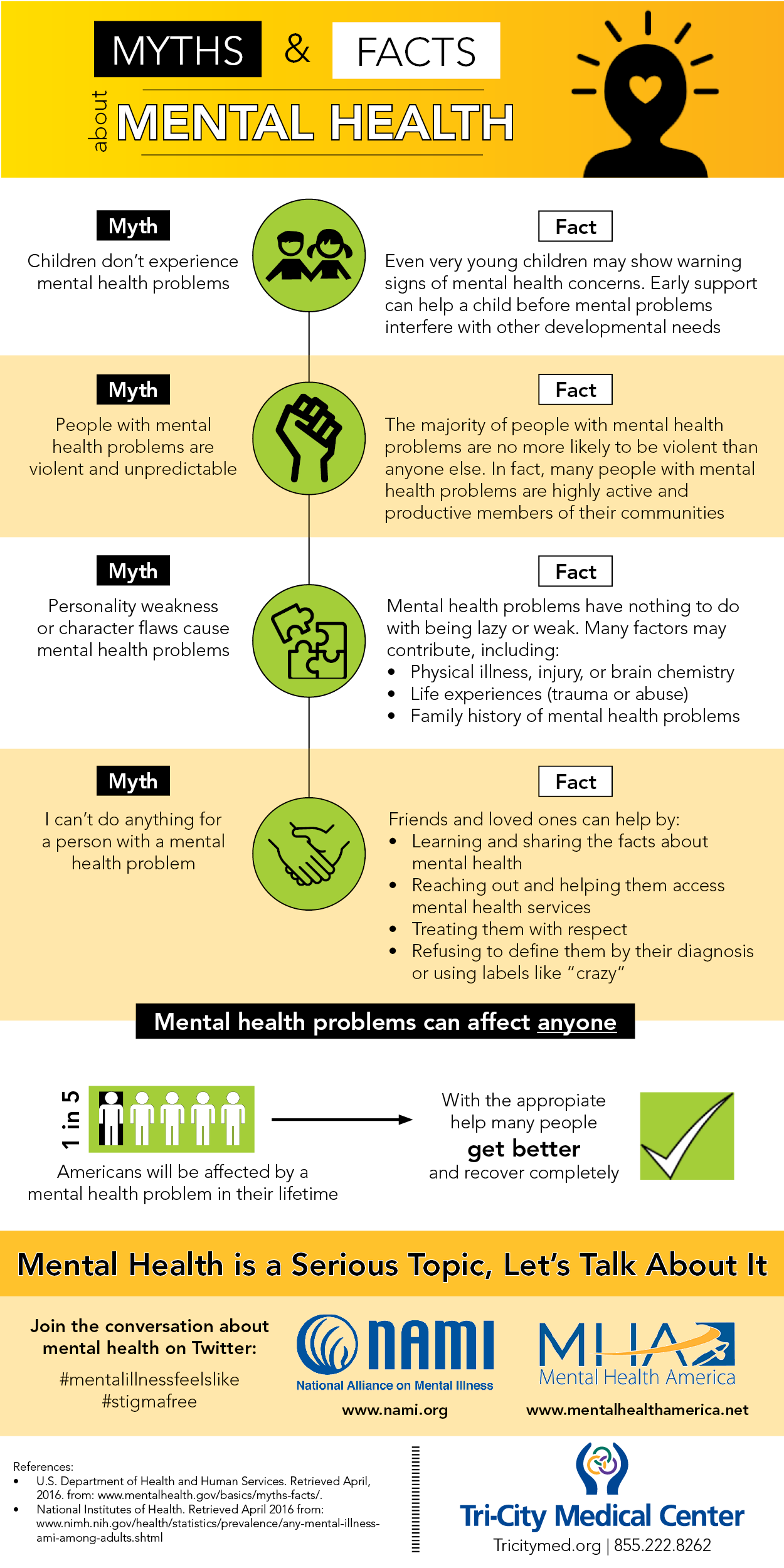
    If you have ever lain awake wondering whether your visual symptoms mean something terrible — brain damage, losing your mind, a life sentence of suffering — please know you are not alone, and please hear this gently: most of the scariest stories about hallucinogen persisting perception disorder are myths, not facts. Misinformation thrives in the gaps where clear answers are missing. In this compassionate, myth-busting guide, we will separate fact from fiction so you can trade fear for understanding — and understanding is genuinely healing.
    Key Points

    • Many fears about the disorder are based on misinformation
    • The condition is not a sign of psychosis or brain damage
    • Awareness of reality remains intact
    • Symptoms are uncomfortable but not dangerous
    • Accurate information reduces anxiety and distress

    Why Misconceptions About Hallucinogen Persisting Perception Disorder Are So Common

    Hallucinogen persisting perception disorder is not widely understood — even among the general public, and sometimes even among healthcare providers. Because the symptoms involve perception, they are often misunderstood or confused with other mental health conditions.

    When clear information is missing, the mind fills the gaps — usually with the worst-case scenario. Correcting these misunderstandings is not just informative; it is a powerful step toward emotional relief and recovery.

    Common Myth: “This Is Permanent Brain Damage”

    One of the most common — and most frightening — fears is that symptoms reflect irreversible brain damage. If this thought has haunted you, you are in good company.

    The Reality

    There is no evidence of structural brain damage in HPPD. Symptoms reflect changes in sensory processing, not injury — think of it as a software glitch, not broken hardware. Many individuals experience improvement over time.

    Understanding this distinction often brings immediate, profound reassurance. Your brain is not broken.

    Common Myth: “This Means I’m Losing Touch With Reality”

    Because symptoms affect perception, some people fear psychosis or losing control. This is an especially distressing worry.

    The Reality

    People with this condition remain fully aware that their visual changes are not real — that insight is preserved, and it is precisely what distinguishes HPPD from psychotic disorders. You know what is real; your brain is just adding some unwanted visual noise.

    Your awareness and reality testing remain intact. That matters.

    Common Myth: “Symptoms Will Only Get Worse”

    Fear of progressive decline can be paralyzing — the dread that every flare-up means you are sliding downhill.

    The Reality

    Symptoms often fluctuate and may gradually lessen over time. Flare-ups do not indicate worsening or permanent deterioration — they are usually temporary responses to stress, fatigue, or stimulation.

    Progress is often non-linear but generally stable or improving. A bad week is not a verdict.

    Common Myth: “Nothing Can Help”

    When symptoms persist, hopelessness can creep in. “What if I am stuck like this forever?”

    The Reality

    While there is no single magic cure, many strategies genuinely help reduce symptom impact: emotional regulation, lifestyle adjustments, therapy, and medical guidance all support improvement.

    Quality of life can improve significantly even if some symptoms remain. People do get better — not always symptom-free, but genuinely, meaningfully better.

    How Fear Amplifies Symptoms

    Here is a crucial piece of the puzzle: fear activates your nervous system, increasing sensory awareness — which can unintentionally intensify visual disturbances. The myth-fear-symptom cycle is real.

    But it works in reverse too: replacing fear with understanding reduces nervous system activation and symptom intensity. Every myth you release loosens fear’s grip.

    Replacing Myths With Supportive Facts

    Accurate information empowers you to respond calmly and confidently instead of spiraling. Knowledge helps break the cycle of fear, monitoring, and distress.

    Education is not just informative — it is therapeutic. The facts are on your side, and they are far kinder than the myths.

    Frequently Asked Questions

    Are symptoms dangerous?
    No — they are uncomfortable but not harmful. Uncomfortable and dangerous are very different things, and your symptoms fall firmly in the first category.

    Does this condition mean I’ll develop another mental illness?
    No — HPPD does not predict future psychiatric conditions. It is a perceptual condition, not a gateway to other disorders.

    Can reassurance really help symptoms?
    Yes — reassurance often reduces the anxiety-driven amplification of symptoms. Calming the fear genuinely calms the visuals.

    Why do myths feel so convincing?
    Fear and uncertainty make worst-case interpretations feel real. When you are scared and searching for answers, the scariest explanation can feel the most true — but feeling true and being true are different.

    Key Takeaways

    Misconceptions about hallucinogen persisting perception disorder often create more distress than the symptoms themselves. By replacing myths with accurate information, you can reduce fear, regain emotional stability, and move forward with confidence. Hold onto the facts: your brain is not damaged, you are not losing touch with reality, symptoms can improve, and help exists. Understanding is one of the most effective tools for healing — and you deserve that healing. A gentle note: this article is for education and support, not medical advice. If fears feel overwhelming, a qualified professional can provide reassurance grounded in expertise.

    anxiety Facts HPPD Misinformation Myths recovery

    Keep Reading

    Depression and Anxiety: The Link

    Can Spravato Help with Anxiety?

    Stress and Anxiety in School Students: Causes & Solutions

    10 Ways to Support Someone with Anxiety That Work

    What Is Mental Health? Definitions, Disorders & Solutions

    Cognitive Behavioral Therapy (CBT) for Adjustment Disorder – How It Can Help You Cope

    Add A Comment

    Comments are closed.

    About Author
    About Author

    I’m Dr. Ghazala Tahir, founder of Mind Healing Ghazala. With over a decade of experience in life management coaching, neuro-linguistic programming (NLP), hypnotherapy, and energy healing,
    Let’s work together to unlock your true potential.

    Latest News

    The Impact of Pepperdine Mental Health Counseling on Students

    August 2, 2024

    How Spring Health is Revolutionizing Mental Health with AI in 2024

    August 1, 2024

    Educator Mental Health Crisis in Scottish Schools Causes 400,000 Days Off

    July 31, 2024

    When Mental Health Is the Big Thing at The Olympic Games

    July 30, 2024
    Categories
    • Alcohol Addiction (2)
    • Anxiety and Stress (33)
      • Coping Strategy (6)
      • Panic Attacks (4)
      • Social Anxiety (4)
      • Stress Management (6)
      • Workplace Anxiety (1)
    • Assessment (14)
    • Conditions (504)
      • Addiction (13)
      • ADHD (22)
      • Adjustment Disorder (58)
      • Alcohol Addiction (53)
      • Alzheimer's Disease (26)
      • Anorexia (10)
      • Antisocial Personality Disorder (10)
      • Anxiety (2)
      • ARFID (10)
      • Autism (10)
      • Avoidant Personality Disorder (10)
      • Binge Drinking (10)
      • Binge Eating (10)
      • Bipolar Disorder (10)
      • Body Dysmorphic Disorder (10)
      • Borderline Personality Disorder (10)
      • Bulimia (10)
      • Caffeine Addiction (15)
      • Cannabis Use Disorder (10)
      • Clinical Psychology (9)
      • Cognitive Behavioral Therapy (10)
      • Conduct Disorder (10)
      • delayed-sleep-phase-syndrome (1)
      • Dementia (10)
      • Depression (11)
      • Depression, Childhood (10)
      • Disruptive Mood Dysregulation Disorder (12)
      • Drug Addiction (10)
      • DSM-5 (10)
      • Eating Disorders (21)
      • Female Sexual Arousal Disorder (18)
      • Gambling Disorder (11)
      • Gender Dysphoria (10)
      • Generalized Anxiety Disorder (10)
      • Grief & Loss (11)
      • Hallucinogen Persisting Perception Disorder (20)
    • Learn How to (1)
    • Meditation (2)
    • Mental Health (12)
      • Children’s Mental Health (2)
      • Men`s Mental Health (1)
      • Women’s Mental Health (3)
      • Workplace Mental Health (3)
    • Mental Health Disorders (5)
      • Bipolar Disorder (1)
      • Borderline Personality Disorder (1)
      • Suicidal Thoughts (3)
    • Mental Health News (5)
      • Olympic Games (1)
      • Science (1)
      • Start-up (1)
      • World (2)
    • Neurological Disorders (3)
      • Migraine (3)
    • Opinion (3)
    • Parenting (36)
      • Divorce (5)
      • Family Health & Wellness (6)
      • Family Stress (6)
      • Mindful Parenting (6)
      • Parent-Child Relationships (7)
      • Single Parents (4)
      • Working Parents (2)
    • Relationship (1)
    • Syndromes (9)
    • Therapies (29)
      • Couples Therapy (3)
      • Family Therapy (5)
      • Find a Therapist (9)
      • Online Therapy (3)
      • Psychiatrists (3)
      • Support Group (3)
    • Uncategorized (10)

    Subscribe to News

    Get the latest sports news from NewsSite about world, sports and politics.

    Recent Posts
    • Back-to-School Anxiety: Helping Your Child Adjust
    • Coping with Bipolar Disorder in the Workplace
    • Living with Bipolar Disorder
    • Grandparents and Parenting: Making It Work in Joint Families
    Advertisement
    Demo
    Facebook X (Twitter) Pinterest Vimeo WhatsApp TikTok Instagram

    Categories

    • Anxiety & Stress
    • Health Disorders
    • Parenting
    • Syndromes
    • Therapies
    • Opinion
    • Medical News Today

    Useful Links

    • Home
    • About Me
    • My Courses
    • Guest Posting (Open)
    • Sponsored Products
    • Index Your Business
    • Contact Me

    Subscribe to Updates

    Get the latest creative news from Mind Healing wirh Ghazala.

    © 2026 Mind Healing Ghazala. Developed by Extreme Lumens.
    • Privacy Policy

    Type above and press Enter to search. Press Esc to cancel.