


Close Menu
Mind Healing Ghazala
    Facebook X (Twitter) Instagram
    Latest Updates
    • Living with Bipolar Disorder
    • Coping with Bipolar Disorder in the Workplace
    • Depression and Anxiety: The Link
    • Navigating DSPS Challenges
    • Adjusting Your Sleep Schedule with DSPS
    • Can Spravato Help with Anxiety?
    • Stress and Anxiety in School Students: Causes & Solutions
    • Root Causes of DSPS: A Guide
    • Mind Management, Not Time Management: Key Principles
    • 10 Ways to Support Someone with Anxiety That Work
    • What Is Mental Health? Definitions, Disorders & Solutions
    • What Is ADHD: Symptoms, Diagnosis, & Treatment Guide
    • Why Childhood ADHD Develops: Causes and Risk Explained 2025
    • ADHD Treatment Options for Children: What Works
    • ADHD in School: Helping Children Succeed in 2025
    • Parenting a Child with ADHD: Daily Strategies Plan
    • Cognitive Behavioral Therapy (CBT) for Adjustment Disorder – How It Can Help You Cope
    • The Role of Family Therapy in Treating Adjustment Disorder – Strengthening Support and Communication
    • Long-Term Physical Effects of Alcohol Addiction
    • Psychological Effects of Alcohol Addiction
    Friday, October 2
    Mind Healing GhazalaMind Healing Ghazala
    Youtube
    • Home
    • Conditions A-Z
    • All Topics
    • Living Well
      • Anxiety and Stress
      • Mental Health
      • Health Disorders
      • Fitness
      • Nutrition
    • Parenting
    • Relationship
    • Therapies
    • Trending
      • Syndromes
      • Health Test
    • Contact
    Mind Healing Ghazala
    Home » 7 Coping Strategies for Anxiety

    7 Coping Strategies for Anxiety

    Dr. Ghazala TahirBy Dr. Ghazala TahirSeptember 21, 2026Updated:October 1, 2026 Coping Strategy 2 Comments5 Mins Read
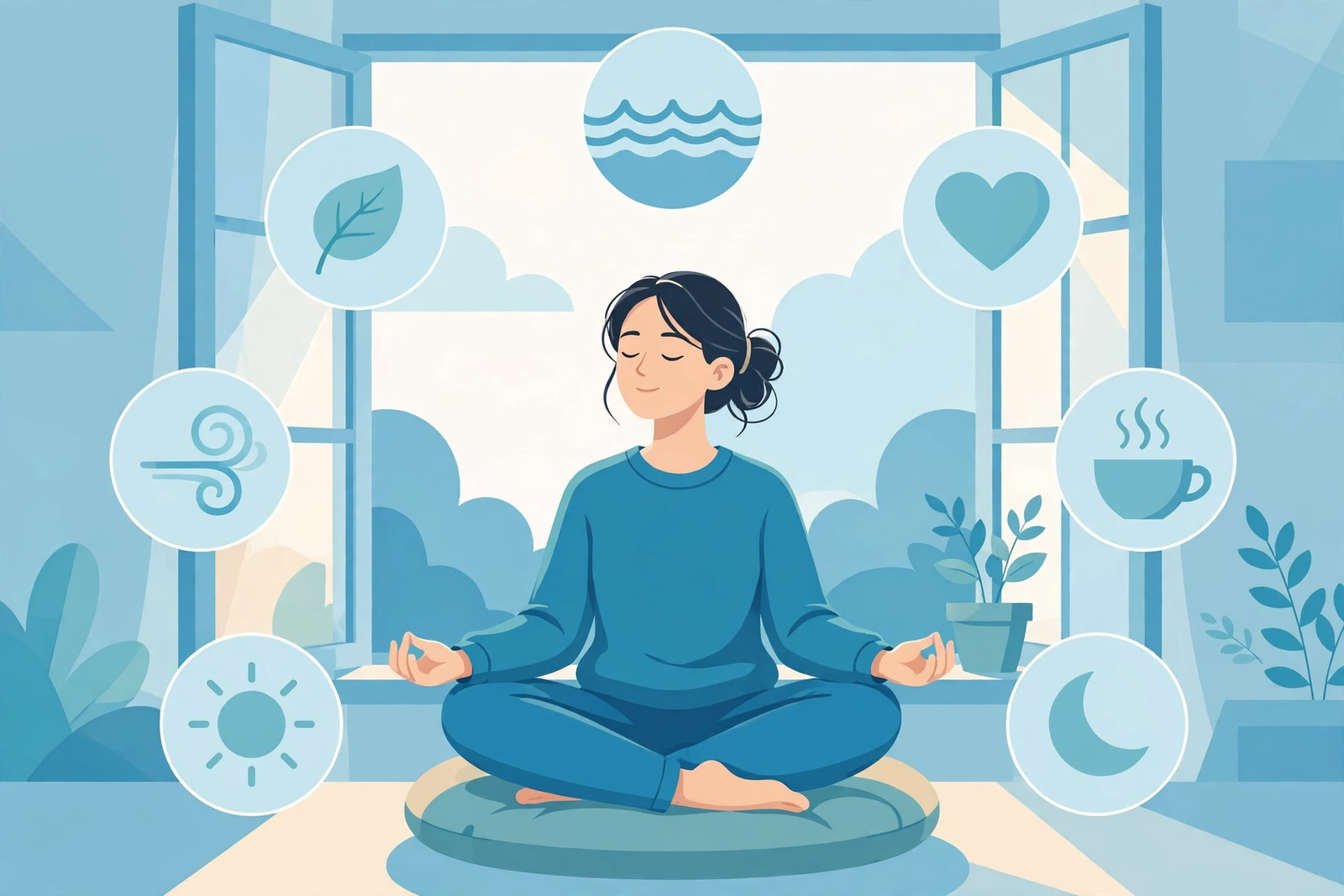
    7 Coping Strategies for Anxiety
    Share
    Facebook Twitter LinkedIn Pinterest Email

    Key Points

    • Coping strategies for anxiety help reduce symptoms and promote relaxation.
    • Techniques like deep breathing, positive self-talk, and exercise can help manage anxiety.
    • Regular use of coping strategies enhances emotional resilience and mental clarity.
    • Incorporating these strategies into your routine can help you feel more in control and at peace.

    7 Coping Strategies for Anxiety to Manage Stress Effectively in 2026

    Anxiety is a common mental health challenge, but the good news is that there are several effective coping strategies to manage its symptoms. Whether it’s triggered by work stress, personal issues, or daily challenges, learning how to cope with anxiety is essential for maintaining your mental well-being. In this article, we’ll explore 7 proven coping strategies for anxiety that can help you reduce stress and regain a sense of control.

    1. Practice Deep Breathing Exercises

    One of the simplest yet most powerful ways to manage anxiety is through deep breathing exercises. Slow, deep breaths can help calm your nervous system and promote relaxation.
    By focusing on your breath, you activate the body’s parasympathetic nervous system, reducing the physical symptoms of anxiety such as a racing heart and shallow breathing.

    How to Practice:

    • Sit comfortably with your back straight.
    • Take a deep breath in through your nose, counting to 4.
    • Hold your breath for 4 seconds, then exhale slowly through your mouth for a count of 6.
    • Repeat for 5-10 minutes, focusing on the sensation of your breath.

    2. Use Positive Self-Talk

    When anxiety strikes, negative thoughts can often make the situation feel worse. Positive self-talk is a cognitive technique that involves challenging negative thoughts and replacing them with more rational and constructive ones.
    By practicing positive self-talk, you can shift your mindset and reduce anxiety.

    How to Practice:

    • When you notice negative thoughts, pause and challenge them.
    • Ask yourself: “Is this thought accurate?” “What evidence do I have to support this belief?”
    • Replace the negative thought with a positive affirmation, such as “I can handle this” or “I am calm and in control.”

    3. Engage in Physical Exercise

    Physical exercise is one of the most effective ways to reduce anxiety and boost mood. Exercise releases endorphins, the body’s natural mood enhancers, which help combat anxiety and stress.
    Regular physical activity not only improves mental health but also helps you manage anxiety over time.

    How to Practice:

    • Aim for at least 30 minutes of moderate exercise, such as walking, jogging, yoga, or swimming, 3-4 times per week.
    • Choose activities that you enjoy, as this will help you stay consistent and motivated.

    4. Limit Caffeine and Alcohol Intake

    Caffeine and alcohol can exacerbate anxiety symptoms by increasing heart rate and triggering feelings of restlessness. Reducing your intake of caffeine and alcohol can help calm your nervous system and reduce anxiety.
    Pay attention to how your body reacts to these substances, and try to limit or eliminate them if they worsen your anxiety.

    How to Practice:

    • Limit or avoid caffeinated beverages like coffee, energy drinks, and soda.
    • Be mindful of alcohol consumption, as it can have a temporary calming effect but may increase anxiety over time.

    5. Practice Grounding Techniques

    Grounding techniques are strategies that help bring your focus back to the present moment, reducing feelings of anxiety or panic.
    These techniques can help distract your mind from anxious thoughts and connect you to your surroundings.

    How to Practice:

    • Use the 5-4-3-2-1 technique:
      • 5 things you can see around you.
      • 4 things you can touch.
      • 3 things you can hear.
      • 2 things you can smell.
      • 1 thing you can taste.
    • This exercise helps shift your attention away from anxiety and back to the present moment.

    6. Set Realistic Goals

    When feeling anxious, the thought of tackling big tasks can seem overwhelming. Setting small, achievable goals can help reduce feelings of stress and provide a sense of accomplishment.
    Breaking tasks into smaller, manageable steps allows you to focus on the present and reduces anxiety about future outcomes.

    How to Practice:

    • Break large tasks into smaller steps.
    • Focus on completing one small task at a time, rather than worrying about the entire project.
    • Celebrate each accomplishment to build confidence and reduce anxiety.

    7. Reach Out for Support

    Talking to someone you trust can help alleviate feelings of anxiety. Sharing your thoughts and feelings with a friend, family member, or therapist provides emotional support and helps you process your feelings.
    You don’t have to face anxiety alone; reaching out for support can provide comfort and perspective.

    How to Practice:

    • Reach out to a close friend, family member, or therapist when you’re feeling anxious.
    • Be open about how you’re feeling and allow yourself to be heard.
    • Seek professional help if anxiety persists or becomes overwhelming.

    Key Takeaways

    Anxiety can be challenging to manage, but with the right coping strategies, you can reduce its impact and lead a more balanced life. In 2026, incorporating techniques like deep breathing, positive self-talk, and regular physical exercise into your daily routine can help you manage anxiety more effectively.


    By using grounding techniques, setting realistic goals, limiting caffeine and alcohol, and reaching out for support, you can build emotional resilience and improve your mental well-being. With

    consistent practice, these strategies will help you regain control and find calmness in stressful

    situations. Note: This article is for informational purposes only and is not a substitute for professional medical advice, diagnosis, or treatment.

    anxiety Coping Strategies coping strategies for anxiety Mental Health Stress Management

    Keep Reading

    Living with Bipolar Disorder

    Coping with Bipolar Disorder in the Workplace

    Depression and Anxiety: The Link

    Navigating DSPS Challenges

    Can Spravato Help with Anxiety?

    Stress and Anxiety in School Students: Causes & Solutions

    View 2 Comments

    2 Comments

    1. idnike88 on October 1, 2026 11:02 pm

      Everything from registration to withdrawal was a breeze. No unnecessary hassles, just a clean experience. idnike88 really knows how to treat their users.

      Reply
    2. gamespklogin on October 2, 2026 12:57 am

      Everything about this site feels professional and secure. I feel safe depositing my funds here. I totally trust gamespklogin.

      Reply
    Leave A Reply Cancel Reply

    About Author
    About Author

    I’m Dr. Ghazala Tahir, founder of Mind Healing Ghazala. With over a decade of experience in life management coaching, neuro-linguistic programming (NLP), hypnotherapy, and energy healing,
    Let’s work together to unlock your true potential.

    Latest News

    The Impact of Pepperdine Mental Health Counseling on Students

    August 2, 2024

    How Spring Health is Revolutionizing Mental Health with AI in 2024

    August 1, 2024

    Educator Mental Health Crisis in Scottish Schools Causes 400,000 Days Off

    July 31, 2024

    When Mental Health Is the Big Thing at The Olympic Games

    July 30, 2024
    Categories
    • Alcohol Addiction (2)
    • Anxiety and Stress (33)
      • Coping Strategy (6)
      • Panic Attacks (4)
      • Social Anxiety (4)
      • Stress Management (6)
      • Workplace Anxiety (1)
    • Assessment (14)
    • Conditions (499)
      • Addiction (13)
      • ADHD (22)
      • Adjustment Disorder (58)
      • Alcohol Addiction (53)
      • Alzheimer's Disease (26)
      • Anorexia (10)
      • Antisocial Personality Disorder (10)
      • Anxiety (2)
      • ARFID (10)
      • Autism (10)
      • Avoidant Personality Disorder (10)
      • Binge Drinking (10)
      • Binge Eating (10)
      • Bipolar Disorder (10)
      • Body Dysmorphic Disorder (10)
      • Borderline Personality Disorder (7)
      • Bulimia (7)
      • Caffeine Addiction (11)
      • Cannabis Use Disorder (9)
      • Clinical Psychology (8)
      • Cognitive Behavioral Therapy (10)
      • Conduct Disorder (10)
      • Delayed Sleep Phase Syndrome (9)
      • delayed-sleep-phase-syndrome (1)
      • Dementia (10)
      • Depression (11)
      • Depression, Childhood (10)
      • Disruptive Mood Dysregulation Disorder (12)
      • Drug Addiction (10)
      • DSM-5 (10)
      • Eating Disorders (21)
      • Female Sexual Arousal Disorder (18)
      • Gambling Disorder (11)
      • Gender Dysphoria (10)
      • Generalized Anxiety Disorder (10)
      • Grief & Loss (10)
      • Hallucinogen Persisting Perception Disorder (19)
    • Learn How to (1)
    • Meditation (2)
    • Mental Health (6)
      • Children’s Mental Health (2)
      • Men`s Mental Health (1)
    • Mental Health Disorders (2)
      • Bipolar Disorder (1)
      • Borderline Personality Disorder (1)
    • Mental Health News (5)
      • Olympic Games (1)
      • Science (1)
      • Start-up (1)
      • World (2)
    • Opinion (3)
    • Parenting (1)
      • Mindful Parenting (1)
    • Relationship (1)
    • Uncategorized (10)

    Subscribe to News

    Get the latest sports news from NewsSite about world, sports and politics.

    Recent Posts
    • Coping with Bipolar Disorder in the Workplace
    • Living with Bipolar Disorder
    • Depression and Anxiety: The Link
    • Navigating DSPS Challenges
    Advertisement
    Demo
    Facebook X (Twitter) Pinterest Vimeo WhatsApp TikTok Instagram

    Categories

    • Anxiety & Stress
    • Health Disorders
    • Parenting
    • Syndromes
    • Therapies
    • Opinion
    • Medical News Today

    Useful Links

    • Home
    • About Me
    • My Courses
    • Guest Posting (Open)
    • Sponsored Products
    • Index Your Business
    • Contact Me

    Subscribe to Updates

    Get the latest creative news from Mind Healing wirh Ghazala.

    © 2026 Mind Healing Ghazala. Developed by Extreme Lumens.
    • Privacy Policy

    Type above and press Enter to search. Press Esc to cancel.