


Close Menu
Mind Healing Ghazala
    Facebook X (Twitter) Instagram
    Latest Updates
    • Living with Bipolar Disorder
    • Coping with Bipolar Disorder in the Workplace
    • Depression and Anxiety: The Link
    • Navigating DSPS Challenges
    • Adjusting Your Sleep Schedule with DSPS
    • Can Spravato Help with Anxiety?
    • Stress and Anxiety in School Students: Causes & Solutions
    • Root Causes of DSPS: A Guide
    • Mind Management, Not Time Management: Key Principles
    • 10 Ways to Support Someone with Anxiety That Work
    • What Is Mental Health? Definitions, Disorders & Solutions
    • What Is ADHD: Symptoms, Diagnosis, & Treatment Guide
    • Why Childhood ADHD Develops: Causes and Risk Explained 2025
    • ADHD Treatment Options for Children: What Works
    • ADHD in School: Helping Children Succeed in 2025
    • Parenting a Child with ADHD: Daily Strategies Plan
    • Cognitive Behavioral Therapy (CBT) for Adjustment Disorder – How It Can Help You Cope
    • The Role of Family Therapy in Treating Adjustment Disorder – Strengthening Support and Communication
    • Long-Term Physical Effects of Alcohol Addiction
    • Psychological Effects of Alcohol Addiction
    Friday, October 2
    Mind Healing GhazalaMind Healing Ghazala
    Youtube
    • Home
    • Conditions A-Z
    • All Topics
    • Living Well
      • Anxiety and Stress
      • Mental Health
      • Health Disorders
      • Fitness
      • Nutrition
    • Parenting
    • Relationship
    • Therapies
    • Trending
      • Syndromes
      • Health Test
    • Contact
    Mind Healing Ghazala
    Home » 10 Ways to Support Someone with Anxiety That Work

    10 Ways to Support Someone with Anxiety That Work

    Mind Healing with GhazalaBy Mind Healing with GhazalaSeptember 25, 2026Updated:October 2, 2026 Uncategorized No Comments5 Mins Read
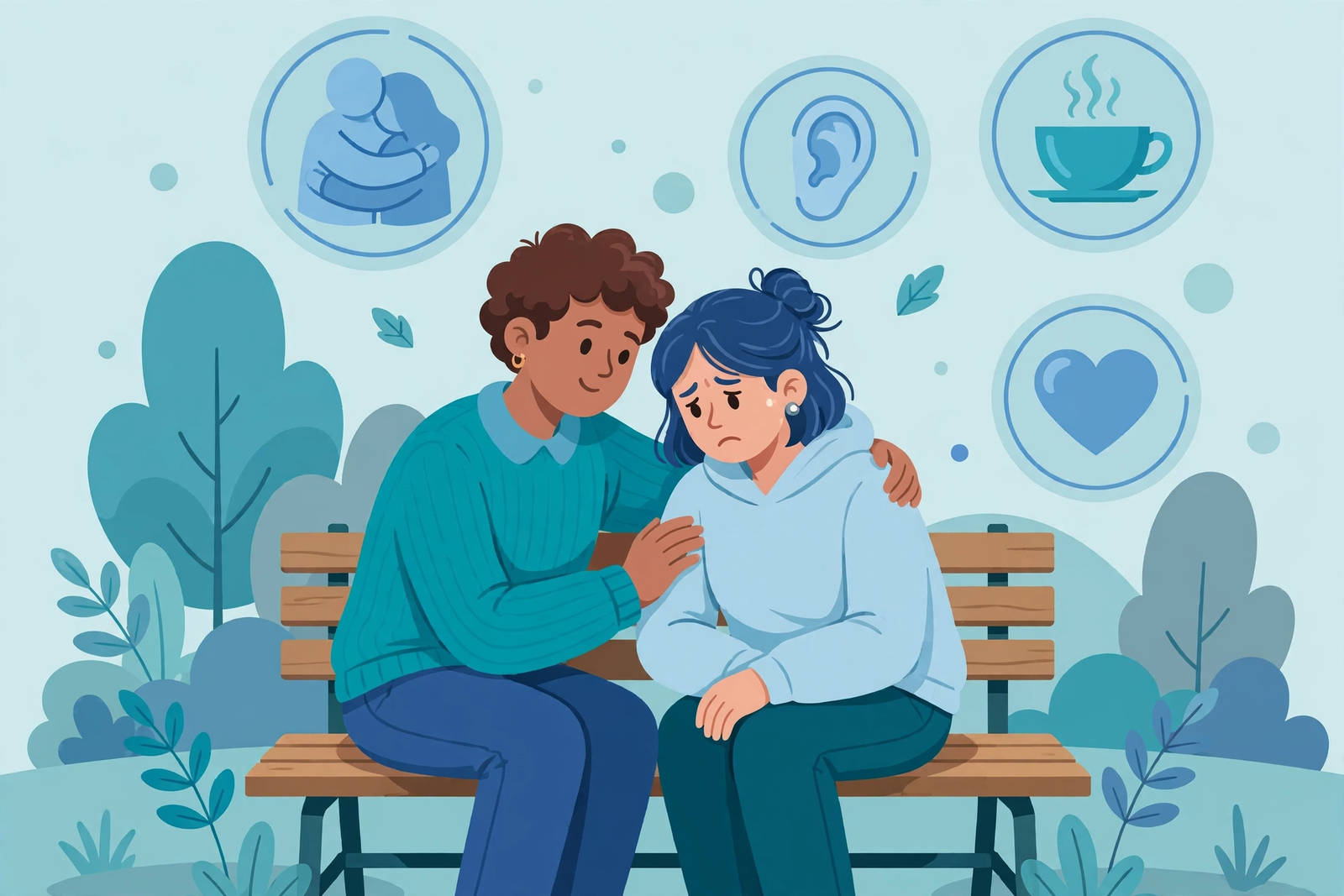
    10 Ways to Support Someone with Anxiety That Work
    Share
    Facebook Twitter LinkedIn Pinterest Email

    Supporting someone with anxiety can be challenging, but your care and understanding can make a significant difference in their well-being. Anxiety can manifest in many ways, from feeling overwhelmed to experiencing panic attacks. Whether it’s a close friend, family member, or partner, offering the right help can provide much-needed relief.

    In this guide, we will explore 10 practical ways to help someone with anxiety, focusing on how to be supportive, provide comfort, and encourage them to take positive steps toward managing their anxiety.

    Understanding Anxiety

    Anxiety is a natural stress response, but when it becomes persistent, it can affect every aspect of a person’s life. Common symptoms of anxiety include:

    • Restlessness
    • Irritability
    • Difficulty concentrating
    • Physical symptoms such as headaches, sweating, or rapid heart rate

    Anxiety disorders, such as generalized anxiety disorder (GAD), social anxiety disorder, and panic disorder, often require professional treatment. Still, there are many ways you can help support someone struggling with anxiety.

    10 Ways to Support Someone with Anxiety

    1. Listen Without Judgment

    Sometimes, the most valuable thing you can do is listen. People with anxiety often feel overwhelmed and misunderstood, so giving them a space to talk about their feelings without judgment can be a huge relief. You don’t need to have all the answers; being present and acknowledging their emotions can be enough.

    2. Offer Reassurance, But Avoid Dismissal

    It’s important to reassure someone that their feelings are valid. Avoid statements like “Just relax” or “Don’t worry.” While meant to be helpful, these phrases can feel dismissive. Instead, say, “I’m here for you” or “I understand this is tough for you right now.”

    3. Encourage Professional Help

    Anxiety, especially when it becomes overwhelming, can benefit from professional treatment like Cognitive Behavioral Therapy (CBT) or medication. Gently encourage your loved one to seek help from a mental health professional if their anxiety interferes with daily life.

    4. Help Them Practice Relaxation Techniques

    Relaxation techniques like deep breathing, progressive muscle relaxation, or mindfulness meditation can help reduce anxiety at the moment. Offering to practice these techniques together can provide comfort and show that you’re actively engaged in helping them manage their symptoms.

    5. Respect Their Boundaries

    Someone with anxiety may have specific triggers or situations that make them feel uncomfortable. Respect these boundaries, and don’t pressure them to do something that causes additional stress. Instead, work together to find ways to gently push past some of these boundaries at their own pace.

    6. Be Patient

    Anxiety doesn’t have a quick fix, and sometimes it takes a while for someone to feel better. It’s crucial to be patient with their progress and avoid expressing frustration if their anxiety persists. Offering ongoing support, even in small ways, can be incredibly helpful and shows your understanding and tolerance.

    7. Offer Practical Help

    Sometimes, anxiety can make daily tasks feel overwhelming. Offering practical help—like running errands, cooking a meal, or helping with household chores—can relieve some of their pressure. Small acts of kindness go a long way in showing that you’re there for them.

    8. Be Mindful of Triggers

    Learn what triggers the person’s anxiety and try to avoid those situations if possible. For instance, if their anxiety is triggered by crowds, suggesting a quiet, peaceful outing instead of a crowded event can make a huge difference. Helping them avoid stressors shows your empathy and understanding, and it’s a way to show that you care.

    9. Help Them Stay Active

    Exercise is a proven way to reduce anxiety. Offer to go for a walk or engage in physical activity together, as this can help them release endorphins and reduce stress. Gentle activities like yoga or even stretching together can also provide relief.

    10. Be Their Support Syste

    Above all, let them know they aren’t alone. Being a steady support system they can rely on, whether it’s for a conversation, a walk, or just sitting with them in silence, is invaluable. Knowing they have someone they can lean on can make anxiety feel less overwhelming, and it’s a way to show that you’re essential and integral in their journey.

    What Not to Do

    While your intentions may be good, some actions can inadvertently make anxiety worse. Here are a few things to avoid:

    • Don’t minimize their feelings: Saying things like “It’s all in your head” or “Just snap out of it” is dismissive and unhelpful.
    • Don’t take it personally: If the person withdraws or becomes irritable, it’s important to remember that anxiety can affect behaviour. Try not to take these moments to heart.
    • Avoid offering unsolicited advice: Instead of telling them what they should do, ask how you can help and listen to what they need.

    Takeaway

    Helping someone with anxiety is about offering a supportive, non-judgmental space for them to feel understood. Whether through listening, helping them practice relaxation techniques, or encouraging them to seek professional help, your role is invaluable in their journey to manage anxiety. Remember, patience, empathy, and kindness go a long way.

    FAQ

    How can I help a loved one having a panic attack?

    Remain calm, speak gently, and guide them through deep breathing. Avoid overwhelming them with questions.

    Should I push someone with anxiety to face their fears?

    Encouragement is good, but pushing too hard may backfire. Support gradual exposure if they’re ready.

    Is professional therapy always necessary for anxiety?

    While not always, therapy like CBT is often effective and recommended for long-term management.

    What phrases should I avoid saying to someone with anxiety?

    Avoid “Just calm down” or “You’re overreacting.” These are dismissive and minimize their feelings.

    Can physical activity help someone manage anxiety?

    Yes, regular movement releases feel-good chemicals and helps reduce tension. Even a walk helps.

    What if I’m feeling overwhelmed too?

    Support others, but prioritize your own well-being. Consider seeking guidance or talking to a therapist.

    anxiety Coping Strategies Mental Health relationships support

    Keep Reading

    Living with Bipolar Disorder

    Coping with Bipolar Disorder in the Workplace

    Depression and Anxiety: The Link

    Navigating DSPS Challenges

    Can Spravato Help with Anxiety?

    Stress and Anxiety in School Students: Causes & Solutions

    Add A Comment
    Leave A Reply Cancel Reply

    About Author
    About Author

    I’m Dr. Ghazala Tahir, founder of Mind Healing Ghazala. With over a decade of experience in life management coaching, neuro-linguistic programming (NLP), hypnotherapy, and energy healing,
    Let’s work together to unlock your true potential.

    Latest News

    The Impact of Pepperdine Mental Health Counseling on Students

    August 2, 2024

    How Spring Health is Revolutionizing Mental Health with AI in 2024

    August 1, 2024

    Educator Mental Health Crisis in Scottish Schools Causes 400,000 Days Off

    July 31, 2024

    When Mental Health Is the Big Thing at The Olympic Games

    July 30, 2024
    Categories
    • Alcohol Addiction (2)
    • Anxiety and Stress (33)
      • Coping Strategy (6)
      • Panic Attacks (4)
      • Social Anxiety (4)
      • Stress Management (6)
      • Workplace Anxiety (1)
    • Assessment (14)
    • Conditions (468)
      • Addiction (13)
      • ADHD (22)
      • Adjustment Disorder (58)
      • Alcohol Addiction (53)
      • Alzheimer's Disease (26)
      • Anorexia (10)
      • Antisocial Personality Disorder (10)
      • Anxiety (2)
      • ARFID (10)
      • Autism (10)
      • Avoidant Personality Disorder (10)
      • Binge Drinking (10)
      • Binge Eating (10)
      • Bipolar Disorder (10)
      • Body Dysmorphic Disorder (10)
      • Borderline Personality Disorder (7)
      • Bulimia (1)
      • Clinical Psychology (3)
      • Cognitive Behavioral Therapy (10)
      • Conduct Disorder (10)
      • Delayed Sleep Phase Syndrome (9)
      • delayed-sleep-phase-syndrome (1)
      • Dementia (10)
      • Depression (11)
      • Depression, Childhood (10)
      • Disruptive Mood Dysregulation Disorder (12)
      • Drug Addiction (10)
      • DSM-5 (10)
      • Eating Disorders (21)
      • Female Sexual Arousal Disorder (18)
      • Gambling Disorder (11)
      • Gender Dysphoria (10)
      • Generalized Anxiety Disorder (10)
      • Grief & Loss (10)
      • Hallucinogen Persisting Perception Disorder (19)
    • Learn How to (1)
    • Meditation (2)
    • Mental Health (6)
      • Children’s Mental Health (2)
      • Men`s Mental Health (1)
    • Mental Health Disorders (2)
      • Bipolar Disorder (1)
      • Borderline Personality Disorder (1)
    • Mental Health News (5)
      • Olympic Games (1)
      • Science (1)
      • Start-up (1)
      • World (2)
    • Opinion (3)
    • Parenting (1)
      • Mindful Parenting (1)
    • Relationship (1)
    • Uncategorized (9)

    Subscribe to News

    Get the latest sports news from NewsSite about world, sports and politics.

    Recent Posts
    • Coping with Bipolar Disorder in the Workplace
    • Living with Bipolar Disorder
    • Depression and Anxiety: The Link
    • Navigating DSPS Challenges
    Advertisement
    Demo
    Facebook X (Twitter) Pinterest Vimeo WhatsApp TikTok Instagram

    Categories

    • Anxiety & Stress
    • Health Disorders
    • Parenting
    • Syndromes
    • Therapies
    • Opinion
    • Medical News Today

    Useful Links

    • Home
    • About Me
    • My Courses
    • Guest Posting (Open)
    • Sponsored Products
    • Index Your Business
    • Contact Me

    Subscribe to Updates

    Get the latest creative news from Mind Healing wirh Ghazala.

    © 2026 Mind Healing Ghazala. Developed by Extreme Lumens.
    • Privacy Policy

    Type above and press Enter to search. Press Esc to cancel.