



Parenting a child with ADHD is a journey that can feel exhausting, confusing, and sometimes isolating.
The behaviors you see, constant movement, emotional outbursts, forgetfulness, or impulsive decisions, are not the result of poor parenting.
They are part of how your child’s brain is wired. This knowledge changes the game. Once you understand ADHD, you can shift from frustration to building systems that help your child thrive.
Many parents say they feel like they are always reminding, correcting, or calming their child. Simple tasks like brushing teeth, packing a school bag, or finishing homework often become daily battles.
It’s not because your child doesn’t care. It’s because ADHD makes planning, focus, and self-regulation harder than it is for other kids.
The good news?
With patience, structure, and the right strategies, parenting a child with ADHD can become less about conflict and more about growth.
You can create a home that reduces stress, strengthens connection, and supports your child’s strengths instead of focusing only on struggles.
What Makes Parenting a Child with ADHD Different?
Children with ADHD struggle with executive functions—the mental skills that manage focus, emotions, and self-control. This makes everyday parenting tasks more intense.
Things that seem simple for other kids, like brushing teeth or finishing homework, can take extra energy and structure for a child with ADHD.
Understanding this difference helps parents shift from frustration to problem-solving.
Building Daily Routines That Work
Structure is one of the most powerful parenting tools for ADHD. Children thrive when they know what to expect.
Morning Routines
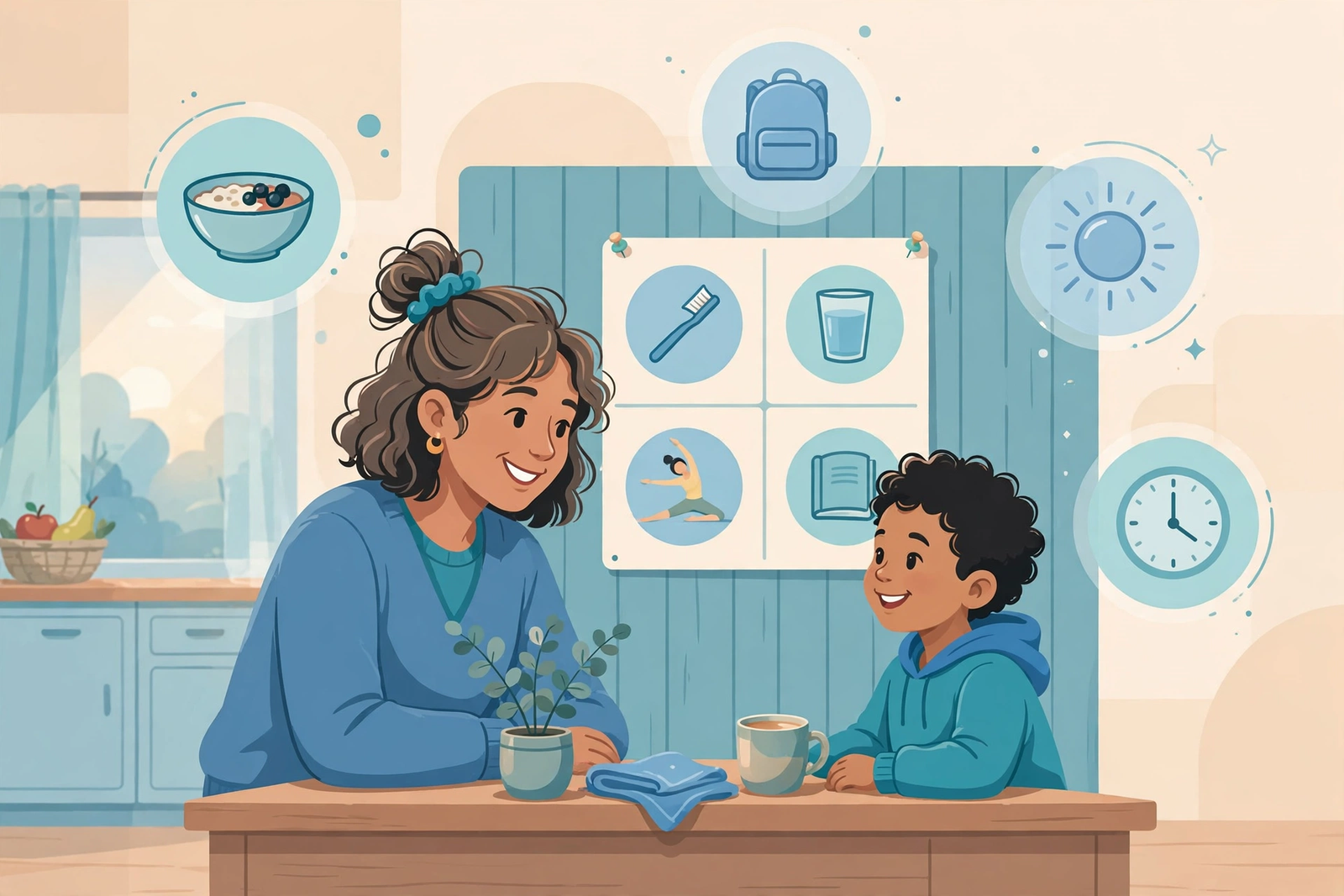
- Use visual schedules with pictures or charts
- Break down tasks into single steps (get dressed, brush teeth, eat breakfast)
- Set timers or alarms for transitions
After-School Routines
- Give a short movement break before homework
- Create a homework station with needed supplies
- Use checklists to track assignments
Evening Routines
- Start bedtime at the same time each night
- Limit screens an hour before bed
- Use calming rituals like reading or soft music
Effective Discipline for ADHD Kids
Discipline does not mean punishment. It means teaching your child how to make better choices.
Use Clear Expectations
- State rules in simple, direct language
- Post house rules where kids can see them
Consistent Consequences
- Respond the same way every time
- Keep consequences short and immediate
- Avoid harsh punishments that create shame
Positive Reinforcement
- Praise specific behaviors (“Great job putting your shoes away”)
- Use small rewards for big challenges
- Encourage effort, not just outcomes
Managing Emotional Ups and Downs
Children with ADHD often feel emotions more strongly. Meltdowns and mood swings can overwhelm both parent and child.
Stay Calm Yourself
- Take a breath before responding
- Lower your voice instead of raising it
Validate Feelings
- Say “I see you’re upset” before offering solutions
- Help your child name their emotions
Teach Coping Tools
- Deep breathing or counting to ten
- A calming corner or space to cool down
- Simple mindfulness practices
Strengthening Parent-Child Connection
ADHD can strain relationships, but connection is the foundation of good parenting.
Special One-on-One Time
- Spend at least 10–15 minutes daily focused only on your child
- Let them choose the activity
Positive Communication
- Use eye contact and a calm tone
- Keep instructions short
Build on Strengths
- Notice and celebrate unique talents
- Give responsibilities that highlight their abilities
Supporting Siblings in the Family
Siblings may feel left out or resentful when attention is focused on the child with ADHD.
Balance Attention
- Spend individual time with each child
- Acknowledge their feelings openly
Encourage Teamwork
- Frame family tasks as joint efforts
- Praise cooperation between siblings
Managing Stress as a Parent
Parenting a child with ADHD can take a toll on parents’ emotional health. Taking care of yourself is part of taking care of your child.
- Join support groups for ADHD parents
- Use relaxation practices like yoga, meditation, or walking
- Ask for help from friends, family, or professionals
Common Questions About Parenting a Child with ADHD
1. Is ADHD caused by bad parenting?
No. ADHD is a brain-based condition, not a reflection of parenting skills.
2. How can I discipline without yelling?
Use calm, consistent rules and rely more on rewards than punishments.
3. What if my child refuses to follow routines?
Stay consistent. Use visual aids and break tasks into smaller steps.
4. Can my child learn to manage emotions?
Yes. With practice and support, many kids improve emotional regulation.
5. How can I reduce sibling rivalry?
Give equal attention, encourage teamwork, and validate all children’s feelings.
6. Do I need to use medication if I parent well?
Parenting strategies help a lot, but medication may still be recommended if symptoms are severe.
7. How do I avoid burnout?
Take regular breaks, lean on support networks, and practice self-care.
8. Will my child always struggle?
Not necessarily. With structure and support, many children learn coping skills that carry into adulthood.
Expert Insight: Dr. Ghazala Tahir
Parenting a child with ADHD requires patience, structure, and compassion. I often remind parents that ADHD doesn’t define your child—it’s one part of who they are.
Focus on building routines that make life easier, not perfect. Small steps like using checklists, offering praise, and keeping calm during meltdowns can completely change your family dynamic.
You don’t have to do this alone. Every parent learns by trial and error, and every child responds differently. What matters most is consistency and love.
Conclusion: Parenting With Patience and Hope
Parenting a child with ADHD is not easy, but it’s absolutely possible to create a calmer, more supportive home. By using routines, discipline strategies, and emotional tools, you can help your child manage their challenges and celebrate their strengths.
