


Key Points
- Adolescents are particularly vulnerable to adjustment disorder due to the rapid emotional and social changes they experience during this period.
- Major life transitions, such as moving, school changes, or family disruptions, are common triggers for adjustment disorder in teenagers.
- Symptoms of adjustment disorder in adolescents may include mood swings, withdrawal, and academic difficulties.
- Early intervention through therapy, family support, and stress management techniques can help teenagers cope with adjustment disorder and improve emotional well-being.
The teenage years bring so many changes — physically, emotionally, and socially — that it’s no wonder adolescents sometimes feel overwhelmed. When a major life event like family conflict, a school change, or intense peer pressure hits, adjustment disorder in adolescents can emerge, affecting their mental health, relationships, and school performance.
In this article, we’ll explore how adjustment disorder in adolescents shows up, what triggers it, how it impacts their emotional growth, and compassionate strategies for managing and treating it in teenagers.
Why Adolescents Are Vulnerable to Adjustment Disorder
Adolescence is a time of intense change, both physically and emotionally. Teenagers are navigating the transition from childhood to adulthood, which includes developing a sense of identity, forming deeper social connections, and managing increasing academic and extracurricular pressures. These changes can make adolescents particularly vulnerable to emotional distress, especially when faced with stressful life events.
Key Stressors for Adolescents That Trigger Adjustment Disorder
There are numerous life changes and stressors that may trigger adjustment disorder in adolescents. These events may cause emotional distress that makes it difficult for them to cope, leading to symptoms of the disorder.
- Parental Divorce or Separation: The breakdown of family relationships is one of the most common triggers for adjustment disorder in teenagers. Divorce or separation can create feelings of insecurity, sadness, and anxiety about the future.
- Moving or Changing Schools: Relocating to a new city or switching schools can disrupt an adolescent’s social connections and sense of stability, leading to stress and adjustment difficulties.
- Academic Pressure: Increasing academic responsibilities and the pressure to succeed can cause anxiety and stress in adolescents. Struggling to meet expectations can contribute to feelings of inadequacy and emotional distress.
- Bullying or Social Exclusion: Teenagers who experience bullying or social isolation may develop adjustment disorder due to the emotional toll of being excluded from peer groups or being bullied at school.
- Death of a Loved One: The loss of a family member, close friend, or pet can lead to profound grief and emotional distress, triggering symptoms of adjustment disorder in teenagers.
- Health Issues or Injury: Serious health problems or an injury, either to the teenager or a loved one, can create anxiety and a sense of uncertainty, making it difficult for the teenager to adjust to these new circumstances.
Common Symptoms of Adjustment Disorder in Adolescents
Adolescents with adjustment disorder often exhibit symptoms that reflect their emotional distress. However, these symptoms can vary from one teenager to another and may not always be easy to identify. Below are some of the most common signs of adjustment disorder in adolescents:
Emotional Symptoms:
- Sadness or Depression: Teenagers may express feelings of sadness, hopelessness, or emotional pain. They may withdraw from activities they once enjoyed and show a lack of interest in socializing.
- Anxiety or Worry: Adolescents may worry excessively about their future, social relationships, or academic success. This anxiety can cause restlessness, irritability, and difficulty concentrating.
- Mood Swings or Irritability: The emotional turmoil caused by adjustment disorder can lead to sudden changes in mood, making the adolescent feel angry, frustrated, or overwhelmed for no apparent reason.
- Feeling Overwhelmed: Teenagers may express feeling “stuck” or unable to handle the stress they’re experiencing, leading to emotional outbursts or self-doubt.
Behavioral Symptoms:
- Social Withdrawal: Adolescents with adjustment disorder may isolate themselves from family, friends, and social activities due to feelings of emotional distress or a lack of motivation.
- Decline in Academic Performance: The emotional toll of adjustment disorder can make it difficult for teenagers to focus on their studies. They may experience a drop in grades or a lack of interest in school-related tasks.
- Increased Conflict with Family: Teenagers may engage in arguments or disagreements with family members, especially when they are unable to express their emotional struggles or needs.
- Risky Behavior or Substance Use: Some adolescents may turn to risky behaviors or experiment with substances (e.g., alcohol, drugs) as a way to cope with emotional pain and stress.
Physical Symptoms:
- Sleep Problems: Adolescents may experience difficulty sleeping, either due to anxiety or sadness, or may oversleep to escape from their emotional distress.
- Physical Complaints: Stress and emotional distress can manifest in physical symptoms such as stomachaches, headaches, or fatigue. These complaints may not have a medical cause but are related to the emotional strain caused by adjustment disorder.
The Impact of Adjustment Disorder on Adolescents
Adjustment disorder can have a significant impact on adolescents’ daily functioning, emotional well-being, and relationships. The stress and emotional turmoil caused by this condition can affect their ability to:
- Perform well academically: As noted above, concentration and focus can be severely affected, which can lead to poor academic performance and feelings of inadequacy.
- Maintain healthy relationships: Adolescents may withdraw from friends and family, making it difficult to maintain social connections and emotional support.
- Engage in extracurricular activities: Hobbies, sports, and other activities that once brought joy may no longer seem appealing or possible, leading to further emotional isolation.
- Develop emotional resilience: Without proper intervention, the adolescent may struggle to develop healthy coping mechanisms, which can lead to long-term emotional difficulties, including anxiety, depression, and substance use.
Coping Strategies for Managing Adjustment Disorder in Adolescents
Helping adolescents cope with adjustment disorder involves addressing both the emotional and behavioral symptoms of the disorder. Here are some effective strategies that can help teenagers manage stress and regain emotional stability.
1. Encourage Open Communication
Encouraging open and honest communication with the adolescent is essential for understanding their emotional needs. By providing a safe, non-judgmental space for them to express their feelings, parents and caregivers can offer emotional support and validate their experiences.
- Listen actively: Pay attention to what the adolescent is saying and provide empathy and understanding, rather than offering quick solutions or advice.
- Validate their emotions: Acknowledge the adolescent’s struggles and let them know that their feelings are normal and valid during difficult times.
2. Support Healthy Coping Mechanisms
Teaching adolescents healthy coping strategies can help them manage their emotions and stress. Encourage them to engage in activities that promote relaxation and emotional regulation.
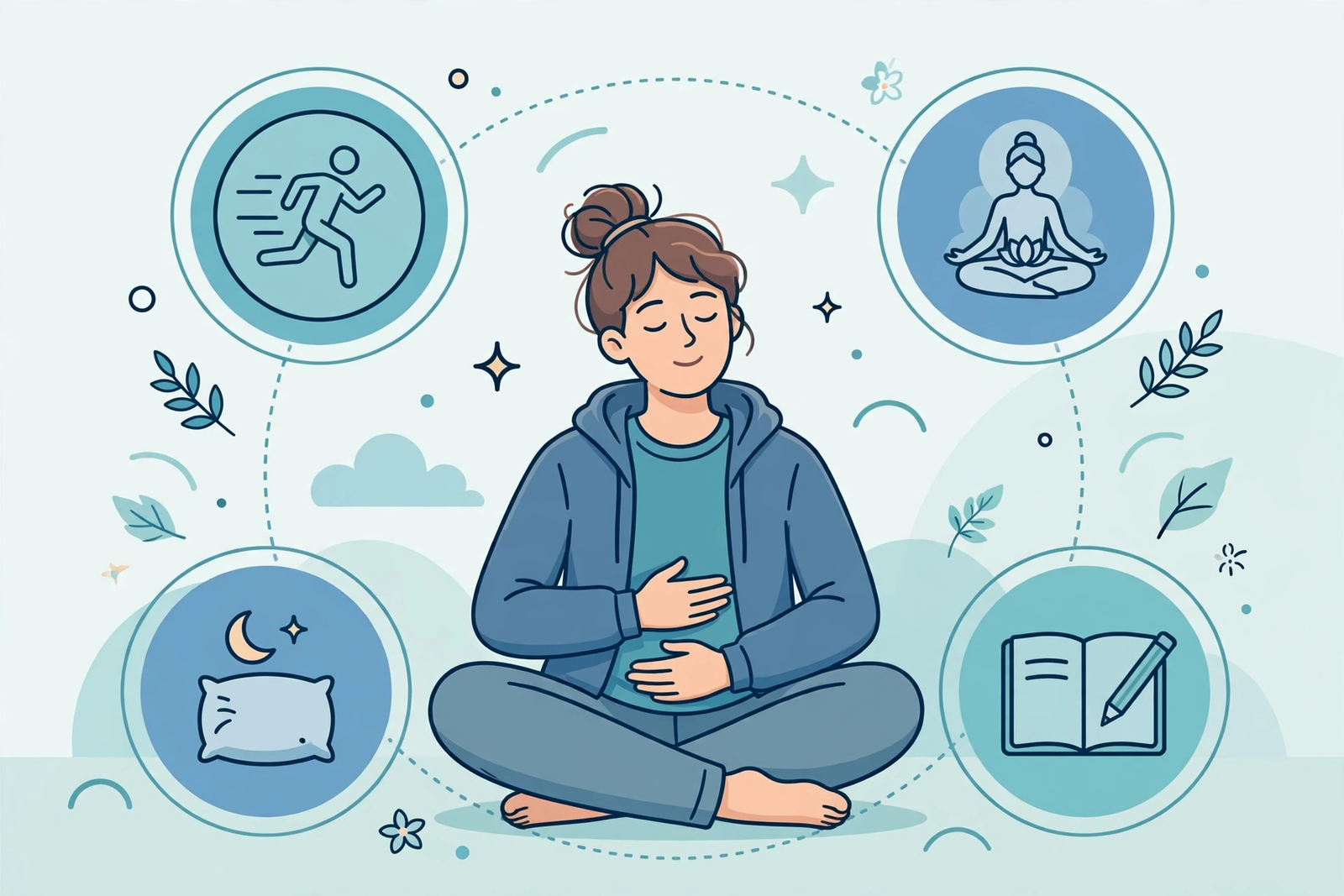
- Physical activity: Encourage regular exercise, such as walking, running, or yoga, to help reduce anxiety and improve mood.
- Creative expression: Art, music, or journaling can provide an outlet for the adolescent to express their emotions in a healthy way.
- Relaxation techniques: Mindfulness, meditation, and deep breathing exercises can help reduce stress and improve emotional regulation.
3. Maintain Routines and Stability
Maintaining a consistent routine can provide a sense of stability and predictability for the adolescent during a time of emotional upheaval.
- Create a structured daily routine: Regular times for meals, sleep, and activities can help reduce feelings of uncertainty and anxiety.
- Keep up with schoolwork: Encourage the adolescent to maintain a routine for completing assignments and staying organized. Small academic achievements can help rebuild self-esteem and provide a sense of control.
4. Seek Professional Support
If the symptoms of adjustment disorder persist or worsen, seeking professional help is essential. Therapy can provide the adolescent with the tools they need to cope with emotional distress and learn healthier ways to manage stress.
- Individual therapy: Cognitive Behavioral Therapy (CBT) can help adolescents identify negative thought patterns and develop effective coping strategies.
- Family therapy: Involving family members in therapy can improve communication, reduce conflict, and create a supportive home environment for the adolescent.
5. Encourage Social Support
Maintaining positive social connections can help reduce feelings of isolation and provide emotional validation. Encourage the adolescent to engage in social activities and reach out to friends, family, or mentors for support.
- Join support groups: Connecting with peers who have experienced similar challenges can provide a sense of community and understanding.
Key Takeaways
- Adolescents are particularly vulnerable to adjustment disorder due to the emotional and social changes they experience during this period.
- Major life changes, such as parental divorce, school transitions, or peer struggles, are common triggers for adjustment disorder in teenagers.
- Symptoms of adjustment disorder in adolescents may include mood swings, social withdrawal, academic difficulties, and physical complaints.
- Early intervention through therapy, family support, and stress management techniques can help adolescents cope with emotional distress and regain emotional stability.
If your adolescent is struggling with adjustment disorder, contact us today to explore treatment options and support strategies that can help them manage stress and improve their emotional well-being.
Note: This article is for informational purposes only and is not a substitute for professional medical advice, diagnosis, or treatment.