



Key Points
- Alcohol addiction can severely strain romantic relationships, family dynamics, and friendships, often leading to trust issues, emotional pain, and communication breakdowns.
- Recovery from alcohol addiction requires not only the individual to heal but also for relationships to be addressed through open communication, therapy, and rebuilding trust.
- Family therapy, couples counseling, and support groups can help couples and families heal from the effects of alcohol addiction.
- Establishing healthy boundaries, practicing empathy, and committing to sobriety are essential for rebuilding relationships affected by alcohol addiction.
Alcohol addiction does not just affect the individual who is struggling with the substance abuse; it also has far-reaching consequences for those around them. Family members, romantic partners, and friends often bear the emotional toll of witnessing the addiction, dealing with its effects, and navigating the turmoil caused by the addictive behaviors.
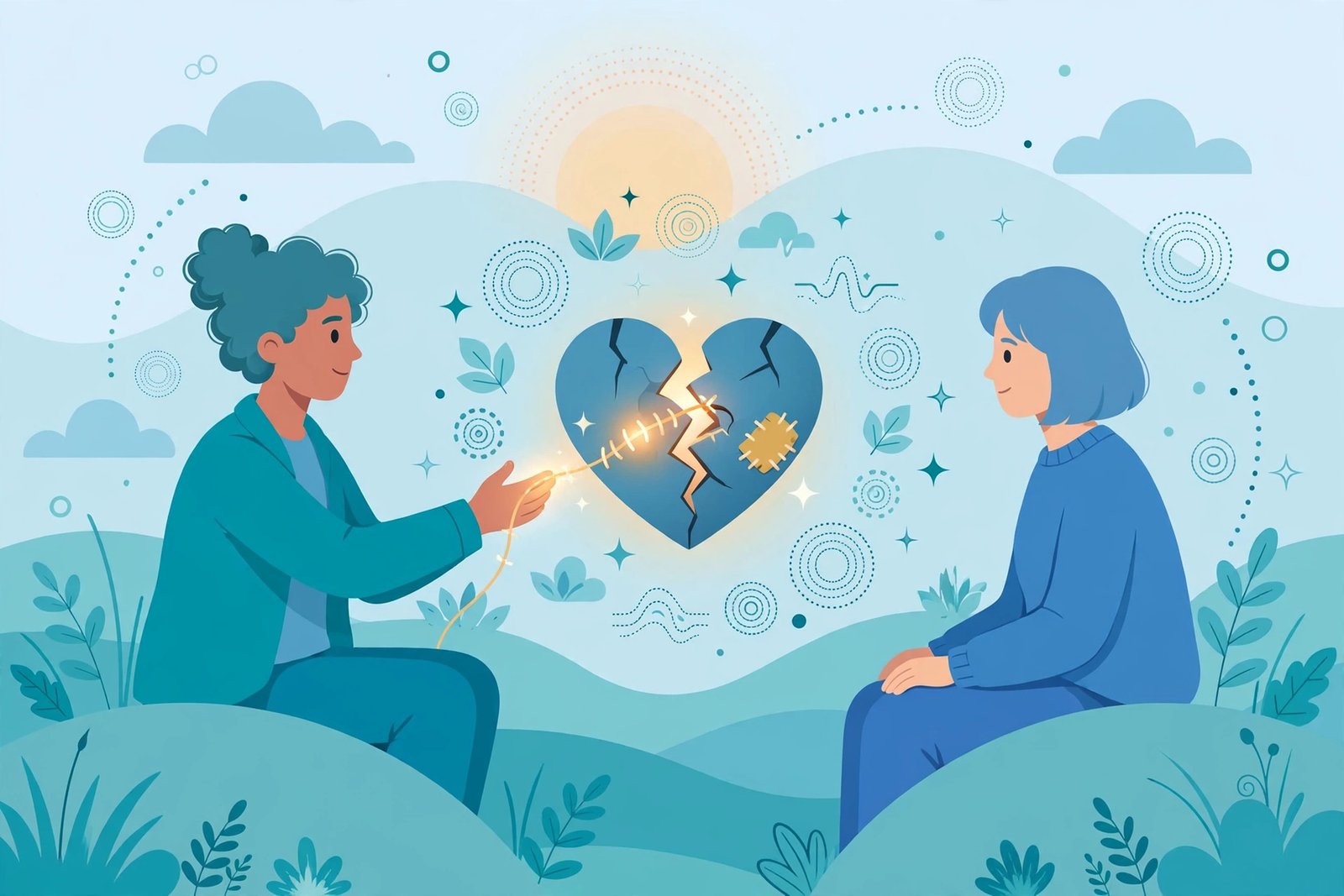
Alcohol abuse can lead to broken trust, communication breakdowns, emotional pain, and feelings of isolation for loved ones. As individuals work toward recovery, it is equally important to address the strain that alcohol addiction has placed on relationships, and take steps toward rebuilding and healing.
In this article, we will explore the impact of alcohol addiction on relationships, how alcohol abuse affects romantic partnerships, families, and friendships, and the steps individuals can take to repair relationships and foster healthy connections during and after recovery.
The Impact of Alcohol Addiction on Romantic Relationships
Alcohol addiction can take a devastating toll on romantic relationships, often leading to cycles of mistrust, emotional pain, and communication issues. Romantic partners may find themselves caught in a vicious cycle of enabling behaviors, frustration, and unspoken resentment.
1. Erosion of Trust
One of the most significant ways alcohol addiction affects romantic relationships is through the erosion of trust. Chronic alcohol use often leads to broken promises, dishonesty, and erratic behavior, causing partners to feel betrayed and uncertain about the future.
- Broken promises: The person struggling with alcohol addiction may repeatedly promise to stop drinking or to seek help, only to break these promises. This erodes trust over time and causes emotional distress for the partner.
- Deceptive behavior: In an effort to hide their addiction, individuals may lie about their drinking habits, hide alcohol, or even engage in manipulative behaviors to cover up their substance abuse. This deception leads to further emotional pain and mistrust in the relationship.
- Emotional distance: As alcohol addiction progresses, partners may become emotionally distant from one another. One partner may feel ignored, unsupported, or neglected, leading to increased feelings of loneliness and isolation within the relationship.
2. Increased Conflict and Communication Breakdown
Alcohol abuse often leads to increased arguments, conflict, and emotional volatility in romantic relationships. Partners may find themselves constantly arguing about the addiction, finances, or behavior that stems from alcohol use.
- Communication breakdowns: Alcohol can impair judgment, leading to poor communication and heightened emotional responses. As alcohol addiction worsens, effective communication may become increasingly difficult, leading to misunderstandings, anger, and resentment.
- Escalating arguments: Alcohol-induced mood swings or irritability can lead to frequent arguments and conflicts. The addicted individual may be more prone to anger, while the non-addicted partner may feel frustrated, powerless, and emotionally drained.
- Emotional abuse: In some cases, alcohol abuse can lead to emotional or physical abuse, especially if the person struggling with addiction becomes violent or aggressive while intoxicated. This creates a toxic, unsafe environment for the partner.
3. Codependency and Enabling
Partners of individuals with alcohol addiction often become codependent, meaning they may enable the addictive behavior by attempting to protect the addicted person from the consequences of their actions. This enables the cycle of addiction to continue unchecked and creates unhealthy dynamics in the relationship.
- Enabling behaviors: Enabling occurs when the partner covers up for the addicted individual, makes excuses for their behavior, or handles responsibilities that the person is neglecting. This can create a pattern where the addicted individual never faces the consequences of their actions.
- Codependency: Partners may begin to prioritize the addicted person’s needs over their own, leading to emotional exhaustion, neglect of personal well-being, and a sense of emotional enmeshment. Codependent behaviors make it more difficult for both partners to break free from the cycle of addiction.
4. The Role of Therapy and Counseling in Repairing Romantic Relationships
Recovery from alcohol addiction is not just about healing the individual; it is also about healing the relationship. Couples therapy and counseling are crucial in repairing trust, improving communication, and rebuilding a strong emotional connection.
- Couples counseling: Therapy provides a space for both partners to express their feelings, work through past hurts, and develop healthy communication skills. A therapist can help couples set healthy boundaries, rebuild trust, and address issues related to addiction.
- Rebuilding intimacy: Addiction often leads to emotional and physical distance in relationships. Couples counseling helps rebuild emotional intimacy, allowing both partners to reconnect and strengthen their bond.
The Impact of Alcohol Addiction on Family Dynamics
Family members often bear the brunt of the emotional and psychological toll of alcohol addiction. Alcoholism can create chaos, confusion, and emotional distress within families, leading to strained relationships and broken communication.
1. Emotional Strain and Pain
Family members may experience intense emotional pain, as they witness their loved one’s addiction, feel helpless in the face of their struggle, and endure the emotional consequences of their behavior.
- Feelings of anger and resentment: Family members may feel angry or resentful at the addicted person for their behavior, broken promises, and the emotional toll of the addiction. These feelings can create a barrier to effective communication and emotional healing.
- Guilt and shame: Family members may feel guilty for enabling the addiction or feel ashamed of the addicted individual’s behavior, especially if their actions have affected family reputation or relationships with extended family.
- Confusion and fear: Families may feel confused about how to best support their loved one, particularly if they are unsure of how to intervene, what treatment options are available, or how to cope with the emotional turmoil.
2. Family Therapy as a Solution
Family therapy is a vital component of alcohol addiction recovery, helping families heal together and break unhealthy patterns of behavior. It provides a space for family members to express their feelings, understand each other’s perspectives, and develop strategies for supporting the individual in recovery.
- Improving communication: Family therapy helps family members learn to communicate effectively and express their feelings in a safe and non-judgmental environment. This improves relationships and reduces conflict.
- Setting healthy boundaries: Family therapy helps family members set boundaries that prevent enabling behaviors and encourage the person in recovery to take responsibility for their actions. Boundaries are essential for rebuilding healthy family dynamics.
- Supporting the individual in recovery: Family therapy provides family members with the tools they need to support their loved one’s recovery journey. This includes learning how to offer emotional support, encourage treatment, and deal with setbacks without enabling the addiction.
The Impact of Alcohol Addiction on Friendships
Alcohol addiction can also impact friendships, often leading to isolation, strained relationships, and a breakdown in trust. Friends may feel abandoned, betrayed, or neglected by the addicted individual.
1. Loss of Trust and Friendship Strain
Alcohol addiction can cause friends to feel hurt, abandoned, or betrayed by the individual’s behavior. Trust is often broken due to lies, manipulation, or irresponsibility.
- Friendship breakdown: As alcohol use takes precedence over other aspects of life, friends may feel neglected or abandoned. The addicted individual may no longer prioritize friendships, leading to isolation and emotional distance.
- Trust issues: Friends may struggle with feelings of betrayal due to the addicted individual’s dishonesty or irresponsible behavior. This can lead to a breakdown in the friendship and make it difficult to reconnect after recovery.
2. Rebuilding Friendships After Recovery
Rebuilding friendships after alcohol addiction involves mending trust, demonstrating responsibility, and showing that the individual is committed to maintaining sobriety.
- Rebuilding trust: Rebuilding trust takes time, and friends need to see consistent, sober behavior before they can fully trust again. Open communication and honesty are crucial during this process.
- Healthy boundaries: Both the individual in recovery and their friends need to establish healthy boundaries to avoid enabling behaviors and ensure that the friendship is based on mutual respect and support.
Key Takeaways
- Alcohol addiction has a profound impact on romantic relationships, family dynamics, and friendships, often leading to broken trust, communication issues, and emotional pain.
- Recovery from alcohol addiction requires not only healing the individual but also addressing the strain caused by addiction in relationships through therapy, open communication, and rebuilding trust.
- Couples therapy, family therapy, and support groups play a crucial role in helping individuals and families heal from the emotional consequences of alcohol addiction.
- Establishing healthy boundaries, practicing empathy, and committing to sobriety are essential for rebuilding relationships affected by alcohol abuse.
If you or a loved one is struggling with the impact of alcohol addiction on relationships, contact us today to explore therapy, support options, and resources that can help rebuild trust and foster healthy, supportive relationships in recovery.
