


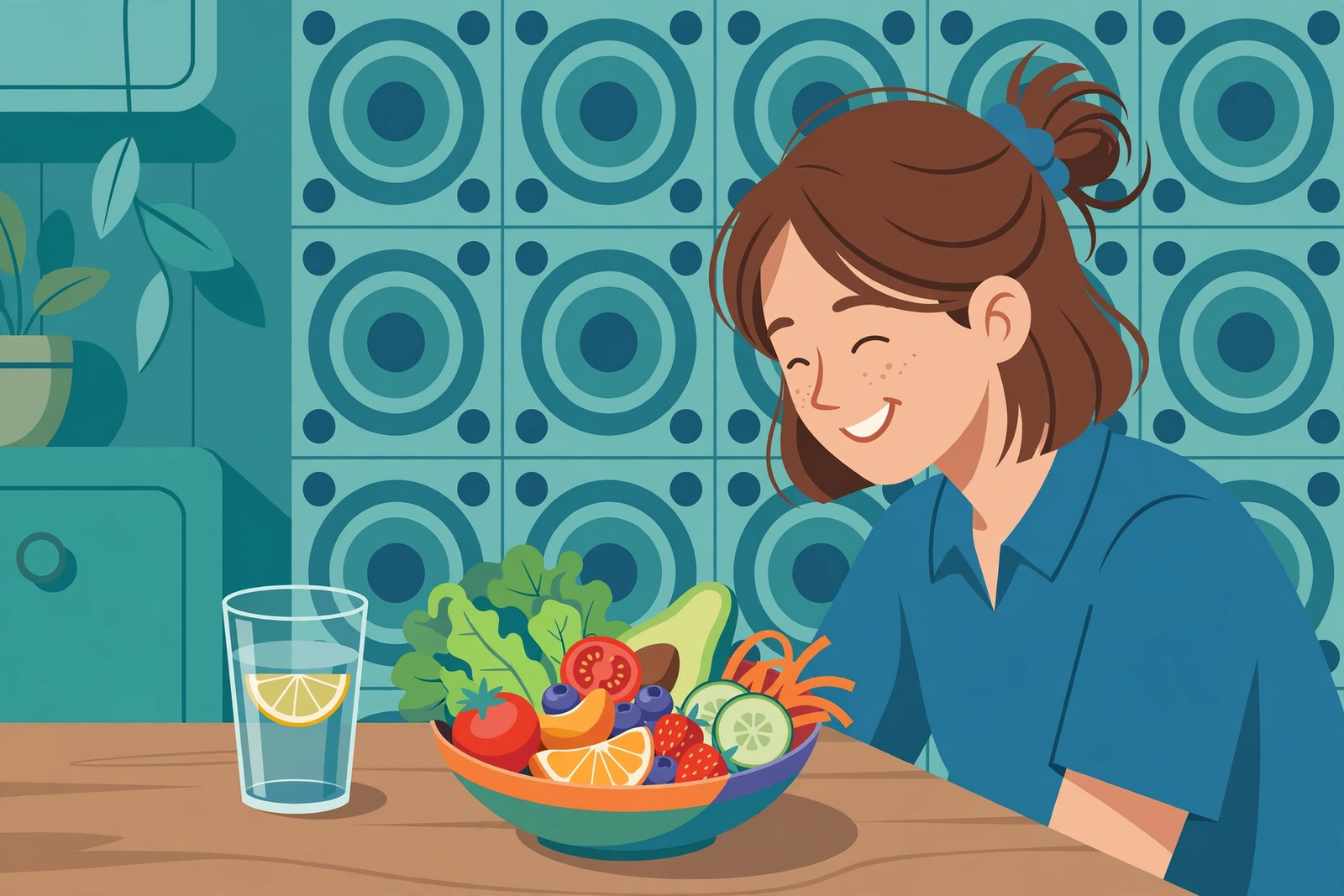
If you or someone you love is walking the road of recovery from alcohol addiction, please know this: you have already taken one of the bravest steps by seeking change, and you deserve support for every part of the journey. The link between alcohol addiction and nutrition is not always obvious, yet what you eat plays a powerful role in healing. In this article, we will gently explore how proper nourishment can restore your body, steady your mood, and support lasting sobriety — one caring step at a time.
Key Points
- Nutrition is a critical component of alcohol addiction recovery, as proper nourishment helps restore physical health, balance emotions, and support long-term sobriety.
- Alcohol depletes essential nutrients in the body, and recovering from alcohol addiction involves replenishing these nutrients to promote healing.
- A balanced diet can improve mood, reduce cravings, and strengthen the immune system, all of which contribute to successful recovery.
- Nutrition plays a role in managing stress, improving cognitive function, and building energy, helping individuals stay focused on their recovery goals.
Alcohol addiction not only affects mental and emotional health but also takes a serious toll on physical well-being. Alcohol depletes essential nutrients in the body and disrupts healthy functioning, leading to deficiencies that impact recovery. A key aspect of overcoming alcohol addiction is restoring the body’s nutritional balance through proper nutrition.
In this article, we will explore the importance of nutrition in alcohol addiction recovery, how poor eating habits contribute to addiction, and how a balanced diet can support sobriety, improve mood, and promote long-term recovery.
How Alcohol Affects Nutrition and Physical Health
When an individual consumes alcohol regularly, it interferes with nutrient absorption and disrupts the body’s ability to process food properly. Alcohol can lead to nutrient deficiencies that contribute to physical and emotional challenges during recovery. Some of the key effects of alcohol on nutrition include:
1. Depletion of Vitamins and Minerals
Alcohol interferes with the absorption of essential vitamins and minerals, which are vital for overall health. Chronic alcohol use can lead to deficiencies in:
- B-vitamins (especially B1, B6, and B12): These vitamins are crucial for energy production, brain function, and nerve health. Alcohol depletes B-vitamins, which can lead to fatigue, poor concentration, and mood disturbances.
- Vitamin C: This vitamin supports the immune system and helps the body repair tissues. Alcohol consumption reduces vitamin C levels, leaving individuals more susceptible to illness.
- Magnesium and calcium: Alcohol depletes magnesium and calcium, which are important for muscle function, bone health, and nerve communication. Deficiencies in these minerals can lead to muscle cramps, weakness, and emotional imbalances.
2. Liver Function and Metabolism
Alcohol places a significant strain on the liver, which is responsible for metabolizing both alcohol and nutrients. Prolonged alcohol use can impair liver function, reducing the body’s ability to detoxify and process nutrients effectively. This can lead to poor digestion and impaired nutrient absorption.
- Fatty liver disease: Chronic alcohol use can lead to fatty liver disease, which impairs the liver’s ability to metabolize fat and nutrients, contributing to poor health and nutritional deficiencies.
- Impaired digestion: Alcohol can irritate the digestive tract, leading to issues like poor digestion, bloating, and malabsorption of essential nutrients.
3. Blood Sugar Imbalances
Alcohol affects blood sugar levels, which can lead to imbalances in energy levels, mood, and cravings. In the absence of proper nutrition, individuals recovering from alcohol addiction may experience fluctuations in blood sugar, leading to irritability, fatigue, and cravings.
- Hypoglycemia (low blood sugar): Alcohol can cause blood sugar levels to drop, leading to feelings of dizziness, shakiness, and anxiety. This can trigger cravings for sugary or high-carb foods as a quick source of energy.
- Insulin resistance: Over time, alcohol can contribute to insulin resistance, a condition that affects how the body processes glucose and can increase the risk of developing metabolic disorders, including diabetes.
Alcohol Addiction and Nutrition: How Food Supports Your Recovery
Proper nutrition plays a critical role in helping individuals recover physically and emotionally from alcohol addiction. A balanced diet helps restore the body’s nutrient levels, improves mood and cognitive function, and strengthens the immune system. Here are some of the key benefits of good nutrition in alcohol addiction recovery:
1. Restoring Nutritional Balance
During recovery, individuals need to replenish the nutrients that have been depleted by alcohol consumption. Proper nutrition helps restore these nutrients, improving overall health and supporting the body’s natural healing process.
- Vitamin and mineral supplementation: Replenishing B-vitamins, vitamin C, magnesium, calcium, and other essential nutrients helps restore energy, improve cognitive function, and support emotional stability.
- Hydration: Proper hydration is crucial for detoxification and overall health. Drinking water, herbal teas, and natural juices helps rehydrate the body and flush out toxins, which supports the liver and digestive system during recovery.
2. Enhancing Mood and Reducing Cravings
Proper nutrition can significantly impact mood and emotional regulation. A balanced diet that includes essential nutrients stabilizes blood sugar levels, reduces mood swings, and helps individuals manage stress and cravings.
- Stable blood sugar levels: Eating balanced meals that include protein, healthy fats, and complex carbohydrates helps stabilize blood sugar, reducing irritability and cravings for alcohol or unhealthy foods.
- Mood-enhancing nutrients: Foods rich in omega-3 fatty acids, B-vitamins, magnesium, and zinc can improve mood and mental clarity. These nutrients support brain function and emotional well-being, helping individuals in recovery manage stress and anxiety without turning to alcohol.
3. Boosting Energy and Reducing Fatigue
Alcohol addiction often leads to physical fatigue and a lack of energy, which can make it difficult to stay motivated in recovery. A nutrient-dense diet helps restore energy levels, making it easier to engage in physical activities and stay productive during recovery.
- Whole grains and complex carbohydrates: These provide a steady source of energy without causing blood sugar spikes and crashes, which helps maintain energy levels throughout the day.
- Lean protein: Protein-rich foods, such as chicken, fish, and legumes, help repair tissues and maintain muscle mass, supporting physical recovery and boosting energy.
- Healthy fats: Healthy fats, such as those found in avocados, nuts, and olive oil, are essential for brain health and provide a long-lasting source of energy.
4. Strengthening the Immune System
Alcohol weakens the immune system, making individuals more susceptible to illness and infection. Proper nutrition helps strengthen the immune system, supporting overall health and reducing the risk of complications during recovery.
- Antioxidant-rich foods: Foods rich in antioxidants, such as fruits and vegetables, help protect the body from oxidative stress and support the immune system.
- Probiotics and gut health: Alcohol can disrupt the balance of gut bacteria, which plays a critical role in immune function. Including probiotic-rich foods, such as yogurt, kefir, and fermented vegetables, helps restore gut health and support the immune system.
5. Promoting Healthy Sleep
Sleep disturbances are common during alcohol addiction recovery, and poor sleep can exacerbate cravings, stress, and emotional instability. Proper nutrition supports healthy sleep patterns by stabilizing blood sugar levels and providing essential nutrients for relaxation.
- Magnesium-rich foods: Magnesium helps relax muscles and promote deep sleep. Foods rich in magnesium, such as leafy greens, nuts, and seeds, can improve sleep quality and reduce insomnia.
- Tryptophan-rich foods: Tryptophan is an amino acid that promotes the production of serotonin and melatonin, which regulate sleep. Foods such as turkey, eggs, and tofu are rich in tryptophan and can help improve sleep quality.
Nutrition Tips for Alcohol Addiction Recovery
Incorporating a balanced, nutrient-dense diet into recovery can significantly enhance physical and emotional health. Here are some practical nutrition tips for individuals in alcohol addiction recovery:
1. Eat Balanced Meals
Focus on eating a variety of whole foods that provide essential nutrients. Include:
- Protein: Include lean protein sources such as chicken, turkey, fish, eggs, tofu, and legumes to repair tissues and support energy levels.
- Complex carbohydrates: Choose whole grains, such as brown rice, quinoa, and whole-wheat pasta, which provide long-lasting energy and stabilize blood sugar.
- Healthy fats: Include sources of healthy fats, such as avocados, olive oil, nuts, and seeds, to support brain function and overall health.
2. Stay Hydrated
Drink plenty of water throughout the day to stay hydrated and support detoxification. Herbal teas and natural fruit juices can also provide hydration and additional nutrients.
3. Supplement with Key Nutrients
Consider taking supplements to address nutrient deficiencies caused by alcohol use. Talk to a healthcare provider about supplementing with B-vitamins, vitamin C, magnesium, calcium, and omega-3 fatty acids to support physical recovery.
4. Avoid Processed Foods
Limit the consumption of processed foods, sugary snacks, and refined carbohydrates, which can spike blood sugar levels and contribute to cravings and mood swings. Focus on whole, unprocessed foods that nourish the body and support long-term recovery.
5. Practice Mindful Eating
Pay attention to hunger and fullness cues, and avoid overeating or eating out of boredom or stress. Practice mindful eating by savoring each bite and focusing on the enjoyment of healthy, nourishing foods.
Key Takeaways
- Proper nutrition is a crucial component of alcohol addiction recovery, helping individuals restore their health, manage cravings, and improve emotional well-being.
- Alcohol depletes essential vitamins and minerals, and recovery requires replenishing these nutrients to support physical and emotional healing.
- A balanced diet with lean protein, complex carbohydrates, and healthy fats supports energy, mood regulation, and overall well-being during recovery.
- Hydration, supplementation, and mindful eating are key practices for improving health and supporting long-term sobriety.
If you or a loved one is recovering from alcohol addiction and would like support in developing a nutrition plan for recovery, contact us today for more information on how proper nutrition can enhance your recovery journey.
A gentle medical note: This article is for information only and is not a substitute for professional medical advice. Please talk with your doctor or a registered dietitian before changing your diet or taking supplements during recovery.