



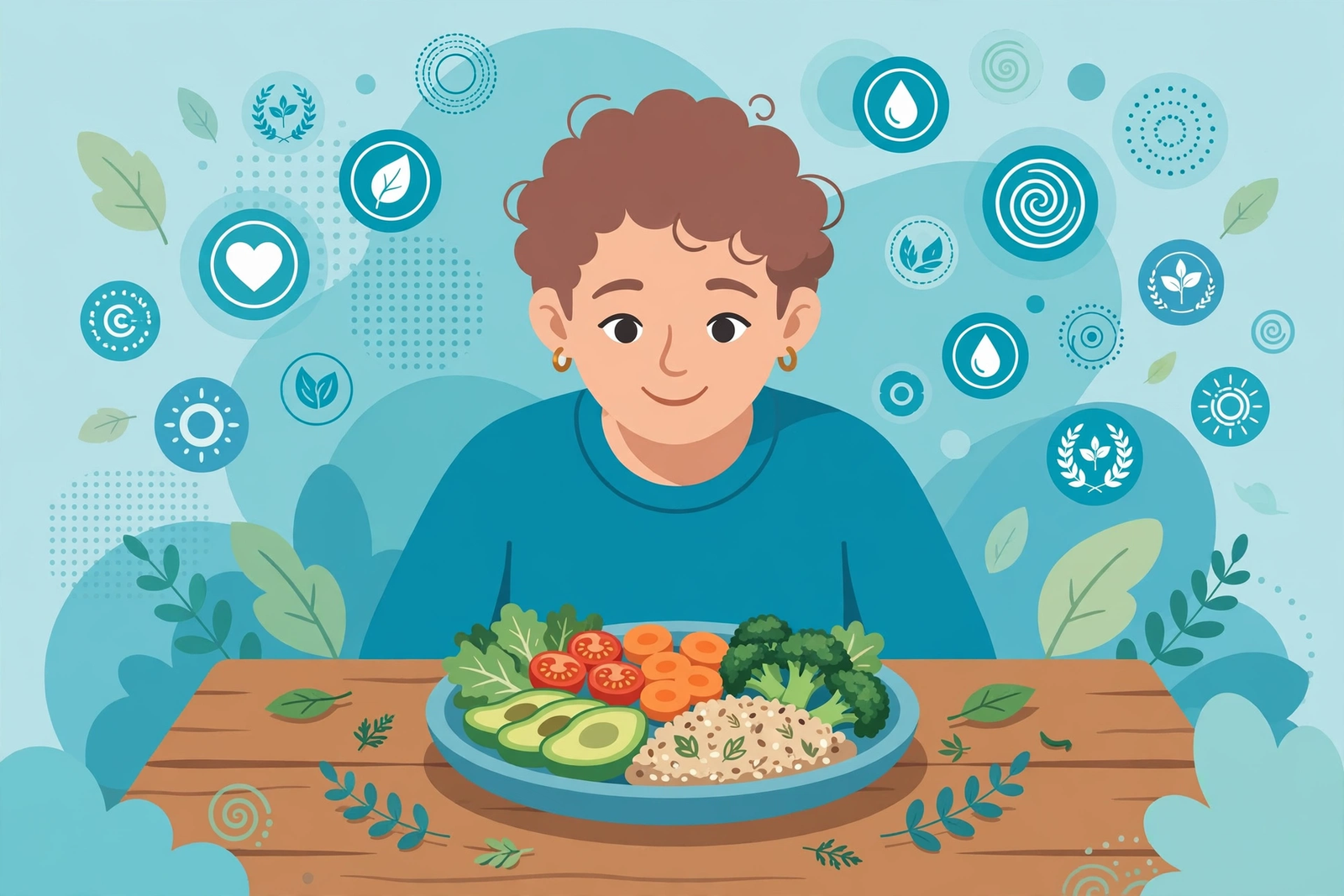
You might not expect your dinner plate to have anything to do with anxiety — but what you eat can genuinely influence how you feel. If you live with generalized anxiety disorder, nourishing your body well is a gentle, practical way to support your mind. Let’s explore the delicious connection between diet, nutrition, and calmer days.
Key Points
- Diet and nutrition can play a significant role in managing symptoms of generalized anxiety disorder (GAD), as certain foods can either exacerbate or alleviate anxiety.
- Nutrient-rich foods, such as those high in omega-3 fatty acids, magnesium, and B vitamins, have been shown to support brain health and reduce anxiety levels.
- Avoiding stimulants like caffeine and refined sugars can help prevent spikes in anxiety and improve emotional stability.
- A holistic approach to managing GAD includes a balanced diet, alongside therapy, medication, and stress management techniques.
The Connection Between Diet and Generalized Anxiety Disorder
Diet and nutrition have long been linked to mental health, with research suggesting that what we eat can influence how anxious we feel. Food won’t replace treatment, but it can be a meaningful part of your wellness toolkit.
1. The Impact of Nutrient Deficiencies on Anxiety
- Magnesium: Magnesium is an essential mineral involved in regulating neurotransmitters in the brain, including those responsible for relaxation and stress management. Low magnesium levels have been associated with increased anxiety and irritability. Foods rich in magnesium, such as spinach, almonds, and pumpkin seeds, can help promote calmness and reduce the physical symptoms of anxiety.
- B Vitamins: B vitamins, particularly B6 and B12, are crucial for maintaining a healthy nervous system and brain function. A deficiency in these vitamins can contribute to anxiety and depression. Foods like whole grains, eggs, leafy greens, and legumes are excellent sources of B vitamins that can support mental health.
- Omega-3 Fatty Acids: Omega-3 fatty acids, found in fatty fish like salmon, walnuts, and flaxseeds, have been shown to support brain health and reduce inflammation, both of which can help alleviate anxiety symptoms. Omega-3s are particularly important in regulating mood and emotional responses, making them a beneficial addition to a GAD management plan.
Foods That Help Manage GAD Symptoms
Incorporating certain nourishing foods into your diet can help support brain health and ease anxiety symptoms. Here are some of the most helpful ones.
1. Foods Rich in Omega-3 Fatty Acids
- Fatty fish: Fish like salmon, mackerel, and sardines are rich in omega-3 fatty acids, which have been linked to reduced levels of anxiety and depression. Consuming these fish regularly can help support brain health and reduce anxiety symptoms.
- Nuts and seeds: Walnuts, chia seeds, and flaxseeds are also high in omega-3s and make great additions to a balanced diet. Adding them to smoothies, salads, or snacks can provide a mood-boosting nutrient boost.
2. Magnesium-Rich Foods
- Leafy greens: Spinach, kale, and Swiss chard are excellent sources of magnesium. Including these leafy greens in meals can help support the body’s ability to manage stress and reduce muscle tension caused by anxiety.
- Nuts and seeds: Almonds, cashews, and sunflower seeds are also rich in magnesium. Snacking on these foods or adding them to meals can help increase magnesium intake and promote relaxation.
- Whole grains: Brown rice, quinoa, and oats are high in magnesium and provide a slow-release energy source, helping to stabilize mood and reduce stress.
3. Probiotic-Rich Foods
- Fermented foods: A healthy gut microbiome has been shown to have a direct impact on mood regulation and mental health. Fermented foods like yogurt, kefir, kimchi, and sauerkraut contain probiotics that support gut health and can help reduce symptoms of anxiety.
- Prebiotic foods: Foods like bananas, onions, garlic, and asparagus contain prebiotics, which feed the good bacteria in the gut. A balanced gut microbiome can improve overall mental well-being and help manage anxiety.
Foods to Avoid When Managing GAD
While some foods can help calm anxiety, others can make symptoms worse. Being aware of these triggers — without stressing about perfection — can help you feel more in control.
1. Caffeine and Stimulants
- Caffeine: Caffeine is a known stimulant that can increase anxiety by raising heart rate and triggering the body’s “fight or flight” response. For individuals with GAD, consuming too much caffeine can exacerbate symptoms, leading to feelings of jitteriness, restlessness, and nervousness. Limiting caffeine intake or switching to caffeine-free beverages, like herbal teas, can help manage anxiety levels.
- Energy drinks: Many energy drinks contain high levels of caffeine and sugar, which can contribute to anxiety and cause fluctuations in mood. Avoiding these drinks can help prevent energy crashes and reduce feelings of anxiousness.
2. Refined Sugar and Processed Foods
- Blood sugar spikes: Diets high in refined sugar and processed foods can cause rapid fluctuations in blood sugar levels, leading to mood swings and irritability. These fluctuations can trigger or worsen anxiety symptoms. Reducing the intake of sugary snacks, baked goods, and processed foods can help stabilize blood sugar levels and reduce anxiety.
- Inflammatory foods: Highly processed foods that are rich in unhealthy fats, such as fried foods, may contribute to inflammation in the body. Chronic inflammation has been linked to mental health conditions, including anxiety and depression. Opting for whole, nutrient-dense foods can reduce inflammation and support emotional health.
3. Alcohol
- Short-term relief but long-term effects: While alcohol may provide temporary relief from anxiety, it is a depressant that can worsen anxiety in the long run. Drinking alcohol in excess can interfere with sleep, exacerbate feelings of restlessness, and contribute to mood swings. Reducing alcohol consumption or avoiding it altogether can improve overall anxiety management.
A Holistic Approach to Managing GAD
Diet is just one piece of the puzzle when it comes to managing generalized anxiety disorder. A holistic approach — combining good nutrition with movement, mindfulness, and professional support — gives you the strongest foundation.
1. Regular Exercise
- Physical activity: Exercise has been shown to reduce anxiety by increasing the production of endorphins, the body’s natural mood boosters. Activities like walking, jogging, yoga, or swimming can help release tension, improve sleep, and boost overall mood.
2. Mindfulness and Stress Reduction
- Mindfulness practices: Meditation, deep breathing exercises, and progressive muscle relaxation can help reduce the physiological symptoms of anxiety, such as muscle tension and elevated heart rate. These practices encourage relaxation and allow individuals to manage stress more effectively.
3. Professional Therapy and Support
- Cognitive Behavioral Therapy (CBT): CBT is an evidence-based therapy that helps individuals identify and challenge negative thought patterns associated with anxiety. CBT teaches individuals how to reframe anxious thoughts and implement coping strategies to manage anxiety.
- Support groups: Participating in support groups or seeking individual therapy provides individuals with GAD a safe space to share their experiences, learn from others, and gain emotional support.
Key Takeaways
Diet and nutrition play a meaningful role in managing the symptoms of generalized anxiety disorder. Small, sustainable changes to how you eat can add up to a calmer mind and a steadier mood.
If you or someone you love is struggling with generalized anxiety disorder, consider exploring dietary changes alongside professional guidance. A qualified healthcare professional or dietitian can help you build an eating plan that truly supports you.
A gentle note: this article is for education and support — it isn’t medical advice. Please consult a qualified healthcare professional for personalized guidance.
