



Key Points
- Family caregivers of individuals with Alzheimer’s disease often face emotional, physical, and financial challenges that can affect their well-being.
- Caregiving can be rewarding but also stressful, as caregivers take on the responsibility of managing medical, emotional, and daily care needs.
- Support groups, respite care, and self-care are essential resources for caregivers to prevent burnout and maintain their health.
- Understanding the impact of caregiving helps families plan for the future and seek necessary support.
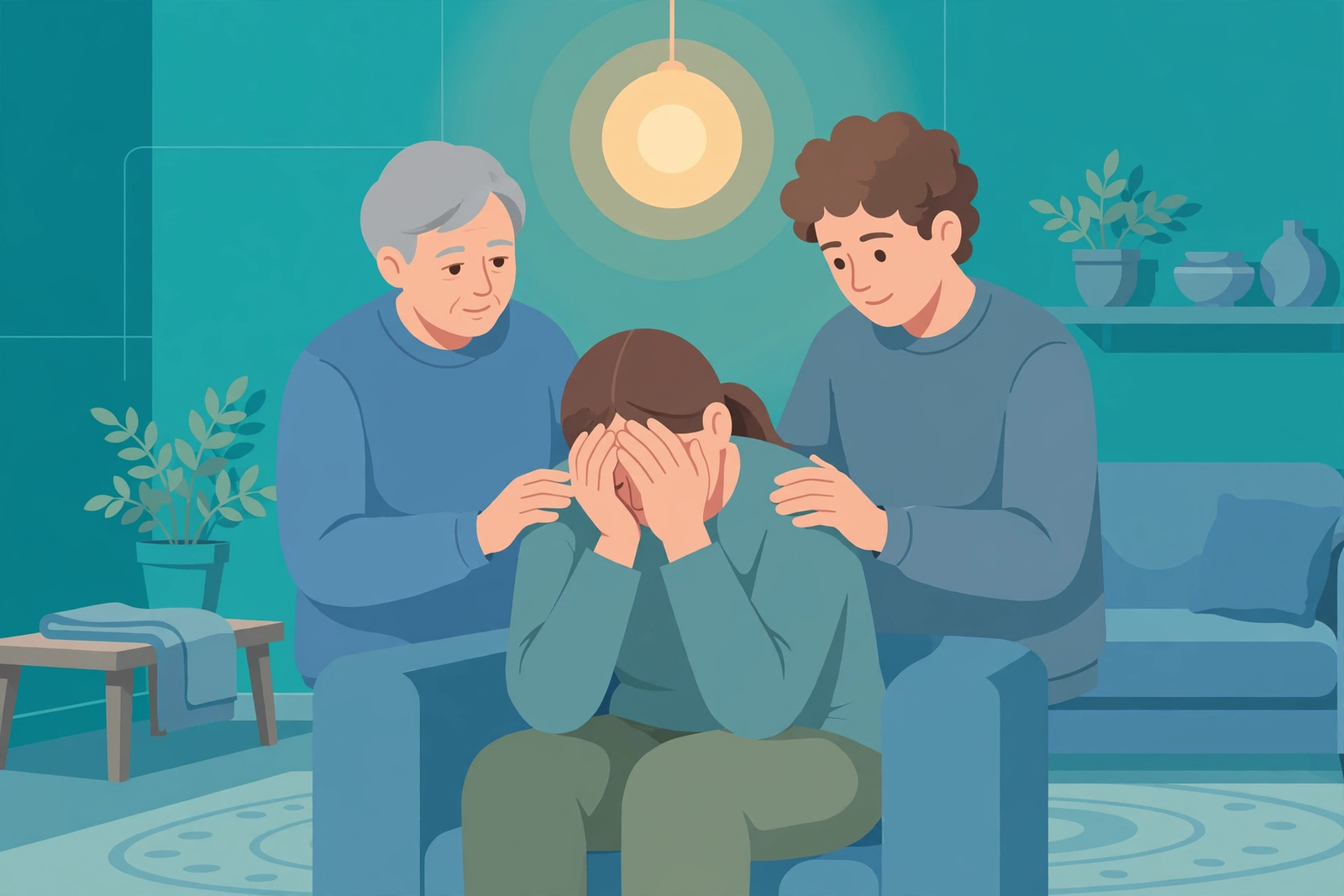
Alzheimer’s disease is not only a challenge for the person diagnosed with the condition, but it also has a profound impact on their family members, especially those who take on the role of caregiver. Family caregivers of individuals with Alzheimer’s disease face numerous emotional, physical, and financial challenges as they provide care and support to their loved ones. The responsibilities of caregiving can be overwhelming, and without proper support, caregivers may experience burnout, stress, and exhaustion.
In this article, we will explore the impact of Alzheimer’s disease on family caregivers, the challenges they face, and the importance of finding support and resources to help manage the demands of caregiving.
The Emotional Impact of Caregiving
Caring for a loved one with Alzheimer’s disease can be an emotionally taxing experience. Family caregivers often experience a range of emotions, from sadness and frustration to guilt and anxiety, as they navigate the challenges of providing care.
1. Grief and Loss
Even though Alzheimer’s disease is not immediately fatal, it causes a gradual decline in the person’s cognitive function, leading to a sense of loss for both the individual with Alzheimer’s and their family members. Caregivers often experience grief as they witness their loved one’s memory and abilities deteriorate over time.
- Loss of identity: As Alzheimer’s progresses, individuals may no longer recognize their loved ones or behave in ways that are familiar. Caregivers may feel a sense of loss as they watch their loved one’s personality change or as the person becomes more withdrawn or agitated.
- Cumulative grief: Caregivers may experience a sense of loss at each stage of the disease, as they see their loved one become less able to perform activities they once enjoyed. This cumulative grief can be emotionally exhausting and challenging to cope with.
2. Stress and Anxiety
The responsibilities of caregiving can be overwhelming, leading to heightened stress and anxiety. Family caregivers often feel the weight of managing the medical needs, daily tasks, and emotional challenges of the individual with Alzheimer’s.
- Constant worry: Caregivers often worry about their loved one’s safety, health, and well-being. They may fear that their loved one will become lost, injured, or experience a medical crisis. This constant anxiety can take a toll on the caregiver’s emotional health.
- Decision-making pressure: Caregivers are often faced with difficult decisions, such as whether to move their loved one into a care facility, how to manage medication, or how to address behavioral changes. The pressure of making these decisions can contribute to stress and uncertainty.
3. Guilt and Self-Blame
Guilt is a common emotion experienced by caregivers, particularly when they feel they are not doing enough for their loved one or when they are unable to cope with the demands of caregiving.
- Feeling inadequate: Caregivers may feel guilty if they are unable to meet all of their loved one’s needs or if they are unable to provide the level of care they feel is necessary. This guilt can be compounded by the emotional and physical toll caregiving takes on their own well-being.
- Resentment: As caregiving responsibilities increase, caregivers may feel overwhelmed or resentful of the constant demands placed on them. These feelings can create emotional conflict, especially when caregivers feel they are neglecting their own needs in order to care for their loved one.
4. Depression and Burnout
The emotional toll of caregiving can lead to depression, burnout, and feelings of isolation. Caregivers often sacrifice their own well-being to care for their loved one, leaving them with little time for self-care or relaxation.
- Chronic fatigue: The demands of caregiving, combined with emotional stress, can lead to physical exhaustion. Caregivers often experience sleep disturbances, lack of energy, and difficulty focusing, which can contribute to burnout.
- Isolation: Many caregivers feel isolated as they take on the responsibility of providing care. They may withdraw from social activities or feel disconnected from others who do not understand the challenges of caregiving. This isolation can worsen feelings of depression and anxiety.
The Physical Impact of Caregiving
The physical demands of caregiving are often overlooked, but they can have a significant impact on the health and well-being of family caregivers. Providing constant care, managing medical needs, and assisting with daily tasks can be physically exhausting.
1. Increased Physical Strain
Caring for someone with Alzheimer’s disease often requires physical assistance with tasks such as bathing, dressing, feeding, and mobility. The physical strain of caregiving can lead to back pain, joint issues, and other physical health problems.
- Assisting with movement: Lifting, helping with walking, and assisting with transfers (e.g., from bed to chair) can lead to physical strain on the caregiver’s body.
- Lack of time for self-care: Caregivers often prioritize the needs of their loved one over their own health. They may skip meals, neglect exercise, or forgo sleep, leading to physical exhaustion and a weakened immune system.
2. Poor Sleep and Fatigue
Caregivers often experience disrupted sleep patterns due to the demands of caregiving. They may be awakened during the night to assist their loved one, leading to poor quality sleep and chronic fatigue.
- Sleep deprivation: Sleep disturbances are common among caregivers, especially if their loved one has trouble sleeping at night due to agitation or confusion. This lack of rest can affect the caregiver’s physical and emotional health.
- Chronic fatigue: Constant caregiving responsibilities without adequate rest or recovery time can lead to chronic fatigue. This can make it difficult for caregivers to perform daily tasks, manage stress, and maintain their own well-being.
3. Increased Risk of Health Problems
The physical and emotional stress of caregiving can increase the risk of chronic health problems, such as heart disease, high blood pressure, and diabetes. Caregivers may neglect their own health in favor of caring for their loved one, leading to long-term health consequences.
- Health complications: Caregivers are more likely to develop health problems due to stress, lack of sleep, and inadequate self-care. The long-term physical strain of caregiving can contribute to conditions such as chronic pain, hypertension, and weight gain.
- Neglecting medical care: In some cases, caregivers may neglect their own medical needs or skip doctor’s appointments due to the demands of caregiving. This can lead to undiagnosed health conditions or worsened physical problems.
The Financial Impact of Caregiving
Family caregiving can also have significant financial implications. Many caregivers reduce their work hours or leave their jobs entirely to provide full-time care, leading to lost income and increased financial strain.
1. Lost Income and Employment Challenges
Caregivers may reduce their work hours or take unpaid leave to care for their loved one, resulting in lost wages. Some caregivers may also need to leave their jobs entirely to provide full-time care.
- Reduced earning capacity: The loss of income can make it difficult for caregivers to meet financial obligations and maintain their standard of living. In some cases, caregivers may need to dip into savings or retirement funds to cover expenses.
- Job-related challenges: Caregivers may struggle to balance work and caregiving responsibilities, leading to missed work, increased stress, and reduced job performance.
2. Direct Care Costs
Providing care for a loved one with Alzheimer’s disease can incur significant costs, including medical expenses, home modifications, and the cost of caregiving services.
- Out-of-pocket costs: Caregivers often face expenses related to medications, doctor’s visits, and other treatments for their loved one. These costs can add up quickly, especially if the individual requires long-term care or specialized services.
- Long-term care expenses: In some cases, caregivers may need to hire professional caregivers or place their loved one in a nursing home, which can be costly. The financial burden of long-term care can create significant stress for caregivers and their families.
Support for Family Caregivers
While caregiving can be challenging, there are resources available to help family caregivers manage the emotional, physical, and financial demands of caring for a loved one with Alzheimer’s disease.
1. Support Groups and Counseling
Support groups offer caregivers a space to connect with others who are experiencing similar challenges. These groups provide emotional support, practical advice, and a sense of community. Counseling can also help caregivers cope with stress, anxiety, and the emotional toll of caregiving.
2. Respite Care
Respite care provides temporary relief for family caregivers, allowing them to take breaks from caregiving responsibilities. Respite care can be provided by professional caregivers, adult day programs, or respite care facilities.
3. Financial Assistance Programs
There are financial assistance programs available to help caregivers with the costs of caregiving. These programs may offer financial support for respite care, medical expenses, or long-term care.
Key Takeaways
- Family caregivers of individuals with Alzheimer’s disease face significant emotional, physical, and financial challenges.
- Caregiving can lead to stress, burnout, and isolation, making it essential for caregivers to seek support and practice self-care.
- Respite care, support groups, and financial assistance are valuable resources that can help caregivers manage their responsibilities and maintain their well-being.
- Understanding the impact of caregiving is crucial for planning and providing appropriate support for both the caregiver and the person with Alzheimer’s.
If you or a loved one is caring for someone with Alzheimer’s disease and would like to learn more about support options, caregiving resources, and self-care strategies, contact us today for guidance and assistance.
