



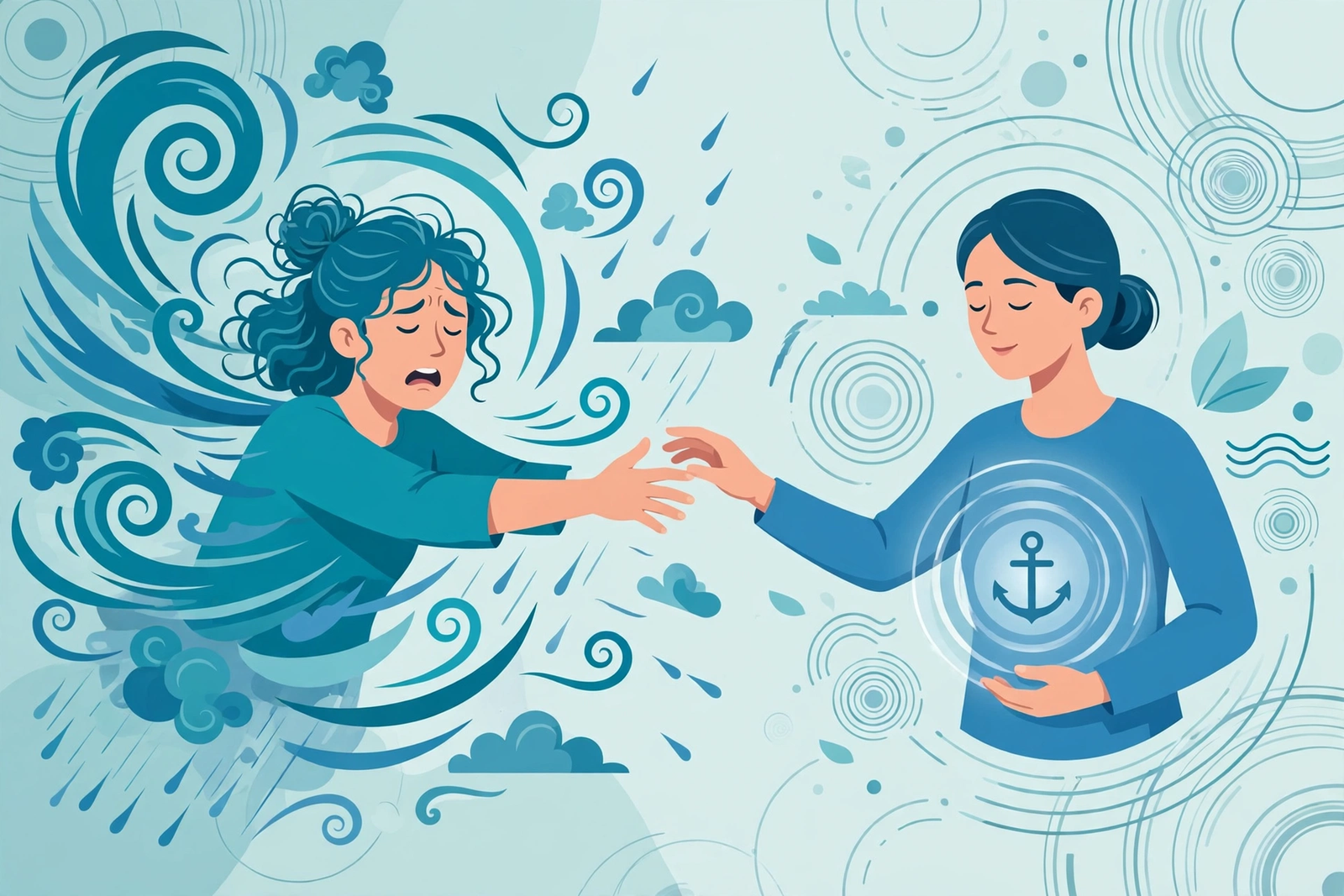
Living with intense emotions that shift without warning can feel exhausting and lonely, and if this sounds familiar, you’re not alone. The emotional turmoil in borderline personality disorder is one of its most painful features, but with understanding and the right support, those storms can become more manageable and hope can grow.
Key Points:
- Borderline Personality Disorder (BPD) is marked by extreme mood swings and unstable self-image, which can cause significant emotional turmoil.
- Intense emotional reactions, impulsive behaviors, and feelings of emptiness are common in individuals with BPD.
- Treatment strategies, such as Dialectical Behavior Therapy (DBT), focus on emotion regulation and improving self-image.
- Support systems, healthy coping mechanisms, and self-compassion can significantly improve the emotional well-being of individuals with BPD.
Emotional Turmoil in Borderline Personality Disorder
Individuals with Borderline Personality Disorder (BPD) often experience a rollercoaster of intense emotions that can feel overwhelming and uncontrollable. One of the core features of BPD is emotional instability, which includes extreme mood swings, impulsive behavior, and difficulty managing relationships. These emotional experiences are often triggered by external events, such as perceived rejection or abandonment, and can lead to significant emotional distress.
The emotional turmoil associated with BPD can cause problems in nearly every area of life, including work, school, and personal relationships. In addition to emotional instability, individuals with BPD often struggle with issues related to self-image and self-worth, which can further contribute to their emotional difficulties.
In this article, we will explore the emotional challenges faced by individuals with BPD, including mood swings, issues with self-image, and how these factors impact mental health. We will also discuss strategies for managing emotions, improving self-esteem, and building healthier coping mechanisms.
Extreme Mood Swings in Borderline Personality Disorder
One of the most distressing aspects of Borderline Personality Disorder is the intense and rapid mood swings that individuals experience. These mood shifts can occur without warning and may be triggered by even minor events or perceived slights. For individuals with BPD, emotions can shift from extreme happiness to deep sadness, frustration, or anger within a short period, which can be confusing and difficult to manage.
1. Emotional Instability:
- Rapid mood changes: Individuals with BPD often experience rapid mood changes that may seem unpredictable or disproportionate to the situation at hand. For example, a person with BPD may feel intensely happy one moment and suddenly experience feelings of sadness, anxiety, or anger the next.
- Intense emotional reactions: The emotions experienced by individuals with BPD are often heightened and can feel overwhelming. These extreme reactions can be difficult to manage, leading to impulsive decisions, social withdrawal, or self-destructive behaviors.
2. Triggers for Emotional Distress:
- Fear of abandonment: One of the most common triggers for emotional turmoil in BPD is the fear of abandonment or rejection. Individuals with BPD may perceive ordinary events, such as a loved one being late or not responding to a message immediately, as signs of rejection or abandonment. This can lead to intense feelings of anger, sadness, or anxiety.
- Interpersonal conflicts: Because individuals with BPD often struggle with maintaining stable relationships, conflicts with loved ones can lead to emotional distress. Disagreements or perceived slights can result in emotional outbursts, social withdrawal, or impulsive actions.
Struggling with Self-Image and Self-Worth
In addition to mood instability, issues with self-image and self-worth are central to Borderline Personality Disorder. Individuals with BPD often struggle to maintain a stable sense of identity and may experience feelings of emptiness or confusion about who they are. This unstable self-image can lead to significant emotional distress and difficulty forming meaningful, lasting relationships.
1. Shifting Self-Perception:
- Lack of identity: People with BPD may feel unsure of their values, goals, and desires. Their sense of self may fluctuate depending on their emotional state or the people around them. They may idealize someone one moment, then devalue them the next, depending on how they perceive their relationships.
- Feelings of emptiness: Many individuals with BPD report feeling a pervasive sense of emptiness or boredom, as though something is missing in their lives. This feeling of emptiness can be difficult to cope with and may lead to impulsive behaviors as individuals attempt to fill the void.
2. Self-Criticism and Low Self-Esteem:
- Constant self-criticism: Individuals with BPD are often highly self-critical and may view themselves in a negative light. They may feel unworthy of love, success, or happiness and struggle to accept positive feedback from others. This negative self-view can contribute to feelings of shame and worthlessness.
- Fear of rejection: The fear of being rejected or abandoned by others can further impact self-esteem. Individuals with BPD may feel that their worth is dependent on others’ approval, and when they perceive rejection, it can lead to intense emotional pain and self-doubt.
Impulsivity and Self-Destructive Behaviors
The emotional instability and self-image issues in Borderline Personality Disorder often lead to impulsive or self-destructive behaviors. These behaviors may be an attempt to cope with emotional pain, gain control, or feel relief from overwhelming emotions. However, these impulsive actions can have negative consequences on an individual’s health, relationships, and well-being.
1. Risk-Taking Behaviors:
- Substance abuse: Individuals with BPD may engage in substance abuse, such as excessive drinking, drug use, or gambling, as a way to escape emotional distress or numb their pain. These behaviors can provide temporary relief but can lead to further emotional instability and harm.
- Impulsive sexual behavior: Some individuals with BPD engage in impulsive sexual behaviors, which may be driven by a desire for validation, intimacy, or emotional relief. These behaviors can lead to feelings of shame, guilt, or regret.
2. Self-Harm:
- Cutting or burning: Self-harming behaviors, such as cutting or burning oneself, are common in individuals with BPD. These behaviors may be an attempt to manage overwhelming emotions, relieve emotional pain, or gain a sense of control. However, self-harm can be dangerous and may worsen feelings of emptiness and self-loathing.
- Suicidal thoughts or gestures: Suicidal thoughts or behaviors may occur in response to intense emotional pain, feelings of worthlessness, or fear of abandonment. It is important for individuals with BPD to seek professional help if they experience these thoughts or engage in self-destructive behaviors.
Treatment Options for Borderline Personality Disorder
While the emotional challenges of Borderline Personality Disorder can be overwhelming, effective treatments are available to help individuals manage their symptoms, improve their emotional regulation, and enhance their quality of life. Treatment typically involves therapy, medication, and support systems.
1. Dialectical Behavior Therapy (DBT):
Dialectical Behavior Therapy (DBT) is one of the most effective treatments for Borderline Personality Disorder. DBT focuses on teaching individuals skills to regulate their emotions, tolerate distress, and improve relationships. Key components of DBT include:
- Mindfulness: Helping individuals stay present and observe their thoughts and feelings without judgment.
- Emotion regulation: Teaching individuals to recognize and manage their emotional reactions.
- Distress tolerance: Providing tools to cope with intense emotions without resorting to impulsive behaviors or self-harm.
- Interpersonal effectiveness: Improving communication skills and building healthier, more stable relationships.
2. Cognitive Behavioral Therapy (CBT):
Cognitive Behavioral Therapy (CBT) is another effective therapy for BPD. CBT helps individuals identify and challenge negative thought patterns that contribute to emotional instability and self-image issues. It also helps individuals develop healthier coping strategies and address issues related to self-esteem and interpersonal conflict.
3. Medication:
While medication is not a primary treatment for BPD, certain medications may be prescribed to help manage co-occurring symptoms, such as depression, anxiety, or mood swings. Medications commonly used for BPD include:
- Antidepressants (SSRIs): Used to treat symptoms of depression and anxiety.
- Mood stabilizers: Help regulate mood swings and emotional reactivity.
- Antipsychotic medications: May be prescribed to address impulsive behaviors or psychosis.
4. Support Groups:
Support groups can be beneficial for individuals with BPD, providing a sense of community and connection. These groups allow individuals to share their experiences, learn coping strategies, and receive emotional support from others who understand their struggles.
Frequently Asked Questions
How can I help a loved one with Borderline Personality Disorder?
Supporting someone with BPD involves offering empathy, setting healthy boundaries, and encouraging them to seek professional help. Avoid reinforcing negative behaviors, such as seeking constant reassurance or engaging in impulsive actions. Encourage therapy and be patient as they work through their emotional challenges.
Can Borderline Personality Disorder improve over time?
With proper treatment, including therapy and medication, individuals with BPD can learn to manage their symptoms and improve their emotional regulation. While BPD may not be “cured,” individuals can lead fulfilling lives and build healthier relationships with the right support.
Is Dialectical Behavior Therapy (DBT) effective for treating Borderline Personality Disorder?
Yes, DBT is one of the most effective therapies for BPD. It helps individuals develop skills for managing emotions, improving relationships, and reducing self-destructive behaviors. DBT has been shown to significantly reduce symptoms and improve overall well-being for individuals with BPD.
Key Takeaways
Borderline Personality Disorder is marked by intense emotional instability, impulsive behaviors, and difficulties with self-image and relationships. However, with the right treatment, individuals with BPD can manage their symptoms and lead fulfilling lives. Dialectical Behavior Therapy (DBT), Cognitive Behavioral Therapy (CBT), and medication are all effective treatments that can help individuals regulate their emotions and improve their quality of life.
