



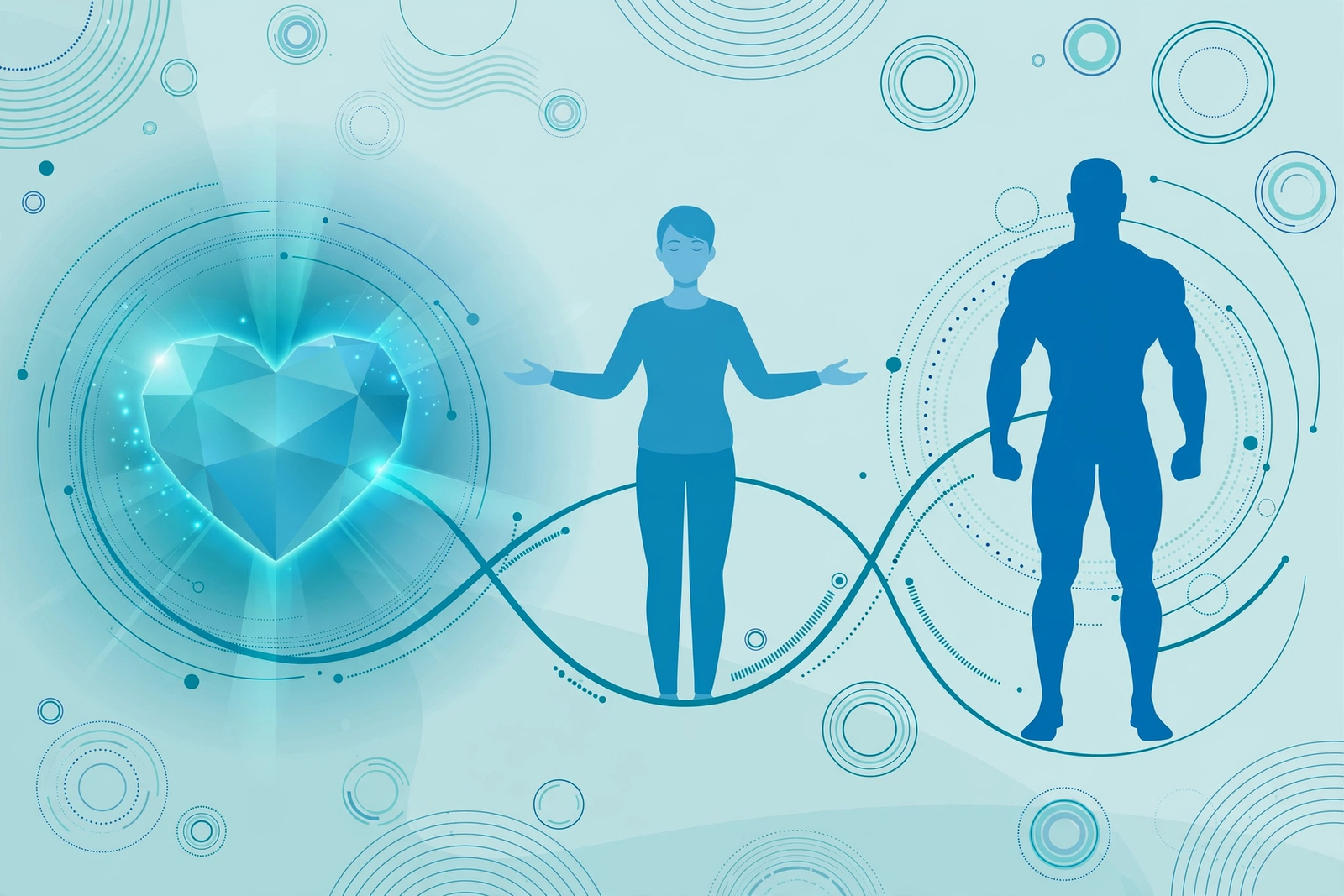
Have you ever noticed how stress shows up in your body — tight shoulders, a racing heart, or exhaustion that sleep doesn’t fix? From a clinical psychology perspective, this isn’t a coincidence. Your mental and physical health are deeply connected, and understanding that link is the first step toward truly holistic healing.
The connection between mental health and physical health is complex and multifaceted. Clinical psychology has increasingly recognized that mental well-being significantly impacts physical health and vice versa. Conditions such as chronic stress, anxiety, depression, and trauma can exacerbate physical ailments, while physical conditions like chronic pain, diabetes, and cardiovascular disease can worsen mental health. Understanding this relationship is crucial for providing effective, comprehensive care to individuals.
In this article, we will explore the relationship between mental health and physical health, how psychological conditions can impact the body, and how clinical psychologists help individuals achieve holistic health by addressing both the mind and body.
1. The Mind-Body Connection in Clinical Psychology
The mind-body connection refers to the interrelatedness between our mental and physical health. Clinical psychology emphasizes that mental and emotional well-being directly affects how the body functions. When we experience psychological stress, for example, it can trigger physical symptoms like headaches, muscle tension, or digestive issues. Conversely, chronic physical illnesses can lead to psychological symptoms such as depression, anxiety, or reduced quality of life.
1.1 The Role of Stress in Physical Health:
Stress is one of the most significant psychological factors that affects physical health. When we experience stress, our body activates the “fight or flight” response, releasing hormones like cortisol and adrenaline to prepare us for action. While this response is helpful in short bursts, chronic stress can have harmful effects on the body.
Prolonged stress can contribute to various physical health problems, such as:
- Cardiovascular Issues: Chronic stress is linked to high blood pressure, heart disease, and an increased risk of stroke.
- Immune System Suppression: Long-term stress can weaken the immune system, making individuals more susceptible to infections and illnesses.
- Gastrointestinal Problems: Stress can lead to digestive issues such as irritable bowel syndrome (IBS), ulcers, and acid reflux.
- Chronic Pain: Psychological stress can amplify pain perception, leading to conditions like tension headaches, migraines, and muscle pain.
Understanding the connection between stress and physical health helps clinical psychologists develop strategies for managing stress and preventing its negative impact on the body.
2. Psychological Conditions and Their Physical Effects
Certain psychological conditions are closely linked to specific physical health problems. Clinical psychologists are trained to recognize how mental health issues can manifest physically and work with individuals to address both the psychological and physical aspects of their health.
2.1 Depression and Physical Health:
Depression is a common mental health condition that can have profound effects on physical health. Individuals with depression may experience fatigue, changes in appetite, and sleep disturbances, all of which can negatively impact physical health. In some cases, depression can also contribute to the development or exacerbation of chronic conditions like heart disease, diabetes, and obesity.
Additionally, depression is often linked to poor self-care behaviors, such as neglecting exercise, eating unhealthy foods, and avoiding medical care. This can lead to a vicious cycle where poor physical health worsens mental health, and vice versa.
2.2 Anxiety and Physical Symptoms:
Anxiety disorders, such as generalized anxiety disorder, panic disorder, and social anxiety, can also have physical manifestations. Common physical symptoms of anxiety include:
- Muscle tension
- Shortness of breath
- Dizziness
- Sweating
- Heart palpitations
These physical symptoms can be distressing and lead to increased anxiety, creating a cycle of mental and physical distress. Clinical psychologists help individuals manage anxiety through therapeutic techniques, such as relaxation exercises, mindfulness, and Cognitive Behavioral Therapy (CBT), which reduce both the psychological and physical symptoms of anxiety.
2.3 Chronic Pain and Mental Health:
Chronic pain, which is often associated with conditions like arthritis, fibromyalgia, or back pain, can significantly impact mental health. Individuals living with chronic pain often experience depression, anxiety, and sleep disturbances, and the constant physical discomfort can lead to emotional distress.
Clinical psychologists help individuals with chronic pain by teaching coping strategies to manage both the physical and emotional aspects of the condition. Cognitive Behavioral Therapy (CBT) for chronic pain focuses on altering negative thought patterns about pain and developing healthier coping strategies to reduce the emotional burden of pain.
3. The Impact of Physical Health Conditions on Mental Health
While we often focus on the impact of mental health on physical health, the reverse is also true: physical health conditions can have a significant effect on mental well-being. Chronic illnesses, serious medical conditions, and even physical injuries can lead to psychological challenges such as depression, anxiety, and a reduced quality of life.
3.1 Chronic Illness and Depression:
Chronic physical conditions, such as heart disease, diabetes, or cancer, often lead to feelings of hopelessness, sadness, and frustration. The constant management of symptoms, medical treatments, and limitations in physical functioning can trigger or worsen depressive symptoms.
Clinical psychologists work with individuals with chronic illness to help them adjust to the emotional challenges of living with a long-term health condition. Therapy may focus on improving emotional regulation, building resilience, and helping individuals find meaning and purpose in their lives despite their physical challenges.
3.2 Impact of Physical Injuries on Mental Health:
Physical injuries, such as accidents or surgeries, can also lead to psychological distress. Individuals who experience significant injuries may develop post-traumatic stress disorder (PTSD), depression, or anxiety. The loss of mobility, changes in appearance, or long-term pain can lead to feelings of isolation, frustration, and grief.
Psychologists help individuals cope with the emotional challenges of physical injuries by providing therapy that addresses trauma, loss, and adjustment. Techniques like grief counseling, cognitive restructuring, and relaxation exercises can help individuals adjust to their new circumstances and manage the psychological toll of their injury.
4. Holistic Treatment Approaches in Clinical Psychology
Given the strong connection between mental and physical health, clinical psychologists often use a holistic approach to treatment. This means addressing both the psychological and physical aspects of health to help individuals achieve overall well-being. A holistic approach involves incorporating mental health interventions alongside physical health management to provide comprehensive care.
4.1 Mind-Body Interventions:
Clinical psychologists may incorporate mind-body interventions, such as mindfulness, meditation, and relaxation exercises, into treatment plans. These interventions help individuals manage stress, improve emotional regulation, and promote physical relaxation, all of which contribute to better overall health.
4.2 Behavioral Interventions for Physical Health:
In addition to therapy for mental health, clinical psychologists may work with individuals to improve their physical health by encouraging healthy behaviors, such as regular exercise, proper nutrition, and adequate sleep. These behaviors can positively impact both mental and physical health, contributing to a more balanced and healthier lifestyle.
4.3 Collaborative Care:
Clinical psychologists often collaborate with other healthcare providers, such as primary care physicians, nutritionists, and physical therapists, to ensure that patients receive integrated care that addresses both their mental and physical health needs. Collaborative care allows for a more comprehensive treatment approach that improves outcomes and ensures that no aspect of the individual’s well-being is overlooked.
5. Challenges in Addressing the Mind-Body Connection
Although the mind-body connection is well-established, there are challenges in addressing both mental and physical health simultaneously. Some of these challenges include:
5.1 Stigma Around Mental Health:
Stigma around mental health can prevent individuals from seeking therapy or psychological help, especially when they are also dealing with physical health conditions. Many people may prioritize their physical health over their mental health, failing to recognize the importance of addressing both simultaneously.
5.2 Access to Comprehensive Care:
Access to integrated mental and physical healthcare can be limited, especially in underserved areas. Many individuals may receive care for one aspect of their health but not the other, leading to fragmented care and less effective treatment outcomes.
5.3 Chronic Conditions and Long-Term Treatment:
Treating chronic conditions, whether physical or psychological, often requires long-term management and treatment. Patients may become discouraged if they do not see immediate results, leading to disengagement from treatment.
Frequently Asked Questions
How does mental health impact physical health?
Mental health conditions like stress, anxiety, and depression can negatively affect physical health by contributing to cardiovascular disease, weakened immunity, chronic pain, and digestive issues. Addressing mental health is key to improving overall physical well-being.
Can physical health conditions lead to mental health problems?
Yes, physical health conditions, particularly chronic illnesses or injuries, can lead to mental health issues such as depression, anxiety, and PTSD. The psychological impact of dealing with long-term illness or pain can significantly affect emotional well-being.
What is a holistic approach in clinical psychology?
A holistic approach in clinical psychology involves treating both the mind and body. This approach includes addressing psychological issues through therapy while also encouraging healthy physical behaviors, such as exercise and nutrition, to promote overall well-being.
Key Takeaways
The relationship between mental health and physical health is complex, and both aspects must be addressed for individuals to achieve overall well-being. Clinical psychologists play a crucial role in helping individuals manage the psychological effects of physical health conditions and the physical impact of mental health disorders. By taking a holistic approach to treatment, clinical psychologists promote both emotional and physical healing, contributing to a healthier, more balanced life.
If you or someone you know is struggling with the impact of mental health on physical health, contact us today to learn how clinical psychology can help improve your overall well-being.
