



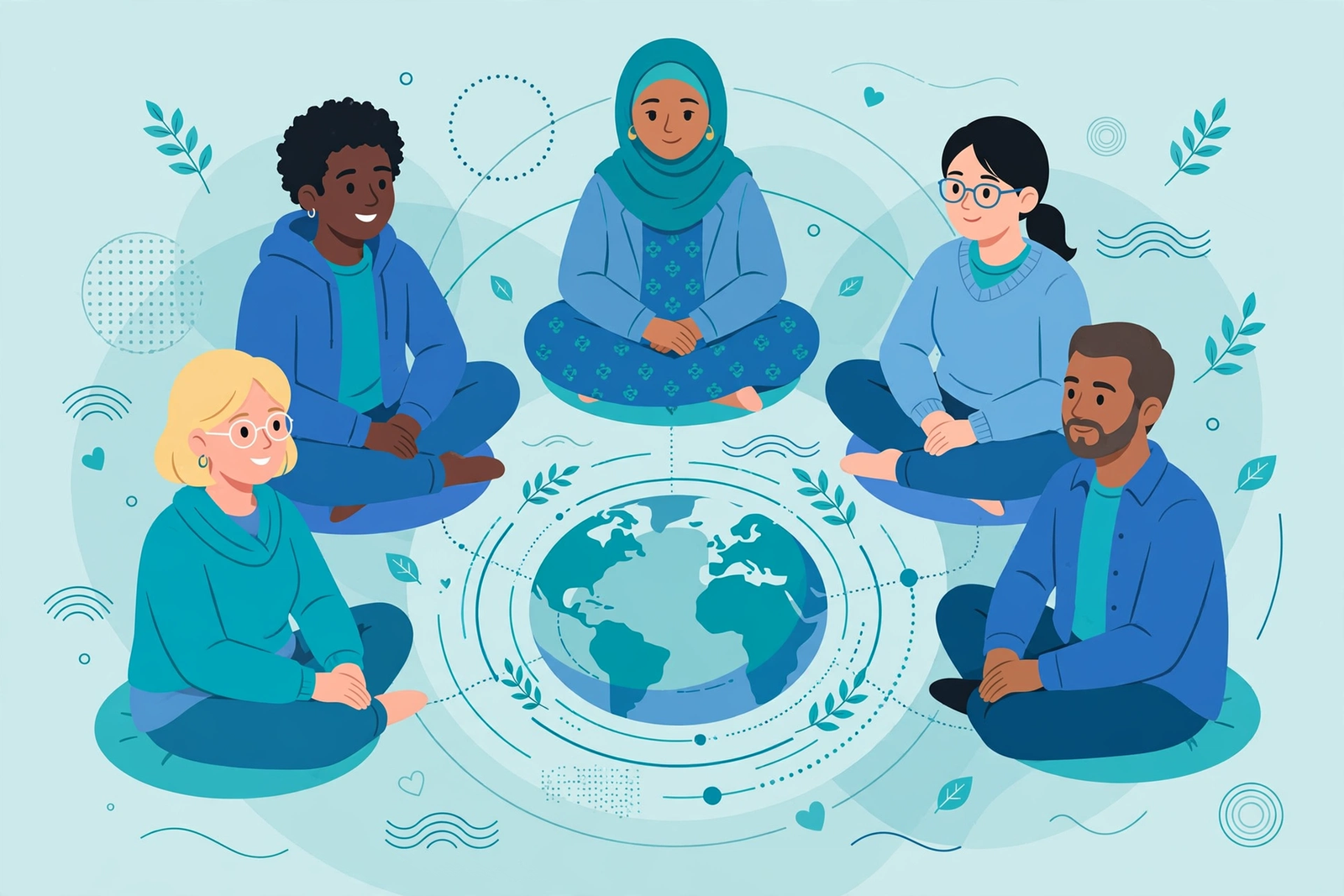
When you seek help for your mental health, you deserve to feel truly seen and understood — including the cultural values, beliefs, and experiences that shape who you are. Cultural competence in clinical psychology is about exactly that: ensuring your therapist can honor your background while providing care that actually works for you.
Cultural competence is a critical aspect of clinical psychology that ensures psychologists are able to effectively work with individuals from diverse backgrounds. In a multicultural world, understanding and respecting cultural differences is essential for building trust, providing effective care, and addressing the unique needs of clients from various cultural, ethnic, and socioeconomic backgrounds.
In this article, we will discuss the importance of cultural competence in clinical psychology, how cultural awareness improves therapeutic outcomes, and the strategies clinical psychologists use to ensure culturally sensitive care. We will also explore the benefits of cultural competence for both clients and mental health professionals.
1. What is Cultural Competence in Clinical Psychology?
Cultural competence in clinical psychology refers to the ability of psychologists to understand, appreciate, and work effectively with individuals from diverse cultural backgrounds. This involves recognizing the impact of culture on an individual’s worldview, values, beliefs, and behavior, and adapting therapeutic practices to meet the cultural needs of clients.
1.1 Cultural Awareness and Sensitivity:
Cultural awareness is the first step in cultural competence. It involves recognizing that individuals from different cultural groups may have different ways of thinking, behaving, and experiencing emotions. Cultural sensitivity builds on this awareness, ensuring that psychologists respect these differences and incorporate them into their therapeutic approach.
Cultural competence goes beyond simply acknowledging cultural differences; it involves actively engaging with and respecting the cultural factors that influence a person’s experience of mental health. This approach allows for more personalized, empathetic care and improves the effectiveness of therapy.
2. The Role of Culture in Mental Health
Culture plays a significant role in shaping an individual’s mental health and how they experience psychological distress. Cultural norms, values, and expectations can influence how emotions are expressed, how mental health symptoms are perceived, and how individuals seek help for mental health issues.
2.1 Cultural Differences in Emotional Expression:
Different cultures have varying norms regarding the expression of emotions. For example, in some cultures, expressing sadness or vulnerability may be seen as a sign of weakness, while in others, it is more acceptable to openly express emotions. Cultural competence helps psychologists understand these differences and adjust their therapeutic approach accordingly.
For instance, an individual from a culture that values stoicism may not express feelings of sadness or anxiety in the same way as someone from a culture that encourages emotional openness. A culturally competent psychologist would be mindful of these differences and avoid misinterpreting the client’s emotional state.
2.2 Cultural Stigma and Mental Health:
In many cultures, mental health issues may be stigmatized, and seeking help from a mental health professional may be viewed as a sign of shame or weakness. Understanding cultural stigma is important for clinical psychologists, as it allows them to approach therapy in a way that reduces stigma and encourages clients to seek help.
For example, a client from a culture where mental illness is heavily stigmatized may be reluctant to disclose certain symptoms due to fear of judgment. A culturally competent psychologist would be sensitive to this and create a safe, non-judgmental space for the client to express their concerns.
2.3 Cultural Views on Therapy:
Different cultures also have varying views on psychotherapy and counseling. In some cultures, mental health treatment may be viewed as essential, while in others, there may be a preference for alternative healing practices, such as family or community-based support, religious or spiritual practices, or traditional medicine.
Clinical psychologists who are culturally competent can navigate these differences and integrate culturally relevant practices into their therapeutic approach. This may involve collaborating with other professionals, such as spiritual leaders, community elders, or alternative healers, to provide comprehensive care that respects the client’s cultural beliefs.
3. How Cultural Competence Enhances Therapy
Cultural competence enhances therapy by ensuring that clients feel understood, respected, and valued. When a psychologist is culturally competent, they are better equipped to build trust with their clients, engage them in the therapeutic process, and address the unique challenges that clients from different cultural backgrounds face.
3.1 Building Trust and Rapport:
Cultural competence helps clinical psychologists build trust and rapport with clients. When a psychologist demonstrates cultural sensitivity, clients are more likely to feel comfortable sharing their experiences and concerns. This trust is essential for effective therapy, as it creates a safe environment for open communication.
For example, a culturally competent psychologist may take the time to ask about the client’s cultural background and preferences, demonstrating an interest in the client’s identity. This gesture can help the client feel respected and valued, increasing their willingness to engage in therapy.
3.2 Improving Treatment Outcomes:
Therapeutic outcomes are more likely to be positive when cultural competence is integrated into the treatment process. Psychologists who are culturally competent are better able to tailor their interventions to the individual needs of the client, which leads to more effective treatment. By understanding how cultural factors influence mental health, psychologists can provide interventions that are more likely to resonate with the client and lead to lasting change.
For instance, a psychologist working with a client from a collectivist culture may incorporate family therapy or community-based support into the treatment plan, recognizing the importance of the family in the client’s healing process.
3.3 Enhancing Communication:
Cultural competence also improves communication between the psychologist and the client. Understanding cultural differences in communication styles helps reduce the risk of misunderstandings. For example, in some cultures, direct confrontation or questioning may be seen as disrespectful, while in others, it is an essential part of open communication.
A culturally competent psychologist is attuned to these differences and adapts their communication style accordingly. This ensures that the therapist’s messages are conveyed clearly and that the client feels heard and understood.
4. Strategies for Developing Cultural Competence
Developing cultural competence is an ongoing process that requires self-awareness, education, and active engagement with diverse populations. Clinical psychologists can use several strategies to enhance their cultural competence and provide better care for clients from different cultural backgrounds.
4.1 Self-Reflection and Awareness:
One of the first steps in developing cultural competence is self-reflection. Psychologists should take time to reflect on their own cultural background, biases, and assumptions. By acknowledging their own cultural perspectives, psychologists can become more aware of how these factors may influence their interactions with clients.
Self-awareness also involves recognizing any biases or stereotypes that may affect the therapeutic process. Psychologists should strive to be open-minded and non-judgmental in their approach to clients, recognizing that each individual’s experience is unique.
4.2 Cultural Education and Training:
Ongoing education and training are essential for developing cultural competence. Psychologists should seek out training programs, workshops, and resources that focus on cultural diversity and sensitivity. This can include learning about different cultural practices, traditions, and beliefs, as well as understanding how these factors impact mental health and treatment.
Psychologists may also benefit from supervision or consultation with colleagues who have experience working with diverse populations. This provides an opportunity to discuss challenges and gain insights into how to improve cultural competence in practice.
4.3 Engagement with Diverse Populations:
One of the best ways to develop cultural competence is through direct engagement with diverse populations. Clinical psychologists can actively seek to work with clients from different cultural backgrounds, which allows them to gain firsthand experience and develop a deeper understanding of the challenges these clients face.
Psychologists should also make an effort to stay informed about current cultural trends and social issues that may affect their clients, such as migration, refugee experiences, and social justice movements.
5. Challenges in Cultural Competence
While cultural competence is an essential skill for clinical psychologists, there are challenges associated with achieving it. Some of the common challenges include:
5.1 Cultural Stereotyping:
Cultural competence requires a balance between acknowledging cultural differences and avoiding cultural stereotyping. Psychologists must be careful not to make assumptions about clients based solely on their cultural background. Each individual is unique, and cultural competence involves recognizing and respecting this individuality.
5.2 Overcoming Language Barriers:
Language differences can be a significant challenge in providing culturally competent care. Psychologists who work with clients who speak different languages may need to utilize interpreters or cultural liaisons to ensure effective communication. Additionally, some cultural groups may have specific terms or concepts related to mental health that do not directly translate into other languages, requiring additional effort to ensure mutual understanding.
Frequently Asked Questions
Why is cultural competence important in clinical psychology?
Cultural competence ensures that psychologists can work effectively with clients from diverse backgrounds. It allows for more personalized care, builds trust, improves communication, and enhances treatment outcomes.
How can cultural competence improve therapy outcomes?
By understanding and respecting cultural differences, clinical psychologists can tailor their approach to meet the unique needs of each client, leading to more effective therapy and better outcomes.
What are the challenges in developing cultural competence?
Challenges include overcoming language barriers, avoiding cultural stereotyping, and understanding the diverse experiences of individuals from different cultural backgrounds. Continuous education and self-awareness are key to overcoming these challenges.
How can clinical psychologists develop cultural competence?
Clinical psychologists can develop cultural competence through self-reflection, ongoing education, and active engagement with diverse populations. Seeking supervision and attending cultural sensitivity training are also important steps.
Key Takeaways
Cultural competence is an essential aspect of clinical psychology that allows therapists to provide effective care to individuals from diverse backgrounds. By understanding cultural differences, building trust, and adapting therapeutic approaches, clinical psychologists can improve treatment outcomes and support clients in their mental health journey. Developing cultural competence is an ongoing process that involves self-awareness, education, and engagement with diverse populations.
If you’re seeking a culturally competent clinical psychologist who respects and values your unique cultural background, contact us today.
