



Key Points
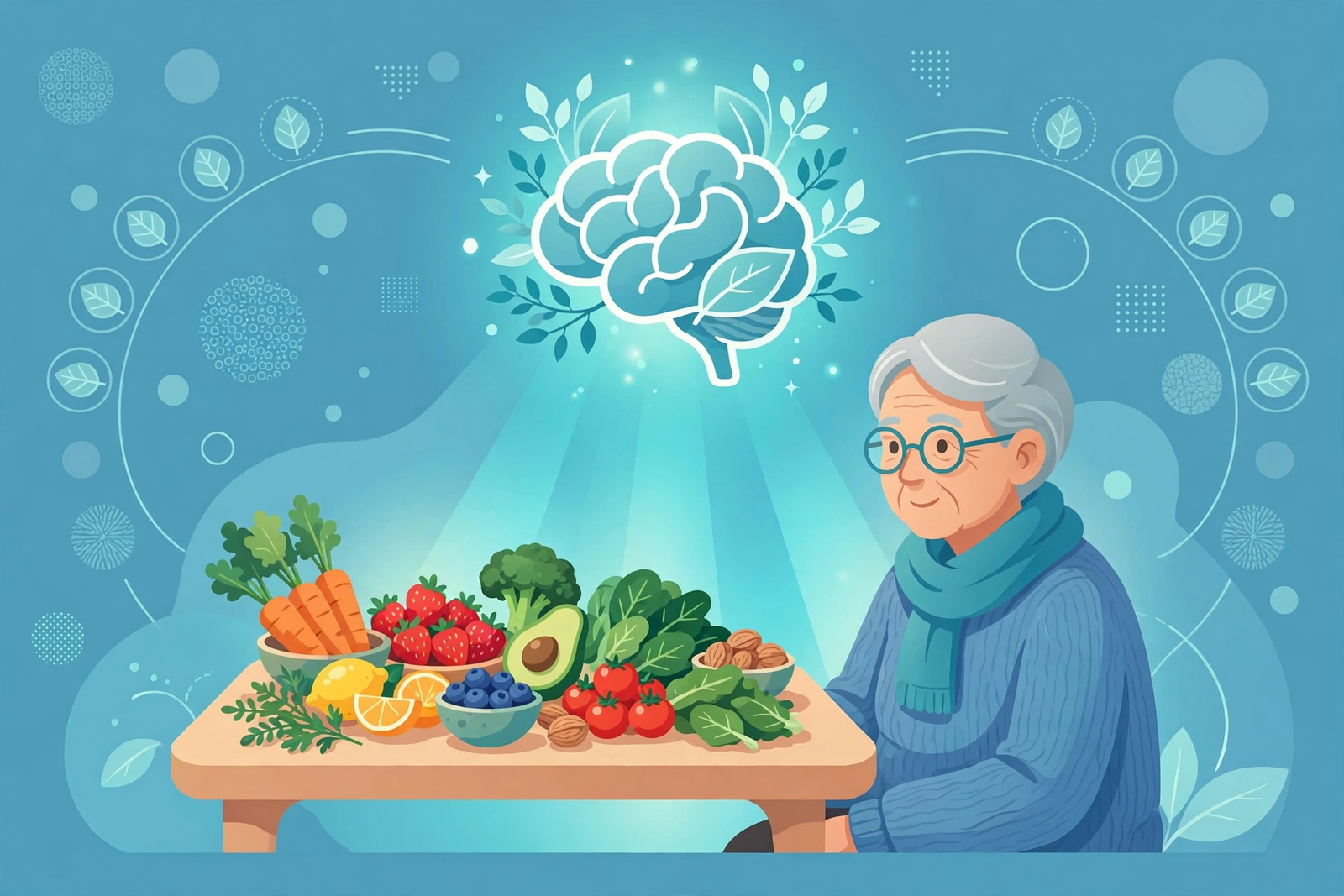
- Nutrition plays a vital role in managing dementia and supporting brain health.
- A balanced diet, rich in antioxidants, healthy fats, and vitamins, can help slow the progression of dementia and improve cognitive function.
- Certain nutrients, such as omega-3 fatty acids and B vitamins, are particularly beneficial for brain health.
- Caregivers should encourage healthy eating habits and work with healthcare providers to ensure that the individual with dementia is receiving the necessary nutrients.
The Role of Nutrition in Dementia Care
As dementia progresses, individuals may struggle with maintaining proper nutrition due to changes in appetite, difficulty swallowing, or challenges with meal preparation. However, a proper diet is crucial for supporting brain health and managing symptoms of dementia. Nutrition can play a significant role in improving cognitive function, slowing the progression of the disease, and maintaining overall well-being.
In this article, we will explore the role of nutrition in dementia care, the best foods to support brain health, and practical tips for caregivers to ensure proper nutrition for individuals with dementia.
How Nutrition Affects Dementia
The connection between diet and brain health is well-established. Studies have shown that certain foods and nutrients can help protect the brain, reduce inflammation, and support cognitive function. Conversely, a poor diet can contribute to cognitive decline, exacerbate dementia symptoms, and increase the risk of other health conditions that may worsen dementia.
1. Brain Health and Cognitive Function
- The Mediterranean diet: Research has shown that the Mediterranean diet, which is rich in fruits, vegetables, whole grains, legumes, nuts, and olive oil, is particularly beneficial for brain health. This diet emphasizes healthy fats and antioxidants, which help reduce inflammation and protect brain cells from damage.
- Antioxidants and brain function: Antioxidants, found in foods like berries, leafy greens, and colorful vegetables, help combat oxidative stress, which is a major factor in the development and progression of dementia. These nutrients protect brain cells from damage caused by free radicals.
2. The Link Between Inflammation and Dementia
Chronic inflammation is believed to play a role in the development of Alzheimer’s disease and other forms of dementia. Inflammation in the brain can damage brain cells and impair cognitive function.
- Anti-inflammatory foods: Certain foods are known to have anti-inflammatory properties, including fatty fish (such as salmon and mackerel), olive oil, turmeric, and green tea. These foods can help reduce brain inflammation and support overall brain health.
3. Supporting Neurotransmitter Function
Neurotransmitters, such as acetylcholine, are chemicals that help transmit signals in the brain and are essential for memory, learning, and other cognitive functions. In dementia, neurotransmitter activity is often disrupted.
- Nutrients for neurotransmitter support: Certain vitamins and minerals are critical for neurotransmitter function. For example, B vitamins (such as B6, B12, and folate) help support the production of neurotransmitters, while omega-3 fatty acids found in fatty fish are essential for brain cell communication and cognitive function.
Best Foods for Brain Health and Dementia Care
While there is no single food that can cure dementia, certain foods have been shown to support brain health and may help slow the progression of the disease. A diet rich in nutrients, healthy fats, and antioxidants is key.
1. Omega-3 Fatty Acids
- Why they’re important: Omega-3 fatty acids are essential for brain health and are known to help reduce inflammation and improve cognitive function. These healthy fats help protect brain cells and support memory and thinking.
- Sources: Fatty fish such as salmon, mackerel, sardines, and trout are excellent sources of omega-3s. For individuals who do not consume fish, plant-based sources such as flaxseeds, chia seeds, and walnuts are good alternatives.
2. Antioxidant-Rich Foods
- Why they’re important: Antioxidants help protect the brain from oxidative stress and free radical damage, both of which contribute to cognitive decline. These foods also help reduce inflammation in the brain.
- Sources: Berries (such as blueberries, strawberries, and blackberries) are particularly rich in antioxidants, especially flavonoids, which have been shown to improve brain function. Leafy green vegetables (such as spinach, kale, and broccoli) are also high in antioxidants.
3. B Vitamins
- Why they’re important: B vitamins, including B6, B12, and folate, are essential for cognitive health and the proper functioning of the brain. They help support neurotransmitter production and can help prevent cognitive decline.
- Sources: B6 and B12 are found in animal-based products, including meat, poultry, fish, eggs, and dairy. Folate is abundant in leafy greens, beans, and legumes, as well as fortified cereals.
4. Healthy Fats
- Why they’re important: Healthy fats are essential for brain cell structure and function. They support memory, learning, and overall cognitive health.
- Sources: Olive oil, avocados, nuts (such as almonds and walnuts), and seeds (such as flaxseeds and chia seeds) provide healthy fats that support brain health. These fats also have anti-inflammatory properties.
5. Whole Grains
- Why they’re important: Whole grains provide a steady supply of glucose, the brain’s primary energy source. They also contain fiber, which supports overall health and helps reduce the risk of chronic diseases.
- Sources: Whole grains such as oats, quinoa, brown rice, and whole wheat bread are good options for supporting brain function.
6. Green Tea and Herbal Teas
- Why they’re important: Green tea contains antioxidants known as catechins, which have been shown to improve brain function and protect against cognitive decline. Herbal teas, such as turmeric tea, are also known for their anti-inflammatory properties.
- Sources: Drinking green tea regularly can help boost cognitive health and reduce the risk of dementia. Turmeric tea (made with fresh turmeric root) is another excellent option for its anti-inflammatory benefits.
Tips for Caregivers to Encourage Healthy Eating
As dementia progresses, individuals may experience changes in appetite, difficulty swallowing, or confusion about meal times. Caregivers play a vital role in ensuring that their loved ones receive proper nutrition. Here are some tips for caregivers:
1. Offer Small, Frequent Meals
- Instead of three large meals, offer smaller, more frequent meals throughout the day. This can help ensure that the individual is getting enough nutrients and can also reduce feelings of being overwhelmed during mealtime.
2. Provide Easy-to-Eat Foods
- If the person with dementia has difficulty chewing or swallowing, offer soft, easy-to-eat foods. You can prepare foods such as mashed potatoes, smoothies, soups, and scrambled eggs to make eating easier.
3. Create a Calm, Relaxing Environment
- Minimize distractions during mealtime to help the individual focus on eating. A quiet, calm environment can make the experience more enjoyable and less stressful.
4. Make Mealtime Social
- Encourage social interaction during meals by eating together and engaging in conversation. Mealtime can become a time for connection and emotional support.
5. Monitor Hydration
- Dehydration can be a concern for individuals with dementia, as they may forget to drink fluids. Ensure that water, juice, or other beverages are readily available and encourage frequent sips throughout the day.
Red Flags to Watch For
Caregivers should be aware of signs that nutrition is becoming a concern, including:
- Unintentional weight loss: If the individual with dementia is losing weight without explanation, it may indicate that they are not eating enough.
- Difficulty swallowing: If the person is struggling to swallow or choking on food, it’s important to consult with a healthcare provider for advice on safe eating options.
- Changes in appetite: Significant changes in appetite, such as refusing to eat or showing a lack of interest in food, can indicate a need for medical evaluation.
Frequently Asked Questions
Can a special diet cure dementia?
While a special diet cannot cure dementia, a balanced, nutrient-rich diet can help manage symptoms and improve brain health. It may also slow the progression of dementia and enhance overall quality of life.
How can I encourage a loved one with dementia to eat?
Encourage small, frequent meals, make mealtime social, and ensure that foods are easy to chew and swallow. Create a calm environment and be patient, offering reassurance if needed.
What is the best diet for someone with dementia?
The Mediterranean diet, which includes plenty of fruits, vegetables, whole grains, healthy fats (like olive oil), and lean protein, is often recommended for brain health. Foods rich in omega-3 fatty acids, antioxidants, and B vitamins are particularly beneficial for cognitive function.
Key Takeaways
Proper nutrition plays a critical role in managing dementia and supporting brain health. A diet rich in omega-3 fatty acids, antioxidants, healthy fats, and B vitamins can help slow the progression of dementia, improve cognitive function, and enhance overall quality of life. Caregivers should focus on providing easy-to-eat meals, creating a calm environment, and ensuring proper hydration to support their loved ones’ nutritional needs.
If you’re caring for someone with dementia, consult with a healthcare provider or nutritionist to develop a meal plan that meets their specific needs.
