



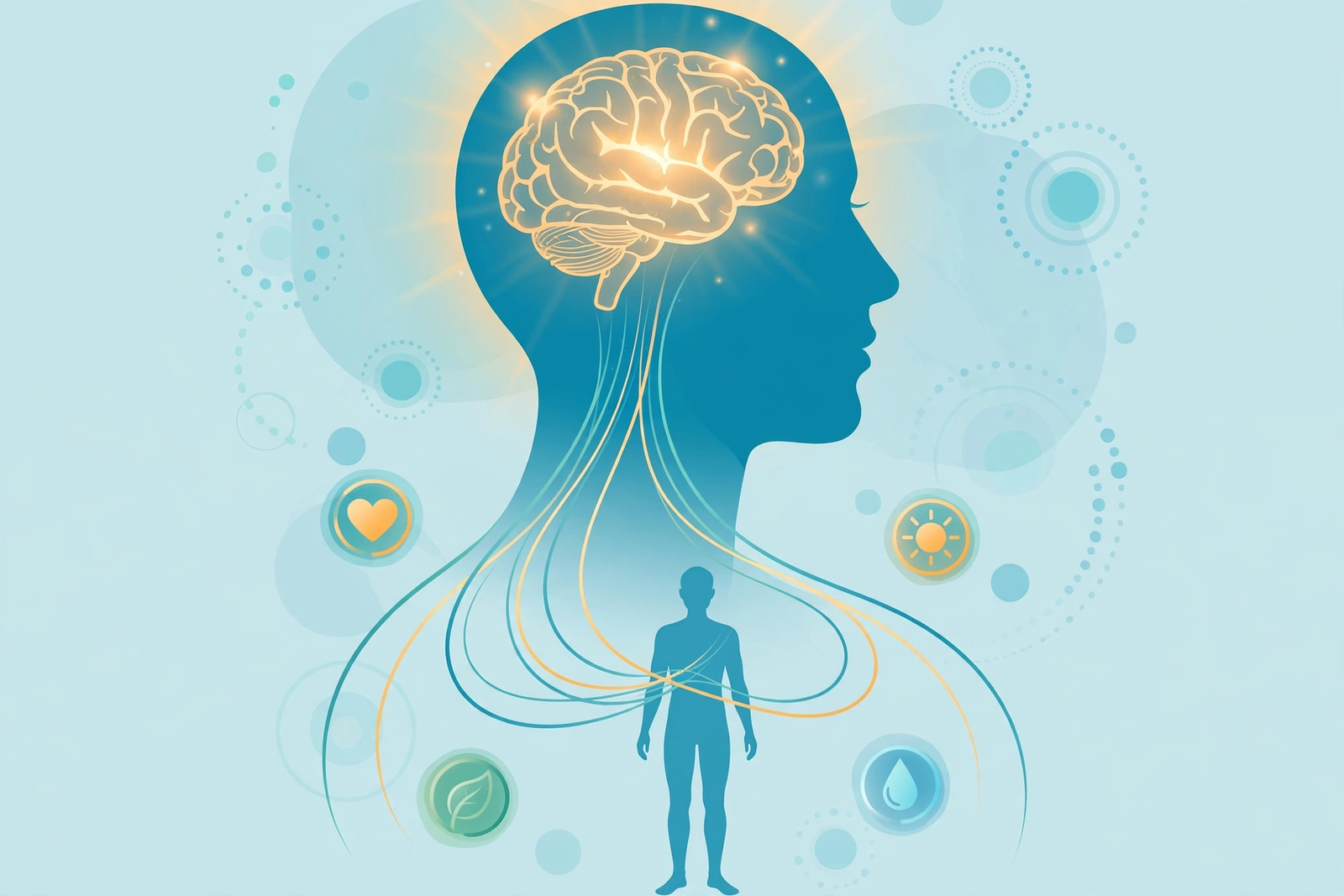
Key Points
- Emotional resilience is crucial for long-term recovery from eating disorders.
- Building emotional resilience helps individuals manage stress and emotional triggers without resorting to disordered eating behaviors.
- Therapy, mindfulness practices, and emotional support are key components in strengthening emotional resilience.
- Developing a positive mindset and self-compassion are integral to overcoming the psychological challenges of recovery.
- A strong support system plays a critical role in maintaining emotional well-being throughout the recovery process.
What is Emotional Resilience in Eating Disorder Recovery?
Emotional resilience is the ability to adapt to difficult situations, cope with stress, and recover with strength. If you’re navigating eating disorder recovery, building this inner resilience can be one of the most powerful tools you develop — and it’s a skill anyone can learn.
Building emotional resilience is an essential part of long-term recovery, because eating disorders often thrive on difficult emotions and stress. When you have healthier ways to cope, food no longer has to carry that burden.
In this article, we’ll explore how emotional resilience plays a key role in the recovery process — and share practical, compassionate strategies to help you strengthen it day by day.
Why Emotional Resilience Matters in Recovery
Emotional resilience is vital because it helps individuals:
- Handle emotional distress: Rather than using eating behaviors to cope with difficult emotions, emotionally resilient individuals can manage their feelings in healthy ways.
- Stay motivated through setbacks: Recovery from eating disorders is often a long and challenging process. Emotional resilience helps individuals bounce back from setbacks and continue on their recovery journey.
- Develop self-compassion and acceptance: Building emotional resilience involves learning to be kind to oneself, accepting imperfections, and letting go of unrealistic expectations.
- Build a balanced relationship with food and the body: Emotional resilience enables individuals to develop a healthy relationship with food, free from anxiety or guilt.
By focusing on emotional well-being and developing resilience, individuals in recovery can create a stronger foundation for long-term healing and mental health.
Strategies for Building Emotional Resilience in Eating Disorder Recovery
Building emotional resilience takes time and practice. Below are several strategies that can help strengthen resilience and improve emotional well-being during the recovery process.
1. Therapy and Psychological Support:
Therapy is one of the most effective ways to build emotional resilience. It helps individuals develop healthier thought patterns, challenge negative beliefs, and learn emotional regulation techniques.
a. Cognitive Behavioral Therapy (CBT):
CBT is widely used in the treatment of eating disorders and is particularly effective for building emotional resilience. CBT helps individuals:
- Identify and change negative thought patterns about food, body image, and self-worth.
- Learn how to cope with stress and emotional triggers without resorting to disordered eating behaviors.
- Reframe distorted beliefs about their body and appearance to promote self-compassion.
b. Dialectical Behavior Therapy (DBT):
DBT is another effective therapy that combines elements of CBT with mindfulness and emotional regulation techniques. DBT helps individuals:
- Manage intense emotions, which can prevent emotional eating or purging behaviors.
- Build healthier coping mechanisms and emotional regulation skills.
- Improve interpersonal relationships and communication, which is important for building a support system.
Therapy provides the necessary tools to build emotional resilience by teaching individuals how to respond to difficult emotions in a balanced and healthy way.
2. Mindfulness and Stress-Reduction Practices:
Mindfulness techniques, such as meditation, yoga, and deep breathing exercises, can help individuals build emotional resilience by teaching them how to stay present and manage stress in healthy ways.
a. Mindfulness Meditation:
Mindfulness meditation helps individuals focus on the present moment without judgment. This practice encourages individuals to observe their thoughts, feelings, and physical sensations without becoming overwhelmed or reacting impulsively. Mindfulness helps in:
- Reducing anxiety and stress, which are often triggers for disordered eating.
- Promoting self-awareness, which can help individuals recognize emotional triggers and cope in healthier ways.
- Improving self-compassion, as mindfulness teaches individuals to be kind and accepting of themselves.
b. Yoga and Deep Breathing:
Yoga and deep breathing exercises can help individuals relax and reduce physical tension. These practices promote a sense of calm and mindfulness, making it easier to manage emotional distress. Yoga also encourages body acceptance and strengthens the mind-body connection, which is vital for individuals in recovery from eating disorders.
3. Building a Positive Mindset:
A positive mindset is essential for building emotional resilience and overcoming eating disorders. This involves:
- Shifting from a fixed mindset to a growth mindset: Embracing the belief that recovery is a journey and that challenges are opportunities for growth rather than setbacks.
- Reframing negative thoughts: Instead of focusing on perfection or body dissatisfaction, individuals can learn to focus on progress, self-improvement, and well-being.
- Fostering optimism: Focusing on the future and believing in the possibility of healing can help individuals stay motivated during recovery.
4. Self-Compassion and Self-Acceptance:
Practicing self-compassion involves treating oneself with kindness and understanding, especially during difficult moments. Individuals with eating disorders often have a harsh inner critic that reinforces feelings of shame and guilt. Learning to treat oneself with compassion can help reduce the negative impact of self-criticism.
a. Practicing Kindness Toward Yourself:
Encourage individuals to speak to themselves with kindness, just as they would speak to a friend. Instead of focusing on perceived flaws or mistakes, practice self-encouragement and celebrate small victories along the recovery journey.
b. Embracing Imperfection:
Accepting that no one is perfect, including ourselves, is an essential part of building emotional resilience. By embracing imperfection, individuals can reduce the pressure to be “perfect” and instead focus on progress and personal growth.
The Role of Support Systems in Emotional Resilience
A strong support system is a key element in building emotional resilience. Friends, family, and support groups can provide valuable encouragement and emotional strength throughout the recovery process.
1. Family and Friends:
Supportive family members and friends can:
- Offer encouragement and understanding during difficult times.
- Help individuals maintain a healthy perspective and stay focused on their recovery goals.
- Offer practical support, such as attending therapy sessions or preparing balanced meals.
2. Support Groups:
Support groups provide a sense of community and solidarity for individuals in recovery. In group settings, individuals can:
- Share their experiences and struggles, feeling less isolated.
- Learn coping strategies from others who are facing similar challenges.
- Receive emotional support and encouragement, which strengthens resilience.
Having a solid support network allows individuals to build resilience and face the challenges of recovery with confidence.
Red Flags to Watch For
Building emotional resilience is a long-term process, but it’s important to stay vigilant for any signs of relapse or emotional distress. Watch for the following red flags:
- A sudden increase in negative self-talk or self-criticism.
- Intense anxiety or emotional distress related to food or body image.
- Withdrawal from social situations or activities that promote recovery.
- Persistent feelings of hopelessness or helplessness.
If any of these signs appear, it is important to seek professional help and support as soon as possible.
Key Takeaways
Building emotional resilience is crucial for long-term recovery from eating disorders. Therapy, mindfulness practices, and a positive mindset help individuals develop the emotional strength needed to face challenges and prevent relapse. Self-compassion and a supportive network of family, friends, and support groups are key components of emotional resilience. With the right tools, individuals can navigate recovery and build a healthier, more balanced relationship with food and their body.
A gentle reminder: this article is for education and encouragement only — it’s not a substitute for professional medical advice, diagnosis, or treatment. Building resilience is a journey, and a qualified mental health professional can support you along the way. If you’d like guidance, contact me today for compassionate, personalized support in strengthening emotional resilience during eating disorders recovery.
