


Close Menu
Mind Healing Ghazala
    Facebook X (Twitter) Instagram
    Latest Updates
    • Back-to-School Anxiety: Helping Your Child Adjust
    • Living with Bipolar Disorder
    • Coping with Bipolar Disorder in the Workplace
    • Grandparents and Parenting: Making It Work in Joint Families
    • Depression and Anxiety: The Link
    • Navigating DSPS Challenges
    • Adjusting Your Sleep Schedule with DSPS
    • Can Spravato Help with Anxiety?
    • Stress and Anxiety in School Students: Causes & Solutions
    • Root Causes of DSPS: A Guide
    • Mind Management, Not Time Management: Key Principles
    • 10 Ways to Support Someone with Anxiety That Work
    • What Is Mental Health? Definitions, Disorders & Solutions
    • What Is ADHD: Symptoms, Diagnosis, & Treatment Guide
    • Why Childhood ADHD Develops: Causes and Risk Explained 2025
    • ADHD Treatment Options for Children: What Works
    • ADHD in School: Helping Children Succeed in 2025
    • Parenting a Child with ADHD: Daily Strategies Plan
    • Cognitive Behavioral Therapy (CBT) for Adjustment Disorder – How It Can Help You Cope
    • The Role of Family Therapy in Treating Adjustment Disorder – Strengthening Support and Communication
    Saturday, October 3
    Mind Healing GhazalaMind Healing Ghazala
    Youtube
    • Home
    • Conditions A-Z
    • All Topics
    • Living Well
      • Anxiety and Stress
      • Mental Health
      • Health Disorders
      • Fitness
      • Nutrition
    • Parenting
    • Relationship
    • Therapies
    • Trending
      • Syndromes
      • Health Test
    • Contact
    Mind Healing Ghazala
    Home » Hallucinogen Persisting Perception Disorder & Anxiety

    Hallucinogen Persisting Perception Disorder & Anxiety

    Dr. Ghazala TahirBy Dr. Ghazala TahirSeptember 8, 2026Updated:October 1, 2026 Hallucinogen Persisting Perception Disorder No Comments5 Mins Read
    Hallucinogen Persisting Perception Disorder & Anxiety
    Share
    Facebook Twitter LinkedIn Pinterest Email

    If you live with hallucinogen persisting perception disorder, you already know it is about more than just visual disturbances — it can stir up anxiety, panic, and a whole storm of emotions too. That is completely understandable. When your senses feel unpredictable, your nervous system stays on guard, and that can make symptoms feel even louder and harder to ignore. In this gentle guide, we will unpack the connection between HPPD and anxiety, and share practical, compassionate ways to calm your mind and soften the cycle — one small step at a time.
    Key Points

    • Anxiety commonly accompanies hallucinogen persisting perception disorder
    • Panic reactions can intensify visual symptoms
    • Emotional responses often maintain the symptom cycle
    • Regulating anxiety helps reduce perceptual distress
    • Emotional healing supports long-term improvement

    Understanding the Anxiety–Symptom Connection in Hallucinogen Persisting Perception Disorder

    Many people with hallucinogen persisting perception disorder experience anxiety alongside their visual symptoms. Please hear this: that anxiety is not a personal weakness. It is a completely natural response to living with unfamiliar, persistent sensory changes that you never asked for.

    When anxiety rises, your nervous system becomes more alert — it is simply trying to protect you. But this heightened state can amplify visual sensitivity, creating a difficult cycle: fear intensifies symptoms, and symptoms increase fear. The good news? Once you understand this cycle, you can begin to gently interrupt it.

    How Panic Affects Perception

    When panic strikes, it activates your body’s stress response, which directly affects how your senses process information. Let us look at what is happening beneath the surface.

    Heightened Sensory Awareness

    During panic, your brain goes into danger-scanning mode. Visual sensations become sharper and more noticeable, which can make distortions feel stronger or more intrusive than they really are. Nothing is actually getting worse — your alarm system is simply turned up too high.

    Loss of Emotional Safety

    If you are constantly watching for symptoms to return or worsen, you are not alone — this hypervigilance is incredibly common. But that constant monitoring keeps your nervous system activated, which delays the very calming you are longing for.

    Emotional Patterns That Maintain Distress

    Certain emotional responses — all very human ones — can unintentionally keep symptoms going. Recognizing them is the first step toward loosening their grip.

    Catastrophic Thinking

    When symptoms are interpreted as dangerous or permanent, fear naturally spikes. This reaction strengthens both anxiety and sensory awareness. Remember: uncomfortable does not mean dangerous.

    Avoidance Behaviors

    Avoiding activities out of fear can bring short-term relief, but over time it can quietly erode your confidence and keep your attention locked on symptoms.

    Self-Blame

    Guilt or shame about past substance use can weigh heavily and intensify emotional distress. You deserve the same compassion you would offer a dear friend — your past does not define your recovery.

    Supporting Emotional Regulation

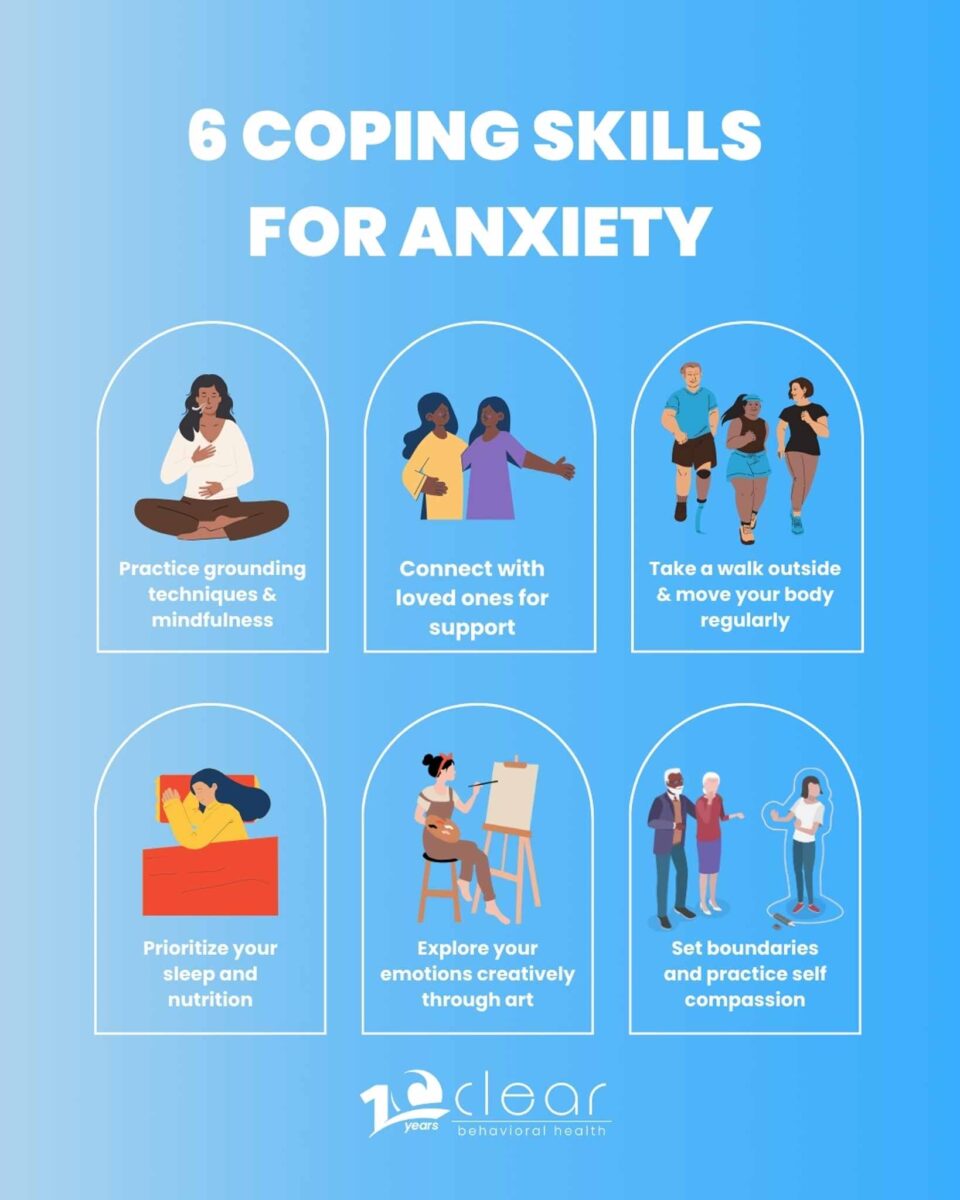
    Learning to regulate your emotions plays a central role in feeling better. The encouraging part? These are skills — and skills can be learned.

    Learning Calm Responses

    Responding to symptoms with curiosity or gentle neutrality — rather than fear — gradually teaches your nervous system that it can stand down. This shift takes practice, and every small moment counts.

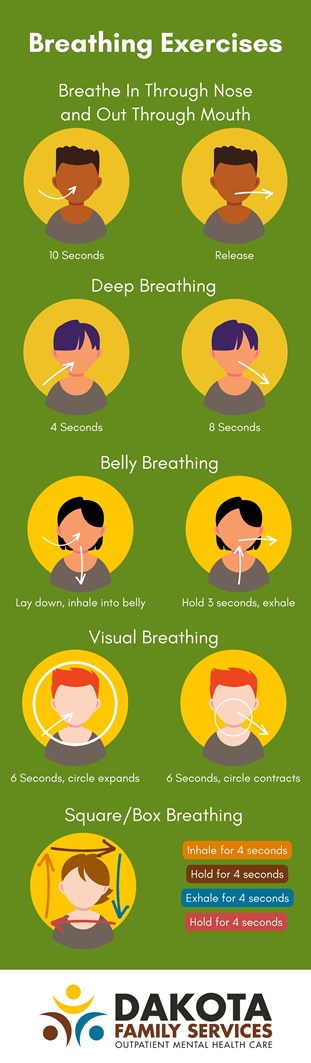
    Breathing and Relaxation

    Slow breathing, progressive muscle relaxation, and grounding exercises send a powerful signal of safety to your brain and can soften the intensity of panic. Even a few slow, steady breaths can make a real difference.

    Therapy for Anxiety Management

    Working with a therapist can help you reshape unhelpful thought patterns, process fear, and rebuild trust in your body’s ability to stabilize. You do not have to navigate this alone.

    Rebuilding Emotional Confidence

    Recovery involves learning — deep in your bones — that symptoms, while uncomfortable, are not dangerous. As your emotional confidence grows, symptoms often become far less disruptive.

    And please remember: feeling emotionally supported and understood reduces isolation and strengthens resilience. Connection heals.

    When Emotional Support Is Essential

    If persistent anxiety, panic attacks, or emotional distress are interfering with your daily life, please reach out to a qualified mental health professional. Early support can prevent deeper difficulties down the road. A gentle note: this article is for education and support only — it is not medical advice. A caring professional can help you find the path that is right for you.

    Frequently Asked Questions

    Does anxiety cause the disorder?
    No — anxiety does not cause the condition, but it can intensify how symptoms feel. The two often travel together, and easing one usually eases the other.

    Can panic attacks worsen visual disturbances?
    Yes. Panic heightens sensory awareness, which can temporarily make symptoms feel stronger. As panic settles, the symptoms tend to settle too.

    Will treating anxiety reduce visual symptoms?
    Very often, yes. As anxiety settles, most people notice their visual symptoms becoming less noticeable and less distressing.

    Is emotional recovery possible?
    Absolutely. With the right support and coping skills, emotional stability commonly improves — many people go on to feel like themselves again.

    Key Takeaways

    Anxiety and emotional distress often walk alongside hallucinogen persisting perception disorder — but they are manageable and treatable. By gently addressing fear, panic, and the emotional patterns that keep symptoms going, you can reduce their intensity and reclaim a sense of safety. Be patient with yourself: emotional healing is a powerful step toward long-term recovery, and you deserve support every step of the way.

    anxiety Coping Strategies emotional well-being HPPD Panic Attacks therapy

    Keep Reading

    Living with Bipolar Disorder

    Coping with Bipolar Disorder in the Workplace

    Depression and Anxiety: The Link

    Can Spravato Help with Anxiety?

    Stress and Anxiety in School Students: Causes & Solutions

    10 Ways to Support Someone with Anxiety That Work

    Add A Comment

    Comments are closed.

    About Author
    About Author

    I’m Dr. Ghazala Tahir, founder of Mind Healing Ghazala. With over a decade of experience in life management coaching, neuro-linguistic programming (NLP), hypnotherapy, and energy healing,
    Let’s work together to unlock your true potential.

    Latest News

    The Impact of Pepperdine Mental Health Counseling on Students

    August 2, 2024

    How Spring Health is Revolutionizing Mental Health with AI in 2024

    August 1, 2024

    Educator Mental Health Crisis in Scottish Schools Causes 400,000 Days Off

    July 31, 2024

    When Mental Health Is the Big Thing at The Olympic Games

    July 30, 2024
    Categories
    • Alcohol Addiction (2)
    • Anxiety and Stress (33)
      • Coping Strategy (6)
      • Panic Attacks (4)
      • Social Anxiety (4)
      • Stress Management (6)
      • Workplace Anxiety (1)
    • Assessment (14)
    • Conditions (504)
      • Addiction (13)
      • ADHD (22)
      • Adjustment Disorder (58)
      • Alcohol Addiction (53)
      • Alzheimer's Disease (26)
      • Anorexia (10)
      • Antisocial Personality Disorder (10)
      • Anxiety (2)
      • ARFID (10)
      • Autism (10)
      • Avoidant Personality Disorder (10)
      • Binge Drinking (10)
      • Binge Eating (10)
      • Bipolar Disorder (10)
      • Body Dysmorphic Disorder (10)
      • Borderline Personality Disorder (10)
      • Bulimia (10)
      • Caffeine Addiction (15)
      • Cannabis Use Disorder (10)
      • Clinical Psychology (9)
      • Cognitive Behavioral Therapy (10)
      • Conduct Disorder (10)
      • delayed-sleep-phase-syndrome (1)
      • Dementia (10)
      • Depression (11)
      • Depression, Childhood (10)
      • Disruptive Mood Dysregulation Disorder (12)
      • Drug Addiction (10)
      • DSM-5 (10)
      • Eating Disorders (21)
      • Female Sexual Arousal Disorder (18)
      • Gambling Disorder (11)
      • Gender Dysphoria (10)
      • Generalized Anxiety Disorder (10)
      • Grief & Loss (11)
      • Hallucinogen Persisting Perception Disorder (20)
    • Learn How to (1)
    • Meditation (2)
    • Mental Health (12)
      • Children’s Mental Health (2)
      • Men`s Mental Health (1)
      • Women’s Mental Health (3)
      • Workplace Mental Health (3)
    • Mental Health Disorders (5)
      • Bipolar Disorder (1)
      • Borderline Personality Disorder (1)
      • Suicidal Thoughts (3)
    • Mental Health News (5)
      • Olympic Games (1)
      • Science (1)
      • Start-up (1)
      • World (2)
    • Neurological Disorders (3)
      • Migraine (3)
    • Opinion (3)
    • Parenting (36)
      • Divorce (5)
      • Family Health & Wellness (6)
      • Family Stress (6)
      • Mindful Parenting (6)
      • Parent-Child Relationships (7)
      • Single Parents (4)
      • Working Parents (2)
    • Relationship (1)
    • Syndromes (9)
    • Therapies (29)
      • Couples Therapy (3)
      • Family Therapy (5)
      • Find a Therapist (9)
      • Online Therapy (3)
      • Psychiatrists (3)
      • Support Group (3)
    • Uncategorized (10)

    Subscribe to News

    Get the latest sports news from NewsSite about world, sports and politics.

    Recent Posts
    • Back-to-School Anxiety: Helping Your Child Adjust
    • Coping with Bipolar Disorder in the Workplace
    • Living with Bipolar Disorder
    • Grandparents and Parenting: Making It Work in Joint Families
    Advertisement
    Demo
    Facebook X (Twitter) Pinterest Vimeo WhatsApp TikTok Instagram

    Categories

    • Anxiety & Stress
    • Health Disorders
    • Parenting
    • Syndromes
    • Therapies
    • Opinion
    • Medical News Today

    Useful Links

    • Home
    • About Me
    • My Courses
    • Guest Posting (Open)
    • Sponsored Products
    • Index Your Business
    • Contact Me

    Subscribe to Updates

    Get the latest creative news from Mind Healing wirh Ghazala.

    © 2026 Mind Healing Ghazala. Developed by Extreme Lumens.
    • Privacy Policy

    Type above and press Enter to search. Press Esc to cancel.