



If you have noticed that your morning coffee or a glass of wine seems to turn up the volume on your hallucinogen persisting perception disorder symptoms, you are not imagining it. Many people with HPPD discover they become more sensitive to substances — caffeine, alcohol, even certain medications — than they were before. This is not a character flaw or permanent damage; it is your nervous system asking for a gentler approach. In this compassionate guide, we will explore substance sensitivity in HPPD and share practical lifestyle adjustments that can genuinely calm your symptoms.


Key Points
- Many individuals experience increased sensitivity to substances
- Caffeine and stimulants may intensify visual symptoms
- Lifestyle choices influence nervous system regulation
- Small habit changes can reduce symptom flare-ups
- Mindful living supports long-term stability
Understanding Substance Sensitivity in Hallucinogen Persisting Perception Disorder
Hallucinogen persisting perception disorder often involves heightened nervous system responsiveness. Because of this sensitivity, substances that stimulate the brain may affect you more strongly than you would expect.
This does not indicate weakness or permanent damage. It reflects temporary changes in how your nervous system responds to stimulation — and the encouraging news is that sensitivity often decreases as you heal.
Caffeine and Stimulants
Caffeine is one of the most commonly reported triggers for symptom flare-ups. If your visual snow or light sensitivity spikes after coffee, you are in good company.
How Caffeine Affects Symptoms
Caffeine increases alertness and nervous system activation. When your visual system is already sensitive, this extra activation can intensify visual snow, light sensitivity, or afterimages. It is like turning up the brightness on an already bright screen.
Some people tolerate small amounts, while others feel much better reducing or eliminating caffeine entirely. There is no single right answer — only what works for your body.
Gradual Adjustment
If you decide to cut back, go gently: abrupt cessation can cause withdrawal symptoms like headaches and irritability. Gradual reduction — mixing decaf with regular, then shifting fully — often feels more manageable and sustainable. Be kind to yourself through the transition.
Alcohol and Other Substances
Alcohol may temporarily take the edge off anxiety, but it often worsens symptoms later. Disrupted sleep and rebound anxiety the next day can increase visual disturbances — a frustrating trade-off.
Other substances that affect perception or nervous system activation may also trigger flare-ups. For most people, avoidance or significant reduction supports stabilization. This is not about judgment; it is about giving your nervous system the calm it needs to heal.
Lifestyle Choices That Support Stability
Beyond substances, your everyday habits shape your nervous system’s balance. Small, consistent choices add up.
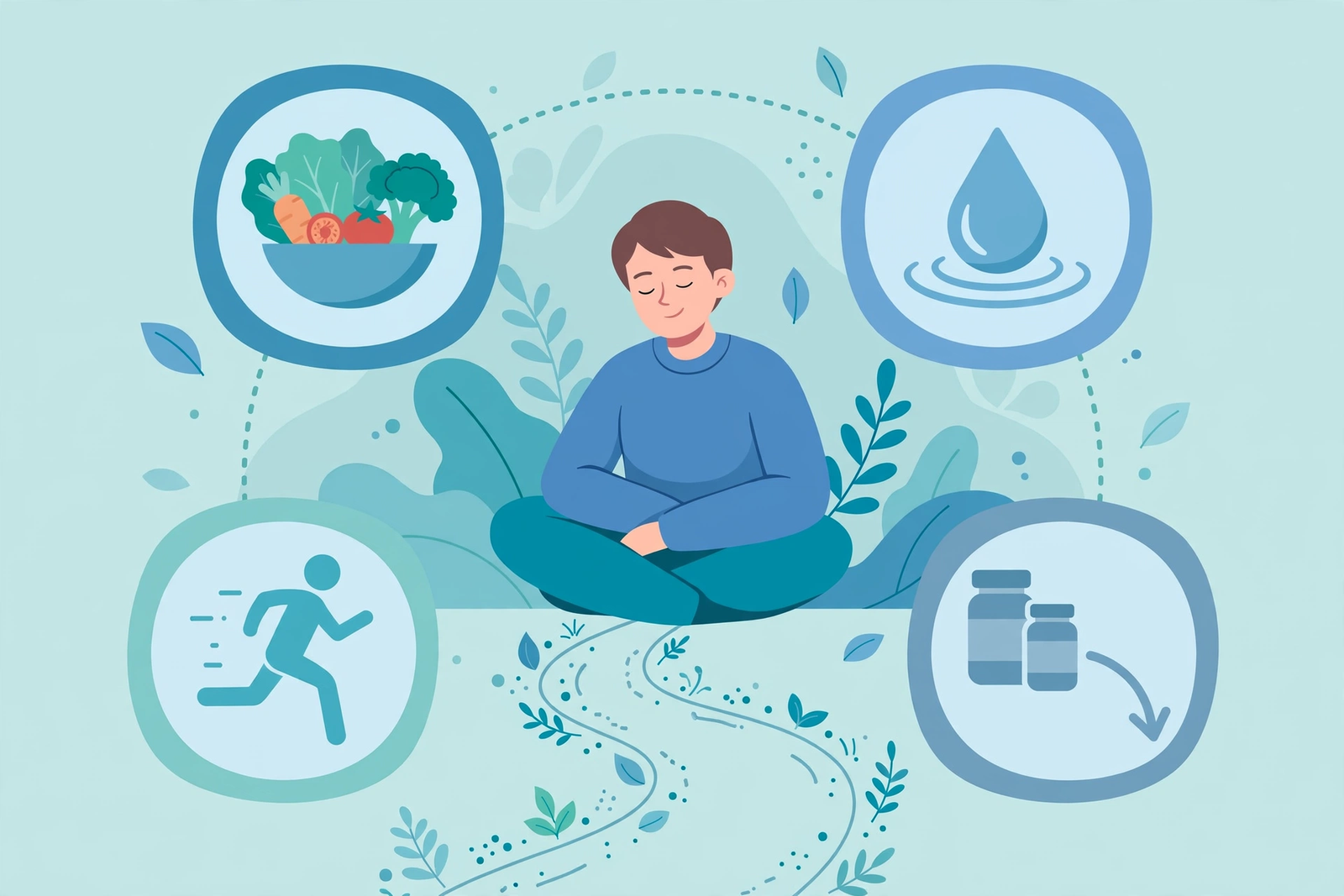
Nutrition and Hydration
Regular meals and proper hydration support brain function and reduce fatigue-related symptom sensitivity. Skipping meals or running dehydrated can make symptoms feel worse — your brain needs steady fuel.
Physical Activity
Gentle, consistent movement supports emotional regulation and reduces stress without overstimulating your system. A daily walk, stretching, or yoga can work wonders. The key word is gentle — intense workouts can sometimes temporarily heighten symptoms.
Stress Management
Daily stress-reduction practices — breathing exercises, meditation, time in nature — help prevent symptom amplification and emotional overload. Even five quiet minutes can shift your nervous system’s state.
Developing a Supportive Lifestyle
Lifestyle changes do not need to be extreme or all-at-once. Small, consistent adjustments often have the greatest long-term impact. Start with whatever feels most doable.
Listening to your body’s responses helps you identify what supports or challenges your stability. You become the expert on your own system — and that is empowering.
Reframing Lifestyle Changes
Rather than viewing adjustments as restrictions or punishments, try seeing them as temporary supports for healing — like resting a sprained ankle. This mindset shift makes changes feel caring rather than depriving.
Over time, as your nervous system stabilizes, sensitivity often decreases, allowing greater flexibility. What feels necessary now may not be forever.
Frequently Asked Questions
Is caffeine always harmful?
Not necessarily — responses vary. Some people tolerate small amounts, while others feel much better without it. Experiment gently and notice how you feel.
Can lifestyle changes really affect symptoms?
Yes — daily habits significantly influence nervous system regulation. Sleep, nutrition, movement, and stress management all matter more than you might expect.
Is complete avoidance necessary?
Not always. Mindful moderation is often effective. The goal is balance, not perfection.
Will sensitivity improve over time?
Many people notice increased tolerance as recovery progresses. Your nervous system can and does recalibrate.
Key Takeaways
Substance sensitivity and lifestyle choices play an important role in managing hallucinogen persisting perception disorder. By making mindful adjustments, reducing nervous system stimulation, and prioritizing balance, you can reduce symptom flare-ups and support long-term recovery. Remember: small changes can lead to meaningful improvement, and every caring choice counts. A gentle note: this article is for education and support, not medical advice. If substance use is a concern, a qualified professional can offer non-judgmental support.
