


Close Menu
Mind Healing Ghazala
    Facebook X (Twitter) Instagram
    Latest Updates
    • Back-to-School Anxiety: Helping Your Child Adjust
    • Living with Bipolar Disorder
    • Coping with Bipolar Disorder in the Workplace
    • Grandparents and Parenting: Making It Work in Joint Families
    • Depression and Anxiety: The Link
    • Navigating DSPS Challenges
    • Adjusting Your Sleep Schedule with DSPS
    • Can Spravato Help with Anxiety?
    • Stress and Anxiety in School Students: Causes & Solutions
    • Root Causes of DSPS: A Guide
    • Mind Management, Not Time Management: Key Principles
    • 10 Ways to Support Someone with Anxiety That Work
    • What Is Mental Health? Definitions, Disorders & Solutions
    • What Is ADHD: Symptoms, Diagnosis, & Treatment Guide
    • Why Childhood ADHD Develops: Causes and Risk Explained 2025
    • ADHD Treatment Options for Children: What Works
    • ADHD in School: Helping Children Succeed in 2025
    • Parenting a Child with ADHD: Daily Strategies Plan
    • Cognitive Behavioral Therapy (CBT) for Adjustment Disorder – How It Can Help You Cope
    • The Role of Family Therapy in Treating Adjustment Disorder – Strengthening Support and Communication
    Saturday, October 3
    Mind Healing GhazalaMind Healing Ghazala
    Youtube
    • Home
    • Conditions A-Z
    • All Topics
    • Living Well
      • Anxiety and Stress
      • Mental Health
      • Health Disorders
      • Fitness
      • Nutrition
    • Parenting
    • Relationship
    • Therapies
    • Trending
      • Syndromes
      • Health Test
    • Contact
    Mind Healing Ghazala
    Home » Hallucinogen Persisting Perception Disorder: Substances

    Hallucinogen Persisting Perception Disorder: Substances

    Dr. Ghazala TahirBy Dr. Ghazala TahirSeptember 10, 2026Updated:October 1, 2026 Hallucinogen Persisting Perception Disorder No Comments5 Mins Read
    Hallucinogen Persisting Perception Disorder: Substances
    Share
    Facebook Twitter LinkedIn Pinterest Email

    If you have noticed that your morning coffee or a glass of wine seems to turn up the volume on your hallucinogen persisting perception disorder symptoms, you are not imagining it. Many people with HPPD discover they become more sensitive to substances — caffeine, alcohol, even certain medications — than they were before. This is not a character flaw or permanent damage; it is your nervous system asking for a gentler approach. In this compassionate guide, we will explore substance sensitivity in HPPD and share practical lifestyle adjustments that can genuinely calm your symptoms.

    Key Points

    • Many individuals experience increased sensitivity to substances
    • Caffeine and stimulants may intensify visual symptoms
    • Lifestyle choices influence nervous system regulation
    • Small habit changes can reduce symptom flare-ups
    • Mindful living supports long-term stability

    Understanding Substance Sensitivity in Hallucinogen Persisting Perception Disorder

    Hallucinogen persisting perception disorder often involves heightened nervous system responsiveness. Because of this sensitivity, substances that stimulate the brain may affect you more strongly than you would expect.

    This does not indicate weakness or permanent damage. It reflects temporary changes in how your nervous system responds to stimulation — and the encouraging news is that sensitivity often decreases as you heal.

    Caffeine and Stimulants

    Caffeine is one of the most commonly reported triggers for symptom flare-ups. If your visual snow or light sensitivity spikes after coffee, you are in good company.

    How Caffeine Affects Symptoms

    Caffeine increases alertness and nervous system activation. When your visual system is already sensitive, this extra activation can intensify visual snow, light sensitivity, or afterimages. It is like turning up the brightness on an already bright screen.

    Some people tolerate small amounts, while others feel much better reducing or eliminating caffeine entirely. There is no single right answer — only what works for your body.

    Gradual Adjustment

    If you decide to cut back, go gently: abrupt cessation can cause withdrawal symptoms like headaches and irritability. Gradual reduction — mixing decaf with regular, then shifting fully — often feels more manageable and sustainable. Be kind to yourself through the transition.

    Alcohol and Other Substances

    Alcohol may temporarily take the edge off anxiety, but it often worsens symptoms later. Disrupted sleep and rebound anxiety the next day can increase visual disturbances — a frustrating trade-off.

    Other substances that affect perception or nervous system activation may also trigger flare-ups. For most people, avoidance or significant reduction supports stabilization. This is not about judgment; it is about giving your nervous system the calm it needs to heal.

    Lifestyle Choices That Support Stability

    Beyond substances, your everyday habits shape your nervous system’s balance. Small, consistent choices add up.

    Nutrition and Hydration

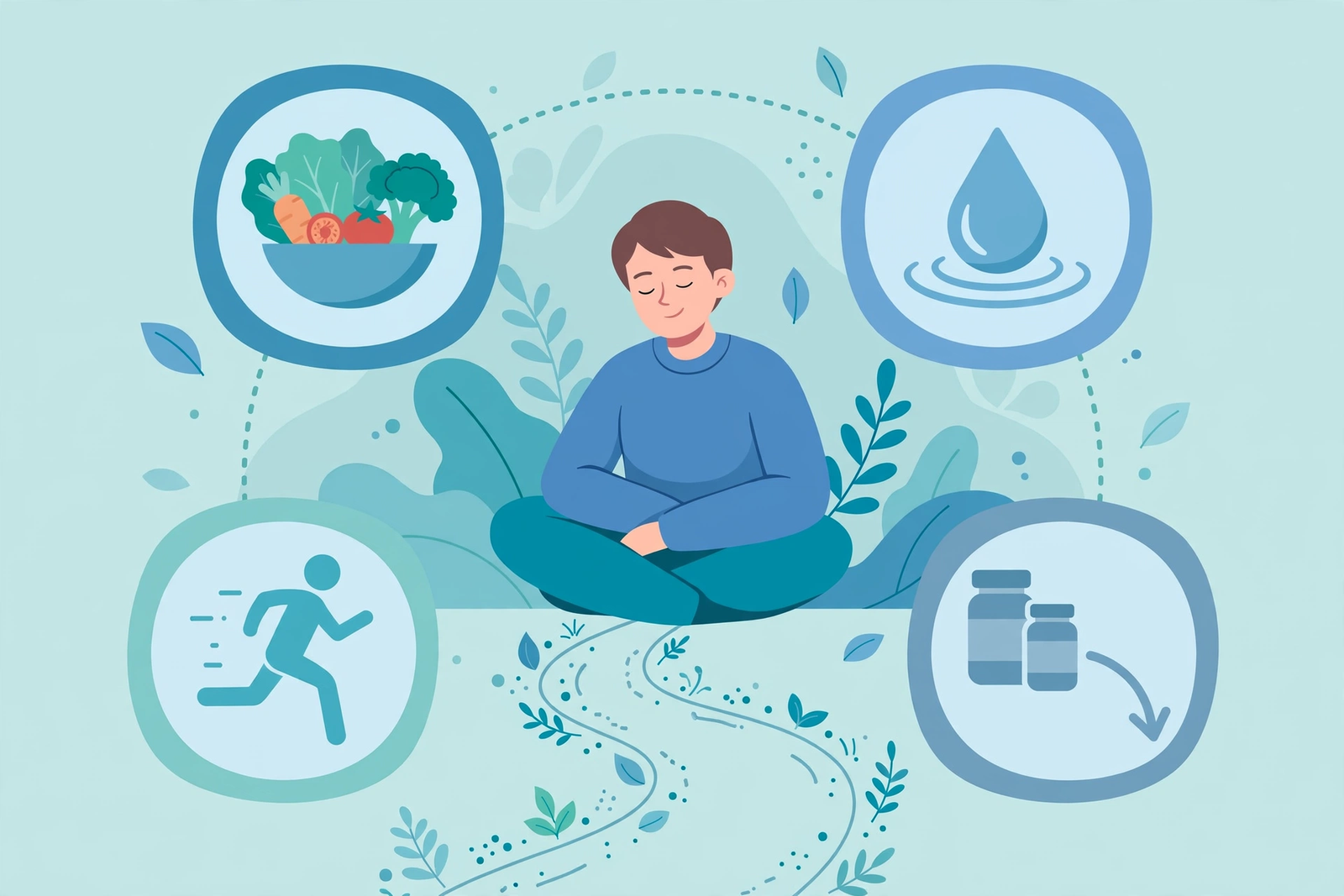
    Regular meals and proper hydration support brain function and reduce fatigue-related symptom sensitivity. Skipping meals or running dehydrated can make symptoms feel worse — your brain needs steady fuel.

    Physical Activity

    Gentle, consistent movement supports emotional regulation and reduces stress without overstimulating your system. A daily walk, stretching, or yoga can work wonders. The key word is gentle — intense workouts can sometimes temporarily heighten symptoms.

    Stress Management

    Daily stress-reduction practices — breathing exercises, meditation, time in nature — help prevent symptom amplification and emotional overload. Even five quiet minutes can shift your nervous system’s state.

    Developing a Supportive Lifestyle

    Lifestyle changes do not need to be extreme or all-at-once. Small, consistent adjustments often have the greatest long-term impact. Start with whatever feels most doable.

    Listening to your body’s responses helps you identify what supports or challenges your stability. You become the expert on your own system — and that is empowering.

    Reframing Lifestyle Changes

    Rather than viewing adjustments as restrictions or punishments, try seeing them as temporary supports for healing — like resting a sprained ankle. This mindset shift makes changes feel caring rather than depriving.

    Over time, as your nervous system stabilizes, sensitivity often decreases, allowing greater flexibility. What feels necessary now may not be forever.

    Frequently Asked Questions

    Is caffeine always harmful?
    Not necessarily — responses vary. Some people tolerate small amounts, while others feel much better without it. Experiment gently and notice how you feel.

    Can lifestyle changes really affect symptoms?
    Yes — daily habits significantly influence nervous system regulation. Sleep, nutrition, movement, and stress management all matter more than you might expect.

    Is complete avoidance necessary?
    Not always. Mindful moderation is often effective. The goal is balance, not perfection.

    Will sensitivity improve over time?
    Many people notice increased tolerance as recovery progresses. Your nervous system can and does recalibrate.

    Key Takeaways

    Substance sensitivity and lifestyle choices play an important role in managing hallucinogen persisting perception disorder. By making mindful adjustments, reducing nervous system stimulation, and prioritizing balance, you can reduce symptom flare-ups and support long-term recovery. Remember: small changes can lead to meaningful improvement, and every caring choice counts. A gentle note: this article is for education and support, not medical advice. If substance use is a concern, a qualified professional can offer non-judgmental support.

    alcohol Caffeine HPPD lifestyle recovery Substance Sensitivity

    Keep Reading

    Long-Term Physical Effects of Alcohol Addiction

    Adjustment Disorder and Substance Abuse

    Adjustment Disorder and Substance Abuse

    Long Term Recovery from Alcohol Addiction

    Hallucinogen Persisting Perception Disorder: When to Seek Help

    Hallucinogen Persisting Perception Disorder: Myths & Facts

    Add A Comment

    Comments are closed.

    About Author
    About Author

    I’m Dr. Ghazala Tahir, founder of Mind Healing Ghazala. With over a decade of experience in life management coaching, neuro-linguistic programming (NLP), hypnotherapy, and energy healing,
    Let’s work together to unlock your true potential.

    Latest News

    The Impact of Pepperdine Mental Health Counseling on Students

    August 2, 2024

    How Spring Health is Revolutionizing Mental Health with AI in 2024

    August 1, 2024

    Educator Mental Health Crisis in Scottish Schools Causes 400,000 Days Off

    July 31, 2024

    When Mental Health Is the Big Thing at The Olympic Games

    July 30, 2024
    Categories
    • Alcohol Addiction (2)
    • Anxiety and Stress (33)
      • Coping Strategy (6)
      • Panic Attacks (4)
      • Social Anxiety (4)
      • Stress Management (6)
      • Workplace Anxiety (1)
    • Assessment (14)
    • Conditions (504)
      • Addiction (13)
      • ADHD (22)
      • Adjustment Disorder (58)
      • Alcohol Addiction (53)
      • Alzheimer's Disease (26)
      • Anorexia (10)
      • Antisocial Personality Disorder (10)
      • Anxiety (2)
      • ARFID (10)
      • Autism (10)
      • Avoidant Personality Disorder (10)
      • Binge Drinking (10)
      • Binge Eating (10)
      • Bipolar Disorder (10)
      • Body Dysmorphic Disorder (10)
      • Borderline Personality Disorder (10)
      • Bulimia (10)
      • Caffeine Addiction (15)
      • Cannabis Use Disorder (10)
      • Clinical Psychology (9)
      • Cognitive Behavioral Therapy (10)
      • Conduct Disorder (10)
      • delayed-sleep-phase-syndrome (1)
      • Dementia (10)
      • Depression (11)
      • Depression, Childhood (10)
      • Disruptive Mood Dysregulation Disorder (12)
      • Drug Addiction (10)
      • DSM-5 (10)
      • Eating Disorders (21)
      • Female Sexual Arousal Disorder (18)
      • Gambling Disorder (11)
      • Gender Dysphoria (10)
      • Generalized Anxiety Disorder (10)
      • Grief & Loss (11)
      • Hallucinogen Persisting Perception Disorder (20)
    • Learn How to (1)
    • Meditation (2)
    • Mental Health (12)
      • Children’s Mental Health (2)
      • Men`s Mental Health (1)
      • Women’s Mental Health (3)
      • Workplace Mental Health (3)
    • Mental Health Disorders (5)
      • Bipolar Disorder (1)
      • Borderline Personality Disorder (1)
      • Suicidal Thoughts (3)
    • Mental Health News (5)
      • Olympic Games (1)
      • Science (1)
      • Start-up (1)
      • World (2)
    • Neurological Disorders (3)
      • Migraine (3)
    • Opinion (3)
    • Parenting (36)
      • Divorce (5)
      • Family Health & Wellness (6)
      • Family Stress (6)
      • Mindful Parenting (6)
      • Parent-Child Relationships (7)
      • Single Parents (4)
      • Working Parents (2)
    • Relationship (1)
    • Syndromes (9)
    • Therapies (29)
      • Couples Therapy (3)
      • Family Therapy (5)
      • Find a Therapist (9)
      • Online Therapy (3)
      • Psychiatrists (3)
      • Support Group (3)
    • Uncategorized (10)

    Subscribe to News

    Get the latest sports news from NewsSite about world, sports and politics.

    Recent Posts
    • Back-to-School Anxiety: Helping Your Child Adjust
    • Coping with Bipolar Disorder in the Workplace
    • Living with Bipolar Disorder
    • Grandparents and Parenting: Making It Work in Joint Families
    Advertisement
    Demo
    Facebook X (Twitter) Pinterest Vimeo WhatsApp TikTok Instagram

    Categories

    • Anxiety & Stress
    • Health Disorders
    • Parenting
    • Syndromes
    • Therapies
    • Opinion
    • Medical News Today

    Useful Links

    • Home
    • About Me
    • My Courses
    • Guest Posting (Open)
    • Sponsored Products
    • Index Your Business
    • Contact Me

    Subscribe to Updates

    Get the latest creative news from Mind Healing wirh Ghazala.

    © 2026 Mind Healing Ghazala. Developed by Extreme Lumens.
    • Privacy Policy

    Type above and press Enter to search. Press Esc to cancel.