Close Menu
Mind Healing Ghazala
    Facebook X (Twitter) Instagram
    Latest Updates
    • Back-to-School Anxiety: Helping Your Child Adjust
    • Living with Bipolar Disorder
    • Coping with Bipolar Disorder in the Workplace
    • Grandparents and Parenting: Making It Work in Joint Families
    • Depression and Anxiety: The Link
    • Navigating DSPS Challenges
    • Adjusting Your Sleep Schedule with DSPS
    • Can Spravato Help with Anxiety?
    • Stress and Anxiety in School Students: Causes & Solutions
    • Root Causes of DSPS: A Guide
    • Mind Management, Not Time Management: Key Principles
    • 10 Ways to Support Someone with Anxiety That Work
    • What Is Mental Health? Definitions, Disorders & Solutions
    • What Is ADHD: Symptoms, Diagnosis, & Treatment Guide
    • Why Childhood ADHD Develops: Causes and Risk Explained 2025
    • ADHD Treatment Options for Children: What Works
    • ADHD in School: Helping Children Succeed in 2025
    • Parenting a Child with ADHD: Daily Strategies Plan
    • Cognitive Behavioral Therapy (CBT) for Adjustment Disorder – How It Can Help You Cope
    • The Role of Family Therapy in Treating Adjustment Disorder – Strengthening Support and Communication
    Saturday, October 3
    Mind Healing GhazalaMind Healing Ghazala
    Youtube
    • Home
    • Conditions A-Z
    • All Topics
    • Living Well
      • Anxiety and Stress
      • Mental Health
      • Health Disorders
      • Fitness
      • Nutrition
    • Parenting
    • Relationship
    • Therapies
    • Trending
      • Syndromes
      • Health Test
    • Contact
    Mind Healing Ghazala
    Home » Hallucinogen Persisting Perception Disorder: Mindfulness

    Hallucinogen Persisting Perception Disorder: Mindfulness

    Dr. Ghazala TahirBy Dr. Ghazala TahirSeptember 11, 2026Updated:October 1, 2026 Hallucinogen Persisting Perception Disorder No Comments5 Mins Read
    Hallucinogen Persisting Perception Disorder: Mindfulness
    Share
    Facebook Twitter LinkedIn Pinterest Email

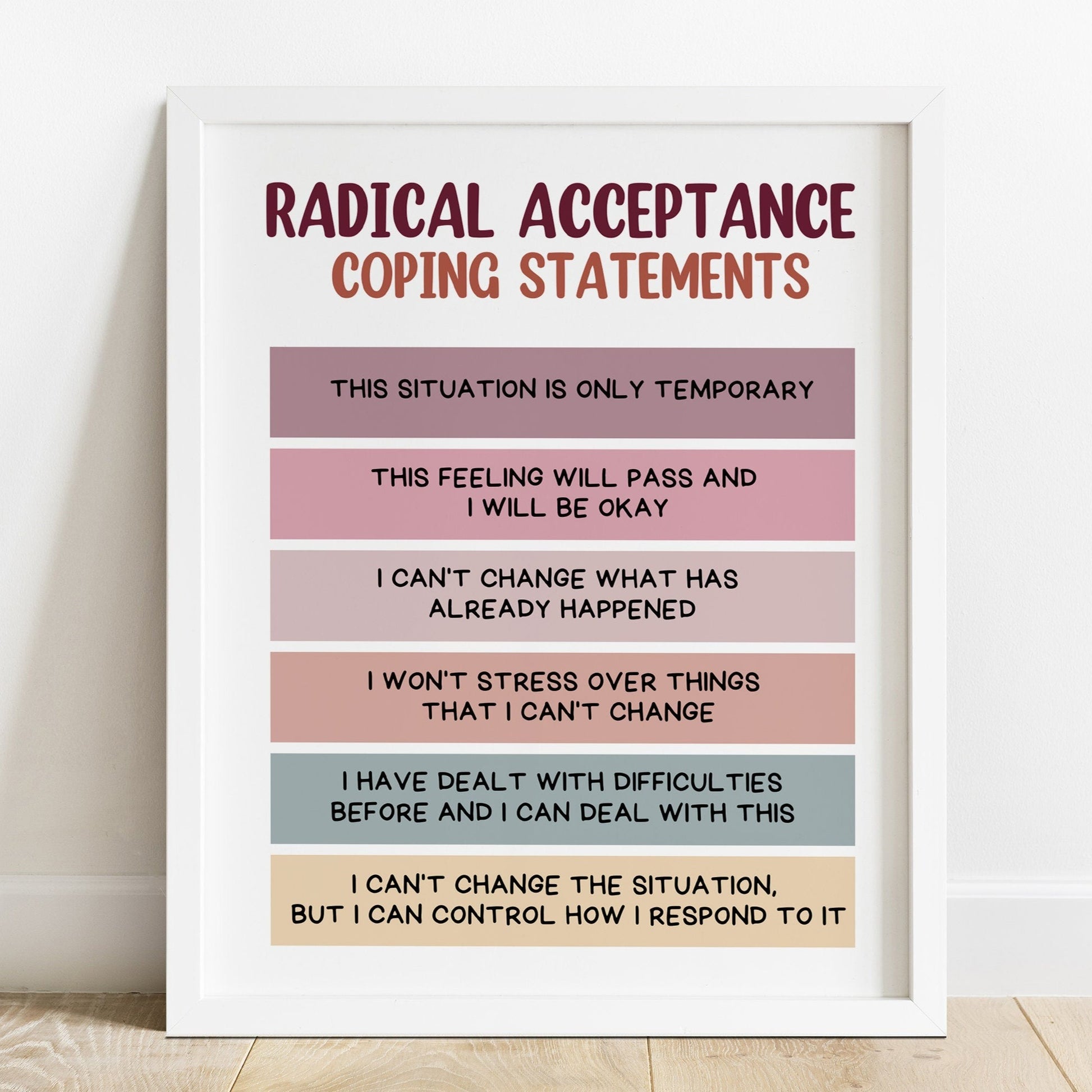
    When your vision feels unpredictable, the instinct is often to fight it — to monitor, worry, and brace against every flicker and trail. But what if the most powerful tool for living with hallucinogen persisting perception disorder is not fighting, but softening? Mindfulness, acceptance, and cognitive coping do not erase symptoms, but they can transform your relationship with them — turning fear into calm curiosity and helplessness into quiet confidence. In this gentle guide, we will explore practical skills that help you meet your symptoms with steadiness instead of struggle.

    Key Points

    • Mindfulness reduces emotional reactivity to symptoms
    • Acceptance lowers fear and nervous system activation
    • Cognitive coping skills interrupt distress cycles
    • Attention training decreases symptom fixation
    • These skills support long-term emotional stability

    Understanding Mindfulness for Hallucinogen Persisting Perception Disorder

    Mindfulness means paying attention to present-moment experiences without judgment. In hallucinogen persisting perception disorder, mindfulness helps you notice visual symptoms without reacting with fear or alarm — observing the static without spiraling.

    This approach does not aim to eliminate symptoms instantly. Instead, it reduces the emotional charge surrounding them, which often leads to reduced intensity over time. When the fear softens, the symptoms often soften too.

    Acceptance as a Healing Strategy

    Acceptance means acknowledging symptoms as they are, without resistance or struggle. It is not about liking them — it is about stopping the exhausting war against them.

    Why Resistance Increases Distress

    Fighting symptoms often heightens nervous system activation. Constant monitoring and frustration signal danger to your brain, amplifying sensory awareness. It is a cruel irony: the harder you fight, the louder symptoms can become.

    How Acceptance Helps

    When symptoms are met with calm acknowledgment, your nervous system gradually shifts toward safety. This shift often reduces symptom prominence and emotional exhaustion. You might try a simple phrase: “I see you, and I am okay.”

    Acceptance is an active skill, not resignation. It allows space for healing while keeping hope alive.

    Cognitive Coping Skills

    Cognitive coping focuses on how your thoughts influence your emotional and physical responses. By working with your thoughts, you can change how symptoms feel.

    Identifying Unhelpful Thoughts

    Thoughts like “This will never end” or “Something is wrong with my brain” increase anxiety and keep your nervous system on high alert. Simply noticing these patterns — naming them as thoughts, not facts — is the first step toward change.

    Reframing Responses

    Replacing catastrophic interpretations with realistic, compassionate thoughts reduces fear. For example, shifting from “My vision is ruined” to “My symptoms are uncomfortable but harmless, and they often ease with time” can genuinely shift your emotional state.

    Attention Redirection

    Gently redirecting your focus to tasks, sensations, or surroundings reduces hyperfixation on visual symptoms. This is not avoidance — it is choosing where to place your precious attention. The symptoms may still be there, but they do not have to be the main event.

    Practicing Mindfulness in Daily Life

    Mindfulness does not require long meditation sessions or a perfectly quiet room. Simple practices woven into your daily routine are often the most effective and sustainable.

    Try mindful breathing for two minutes, noticing the feeling of your feet on the floor, or really tasting your morning tea. Body awareness and noticing sounds and textures can ground your attention and calm your nervous system — no cushion required.

    Overcoming Common Challenges

    Some people worry that focusing inward will make symptoms worse. When practiced gently, mindfulness actually reduces symptom fixation by changing your relationship to sensations — you observe rather than react.

    Start slowly and practice briefly. Even one mindful minute a day builds confidence and comfort. There is no perfect way to do this; there is only your way.

    Long-Term Benefits of These Skills

    With regular practice, mindfulness and cognitive coping skills increase emotional resilience. Over time, symptoms often feel less threatening and less central to daily life — they become background noise rather than the whole story.

    These skills empower you to respond with calm rather than fear, supporting gradual recovery. You are building an inner steadiness that no symptom can take away.

    Frequently Asked Questions

    Does mindfulness make symptoms more noticeable?
    When practiced gently, it usually reduces emotional reactivity rather than increasing symptoms. The key is a soft, non-judgmental awareness — not intense scrutiny.

    Is acceptance the same as giving up?
    Not at all. Acceptance supports healing by reducing resistance and stress. Giving up says “nothing will help”; acceptance says “I will work with what is while I heal.”

    Can cognitive skills really change perception?
    They change your emotional responses, which often reduces symptom intensity. Calm the fear, and the visual noise frequently quiets too.

    How long does it take to see benefits?
    Many people notice emotional relief within weeks of consistent practice. Be patient — you are rewiring deep patterns.

    Key Takeaways

    Mindfulness, acceptance, and cognitive coping skills are powerful tools for managing hallucinogen persisting perception disorder. By reducing fear, changing thought patterns, and calming your nervous system, these approaches help you regain emotional balance and confidence. Remember: healing often begins with how symptoms are met, not how they are fought. Be as kind to yourself as you would be to a dear friend walking this path. A gentle note: this article is for education and support, not medical advice. A qualified therapist — especially one familiar with mindfulness-based approaches — can help you build these skills.

    Acceptance anxiety Cognitive Coping HPPD Meditation mindfulness

    Keep Reading

    Depression and Anxiety: The Link

    Can Spravato Help with Anxiety?

    Stress and Anxiety in School Students: Causes & Solutions

    Mind Management, Not Time Management: Key Principles

    10 Ways to Support Someone with Anxiety That Work

    What Is Mental Health? Definitions, Disorders & Solutions

    Add A Comment

    Comments are closed.

    About Author
    About Author

    I’m Dr. Ghazala Tahir, founder of Mind Healing Ghazala. With over a decade of experience in life management coaching, neuro-linguistic programming (NLP), hypnotherapy, and energy healing,
    Let’s work together to unlock your true potential.

    Latest News

    The Impact of Pepperdine Mental Health Counseling on Students

    August 2, 2024

    How Spring Health is Revolutionizing Mental Health with AI in 2024

    August 1, 2024

    Educator Mental Health Crisis in Scottish Schools Causes 400,000 Days Off

    July 31, 2024

    When Mental Health Is the Big Thing at The Olympic Games

    July 30, 2024
    Categories
    • Alcohol Addiction (2)
    • Anxiety and Stress (33)
      • Coping Strategy (6)
      • Panic Attacks (4)
      • Social Anxiety (4)
      • Stress Management (6)
      • Workplace Anxiety (1)
    • Assessment (14)
    • Conditions (504)
      • Addiction (13)
      • ADHD (22)
      • Adjustment Disorder (58)
      • Alcohol Addiction (53)
      • Alzheimer's Disease (26)
      • Anorexia (10)
      • Antisocial Personality Disorder (10)
      • Anxiety (2)
      • ARFID (10)
      • Autism (10)
      • Avoidant Personality Disorder (10)
      • Binge Drinking (10)
      • Binge Eating (10)
      • Bipolar Disorder (10)
      • Body Dysmorphic Disorder (10)
      • Borderline Personality Disorder (10)
      • Bulimia (10)
      • Caffeine Addiction (15)
      • Cannabis Use Disorder (10)
      • Clinical Psychology (9)
      • Cognitive Behavioral Therapy (10)
      • Conduct Disorder (10)
      • delayed-sleep-phase-syndrome (1)
      • Dementia (10)
      • Depression (11)
      • Depression, Childhood (10)
      • Disruptive Mood Dysregulation Disorder (12)
      • Drug Addiction (10)
      • DSM-5 (10)
      • Eating Disorders (21)
      • Female Sexual Arousal Disorder (18)
      • Gambling Disorder (11)
      • Gender Dysphoria (10)
      • Generalized Anxiety Disorder (10)
      • Grief & Loss (11)
      • Hallucinogen Persisting Perception Disorder (20)
    • Learn How to (1)
    • Meditation (2)
    • Mental Health (12)
      • Children’s Mental Health (2)
      • Men`s Mental Health (1)
      • Women’s Mental Health (3)
      • Workplace Mental Health (3)
    • Mental Health Disorders (5)
      • Bipolar Disorder (1)
      • Borderline Personality Disorder (1)
      • Suicidal Thoughts (3)
    • Mental Health News (5)
      • Olympic Games (1)
      • Science (1)
      • Start-up (1)
      • World (2)
    • Neurological Disorders (3)
      • Migraine (3)
    • Opinion (3)
    • Parenting (36)
      • Divorce (5)
      • Family Health & Wellness (6)
      • Family Stress (6)
      • Mindful Parenting (6)
      • Parent-Child Relationships (7)
      • Single Parents (4)
      • Working Parents (2)
    • Relationship (1)
    • Syndromes (9)
    • Therapies (29)
      • Couples Therapy (3)
      • Family Therapy (5)
      • Find a Therapist (9)
      • Online Therapy (3)
      • Psychiatrists (3)
      • Support Group (3)
    • Uncategorized (10)

    Subscribe to News

    Get the latest sports news from NewsSite about world, sports and politics.

    Recent Posts
    • Back-to-School Anxiety: Helping Your Child Adjust
    • Coping with Bipolar Disorder in the Workplace
    • Living with Bipolar Disorder
    • Grandparents and Parenting: Making It Work in Joint Families
    Advertisement
    Demo
    Facebook X (Twitter) Pinterest Vimeo WhatsApp TikTok Instagram

    Categories

    • Anxiety & Stress
    • Health Disorders
    • Parenting
    • Syndromes
    • Therapies
    • Opinion
    • Medical News Today

    Useful Links

    • Home
    • About Me
    • My Courses
    • Guest Posting (Open)
    • Sponsored Products
    • Index Your Business
    • Contact Me

    Subscribe to Updates

    Get the latest creative news from Mind Healing wirh Ghazala.

    © 2026 Mind Healing Ghazala. Developed by Extreme Lumens.
    • Privacy Policy

    Type above and press Enter to search. Press Esc to cancel.