


Close Menu
Mind Healing Ghazala
    Facebook X (Twitter) Instagram
    Latest Updates
    • Back-to-School Anxiety: Helping Your Child Adjust
    • Living with Bipolar Disorder
    • Coping with Bipolar Disorder in the Workplace
    • Grandparents and Parenting: Making It Work in Joint Families
    • Depression and Anxiety: The Link
    • Schizophrenia in Pakistan: Care, Stigma, and Support
    • Navigating DSPS Challenges
    • Supporting a Loved One With Schizophrenia: A Family Guide
    • Adjusting Your Sleep Schedule with DSPS
    • Schizophrenia Myths vs Facts: What Everyone Should Know
    • Can Spravato Help with Anxiety?
    • Schizophrenia Treatment: Medication, Therapy, and Recovery
    • Stress and Anxiety in School Students: Causes & Solutions
    • Root Causes of DSPS: A Guide
    • Borderline Personality Disorder in Pakistan: Awareness and Help
    • Mind Management, Not Time Management: Key Principles
    • 10 Ways to Support Someone with Anxiety That Work
    • BPD and Relationships: A Guide for Families and Partners
    • What Is Mental Health? Definitions, Disorders & Solutions
    • What Is ADHD: Symptoms, Diagnosis, & Treatment Guide
    Saturday, October 3
    Mind Healing GhazalaMind Healing Ghazala
    Youtube
    • Home
    • Conditions A-Z
    • All Topics
    • Living Well
      • Anxiety and Stress
      • Mental Health
      • Health Disorders
      • Fitness
      • Nutrition
    • Parenting
    • Relationship
    • Therapies
    • Trending
      • Syndromes
      • Health Test
    • Contact
    Mind Healing Ghazala
    Home » Hallucinogen Persisting Perception Disorder: Social Life

    Hallucinogen Persisting Perception Disorder: Social Life

    Dr. Ghazala TahirBy Dr. Ghazala TahirSeptember 11, 2026Updated:October 1, 2026 Hallucinogen Persisting Perception Disorder No Comments4 Mins Read
    Hallucinogen Persisting Perception Disorder: Social Life
    Share
    Facebook Twitter LinkedIn Pinterest Email

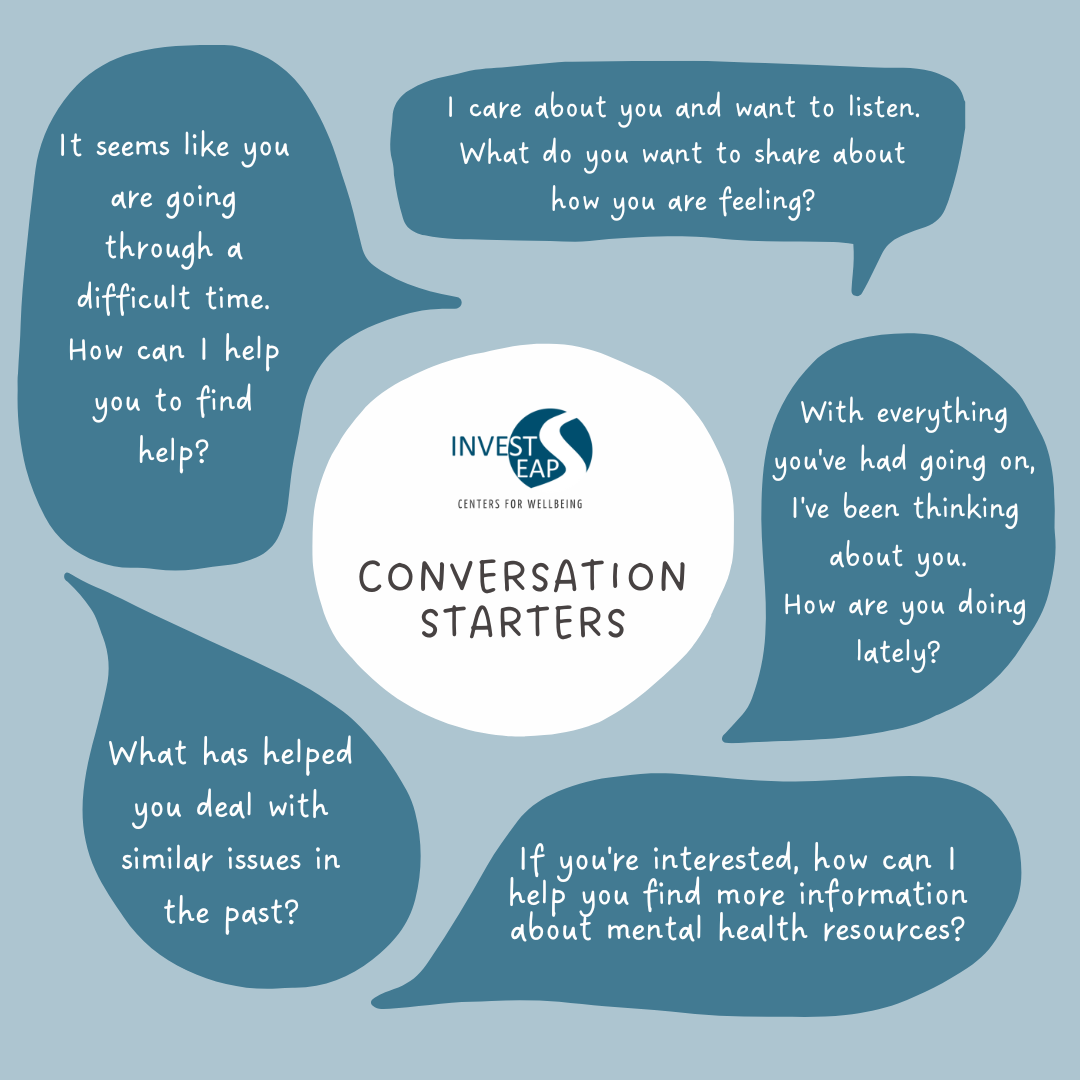
    Living with hallucinogen persisting perception disorder can make social life feel complicated. Maybe you have skipped gatherings because the lighting felt overwhelming, or struggled to explain why a busy restaurant leaves you drained. Perhaps you worry that friends will not understand what you are experiencing. You are not alone in any of this — and here is the reassuring truth: your social life does not have to shrink because of HPPD. In this warm, practical guide, we will explore how symptoms affect relationships and share gentle ways to communicate, set boundaries, and stay connected.
    Key Points

    • Social anxiety may develop alongside perceptual symptoms
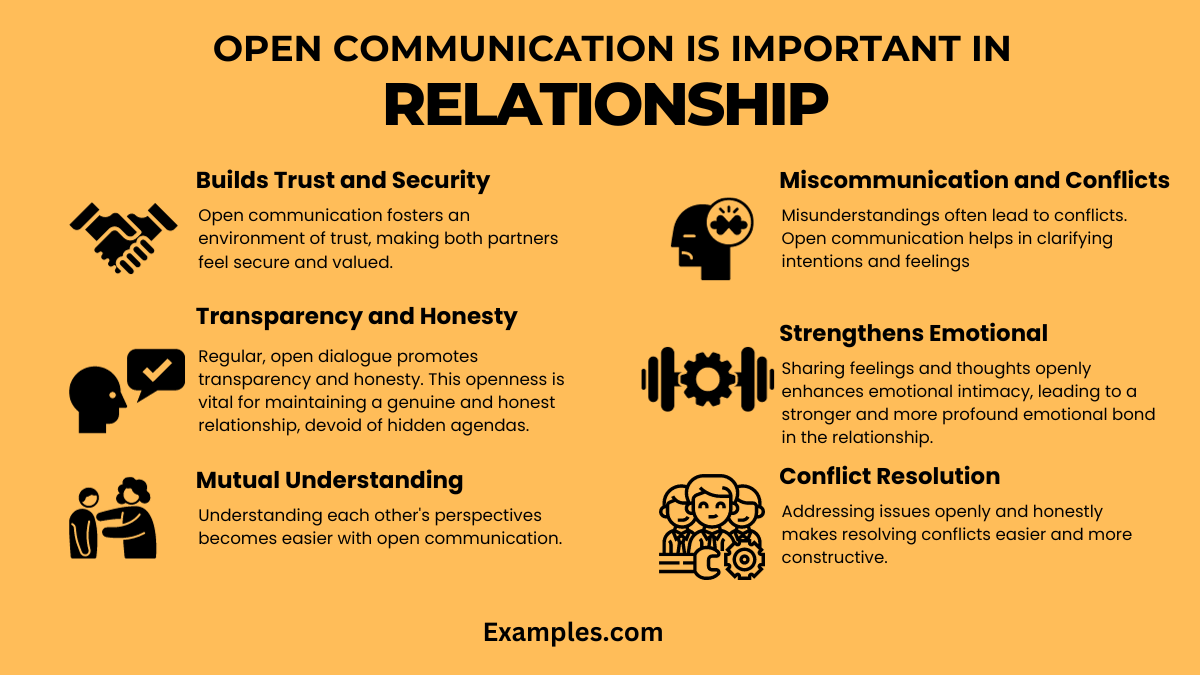
    • Open communication reduces misunderstanding and isolation
    • Relationships can remain strong with mutual understanding
    • Boundaries support emotional and sensory balance
    • Social connection plays a key role in recovery

    Understanding the Social Impact of Hallucinogen Persisting Perception Disorder

    Hallucinogen persisting perception disorder can change how social situations feel. Visual disturbances, sensory sensitivity, or anxiety may make gatherings more demanding than they used to be — and that is okay to acknowledge.

    These challenges do not reflect a loss of your social ability or personality. They represent temporary adjustments as your nervous system adapts. You are still you.

    Social Anxiety and Avoidance

    It is understandable if you have started avoiding social settings — fear of symptom flare-ups or not knowing how to explain your experience can make staying home feel safer.

    Fear of Being Misunderstood

    Worrying that others will not understand perceptual symptoms can increase self-consciousness. This fear may lead to withdrawal even when you genuinely crave connection. Remember: most people are more understanding than we fear.

    Sensory Overload in Social Settings

    Bright lighting, crowded spaces, and background noise can intensify symptoms. Knowing your sensory needs — and honoring them — helps reduce discomfort. It is okay to choose quieter venues or step outside for a breather.

    Communicating About the Condition

    Clear, selective communication supports your emotional safety. You get to decide who knows what — and that is empowering.

    Choosing When and How to Share

    Not everyone needs the full story. Sharing simple explanations with trusted people often feels sufficient and empowering. Something like “I have a visual sensitivity condition that makes busy places tiring” is plenty for most situations.

    Using Clear, Calm Language

    Describing symptoms in practical terms helps others understand without alarm. Calm explanations reduce stigma and invite empathy. You might be surprised how readily people accommodate when they understand.

    Supporting Healthy Relationships

    Relationships thrive on understanding and adaptability — from both sides.

    Setting Boundaries

    Communicating your limits around overstimulating environments helps prevent symptom flare-ups and emotional exhaustion. “I would love to come, but I may need to leave early” is a complete sentence. Good friends will understand.

    Accepting Support

    Allowing others to offer support strengthens connection and reduces isolation. Accepting help does not mean you are dependent — it means you are human, and humans need each other.

    Maintaining Reciprocity

    Staying engaged in relationships in ways that feel manageable preserves mutual connection and trust. Even small gestures — a text, a short call, a brief coffee — keep the thread of connection alive.

    Rebuilding Social Confidence

    Confidence often returns gradually, not all at once. Small, successful social interactions build comfort and reduce fear over time. Start where you are.

    Celebrate your wins: every gathering you enjoy, every honest conversation, every boundary you set kindly. These moments reinforce positive associations and remind you that connection is still yours.

    The Role of Social Support in Recovery

    Supportive relationships provide reassurance, validation, and emotional grounding. Feeling connected reduces stress and supports nervous system regulation — it is genuinely therapeutic.

    Even limited but meaningful social contact can make a significant difference. Quality matters more than quantity.

    Frequently Asked Questions

    Should social situations be avoided?
    Avoidance is not always helpful. Balanced, gentle engagement supports confidence and recovery better than isolation.

    How much should I explain to others?
    Share only what feels comfortable and helpful. You are not obligated to educate everyone — a simple explanation is enough.

    Can relationships survive this condition?
    Yes — many relationships actually strengthen through honest communication. The right people will want to understand.

    Does social support affect symptoms?
    Emotional support often reduces stress-related symptom intensity. Feeling safe with others calms your nervous system.

    Key Takeaways

    Social life and relationships can remain fulfilling while living with hallucinogen persisting perception disorder. Through open communication, healthy boundaries, and supportive connections, you can reduce isolation and strengthen emotional well-being. Remember: connection is not a burden — it is a powerful part of healing. You deserve relationships that honor both your needs and your worth. A gentle note: this article is for education and support, not medical advice. If social anxiety feels overwhelming, a qualified therapist can help you rebuild confidence at your own pace.

    communication HPPD relationships Social Anxiety social life support

    Keep Reading

    10 Ways to Support Someone with Anxiety That Work

    The Role of Family Therapy in Treating Adjustment Disorder – Strengthening Support and Communication

    Coping with Relationship Stress and Adjustment Disorder

    How to Support Someone with Adjustment Disorder

    Adjustment Disorder and Its Impact on Relationships

    Family Support for Adjustment Disorder

    Add A Comment

    Comments are closed.

    About Author
    About Author

    I’m Dr. Ghazala Tahir, founder of Mind Healing Ghazala. With over a decade of experience in life management coaching, neuro-linguistic programming (NLP), hypnotherapy, and energy healing,
    Let’s work together to unlock your true potential.

    Latest News

    The Impact of Pepperdine Mental Health Counseling on Students

    August 2, 2024

    How Spring Health is Revolutionizing Mental Health with AI in 2024

    August 1, 2024

    Educator Mental Health Crisis in Scottish Schools Causes 400,000 Days Off

    July 31, 2024

    When Mental Health Is the Big Thing at The Olympic Games

    July 30, 2024
    Categories
    • Alcohol Addiction (2)
    • Anxiety and Stress (33)
      • Coping Strategy (6)
      • Panic Attacks (4)
      • Social Anxiety (4)
      • Stress Management (6)
      • Workplace Anxiety (1)
    • Assessment (14)
    • Conditions (504)
      • Addiction (13)
      • ADHD (22)
      • Adjustment Disorder (58)
      • Alcohol Addiction (53)
      • Alzheimer's Disease (26)
      • Anorexia (10)
      • Antisocial Personality Disorder (10)
      • Anxiety (2)
      • ARFID (10)
      • Autism (10)
      • Avoidant Personality Disorder (10)
      • Binge Drinking (10)
      • Binge Eating (10)
      • Bipolar Disorder (10)
      • Body Dysmorphic Disorder (10)
      • Borderline Personality Disorder (10)
      • Bulimia (10)
      • Caffeine Addiction (15)
      • Cannabis Use Disorder (10)
      • Clinical Psychology (9)
      • Cognitive Behavioral Therapy (10)
      • Conduct Disorder (10)
      • delayed-sleep-phase-syndrome (1)
      • Dementia (10)
      • Depression (11)
      • Depression, Childhood (10)
      • Disruptive Mood Dysregulation Disorder (12)
      • Drug Addiction (10)
      • DSM-5 (10)
      • Eating Disorders (21)
      • Female Sexual Arousal Disorder (18)
      • Gambling Disorder (11)
      • Gender Dysphoria (10)
      • Generalized Anxiety Disorder (10)
      • Grief & Loss (11)
      • Hallucinogen Persisting Perception Disorder (20)
    • Learn How to (1)
    • Meditation (2)
    • Mental Health (12)
      • Children’s Mental Health (2)
      • Men`s Mental Health (1)
      • Women’s Mental Health (3)
      • Workplace Mental Health (3)
    • Mental Health Disorders (35)
      • Bipolar Disorder (5)
      • Borderline Personality Disorder (5)
      • Depression (5)
      • Obsessive-Compulsive Disorder (OCD) (5)
      • Post-Traumatic Stress Disorder (PTSD) (5)
      • Schizophrenia (5)
      • Suicidal Thoughts (5)
    • Mental Health News (5)
      • Olympic Games (1)
      • Science (1)
      • Start-up (1)
      • World (2)
    • Neurological Disorders (3)
      • Migraine (3)
    • Opinion (3)
    • Parenting (36)
      • Divorce (5)
      • Family Health & Wellness (6)
      • Family Stress (6)
      • Mindful Parenting (6)
      • Parent-Child Relationships (7)
      • Single Parents (4)
      • Working Parents (2)
    • Relationship (1)
    • Syndromes (9)
    • Therapies (29)
      • Couples Therapy (3)
      • Family Therapy (5)
      • Find a Therapist (9)
      • Online Therapy (3)
      • Psychiatrists (3)
      • Support Group (3)
    • Uncategorized (10)

    Subscribe to News

    Get the latest sports news from NewsSite about world, sports and politics.

    Recent Posts
    • Back-to-School Anxiety: Helping Your Child Adjust
    • Coping with Bipolar Disorder in the Workplace
    • Living with Bipolar Disorder
    • Grandparents and Parenting: Making It Work in Joint Families
    Advertisement
    Demo
    Facebook X (Twitter) Pinterest Vimeo WhatsApp TikTok Instagram

    Categories

    • Anxiety & Stress
    • Health Disorders
    • Parenting
    • Syndromes
    • Therapies
    • Opinion
    • Medical News Today

    Useful Links

    • Home
    • About Me
    • My Courses
    • Guest Posting (Open)
    • Sponsored Products
    • Index Your Business
    • Contact Me

    Subscribe to Updates

    Get the latest creative news from Mind Healing wirh Ghazala.

    © 2026 Mind Healing Ghazala. Developed by Extreme Lumens.
    • Privacy Policy

    Type above and press Enter to search. Press Esc to cancel.