



Living with hallucinogen persisting perception disorder can make social life feel complicated. Maybe you have skipped gatherings because the lighting felt overwhelming, or struggled to explain why a busy restaurant leaves you drained. Perhaps you worry that friends will not understand what you are experiencing. You are not alone in any of this — and here is the reassuring truth: your social life does not have to shrink because of HPPD. In this warm, practical guide, we will explore how symptoms affect relationships and share gentle ways to communicate, set boundaries, and stay connected.

Key Points
- Social anxiety may develop alongside perceptual symptoms
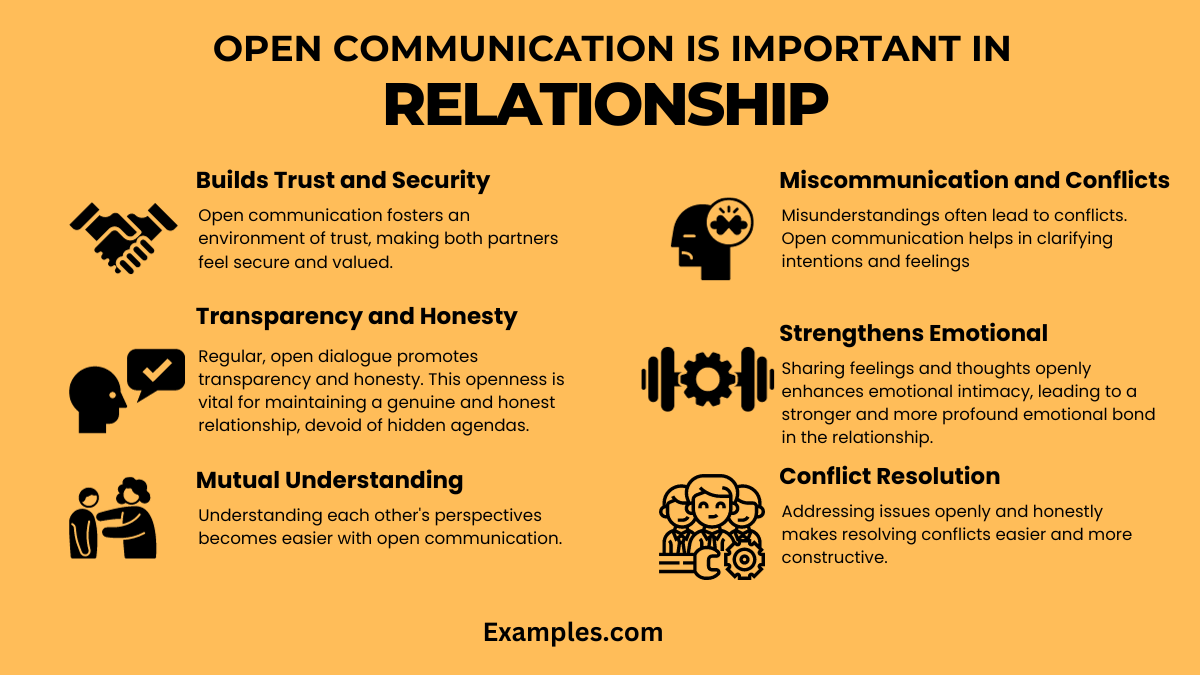
- Open communication reduces misunderstanding and isolation
- Relationships can remain strong with mutual understanding
- Boundaries support emotional and sensory balance
- Social connection plays a key role in recovery
Understanding the Social Impact of Hallucinogen Persisting Perception Disorder
Hallucinogen persisting perception disorder can change how social situations feel. Visual disturbances, sensory sensitivity, or anxiety may make gatherings more demanding than they used to be — and that is okay to acknowledge.
These challenges do not reflect a loss of your social ability or personality. They represent temporary adjustments as your nervous system adapts. You are still you.
Social Anxiety and Avoidance
It is understandable if you have started avoiding social settings — fear of symptom flare-ups or not knowing how to explain your experience can make staying home feel safer.
Fear of Being Misunderstood
Worrying that others will not understand perceptual symptoms can increase self-consciousness. This fear may lead to withdrawal even when you genuinely crave connection. Remember: most people are more understanding than we fear.
Sensory Overload in Social Settings
Bright lighting, crowded spaces, and background noise can intensify symptoms. Knowing your sensory needs — and honoring them — helps reduce discomfort. It is okay to choose quieter venues or step outside for a breather.
Communicating About the Condition
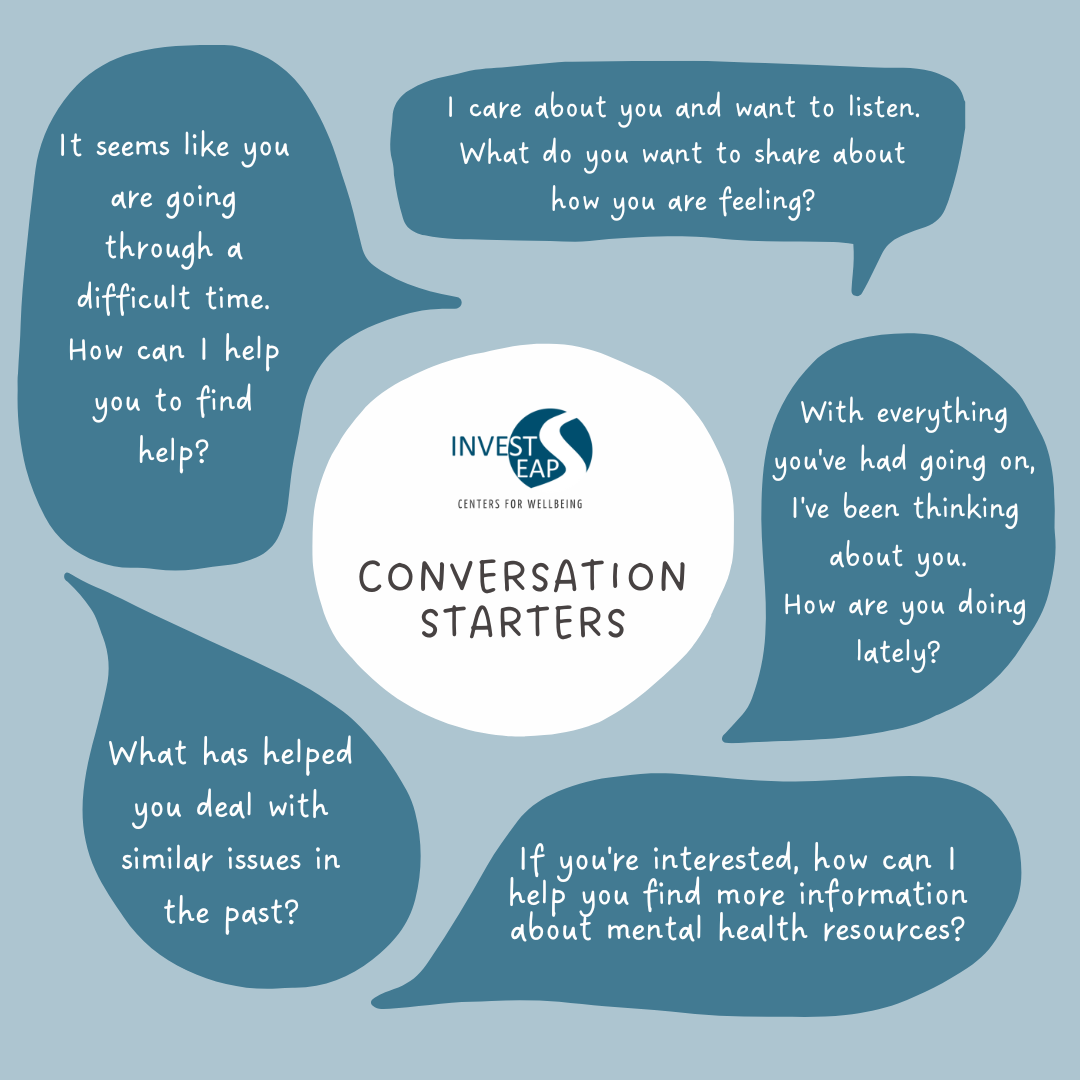
Clear, selective communication supports your emotional safety. You get to decide who knows what — and that is empowering.
Choosing When and How to Share
Not everyone needs the full story. Sharing simple explanations with trusted people often feels sufficient and empowering. Something like “I have a visual sensitivity condition that makes busy places tiring” is plenty for most situations.
Using Clear, Calm Language
Describing symptoms in practical terms helps others understand without alarm. Calm explanations reduce stigma and invite empathy. You might be surprised how readily people accommodate when they understand.
Supporting Healthy Relationships
Relationships thrive on understanding and adaptability — from both sides.
Setting Boundaries
Communicating your limits around overstimulating environments helps prevent symptom flare-ups and emotional exhaustion. “I would love to come, but I may need to leave early” is a complete sentence. Good friends will understand.
Accepting Support
Allowing others to offer support strengthens connection and reduces isolation. Accepting help does not mean you are dependent — it means you are human, and humans need each other.
Maintaining Reciprocity
Staying engaged in relationships in ways that feel manageable preserves mutual connection and trust. Even small gestures — a text, a short call, a brief coffee — keep the thread of connection alive.
Rebuilding Social Confidence
Confidence often returns gradually, not all at once. Small, successful social interactions build comfort and reduce fear over time. Start where you are.
Celebrate your wins: every gathering you enjoy, every honest conversation, every boundary you set kindly. These moments reinforce positive associations and remind you that connection is still yours.
The Role of Social Support in Recovery
Supportive relationships provide reassurance, validation, and emotional grounding. Feeling connected reduces stress and supports nervous system regulation — it is genuinely therapeutic.
Even limited but meaningful social contact can make a significant difference. Quality matters more than quantity.
Frequently Asked Questions
Should social situations be avoided?
Avoidance is not always helpful. Balanced, gentle engagement supports confidence and recovery better than isolation.
How much should I explain to others?
Share only what feels comfortable and helpful. You are not obligated to educate everyone — a simple explanation is enough.
Can relationships survive this condition?
Yes — many relationships actually strengthen through honest communication. The right people will want to understand.
Does social support affect symptoms?
Emotional support often reduces stress-related symptom intensity. Feeling safe with others calms your nervous system.
Key Takeaways
Social life and relationships can remain fulfilling while living with hallucinogen persisting perception disorder. Through open communication, healthy boundaries, and supportive connections, you can reduce isolation and strengthen emotional well-being. Remember: connection is not a burden — it is a powerful part of healing. You deserve relationships that honor both your needs and your worth. A gentle note: this article is for education and support, not medical advice. If social anxiety feels overwhelming, a qualified therapist can help you rebuild confidence at your own pace.