


Key Points
- Alcohol addiction is closely linked to mental health issues, often exacerbating or co-occurring with conditions like depression, anxiety, and PTSD.
- The psychological effects of alcohol addiction can include mood swings, cognitive impairments, and emotional instability.
- Co-occurring mental health disorders require an integrated treatment approach, addressing both alcohol addiction and underlying psychological conditions.
- Early intervention, therapy, and support groups are crucial for addressing the mental health impact of alcohol addiction and promoting recovery.
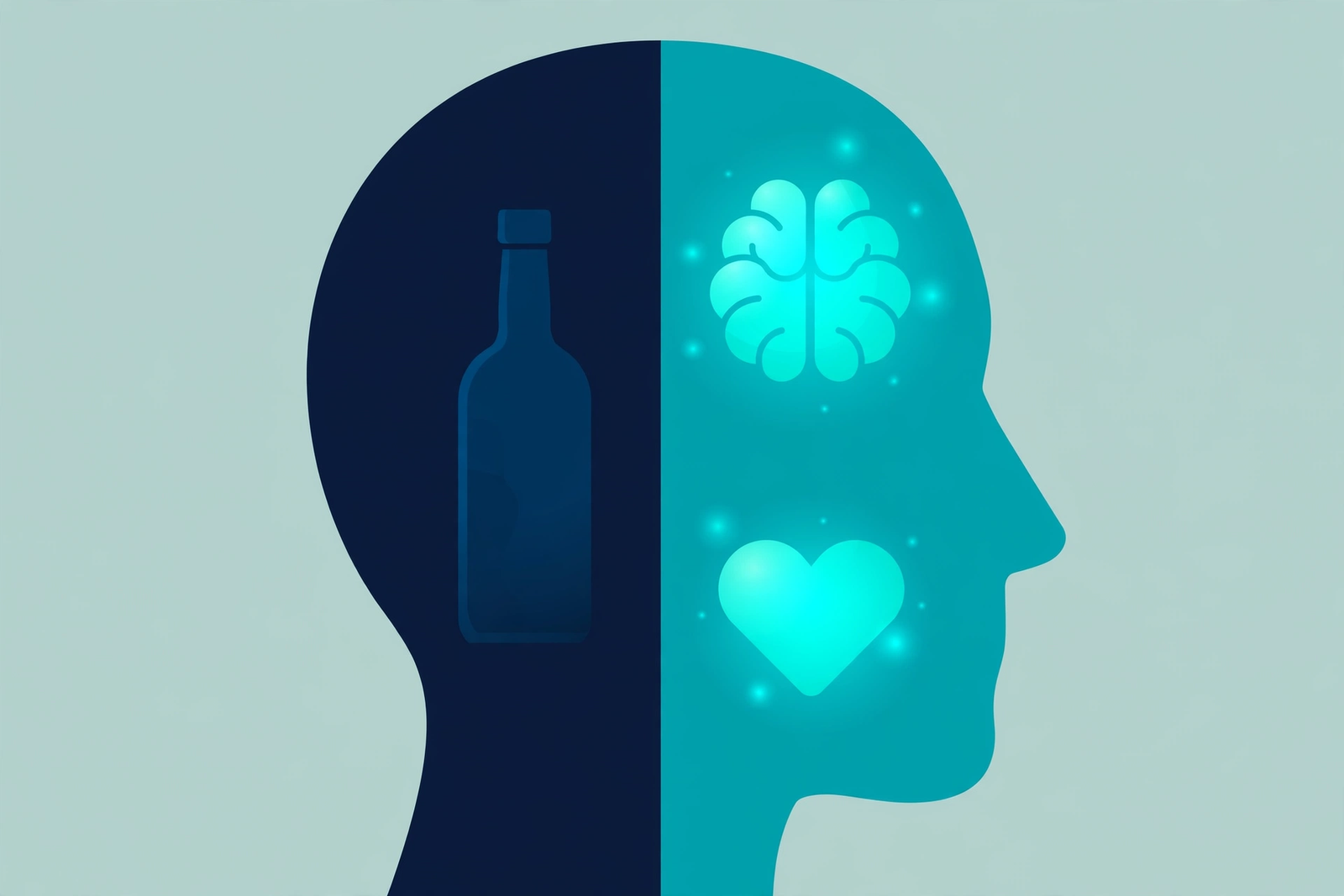
Alcohol addiction doesn’t only affect the body — the connection between alcohol addiction and mental health runs deep. Many people experience co-occurring disorders like depression and anxiety, and alcohol use can worsen existing conditions, creating a difficult cycle of emotional instability and cravings.
Understanding the connection between alcohol addiction and mental health is essential for effective treatment and recovery. In this article, we will explore how alcohol addiction impacts mental health, the psychological consequences of drinking, and how individuals can address both addiction and mental health issues through integrated treatment.
The Link Between Alcohol Addiction and Mental Health
Alcohol is a central nervous system depressant, which means it can have a significant impact on the brain’s chemistry, affecting mood, cognition, and behavior. Chronic alcohol consumption alters brain function, leading to both physical and psychological consequences.
How Alcohol Affects the Brain and Mental Health
The primary psychological effects of alcohol addiction are a result of its impact on neurotransmitters in the brain, which regulate mood, cognition, and behavior. When individuals drink heavily, alcohol disrupts the balance of chemicals such as serotonin, dopamine, and gamma-aminobutyric acid (GABA), leading to changes in mood, thought patterns, and emotional regulation.
- Mood swings and emotional instability: Alcohol use can cause mood swings, irritability, and emotional highs and lows. This emotional instability is one of the key psychological effects of alcohol addiction.
- Cognitive impairments: Long-term alcohol use can impair cognitive functioning, including memory, concentration, and decision-making abilities. This cognitive decline is often observed in individuals with alcohol addiction.
- Depression and anxiety: Alcohol use can trigger or worsen mental health disorders such as depression and anxiety. It may seem like alcohol temporarily relieves symptoms of these conditions, but over time, alcohol consumption exacerbates the underlying mental health problems.
Co-occurring Mental Health Disorders
Many individuals with alcohol addiction also suffer from co-occurring mental health disorders, making treatment more complex. These disorders, often referred to as dual diagnoses, include conditions such as:
- Depression: Individuals with depression may turn to alcohol as a form of self-medication to alleviate feelings of sadness, hopelessness, or emptiness. However, alcohol can worsen depression, leading to a cycle of drinking and emotional distress.
- Anxiety disorders: Those with anxiety disorders may use alcohol to calm their nerves, but alcohol can increase feelings of anxiety, leading to heightened stress and worry.
- Post-traumatic stress disorder (PTSD): Trauma survivors may use alcohol to numb painful memories or emotional responses. However, alcohol can interfere with trauma recovery and worsen PTSD symptoms.
- Bipolar disorder and mood disorders: Alcohol use can interact with mood disorders, exacerbating symptoms of mania or depression and making it more difficult to manage mood swings.
Addressing both alcohol addiction and mental health conditions requires an integrated treatment approach, as these issues are closely intertwined.
Psychological Effects of Alcohol Addiction
The impact of alcohol addiction on mental health extends beyond just the presence of co-occurring disorders. Chronic alcohol use itself can result in psychological consequences, which can interfere with an individual’s ability to function in everyday life.
1. Depression and Alcohol Addiction
One of the most common mental health issues associated with alcohol addiction is depression. Individuals with alcohol use disorder (AUD) may experience feelings of sadness, hopelessness, and loss of interest in activities they once enjoyed. Alcohol is often used as a form of self-medication to cope with these depressive symptoms, but over time, alcohol abuse worsens depression and makes it more difficult to treat.
- Alcohol as a depressant: Alcohol is a depressant, meaning that it slows down the central nervous system and can worsen feelings of sadness or hopelessness. Chronic drinking can lead to changes in the brain’s chemistry, making it harder to regulate mood and emotions.
- Cycle of drinking and depression: The cycle of drinking to cope with depression and then experiencing worsened depression after drinking can create a vicious cycle. This makes it more difficult for individuals to break free from alcohol addiction and seek proper treatment for their mental health.
2. Anxiety and Alcohol Addiction
Alcohol addiction is also strongly linked to anxiety disorders, including generalized anxiety disorder (GAD), panic disorder, and social anxiety disorder. Individuals with anxiety may use alcohol to calm their nerves or escape their worries. However, alcohol only provides temporary relief, and over time, it can increase anxiety symptoms.
- Short-term relief, long-term anxiety: While alcohol can initially reduce feelings of anxiety, its long-term use increases the risk of developing anxiety disorders. The depressant effects of alcohol disrupt the brain’s natural ability to regulate stress, leading to heightened anxiety.
- Social anxiety: People with social anxiety disorder may use alcohol to feel more comfortable in social situations. However, this creates a reliance on alcohol and worsens social anxiety in the long run.
3. Impaired Cognitive Functioning
Chronic alcohol use leads to impaired cognitive functioning, which can affect memory, concentration, and decision-making abilities. This cognitive impairment can have a significant impact on mental health, as it can lead to feelings of frustration, confusion, and decreased self-esteem.
- Memory loss and confusion: Alcohol affects the hippocampus, the area of the brain responsible for memory and learning. Over time, excessive drinking can lead to memory problems, difficulty concentrating, and confusion.
- Decision-making and judgment: Alcohol addiction can impair judgment and decision-making abilities, leading to risky behaviors or poor choices that can worsen mental health.
4. Emotional Instability and Mood Swings
Alcohol use can cause dramatic mood swings, ranging from euphoric highs to severe lows. These mood swings are often a result of alcohol’s impact on neurotransmitters like serotonin and dopamine, which regulate mood and emotional responses.
- Irritability and anger: Alcohol can make individuals more prone to irritability, anger, and emotional outbursts. This emotional instability can strain relationships and lead to conflicts in personal and professional life.
- Emotional numbness: Long-term alcohol use can lead to emotional numbness, where individuals may feel disconnected from their emotions or have difficulty experiencing joy or happiness.
Treatment for Alcohol Addiction and Mental Health Disorders
Addressing both alcohol addiction and co-occurring mental health disorders requires an integrated approach. Treatment should focus on both the addiction and the underlying psychological conditions to achieve long-term recovery.
1. Integrated Treatment for Dual Diagnoses
Individuals with both alcohol addiction and mental health disorders require treatment that addresses both conditions simultaneously. This integrated approach may include:
- Cognitive Behavioral Therapy (CBT): CBT helps individuals identify and change negative thought patterns and behaviors related to alcohol use and mental health. It is effective in treating both addiction and conditions like depression and anxiety.
- Motivational Interviewing (MI): MI helps individuals explore and resolve ambivalence about changing their behavior, making it an effective tool for those struggling with both addiction and mental health disorders.
- Trauma-informed care: For individuals with PTSD or a history of trauma, trauma-informed therapy helps address the root causes of addiction and mental health issues while promoting healing and recovery.
2. Medication-Assisted Treatment (MAT)
Medications can be used to treat both alcohol addiction and co-occurring mental health disorders. These medications help reduce cravings, manage withdrawal symptoms, and stabilize mood.
- Medications for alcohol addiction: Medications like disulfiram, acamprosate, and naltrexone help reduce alcohol cravings and prevent relapse.
- Antidepressants and anti-anxiety medications: For individuals with depression or anxiety, medications like SSRIs or benzodiazepines can help manage symptoms and improve emotional well-being.
3. Support Groups and Counseling
Support groups, such as Alcoholics Anonymous (AA), provide a community of individuals who are recovering from alcohol addiction. These groups offer emotional support, accountability, and shared experiences, making them a valuable component of treatment.
- Group therapy: Group therapy sessions provide a safe space for individuals to connect with others, share their struggles, and learn from each other’s experiences.
- Family therapy: Involving family members in therapy can help improve communication, reduce family conflict, and create a strong support network for recovery.
Key Takeaways
- Alcohol addiction is closely linked to mental health disorders, including depression, anxiety, and PTSD.
- The psychological effects of alcohol addiction include mood swings, cognitive impairment, emotional instability, and increased anxiety or depression.
- Integrated treatment that addresses both alcohol addiction and co-occurring mental health conditions is essential for effective recovery.
- Therapy, medications, and support groups play key roles in managing alcohol addiction and improving mental health.
If you or someone you know is struggling with alcohol addiction and mental health issues, contact us today to explore integrated treatment options and begin the path to recovery.