



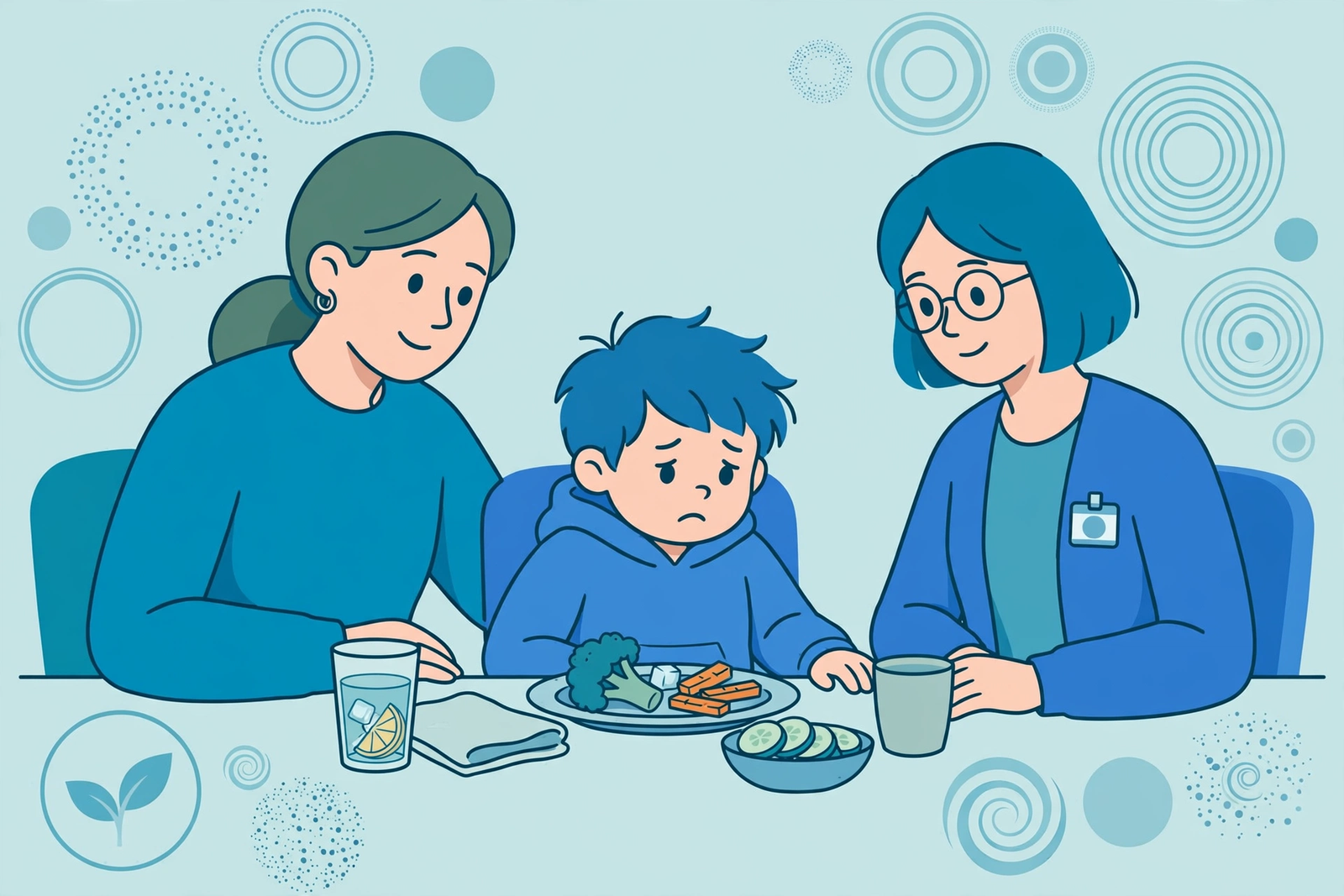
Key Points
- ARFID often manifests in childhood or adolescence, and early intervention is key to managing the disorder.
- Early signs of ARFID include extreme food aversions, anxiety around eating, and weight concerns.
- Left untreated, ARFID can lead to malnutrition, stunted growth, and emotional challenges.
- Early diagnosis, therapy, and nutritional support can help children and adolescents manage the disorder and improve their overall well-being.
ARFID in Children and Adolescents: Early Signs and Intervention
If your child or teen is struggling with Avoidant/Restrictive Food Intake Disorder (ARFID), you’re not alone — and it’s not just picky eating. ARFID in children and adolescents often begins early, driven not by body image concerns but by intense food aversions, sensory sensitivities, or anxiety around eating. Left unaddressed, it can affect your child’s physical health, emotions, and social life.
The good news is that recognizing the signs early makes a real difference. In this guide, we’ll explore how ARFID in children and adolescents shows up, the early warning signs to watch for, and why early support can prevent long-term health and emotional challenges — so you can get your child the help they need.
1. Early Signs of ARFID in Children and Adolescents
The early signs of ARFID can be subtle, but there are specific behaviors and patterns that parents and caregivers should be aware of. Recognizing these signs early can help ensure that the child receives the appropriate intervention before the disorder becomes more entrenched.
1.1 Extreme Food Aversion
One of the hallmark signs of ARFID in children is a strong aversion to certain foods. This aversion can be related to specific textures, smells, or colors of food, or it can be generalized to entire food groups. Children with ARFID may refuse to eat foods that they perceive as unpleasant or unappealing, leading to a very limited range of acceptable foods.
- Texture Sensitivity: Many children with ARFID have strong reactions to certain food textures, such as mushy, slimy, or crunchy foods. These sensory sensitivities can lead to anxiety and avoidance behaviors around food.
- Limited Food Preferences: A child with ARFID may only accept a small variety of foods, often relying on the same few foods or food groups repeatedly.
1.2 Fear or Anxiety Around Eating
Children with ARFID often experience intense fear or anxiety when it comes to eating. This could stem from a negative past experience, such as choking or vomiting, or it could be related to a heightened sensitivity to food textures or smells. The fear of eating certain foods can lead to distress and avoidance, making mealtimes a source of anxiety.
- Fear of New Foods: Children with ARFID may refuse to try new foods or express distress when presented with unfamiliar foods. This fear can cause significant stress for the child and their family members.
- Gagging or Vomiting: Some children with ARFID may have a strong aversion to certain foods after experiencing gagging or vomiting in the past. These experiences can create an ongoing fear of similar foods, leading to long-term food avoidance.
1.3 Weight Loss or Failure to Gain Weight
Because children with ARFID often avoid certain foods or eat very limited amounts, they may experience weight loss or fail to gain weight as expected. In extreme cases, this can lead to malnutrition and delayed growth. If left untreated, these physical consequences can have serious health implications for the child’s development.
- Growth Concerns: Parents and caregivers should monitor their child’s growth and weight, as children with ARFID may fall behind on growth charts due to insufficient nutrition.
- Fatigue and Weakness: Malnutrition can lead to fatigue, weakness, and difficulty concentrating, which can affect the child’s ability to participate in daily activities, including school and social interactions.
1.4 Social Withdrawal and Isolation
Mealtimes often provide social opportunities for children to interact with family members and peers. However, children with ARFID may avoid these opportunities due to anxiety around food. This can lead to social withdrawal and isolation, as the child may refuse to eat in public or at social gatherings.
- Avoiding Social Meals: Children with ARFID may avoid birthday parties, family gatherings, or school lunches because they involve eating in front of others. This avoidance can make the child feel different from their peers and lead to feelings of loneliness or embarrassment.
2. The Impact of ARFID on Physical Health and Development
If left untreated, ARFID can lead to serious physical consequences, particularly in children and adolescents who are still in critical stages of growth and development. The lack of essential nutrients can affect physical health, immune function, and cognitive development, making early intervention crucial.
2.1 Malnutrition and Nutrient Deficiencies
One of the most serious consequences of ARFID is malnutrition. Children with ARFID may avoid foods that are rich in essential nutrients, such as protein, vitamins, and minerals, leading to deficiencies that affect growth, cognitive function, and overall health.
- Protein Deficiency: Protein is essential for growth, muscle development, and immune function. A lack of protein can result in muscle weakness, growth delays, and a compromised immune system.
- Vitamin and Mineral Deficiencies: Deficiencies in vitamins such as A, C, D, and B12, as well as minerals like iron and calcium, can lead to weakened bones, poor immune function, and cognitive issues such as difficulty concentrating or remembering information.
2.2 Delayed Growth and Development
ARFID can cause significant delays in physical development, particularly in children and adolescents. Growth depends on proper nutrition, and children with ARFID may not receive the necessary nutrients for optimal growth. This can result in stunted growth, delayed puberty, and developmental delays.
- Growth Stunting: Children with ARFID may be smaller than their peers due to insufficient caloric intake. This stunted growth can affect their overall development, leading to social and psychological challenges as well.
- Delayed Puberty: Nutritional deficiencies can delay the onset of puberty, which may affect the child’s emotional development and body image. Delayed puberty can also impact bone density and reproductive health.
2.3 Cognitive and Behavioral Challenges
The impact of ARFID on cognitive and behavioral development can be significant. Malnutrition, particularly a lack of essential vitamins and minerals, can impair brain function, leading to difficulty with learning, memory, and emotional regulation.
- Concentration Issues: Children with ARFID may have difficulty focusing in school or during activities due to nutrient deficiencies. This can lead to poor academic performance and frustration.
- Mood Swings and Irritability: Nutritional imbalances can also affect mood regulation, causing irritability, anxiety, or depressive symptoms. These emotional challenges can further exacerbate the child’s relationship with food and eating.
3. Early Intervention and Treatment for ARFID
The key to managing ARFID and preventing long-term physical and psychological consequences is early intervention. By addressing the disorder early, children can receive the support they need to improve their eating habits, regain nutrition, and address the psychological aspects of food-related anxiety.
3.1 Cognitive Behavioral Therapy (CBT)
Cognitive Behavioral Therapy (CBT) is one of the most effective treatments for ARFID, particularly when it comes to managing anxiety around food. CBT helps individuals identify and challenge negative thought patterns related to food and eating and encourages healthier behaviors.
- Gradual Exposure: CBT often includes gradual exposure to feared foods, allowing individuals to slowly expand their food choices and reduce anxiety.
- Cognitive Restructuring: CBT also helps individuals challenge irrational fears about food and eating, replacing them with more balanced perspectives.
3.2 Nutritional Support
A key component of ARFID treatment is nutritional support. A registered dietitian can help children with ARFID develop a meal plan that ensures they receive the necessary nutrients for growth and development. Nutritional support may also involve supplementing the diet with vitamins and minerals to address deficiencies.
- Meal Planning: A dietitian can work with the child and family to introduce new foods gradually, ensuring that the child receives the necessary nutrients without overwhelming them.
- Monitoring Growth: Regular monitoring of growth and weight is essential to ensure that the child is developing at an appropriate rate.
3.3 Family Support and Education
Family involvement is essential in the treatment of ARFID. Educating parents and caregivers about the disorder helps them understand the challenges their child is facing and provides them with strategies to support recovery. Family therapy can also help improve communication and create a supportive environment around food.
- Encouraging Positive Mealtimes: Family members can help create a stress-free, supportive mealtime environment that reduces anxiety and promotes healthier eating habits.
4. Red Flags to Watch For
Recognizing the early signs of ARFID and seeking treatment is crucial to preventing long-term consequences. Some red flags to watch for include:
- Severe food aversions or refusal to eat entire food groups.
- Significant weight loss or failure to gain weight.
- Social withdrawal related to food-related anxiety.
- Physical symptoms such as fatigue, weakness, or developmental delays.
Frequently Asked Questions
1. What is the best way to approach a child with ARFID about eating?
It’s important to approach a child with ARFID with patience, understanding, and empathy. Avoid pressuring the child to eat and instead focus on creating a positive, low-pressure environment where they feel safe to try new foods.
2. Can ARFID affect my child’s academic performance?
Yes, ARFID can affect cognitive function, concentration, and memory due to malnutrition. Early intervention can help improve nutritional intake, which in turn can support better academic performance.
3. Can ARFID be treated with therapy alone?
While therapy, particularly Cognitive Behavioral Therapy (CBT), is an essential component of ARFID treatment, nutritional support and medical monitoring are also crucial to ensure that the child is receiving adequate nutrition and addressing any physical health concerns.
Key Takeaways
ARFID can have serious consequences on children’s physical, emotional, and social development, making early intervention crucial. With the right treatment, including therapy, nutritional support, and family involvement, children with ARFID can learn to manage food-related anxiety, regain their health, and improve their quality of life.
Contact me today for personalized guidance on early intervention for ARFID and improving your child’s well-being.
