



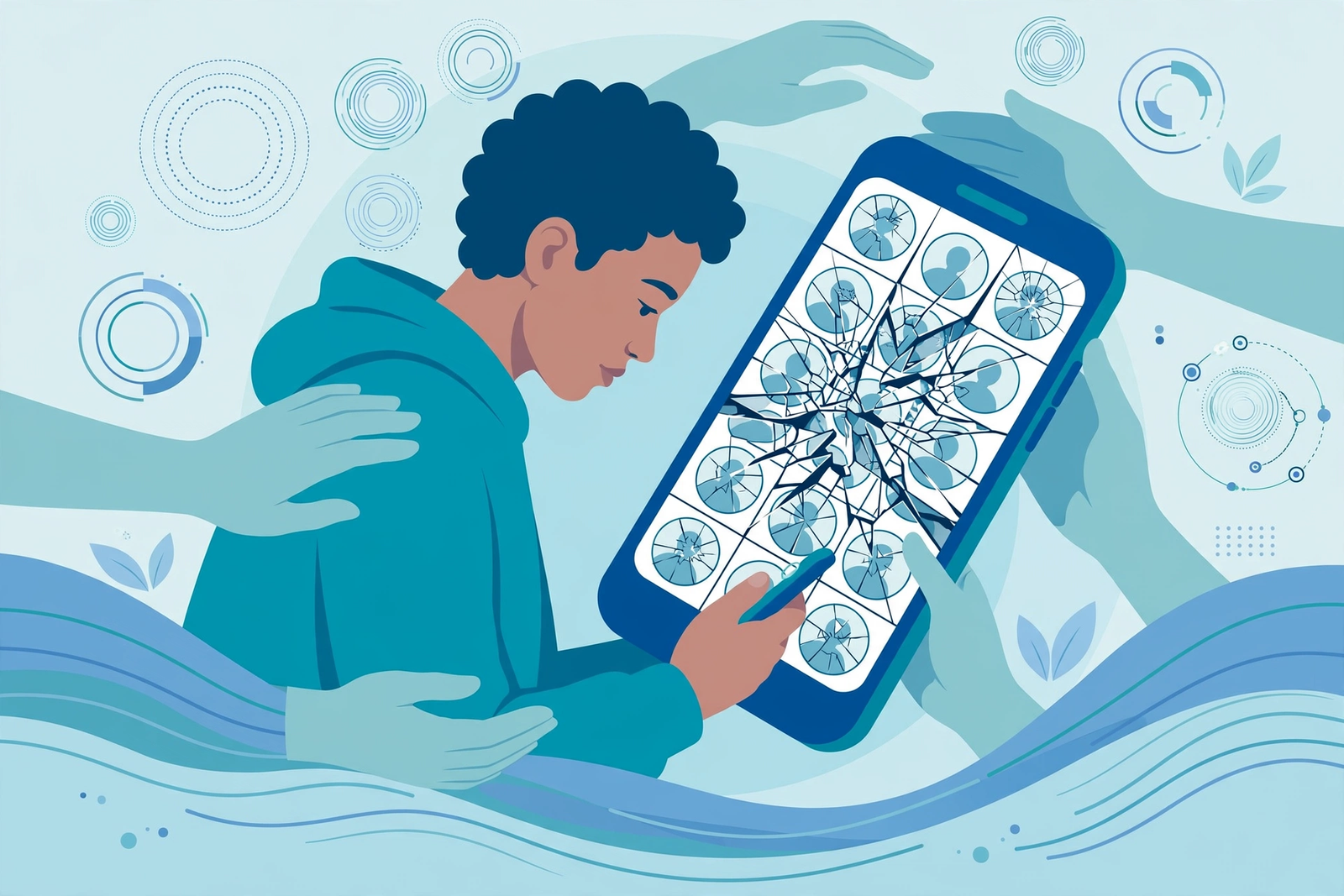
If you’ve ever closed a social app feeling worse about how you look, you’re not alone. Body dysmorphic disorder and social media often go hand in hand, and understanding that connection is the first step toward a healthier relationship with both your reflection and your feed.
Key Points:
- Social media can exacerbate Body Dysmorphic Disorder by promoting unrealistic beauty standards and encouraging constant comparison.
- The pressure to conform to idealized body images seen online can lead to increased body dissatisfaction and contribute to the development of BDD.
- Setting boundaries with social media use and curating a positive online environment can help reduce the negative impact on body image.
- Therapy and self-care strategies can help individuals with BDD cope with social media-related distress and improve self-esteem.
Body Dysmorphic Disorder and Social Media: Understanding the Impact
Social media platforms have become an integral part of daily life, offering connection, entertainment, and information. However, they can also have a profound effect on mental health, particularly for individuals struggling with Body Dysmorphic Disorder (BDD). The constant exposure to idealized images of beauty, fitness, and perfection on platforms like Instagram, Facebook, and TikTok can contribute to distorted body image perceptions and increase the risk of developing or exacerbating BDD.
In this article, we will explore how social media influences Body Dysmorphic Disorder, the role it plays in shaping self-perception, and how individuals can manage its impact to protect their mental well-being.
How Social Media Exacerbates Body Dysmorphic Disorder
Social media can have both positive and negative effects on body image. For individuals with Body Dysmorphic Disorder, the negative impact of social media can be particularly harmful. Some key ways that social media contributes to BDD include:
1. Promotion of Unrealistic Beauty Standards:
Social media platforms are flooded with images of “ideal” beauty—often heavily curated or edited photos that present unattainable standards. These images promote specific body types, facial features, and skin tones as the benchmark for beauty. For individuals with BDD, this constant exposure to idealized images can reinforce feelings of inadequacy and dissatisfaction with their own appearance.
- Filters and editing: Many social media users employ filters or editing apps to enhance their features, which can distort reality. This practice normalizes the idea that imperfection is unacceptable, leading individuals with BDD to feel even more distressed about their perceived flaws.
- Influencers and celebrities: Influencers and celebrities often portray flawless, edited images that can make users feel that they must look a certain way to be accepted or valued. This can exacerbate obsessive thoughts about one’s appearance in individuals with BDD.
2. Constant Comparison to Others:
One of the most problematic aspects of social media is the tendency to compare oneself to others. Adolescents and young adults, in particular, may feel pressure to match the appearance of those they see online. This comparison can fuel feelings of inadequacy and reinforce the belief that their own appearance is flawed.
- Body comparison: Users may compare their bodies to the bodies of others on social media, which can lead to dissatisfaction and obsession with their own physical appearance. Even if the comparisons are unrealistic, they can trigger anxiety and negative self-image.
- Fear of judgment: The desire to be “liked” or validated through comments and engagement can create a fear of judgment. Individuals with BDD may become hyper-aware of how they are perceived online, leading to distress when they feel they don’t meet social expectations.
3. Increased Focus on Appearance:
Social media platforms often prioritize visuals, creating an environment where appearance is closely tied to self-worth. For individuals with Body Dysmorphic Disorder, this emphasis on outward appearance can increase preoccupation with physical flaws and the need for constant validation.
- Likes and comments: The desire for approval through likes, shares, and comments can lead individuals with BDD to focus excessively on their appearance in photos or videos. This can exacerbate feelings of self-consciousness and the fear that they won’t be accepted without meeting certain beauty standards.
- Body-shaming culture: Some individuals may encounter body-shaming comments or content online, which can reinforce feelings of rejection and unworthiness. This type of content can have a lasting emotional impact, especially for those already struggling with body image concerns.
Managing the Impact of Social Media on Body Dysmorphic Disorder
While social media can exacerbate Body Dysmorphic Disorder, individuals with BDD can take steps to reduce its negative impact and protect their mental health. Here are strategies to help manage the effects of social media on body image:
1. Curate a Positive Online Environment:
Creating a positive social media environment can help reduce exposure to harmful content and foster a sense of support. This includes:
- Follow body-positive accounts: Follow accounts that promote diversity in body shapes, sizes, and appearances. Look for content that emphasizes self-acceptance and positive mental health rather than unrealistic beauty standards.
- Unfollow or mute harmful accounts: If certain accounts make you feel worse about your appearance or promote harmful beauty standards, consider unfollowing or muting them. Curate your feed to include content that is uplifting, realistic, and supportive.
2. Limit Social Media Usage:
Excessive time spent on social media can fuel comparison and increase body dissatisfaction. Setting boundaries around social media use can help manage its impact:
- Set time limits: Set daily or weekly time limits for social media use to prevent excessive scrolling and reduce exposure to triggering content.
- Engage in other activities: Focus on other hobbies or activities that do not involve social media. Engage in physical activities, creative pursuits, or social interactions that help improve mental well-being and self-esteem.
3. Practice Digital Detox:
Taking regular breaks from social media, or a “digital detox,” can help individuals reconnect with themselves and reduce the negative impact of online comparison. This includes:
- Take breaks from your phone: Designate times during the day when you refrain from checking social media. Use this time to focus on self-care, relaxation, or personal development.
- Disconnect during vulnerable moments: If you’re feeling particularly vulnerable about your appearance or experiencing heightened anxiety, consider stepping away from social media to protect your mental health.
4. Seek Professional Support:
If social media is contributing to your Body Dysmorphic Disorder or exacerbating negative thoughts about your appearance, seeking therapy can be invaluable. A therapist can help you:
- Challenge distorted beliefs: Therapy, especially Cognitive Behavioral Therapy (CBT), can help you identify and challenge the distorted beliefs you have about your body. You’ll learn to develop a more realistic and compassionate view of yourself.
- Address underlying issues: Therapy can also help address the emotional triggers behind your preoccupation with appearance, such as anxiety, self-esteem issues, or past trauma.
How to Educate Others About Body Dysmorphic Disorder and Social Media
If you or someone you know is struggling with Body Dysmorphic Disorder and the impact of social media, educating others can help raise awareness and reduce stigma. Here are some steps to consider:
- Share resources: Share articles, books, or videos that explain BDD and its connection to social media. Education can help others understand the psychological toll of the condition and offer better support.
- Start conversations: Encourage open conversations about body image and social media. Talk about how unrealistic beauty standards are perpetuated online and the effects this can have on mental health.
- Support anti-body shaming movements: Join or support movements that promote body acceptance and diversity in the media. Supporting initiatives that challenge societal beauty standards can help reduce the harmful effects of social media.
Frequently Asked Questions
How does social media cause Body Dysmorphic Disorder?
Social media can exacerbate BDD by promoting unrealistic beauty standards and encouraging constant comparison. The constant exposure to idealized images, coupled with the desire for validation, can increase body dissatisfaction and contribute to the development of BDD.
Can I use social media if I have Body Dysmorphic Disorder?
Yes, but it’s important to set boundaries around your social media use and curate a positive, body-positive environment. Limiting time on social media and following accounts that promote self-acceptance and diversity can help reduce the negative impact on body image.
What should I do if social media makes me feel worse about my appearance?
If social media is contributing to feelings of inadequacy or body dissatisfaction, take a break from it, unfollow harmful accounts, and seek professional support. Therapy and self-care strategies can help you build a healthier relationship with your body and improve your mental well-being.
Key Takeaways
Social media can exacerbate Body Dysmorphic Disorder by promoting unrealistic beauty standards and fostering constant comparison. Curating a positive online environment, setting time limits, and practicing digital detox can help reduce the negative impact of social media on body image. Therapy, education, and self-care strategies are essential for managing BDD and protecting mental health.
