



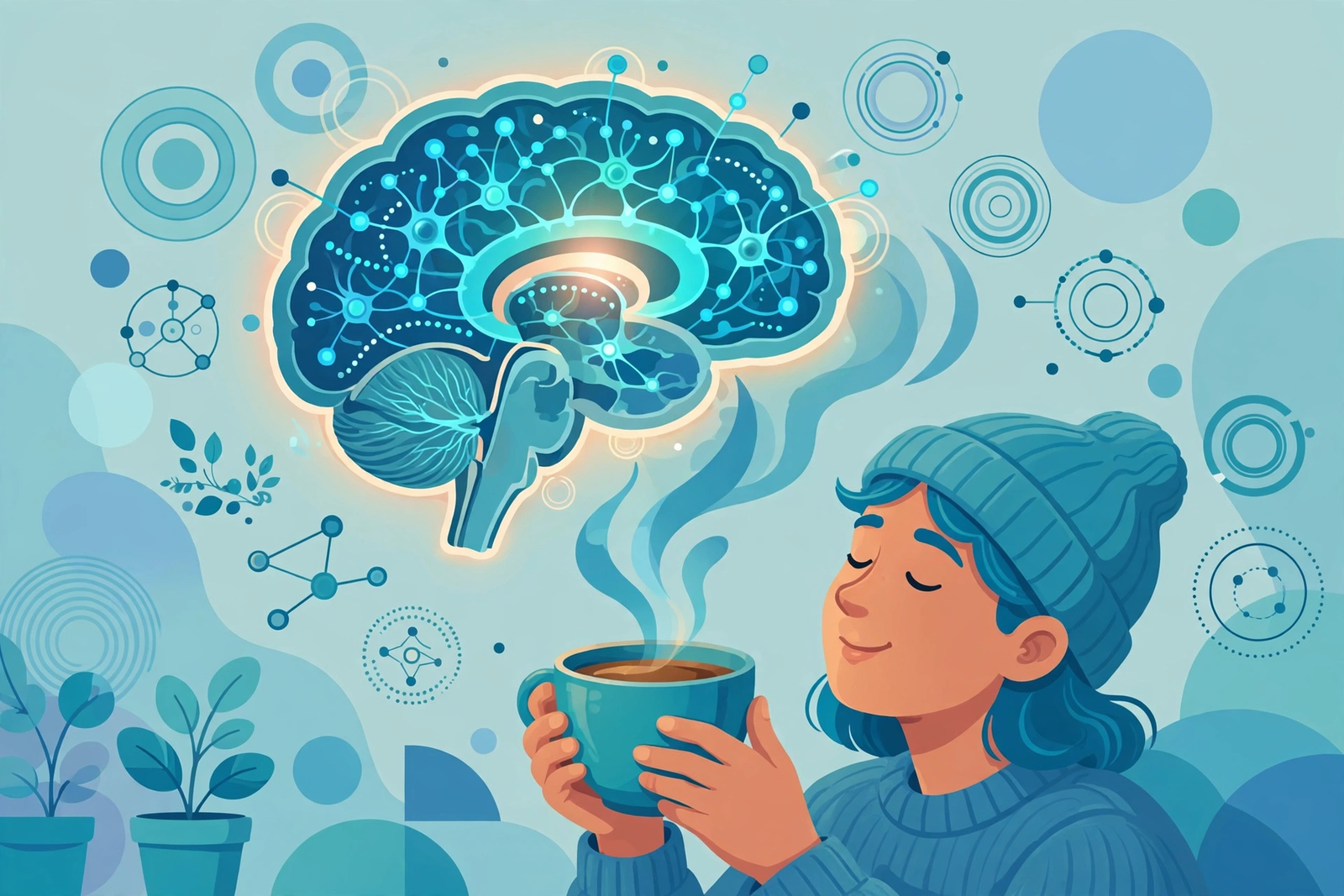
Caffeine addiction is more than just a habit; it involves complex changes in the brain’s chemistry. Caffeine affects the central nervous system, and over time, regular use can lead to dependence, tolerance, and withdrawal symptoms. Understanding the science behind caffeine addiction can help individuals recognize the biological factors that contribute to the condition and make informed decisions about how to manage their caffeine intake.
In this article, we will explore the science of caffeine addiction, how caffeine interacts with the brain, and the long-term effects it can have on mental and physical health. We will also discuss how individuals can break free from caffeine dependence by understanding these processes.
How Caffeine Affects the Brain
Caffeine is a central nervous system stimulant that affects the brain in various ways. When consumed, caffeine enters the bloodstream and quickly reaches the brain, where it produces its stimulating effects.
1. Blocking Adenosine Receptors:
The primary way caffeine affects the brain is by blocking adenosine receptors. Adenosine is a neurotransmitter that promotes sleep and relaxation. Normally, as adenosine binds to its receptors, it slows down brain activity, making you feel drowsy. Caffeine, however, acts as an adenosine receptor antagonist. It blocks the receptors, preventing adenosine from doing its job and thereby promoting wakefulness and alertness.
This effect is the reason why caffeine can help you stay awake and alert for longer periods, but it also leads to dependency because the brain starts to rely on caffeine to keep adenosine at bay.
2. Increasing Dopamine Production:
In addition to blocking adenosine, caffeine also stimulates the release of dopamine, a neurotransmitter associated with pleasure and reward. This is the same neurotransmitter that is affected by substances like nicotine and cocaine, which can create a sense of euphoria or “high.” The increased dopamine production caused by caffeine contributes to the sense of alertness and well-being that many people experience after drinking coffee or other caffeinated beverages.
However, over time, the brain becomes accustomed to this increased dopamine level and may require more caffeine to achieve the same stimulating effects, leading to tolerance and dependence.
3. Elevating Cortisol Levels:
Caffeine also triggers the release of cortisol, the body’s primary stress hormone. Cortisol helps regulate various bodily functions, including metabolism, the immune response, and energy production. When cortisol levels are elevated, the body is put into a state of heightened alertness, which can be useful in times of stress or physical activity. However, chronic caffeine consumption can keep cortisol levels elevated, contributing to feelings of stress and anxiety over time.
The Development of Tolerance and Dependence
As the brain adapts to the regular presence of caffeine, it starts to require more of the substance to achieve the same effects. This process is known as tolerance. Tolerance occurs when the brain’s receptors become less sensitive to caffeine, and more caffeine is needed to produce the same level of stimulation.
1. Neuroplasticity and the Brain’s Adaptation:
The brain is highly adaptable, and with repeated caffeine consumption, it begins to adjust its neural circuits. This process, known as neuroplasticity, helps the brain cope with the ongoing stimulation. However, this adaptation makes it difficult for individuals to stop using caffeine, as the brain’s chemistry has become dependent on the substance to maintain normal functioning.
2. Caffeine Withdrawal:
When caffeine intake is reduced or stopped suddenly, the brain experiences withdrawal symptoms. This happens because the brain has become accustomed to functioning with caffeine, and without it, the receptors are left unoccupied, leading to a range of symptoms, such as:
- Headaches
- Irritability
- Fatigue
- Difficulty concentrating
- Low mood or depression
These symptoms can last anywhere from a few days to a week, depending on the individual’s level of dependence. The severity of withdrawal symptoms often makes it difficult for people to quit caffeine, reinforcing the addiction cycle.
Long-Term Effects of Caffeine on the Brain
While caffeine provides a temporary boost in alertness and focus, its long-term effects on the brain can be more complex. Chronic caffeine use can lead to several changes in brain function and mental health.
1. Reduced Sleep Quality:
Chronic caffeine use can interfere with sleep patterns, leading to sleep disturbances and decreased sleep quality. Over time, insufficient sleep can negatively affect cognitive function, memory, and emotional regulation, leading to increased stress and anxiety.
2. Increased Anxiety and Stress:
As mentioned, caffeine stimulates the release of cortisol, the stress hormone. Chronic caffeine consumption can keep cortisol levels elevated, which may contribute to increased feelings of anxiety and stress. This is especially true for individuals who are sensitive to caffeine or have a predisposition to anxiety disorders.
3. Potential Impact on Mental Health:
Overuse of caffeine has been linked to mood swings, irritability, and depression in some individuals. The brain’s dependence on caffeine for dopamine regulation can affect emotional stability. In severe cases, chronic caffeine addiction can exacerbate mental health issues such as anxiety and depression, making it even harder for individuals to break free from the addiction.
How to Break Free from Caffeine Addiction
Breaking free from caffeine addiction involves both understanding the science behind it and implementing strategies to reduce reliance on caffeine. Here are some steps to help manage caffeine addiction:
1. Gradual Reduction:
Rather than quitting caffeine abruptly, which can lead to severe withdrawal symptoms, it’s best to reduce intake gradually. Start by cutting back on the number of caffeinated beverages consumed each day or switching to lower-caffeine options, like decaffeinated coffee or green tea.
2. Support from Healthcare Providers:
For individuals struggling with caffeine addiction, seeking help from a healthcare provider or therapist can be beneficial. They can help design a plan to gradually reduce caffeine intake and provide support during the withdrawal process.
3. Alternative Energy Sources:
Instead of relying on caffeine for energy, consider incorporating other healthy habits that promote natural energy, such as regular exercise, eating a balanced diet, and ensuring adequate sleep.
4. Mindfulness and Stress Management:
Incorporating mindfulness practices, yoga, and stress-relief techniques into daily routines can help manage the underlying stress or fatigue that often triggers the need for caffeine.
Frequently Asked Questions
Can caffeine cause addiction?
Yes, caffeine can lead to physical and psychological dependence when consumed in excess. The brain becomes reliant on caffeine to function normally, leading to withdrawal symptoms when intake is reduced.
How does caffeine affect the brain’s dopamine system?
Caffeine increases dopamine levels in the brain, contributing to feelings of pleasure and reward. Over time, the brain becomes dependent on caffeine to maintain dopamine levels, leading to tolerance and addiction.
Can caffeine withdrawal cause mental health issues?
Yes, caffeine withdrawal can cause symptoms such as irritability, fatigue, anxiety, and depression. These symptoms can make it difficult to stop or reduce caffeine intake, reinforcing the addiction.
How long does caffeine withdrawal last?
Caffeine withdrawal symptoms typically last from a few days to a week, depending on the individual’s level of dependence and how gradually they reduce their intake.
Key Takeaways
Understanding the science behind caffeine addiction is crucial for managing dependence and breaking free from the cycle of reliance. Caffeine affects the brain by blocking adenosine, increasing dopamine, and elevating cortisol levels, which can lead to tolerance, withdrawal, and long-term health issues. By gradually reducing caffeine intake, seeking professional support, and adopting healthier lifestyle habits, individuals can regain control over their caffeine consumption and improve their overall well-being.
For personalized guidance on managing caffeine addiction and understanding its impact on your brain, contact us today.
