



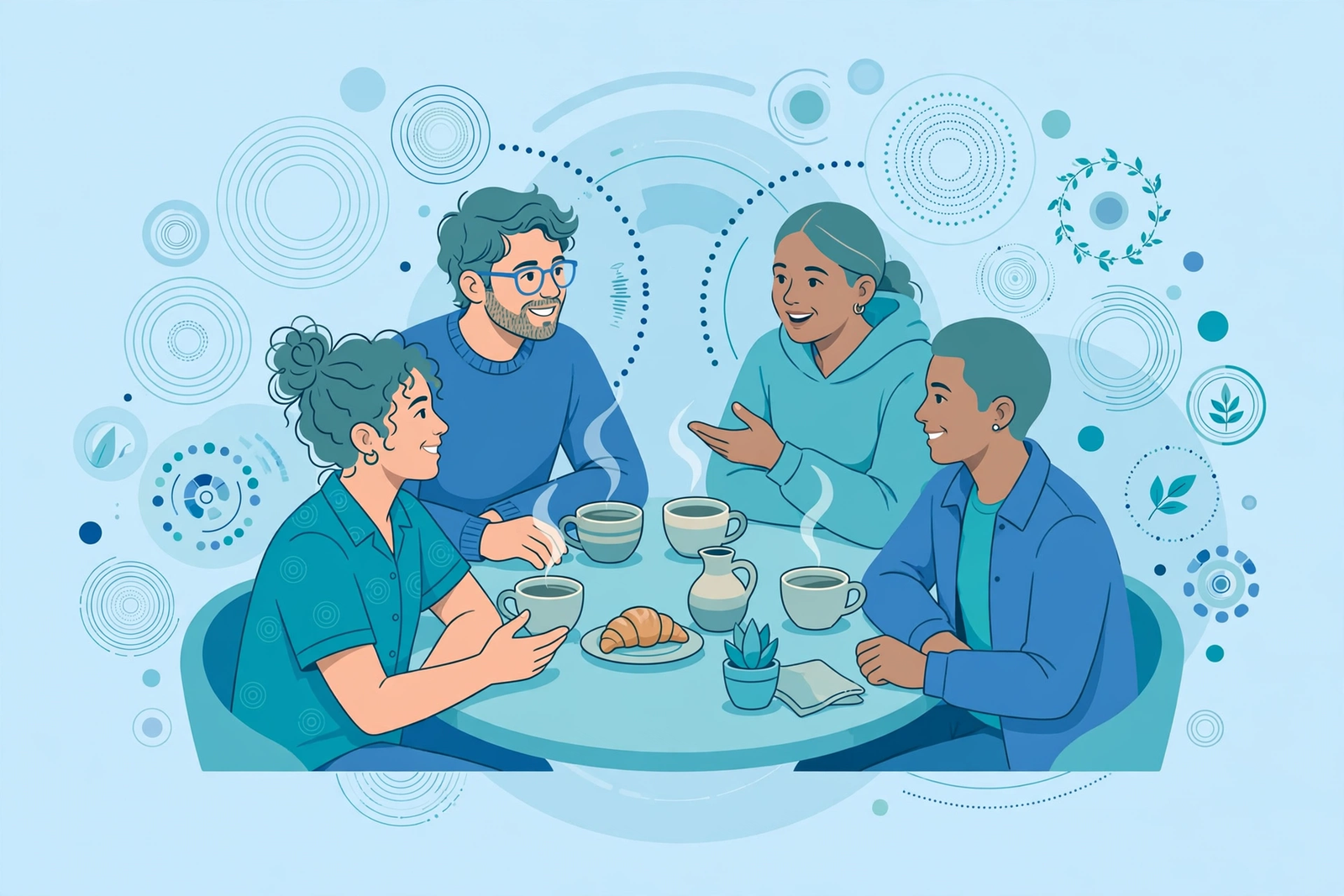
Caffeine is deeply embedded in social behavior across the globe. Whether it’s a morning coffee with colleagues, an afternoon tea with friends, or a night out with energy drinks, caffeine plays a significant role in social gatherings. For many people, drinking caffeinated beverages is a ritual that brings them together, but when caffeine consumption becomes excessive, it can begin to impact social interactions and relationships.
In this article, we will explore the social aspects of caffeine addiction, how caffeine influences behavior in social settings, and how overuse can affect relationships and social dynamics.
The Role of Caffeine in Social Interactions
Caffeine consumption is often tied to social interactions. Whether it’s meeting friends at a café, attending work meetings, or participating in social events, caffeine has become a central part of our social rituals. These interactions offer more than just the opportunity to enjoy a cup of coffee or tea—they provide a space for connection and bonding.
1. Caffeine as a Social Catalyst:
For many, caffeine serves as a social catalyst, encouraging people to come together. The act of sharing a cup of coffee or tea creates a moment of relaxation and conversation. Coffee shops and cafés are often seen as places for socializing, where individuals meet friends, colleagues, or even strangers. In some cultures, coffee is a symbol of hospitality and warmth, bringing people closer and facilitating meaningful exchanges.
2. The “Coffee Break” Culture:
In the workplace, coffee breaks are a cherished social ritual. They offer employees a chance to relax, take a short break from work, and connect with colleagues. These breaks foster camaraderie, providing an opportunity for casual conversations and team bonding. The social nature of coffee breaks can make them an important aspect of workplace culture, encouraging cooperation and interaction.
3. Caffeine and Social Identity:
In certain social groups, caffeine consumption can become a part of identity. Whether it’s the image of a coffee-drinking intellectual or a busy professional who can’t function without their morning cup, caffeine can symbolize productivity and sophistication. For some, the type of coffee they drink or the brands they choose become markers of social status or personal preferences, contributing to their self-image and social identity.
How Caffeine Addiction Affects Social Behavior
While moderate caffeine consumption can enhance social experiences, caffeine addiction can lead to several negative social behaviors. These behaviors can impact both the individual’s social life and the dynamics of their relationships.
1. Caffeine and Irritability:
Excessive caffeine consumption can cause irritability, especially as the effects of caffeine wear off. Individuals who rely on caffeine to maintain their energy levels may become moody or impatient when they don’t have access to it. This can lead to conflict in social situations, where the person’s dependence on caffeine becomes apparent.
2. Social Withdrawal:
In some cases, caffeine addiction can lead to social withdrawal. As individuals become more dependent on caffeine to function, they may prioritize their need for caffeine over social engagements. They may avoid social situations where caffeine is not readily available or become agitated if they are unable to drink caffeine during social gatherings. This withdrawal can lead to isolation and strained relationships.
3. Caffeine-Induced Anxiety in Social Settings:
For individuals who consume large amounts of caffeine, anxiety can become a significant issue. In social settings, caffeine-induced anxiety may manifest as restlessness, difficulty engaging in conversations, or even panic attacks. The person may feel uncomfortable in social situations, especially if they are trying to mask their anxiety or are reliant on caffeine to cope with stress.
4. Overconsumption and Social Stigma:
In some social circles, excessive caffeine consumption can lead to stigma or judgment. Friends and family may notice signs of addiction, such as constant cravings or an inability to function without caffeine, which can lead to feelings of embarrassment or guilt. These social pressures may discourage individuals from openly discussing their caffeine dependence, further perpetuating their addiction.
The Impact of Caffeine Addiction on Relationships
Caffeine addiction can have a significant impact on personal relationships, particularly when one person’s dependence on caffeine becomes noticeable or disruptive. Here are some ways caffeine addiction can affect relationships:
1. Strain on Family Relationships:
When caffeine addiction takes hold, it can strain family dynamics. A person who is dependent on caffeine may become irritable, anxious, or withdrawn, making it difficult for family members to interact with them in a positive way. This tension can lead to misunderstandings and frustration, especially if family members are concerned about the person’s health or lifestyle choices.
2. Romantic Relationships:
In romantic relationships, caffeine addiction can create emotional distance. If one partner is heavily reliant on caffeine, they may have less energy or enthusiasm for shared activities, leading to dissatisfaction in the relationship. Additionally, caffeine-induced irritability or mood swings can cause arguments or conflicts. A partner may also feel neglected if caffeine becomes the individual’s priority over spending quality time together.
3. Workplace Relationships:
In the workplace, caffeine addiction can affect professional relationships. A person who is frequently jittery or anxious due to caffeine consumption may struggle to collaborate effectively or maintain professional composure during meetings. On the other hand, the social aspect of workplace coffee breaks can foster positive relationships if caffeine is consumed in moderation, but over-reliance on caffeine can create tension among colleagues.
Managing Caffeine Consumption for Healthier Social Interactions
To ensure that caffeine doesn’t negatively affect social interactions and relationships, it’s important to manage consumption in a healthy way. Here are some strategies for achieving this balance:
1. Be Mindful of Caffeine Intake:
Monitor how much caffeine you consume each day and be mindful of its effects on your mood and social behavior. If you notice that caffeine is making you more irritable, anxious, or withdrawn in social situations, it may be time to reduce your intake.
2. Engage in Caffeine-Free Social Activities:
While caffeine can enhance social experiences, it’s important to engage in social activities that don’t revolve around caffeinated beverages. Plan coffee-free gatherings, such as outdoor walks, fitness classes, or dinners, where the focus is on enjoying each other’s company without the need for caffeine.
3. Use Caffeine to Enhance, Not Control, Social Situations:
Caffeine should be used to enhance social interactions, not control them. If you’re relying on caffeine to feel comfortable in social settings, it may be a sign of dependency. Try to engage in conversations, meetings, or outings without relying on caffeine to function. Over time, this will help you break the cycle of dependence.
4. Open Conversations About Caffeine Dependency:
If you feel that your caffeine consumption is affecting your relationships, don’t hesitate to open up about it with loved ones. Honest conversations can help relieve any tension or stigma associated with caffeine addiction. Additionally, support from friends and family can provide motivation and accountability as you work to reduce your caffeine intake.
Frequently Asked Questions
Can caffeine impact social skills?
Yes, excessive caffeine consumption can cause anxiety and irritability, which may affect social interactions. It can also lead to social withdrawal, where individuals avoid social situations where caffeine is not available.
How can I reduce caffeine in social settings?
Try to bring non-caffeinated beverages to social gatherings or suggest coffee-free activities. You can also make an effort to socialize in environments that focus on conversation and bonding rather than caffeinated drinks.
How does caffeine affect relationships?
Caffeine addiction can strain relationships by causing mood swings, irritability, and social withdrawal. It can also lead to emotional distance between partners, family members, or colleagues.
What are the benefits of reducing caffeine consumption in social settings?
By reducing caffeine intake, individuals can improve their emotional stability, reduce anxiety, and foster more authentic connections with others. This can lead to healthier, more meaningful relationships.
Key Takeaways
Caffeine addiction is not only a personal health issue—it also impacts social behavior and relationships. While caffeine can enhance social interactions, excessive consumption can lead to irritability, anxiety, and social withdrawal, ultimately straining relationships. By being mindful of caffeine intake and incorporating caffeine-free activities into social life, individuals can maintain healthy relationships and improve overall well-being.
For more guidance on managing caffeine consumption and improving social interactions, contact us today.
