



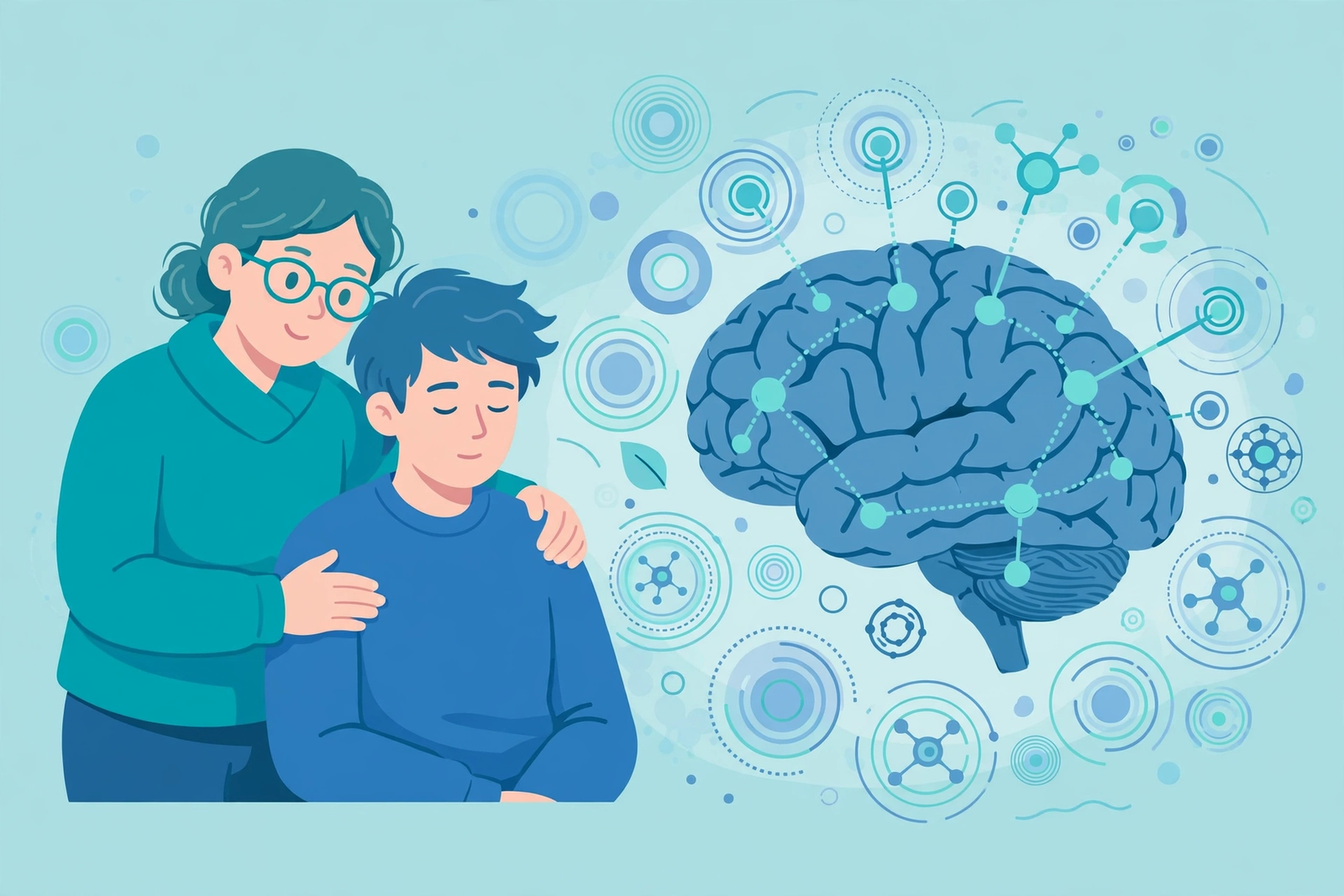
Cannabis use disorder (CUD) doesn’t just affect behavior and social life; it can also have profound consequences on brain development and function. While cannabis may have temporary effects on mood and cognitive performance, prolonged and excessive use can lead to long-term changes in the brain’s structure and function. These changes are especially concerning for young people, whose brains are still developing.
In this article, we will explore how cannabis use disorder impacts brain development, cognitive function, and mental health. We will also discuss the risks of early and heavy cannabis use, particularly in adolescents, and how the brain’s reward system and cognitive abilities are affected by addiction.
How Cannabis Affects the Brain
Cannabis contains cannabinoids, the most well-known of which is THC (tetrahydrocannabinol). THC binds to cannabinoid receptors in the brain, particularly those involved in the brain’s reward system, memory, and motor function. This binding alters brain chemistry, leading to changes in mood, cognition, and behavior. Over time, these effects can become more pronounced, especially in those who develop cannabis use disorder.
1. Cannabinoid Receptors and Brain Areas Affected:
Cannabinoid receptors (CB1 and CB2) are found throughout the brain and body. CB1 receptors, in particular, are concentrated in areas of the brain involved in memory, learning, movement, and emotional regulation. When THC binds to these receptors, it disrupts normal brain function, leading to short-term changes in cognition and mood. With prolonged use, these changes can become permanent, affecting long-term brain function.
2. Reward System and Dopamine:
The brain’s reward system, which is responsible for feelings of pleasure and reinforcement, is also significantly impacted by cannabis. THC stimulates the release of dopamine, the neurotransmitter associated with pleasure and reward. While this release provides temporary feelings of euphoria, repeated cannabis use can lead to changes in the brain’s reward system, making it harder for the individual to feel pleasure from everyday activities. This can create a cycle of dependency, where the individual relies on cannabis to achieve the same pleasurable feelings.
The Impact of Cannabis Use Disorder on Brain Development
The effects of cannabis use disorder on brain development are particularly concerning in adolescents and young adults, whose brains are still maturing. Research has shown that early and frequent cannabis use can interfere with the normal development of the brain, leading to long-lasting cognitive and behavioral changes.
1. Adolescent Brain Development:
Adolescence is a critical period for brain development, particularly in areas involved in decision-making, impulse control, and memory. Cannabis use during this time can disrupt the development of these areas, leading to impaired cognitive function, poor decision-making skills, and an increased risk of developing mental health issues later in life.
Studies have shown that adolescents who use cannabis regularly exhibit changes in brain structure, such as reduced gray matter volume in areas associated with cognitive function. These changes can result in lasting impairments in attention, memory, and learning.
2. Memory and Learning Impairment:
One of the most significant effects of cannabis use on the brain is its impact on memory and learning. Cannabis impairs short-term memory by disrupting the hippocampus, the brain area responsible for forming and storing new memories. This can make it difficult to retain information, recall facts, or learn new skills.
For individuals with cannabis use disorder, these memory impairments can be long-lasting and can affect academic performance, work productivity, and daily functioning. In adolescents, these impairments can hinder educational achievement and contribute to long-term cognitive difficulties.
3. Impaired Decision-Making and Risk-Taking:
Cannabis use can also interfere with the development of the prefrontal cortex, the part of the brain responsible for decision-making, impulse control, and judgment. This can lead to increased impulsivity and poor decision-making, which are common characteristics of cannabis use disorder.
In adolescents, the impaired decision-making ability can result in risky behaviors, such as unprotected sex, drug use, and dangerous driving. Over time, these behaviors can lead to negative consequences in terms of health, relationships, and legal issues.
4. Emotional Regulation and Mental Health:
Cannabis use disorder can disrupt the brain’s ability to regulate emotions. Cannabis impacts the amygdala, the brain area responsible for processing emotions such as fear and anxiety. This can lead to emotional dysregulation, where individuals may experience heightened anxiety, paranoia, or depression.
Long-term cannabis use, particularly in adolescence, is also associated with an increased risk of developing mental health disorders, such as depression, anxiety, and psychosis. Studies have shown that early cannabis use can trigger or exacerbate underlying mental health conditions, leading to a vicious cycle where cannabis is used as a form of self-medication.
The Long-Term Consequences of Cannabis Use Disorder on Brain Function
The long-term consequences of cannabis use disorder on brain function can be severe, especially if cannabis is used frequently over a prolonged period. These effects can impact cognitive abilities, emotional regulation, and mental health, making it harder for individuals to function in daily life.
1. Cognitive Decline:
Long-term cannabis use has been shown to lead to cognitive decline, particularly in areas such as memory, attention, and executive function. Individuals with cannabis use disorder often experience difficulties with concentration, problem-solving, and decision-making, which can affect their ability to perform tasks at work or school.
Chronic cannabis use can also contribute to a decline in IQ over time. Some studies have shown that individuals who start using cannabis heavily in adolescence may experience a reduction in cognitive abilities that persists even after they stop using the drug.
2. Reduced Motivation and Amotivational Syndrome:
Cannabis use disorder is often linked to a lack of motivation, which can manifest as amotivational syndrome. This syndrome is characterized by a reduced interest in pursuing goals, completing tasks, or engaging in meaningful activities. Individuals with cannabis use disorder may struggle to stay motivated at work, school, or in their personal lives, leading to a decline in productivity and overall life satisfaction.
3. Mental Health and Co-Occurring Disorders:
Prolonged cannabis use can increase the risk of developing mental health disorders, such as anxiety, depression, and psychosis. Individuals with cannabis use disorder may also experience increased vulnerability to stress and emotional distress, as their brain’s ability to regulate emotions becomes impaired.
For individuals with a family history of mental health disorders, cannabis use can trigger or exacerbate underlying conditions, leading to more severe symptoms and a greater need for mental health intervention.
Protecting Brain Health: Preventing Cannabis Use Disorder
The best way to protect brain health and prevent cannabis use disorder is to avoid or limit cannabis use, particularly during adolescence and early adulthood. Early intervention and prevention are key to reducing the risk of long-term cognitive and mental health issues.
1. Early Education and Prevention Programs:
Educating young people about the risks of cannabis use and its impact on brain development is crucial for prevention. School-based programs and public health campaigns can help raise awareness about the potential consequences of cannabis use and provide information about healthy coping mechanisms for stress and emotions.
2. Building Healthy Coping Skills:
Developing healthy coping skills for stress, anxiety, and emotional regulation is essential for preventing cannabis use disorder. Encouraging activities such as exercise, mindfulness, and social engagement can help individuals manage their emotions without resorting to substances like cannabis.
3. Treatment for Cannabis Use Disorder:
For individuals who are already struggling with cannabis use disorder, treatment options such as behavioral therapy, cognitive behavioral therapy (CBT), and support groups can help address the underlying causes of addiction and improve brain health. Early intervention can prevent further damage to cognitive function and help individuals regain control over their lives.
Frequently Asked Questions
Can cannabis use disorder cause brain damage?
Yes, long-term and heavy cannabis use can cause lasting changes in brain structure and function, particularly in areas involved in memory, attention, and decision-making. These changes can lead to cognitive decline and emotional regulation issues.
How does cannabis affect adolescent brain development?
Cannabis use during adolescence can disrupt the normal development of brain areas responsible for memory, decision-making, and emotional regulation. Early cannabis use is associated with cognitive impairment, poor academic performance, and an increased risk of mental health issues.
Can stopping cannabis use reverse brain damage?
While some cognitive impairments caused by cannabis use may improve after quitting, the long-term effects on brain function may persist. However, early intervention and treatment can help prevent further damage and improve cognitive health over time.
How can I protect my brain from the effects of cannabis?
The best way to protect brain health is to avoid or limit cannabis use, particularly during adolescence and early adulthood. Building healthy coping skills for stress, engaging in regular exercise, and seeking professional help if needed are key to maintaining brain function.
Key Takeaways
Cannabis use disorder can have significant effects on brain development and function, particularly in adolescents and young adults. Prolonged cannabis use can lead to cognitive decline, impaired decision-making, and mental health issues. Early education, prevention programs, and healthy coping strategies are essential for reducing the risk of cannabis use disorder and protecting brain health. Treatment for cannabis use disorder can help individuals regain control of their lives and prevent further cognitive and emotional damage.
For more information on preventing cannabis use disorder and supporting brain health, contact us today.
