



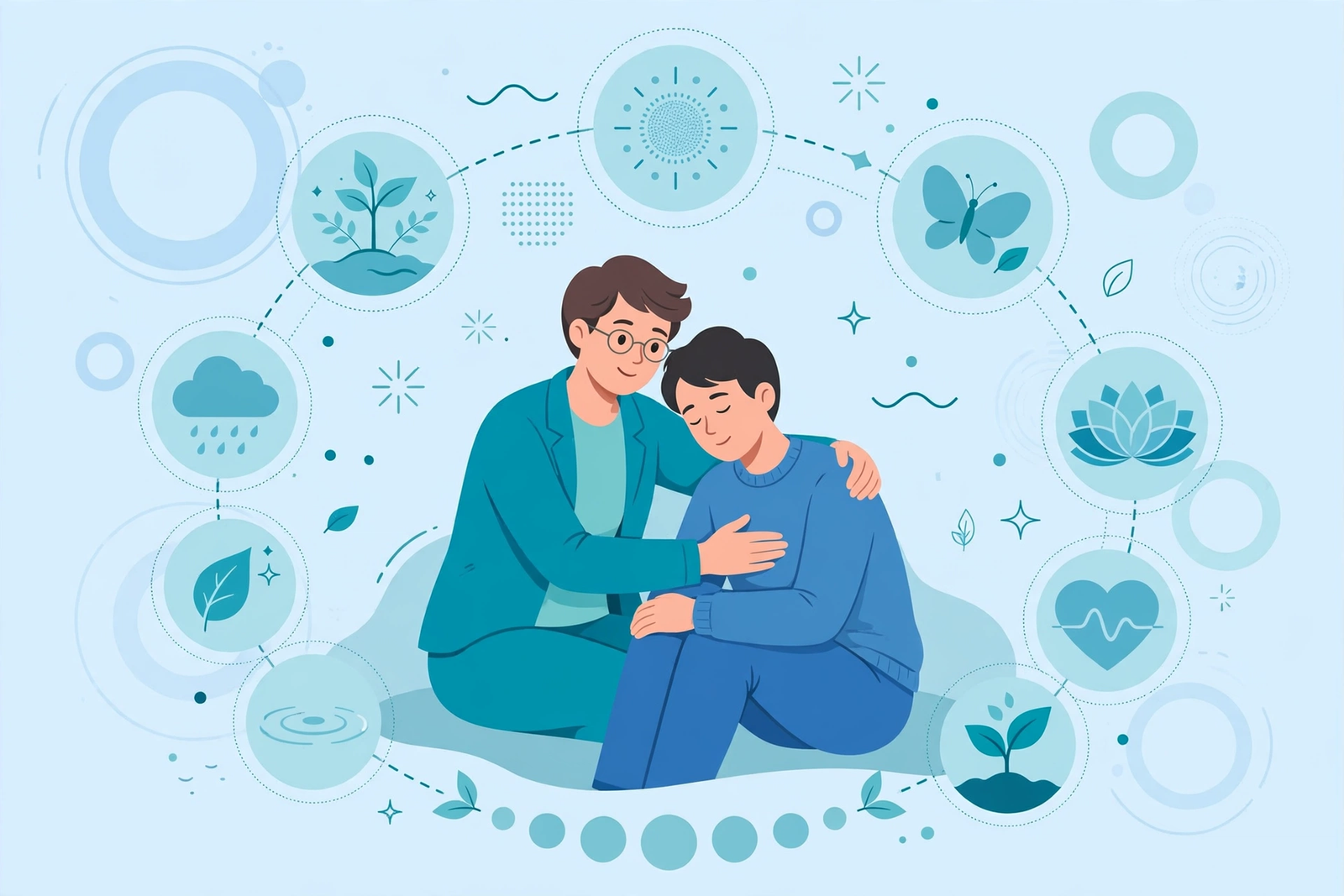
Cannabis use disorder (CUD) is not only a physical and social condition but is also deeply connected to mental health. Many individuals who struggle with cannabis use disorder also experience mental health challenges, such as anxiety, depression, and stress. In some cases, cannabis use can exacerbate existing mental health issues, while in others, individuals may turn to cannabis as a form of self-medication to cope with emotional pain or mental health symptoms.
In this article, we will explore the connection between cannabis use disorder and mental health, examining how cannabis addiction can impact mental well-being and why it’s crucial to treat both conditions together for effective recovery.
How Cannabis Use Disorder Affects Mental Health
Cannabis use has short-term and long-term effects on mental health. While cannabis may temporarily alleviate feelings of stress or anxiety, long-term use can lead to an array of mental health challenges. It’s important to understand how cannabis affects mood, cognition, and emotional regulation, as this can help explain why it plays such a significant role in mental health disorders.
1. Cannabis and Anxiety:
For many people with cannabis use disorder, anxiety is a common co-occurring condition. Cannabis is often used to self-medicate anxiety, as it can initially provide a sense of calm or euphoria. However, regular cannabis use can lead to increased anxiety over time. Cannabis can alter the brain’s chemistry, specifically the way the brain processes stress and anxiety.
Frequent cannabis use can cause heightened levels of anxiety, especially when individuals experience withdrawal symptoms or during periods of low cannabis availability. For some individuals, cannabis use may exacerbate feelings of paranoia, leading to social anxiety and fear. Additionally, long-term use of cannabis has been shown to increase the risk of developing anxiety disorders.
2. Cannabis and Depression:
Depression is another common mental health condition that is linked to cannabis use disorder. While cannabis may provide temporary relief from depressive symptoms, it can lead to long-term problems. Chronic cannabis use can contribute to the development or worsening of depression by interfering with brain regions involved in mood regulation, such as the prefrontal cortex and amygdala.
In addition, cannabis use disorder often leads to social withdrawal and decreased motivation, which can make individuals feel more isolated and worsen symptoms of depression. Some studies have shown that individuals who use cannabis heavily may experience a reduction in the brain’s natural ability to regulate mood, which can increase the severity of depressive symptoms over time.
3. Cognitive Impairment and Memory Problems:
Cannabis use disorder is also associated with cognitive impairment, including memory problems and difficulty concentrating. The psychoactive component of cannabis, THC, affects the hippocampus, a region of the brain that plays a crucial role in forming and retrieving memories. Over time, heavy cannabis use can lead to long-lasting memory deficits and cognitive impairments.
These cognitive impairments can make it difficult for individuals to manage daily tasks, perform well at work or school, and maintain relationships. Cognitive dysfunction, coupled with mental health struggles such as anxiety and depression, can significantly affect an individual’s quality of life and overall well-being.
4. Psychosis and Cannabis Use:
In some cases, cannabis use disorder can lead to or exacerbate psychosis. Psychosis is characterized by symptoms such as hallucinations, delusions, and disorganized thinking. While psychosis is more commonly associated with other substances, research has shown that individuals with a history of cannabis use disorder are at an increased risk of developing psychotic disorders, particularly those with a genetic predisposition to mental illness.
Frequent cannabis use, especially with high-THC strains, can trigger or worsen symptoms of psychosis, leading to persistent delusions, paranoia, or hallucinations. For individuals with a family history of schizophrenia or bipolar disorder, cannabis use can be a significant risk factor in the development of psychotic episodes.
The Cycle Between Cannabis Use Disorder and Mental Health
The relationship between cannabis use disorder and mental health is often cyclical, where one condition exacerbates the other. For example, an individual may use cannabis as a way to self-medicate their anxiety or depression, but over time, cannabis use can make these mental health symptoms worse. The worsening mental health symptoms can lead to increased cannabis use, creating a vicious cycle of dependency and worsening mental health.
1. Self-Medication and Dependence:
For many individuals, cannabis is used as a coping mechanism for underlying mental health issues. Cannabis may initially provide relief from emotional pain or mental distress, but over time, the body becomes dependent on the substance to manage these feelings. As tolerance builds, individuals may need more cannabis to achieve the same calming effects, leading to increased consumption and a greater risk of addiction.
This pattern of self-medication can prevent individuals from seeking professional help for their mental health issues. By relying on cannabis as the primary method of coping, individuals may delay seeking treatment for anxiety, depression, or other mental health conditions, which can prolong their struggles and increase the severity of their symptoms.
2. Withdrawal and Mental Health Exacerbation:
When individuals with cannabis use disorder attempt to quit or reduce their consumption, they may experience withdrawal symptoms, including irritability, anxiety, depression, and sleep disturbances. These withdrawal symptoms can exacerbate pre-existing mental health conditions and make it difficult for individuals to manage their emotions during the recovery process.
The psychological distress caused by withdrawal can lead to relapse, as individuals may return to cannabis use to alleviate the discomfort of withdrawal. This cycle of use and withdrawal can create a pattern of dependency that is difficult to break, making it crucial to address both cannabis use disorder and mental health conditions simultaneously during treatment.
Treatment for Cannabis Use Disorder and Mental Health Disorders
Treating cannabis use disorder and the accompanying mental health conditions requires a holistic, integrated approach. Addressing both issues simultaneously is crucial for effective recovery and long-term success. Here are some treatment options that can help individuals recover from cannabis use disorder while also managing mental health symptoms:
1. Behavioral Therapy:
Cognitive Behavioral Therapy (CBT) is one of the most effective treatments for both cannabis use disorder and mental health disorders. CBT helps individuals identify and change the negative thought patterns and behaviors that contribute to their addiction and mental health struggles. CBT can also help individuals develop healthier coping mechanisms for managing anxiety, depression, and other emotional challenges.
2. Motivational Enhancement Therapy (MET):
Motivational Enhancement Therapy (MET) is another effective approach that helps individuals identify their personal motivations for change. This therapy focuses on increasing motivation to quit cannabis use and addressing the underlying mental health issues that may be contributing to cannabis dependency.
3. Medication for Co-Occurring Mental Health Disorders:
For individuals with cannabis use disorder and co-occurring mental health disorders, medication may be prescribed to help manage symptoms of anxiety, depression, or psychosis. Antidepressants, anti-anxiety medications, and antipsychotics can help alleviate mental health symptoms while individuals work on overcoming cannabis addiction.
4. Support Groups:
Support groups, such as Marijuana Anonymous (MA) or other addiction recovery groups, can provide emotional support and encouragement for individuals recovering from cannabis use disorder. These groups offer a sense of community and understanding, which can be particularly helpful for individuals who are also struggling with mental health issues.
5. Integrated Treatment Programs:
Integrated treatment programs that address both cannabis use disorder and mental health disorders simultaneously are often the most effective. These programs combine therapy, medication, and support to help individuals recover from addiction while also managing mental health symptoms. Working with a team of professionals who understand both addiction and mental health is crucial for successful recovery.
Frequently Asked Questions
Can cannabis use disorder cause mental health issues?
Yes, cannabis use disorder can lead to or exacerbate mental health issues, including anxiety, depression, and psychosis. Long-term cannabis use can disrupt brain chemistry, impair cognitive function, and interfere with emotional regulation.
How can cannabis use disorder be treated alongside mental health disorders?
Treatment for cannabis use disorder and mental health disorders often involves integrated approaches, including therapy (such as Cognitive Behavioral Therapy), medication, and support groups. Addressing both issues simultaneously is crucial for long-term recovery.
Can cannabis be used to self-medicate for mental health problems?
While some individuals use cannabis to alleviate symptoms of anxiety or depression, long-term cannabis use can actually worsen mental health conditions. Cannabis use can interfere with the brain’s ability to regulate mood and emotions, leading to increased anxiety, depression, and cognitive impairments.
What are the withdrawal symptoms of cannabis use disorder?
Withdrawal symptoms from cannabis use can include irritability, anxiety, depression, sleep disturbances, and physical discomfort. These symptoms can exacerbate existing mental health issues and make recovery challenging.
Key Takeaways
Cannabis use disorder is closely linked to mental health, with many individuals using cannabis to self-medicate underlying conditions such as anxiety and depression. However, long-term cannabis use can exacerbate these mental health issues, creating a cycle of dependence and worsening mental health symptoms. Treatment for cannabis use disorder and mental health disorders requires an integrated approach that includes therapy, medication, and support groups. By addressing both issues simultaneously, individuals can achieve long-term recovery and improved mental well-being.
For help managing cannabis use disorder and mental health challenges, contact us today.
