



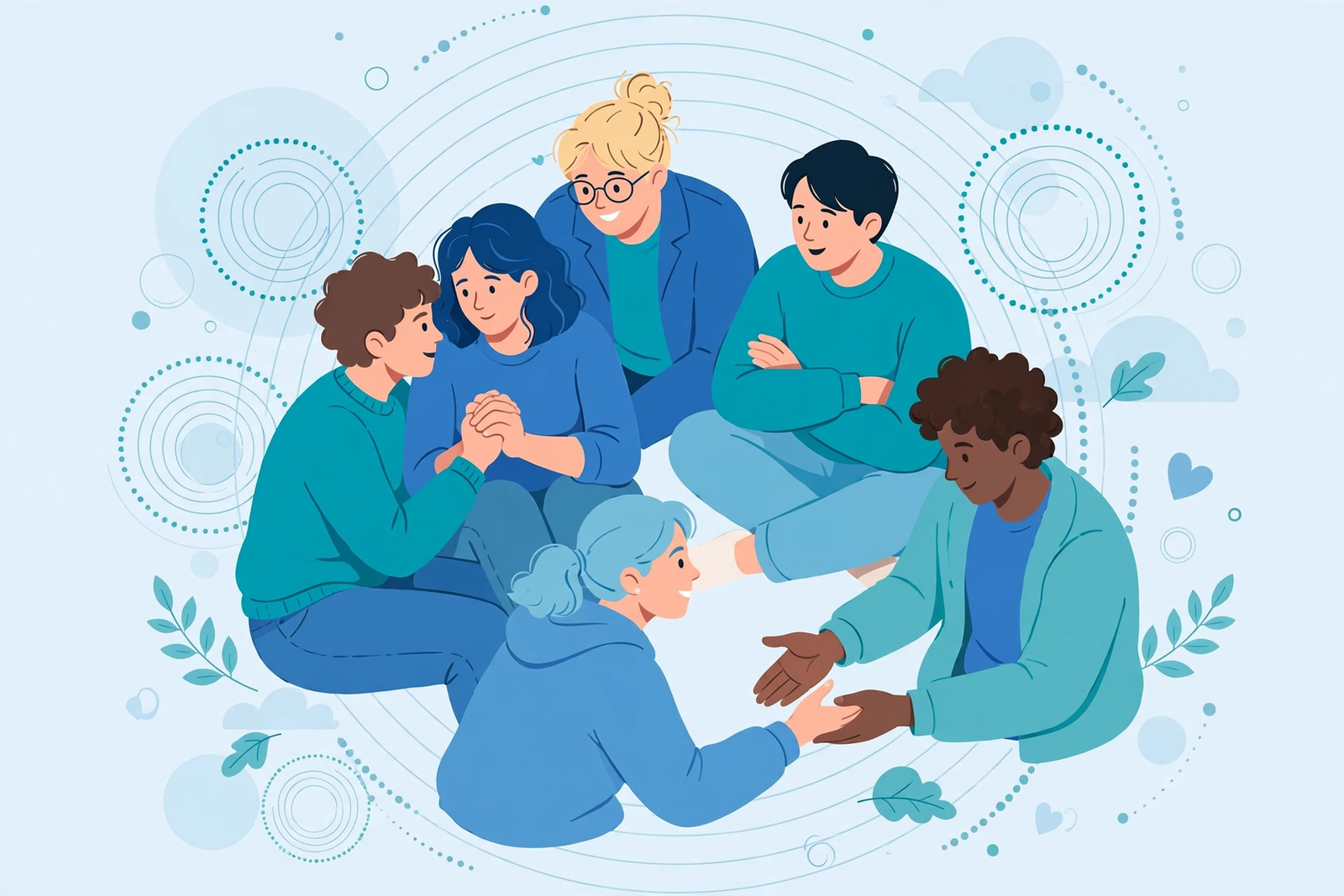
Cannabis use disorder (CUD) does not only affect the individual struggling with addiction—it also has a profound impact on their relationships and social life. As cannabis use becomes more frequent and intense, the individual may begin to withdraw from friends, family, and other social activities. The emotional and interpersonal consequences of cannabis addiction can be far-reaching, straining relationships and creating feelings of isolation.
In this article, we will explore how cannabis use disorder affects relationships and social life, including the emotional and social consequences that arise as a result of dependency.
How Cannabis Use Disorder Impacts Relationships
Cannabis use disorder can create tension, conflict, and emotional distress in relationships. Whether it’s with a partner, family members, friends, or colleagues, addiction can lead to significant changes in the dynamics of these relationships.
1. Strained Family Relationships:
For individuals with cannabis use disorder, relationships with family members can become strained, particularly if the addiction is impacting their behavior or responsibilities. Parents, siblings, or spouses may become frustrated, angry, or worried about the individual’s cannabis use, leading to conflict and emotional distance.
In some cases, family members may feel neglected or unsupported if the individual prioritizes cannabis over spending quality time or engaging in important family activities. Additionally, if cannabis use leads to financial problems, legal issues, or health concerns, family members may feel burdened with dealing with the consequences, further creating tension.
2. Romantic Relationships:
Cannabis use disorder can also place a significant strain on romantic relationships. Partners may feel neglected, betrayed, or unappreciated if cannabis use begins to take precedence over the relationship. The individual’s behavior may become erratic, with mood swings, irritability, or emotional withdrawal. This can lead to frequent arguments, a lack of intimacy, and, ultimately, the deterioration of the relationship.
In some cases, the partner of an individual with cannabis use disorder may also develop co-dependency or enable the addiction, which further complicates the relationship. Lack of communication and emotional support can lead to long-term relationship breakdowns.
3. Friendships and Social Isolation:
As cannabis use becomes more ingrained in daily life, individuals may begin to prioritize using cannabis over maintaining friendships or social activities. Cannabis users may withdraw from social gatherings, avoid spending time with friends who don’t use cannabis, or isolate themselves from loved ones to maintain their habit. This can lead to feelings of loneliness, isolation, and alienation, as the individual may no longer have the emotional or social support needed to maintain healthy relationships.
Social isolation can also create a vicious cycle, as the individual may continue using cannabis to cope with feelings of loneliness or emotional distress, further distancing themselves from others.
Emotional and Psychological Consequences of Cannabis Use Disorder on Social Life
The emotional and psychological effects of cannabis use disorder play a significant role in how the individual interacts with others. As addiction takes hold, emotional regulation and the ability to connect with others can become impaired, leading to further social and interpersonal challenges.
1. Mood Swings and Irritability:
Cannabis use disorder can lead to significant mood fluctuations. While cannabis may initially provide a sense of relaxation or euphoria, long-term use can cause irritability, anxiety, and depression. These mood swings can affect interactions with others, leading to increased conflict and difficulty in maintaining positive relationships.
Family members, friends, and partners may feel that they are walking on eggshells, unsure of how the individual will react at any given moment. This can create a toxic emotional environment and further strain social connections.
2. Lack of Emotional Availability:
As individuals become more dependent on cannabis, they may become emotionally unavailable to those around them. They may withdraw from social activities, fail to provide emotional support to loved ones, or lose interest in engaging with others. This lack of emotional connection can lead to feelings of neglect and hurt in relationships, particularly for partners or family members who feel that they are no longer a priority.
3. Inability to Maintain Social Responsibilities:
Cannabis use disorder can impair an individual’s ability to meet social responsibilities, whether at work, home, or in personal relationships. For example, an individual may neglect important events, fail to follow through on commitments, or disengage from social obligations due to cannabis use. This can lead to feelings of guilt, shame, and further emotional distress, which can damage relationships and decrease self-esteem.
The Impact of Cannabis Use Disorder on Work and Professional Relationships
Cannabis use disorder not only affects personal relationships but can also have a significant impact on professional life. The individual’s ability to perform effectively at work, communicate with colleagues, and meet professional expectations can be severely hindered by the consequences of cannabis addiction.
1. Decline in Work Performance:
Cannabis use disorder can lead to a decline in cognitive function, focus, and productivity at work. The individual may struggle to concentrate, miss deadlines, or make mistakes due to impaired judgment and cognitive impairment. Chronic cannabis use can lead to memory problems and a lack of motivation, making it difficult to perform well in a professional environment.
As a result, the individual may face disciplinary action at work, job loss, or a lack of career advancement opportunities. The stress of these consequences can, in turn, increase reliance on cannabis as a coping mechanism, creating a cycle that affects professional life.
2. Increased Absenteeism:
Individuals with cannabis use disorder may also experience increased absenteeism from work due to the effects of cannabis or withdrawal symptoms. As they struggle to manage their addiction, they may find it difficult to meet professional obligations or attend work regularly. Frequent absenteeism can lead to strained relationships with supervisors, colleagues, and clients, further affecting the individual’s career trajectory.
3. Workplace Conflict:
Cannabis use can also contribute to interpersonal conflict in the workplace. Employees may feel frustrated or concerned if they are working with a colleague who is frequently under the influence of cannabis or who displays erratic behavior due to addiction. This can lead to decreased team cohesion, poor communication, and a negative work environment.
Treatment and Recovery – Rebuilding Relationships and Social Life
Cannabis use disorder is treatable, and recovery can help individuals rebuild damaged relationships and social connections. Treatment involves addressing both the addiction and the emotional, psychological, and social issues that arise from cannabis use.
1. Behavioral Therapy:
Behavioral therapies, such as Cognitive Behavioral Therapy (CBT), can help individuals recognize the thoughts and behaviors that contribute to their cannabis use and learn healthier ways to cope with stress, anxiety, and emotional issues. Therapy can also address relationship problems caused by cannabis use and help rebuild trust and communication with family and partners.
2. Support Groups:
Support groups, such as Marijuana Anonymous (MA), provide a safe space for individuals to share their experiences and receive support from others in recovery. These groups offer a sense of community and belonging, which can help reduce social isolation and rebuild relationships during recovery.
3. Couples or Family Therapy:
For individuals whose relationships have been strained by cannabis use, couples or family therapy can be an essential part of recovery. These therapies focus on improving communication, rebuilding trust, and addressing any underlying issues that may have contributed to the cannabis use disorder. Engaging in therapy with loved ones can help strengthen relationships and promote healing.
4. Social Reintegration:
As individuals progress in their recovery, it’s important to focus on reintegrating into social settings without relying on cannabis. This may involve attending social activities without the need for cannabis, building new friendships, and developing healthy coping mechanisms for stress and emotions.
Frequently Asked Questions
How does cannabis use disorder affect relationships?
Cannabis use disorder can strain relationships by causing emotional withdrawal, irritability, neglect of responsibilities, and decreased social interaction. It can lead to conflict with partners, family members, and friends, making it difficult to maintain healthy relationships.
Can cannabis use disorder lead to social isolation?
Yes, individuals with cannabis use disorder often withdraw from social activities and relationships, choosing to prioritize cannabis use over spending time with loved ones. This can lead to feelings of loneliness and social isolation.
How can treatment help improve relationships affected by cannabis use disorder?
Treatment for cannabis use disorder can help individuals address the underlying causes of their addiction, improve emotional regulation, and rebuild trust and communication in relationships. Behavioral therapy, support groups, and family therapy can help restore connections with loved ones.
Can I rebuild my social life after cannabis use disorder?
Yes, recovery from cannabis use disorder involves rebuilding healthy relationships, improving communication, and reintegrating into social settings without the need for cannabis. Support from therapy and social groups can help individuals reconnect with others and develop fulfilling social lives.
Key Takeaways
Cannabis use disorder can have a significant impact on relationships, social life, and professional performance. As addiction takes hold, it can lead to emotional withdrawal, social isolation, and conflict with loved ones. However, with appropriate treatment, individuals can recover and rebuild relationships through therapy, support groups, and social reintegration. Recovery is possible, and individuals can regain a healthy balance in their social and emotional lives.
For more guidance on overcoming cannabis use disorder and improving relationships, contact us today.
