



Key Points
- Major life transitions, such as job changes, divorce, or relocation, are common triggers for adjustment disorder.
- Coping strategies such as emotional regulation, seeking support, and maintaining routines can help manage symptoms during transitions.
- Seeking professional help through therapy can provide essential tools for adapting to life changes in a healthy way.
- With the right support and coping strategies, individuals can navigate life transitions and reduce the emotional toll of adjustment disorder.
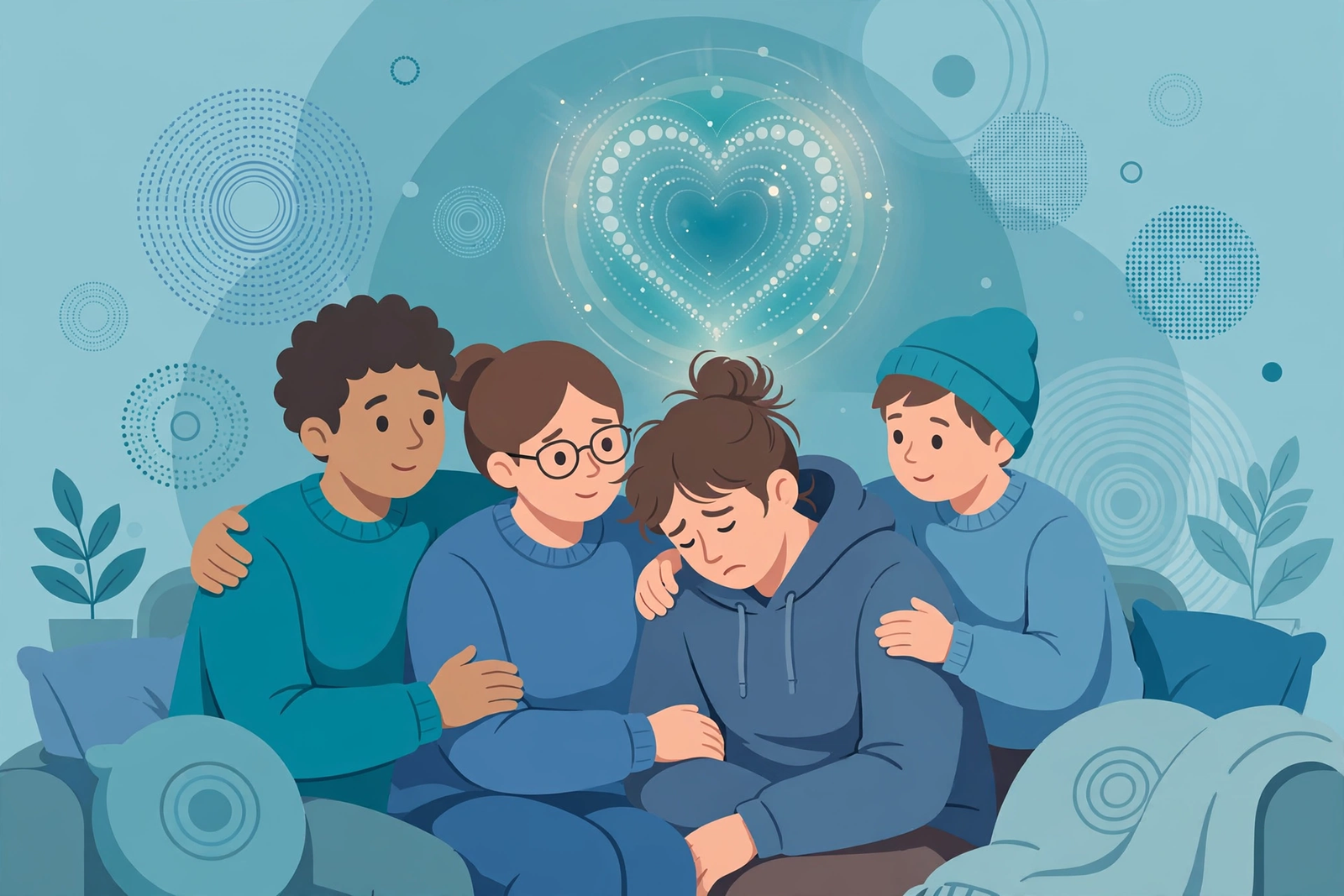
Major life transitions — starting a new job, going through a divorce, moving to a new city — can stir up powerful emotions. Stress, anxiety, sadness, or confusion may surface, and when they become hard to manage, adjustment disorder can develop. If you’re feeling overwhelmed by change, please know your feelings are valid.
In this article, we’ll explore compassionate strategies for coping with adjustment disorder during major life transitions — ways to manage stress, steady your emotions, and find solid ground during uncertain times.
Common Life Transitions That Trigger Adjustment Disorder
Major life transitions are significant stressors that can affect an individual’s emotional health. Some common life changes that may trigger adjustment disorder include:
- Job Changes or Unemployment: A promotion, job loss, or career shift can create uncertainty about the future, leading to stress and emotional instability.
- Divorce or Relationship Breakdown: The end of a significant relationship can cause feelings of loss, sadness, and emotional pain, often leading to adjustment disorder.
- Relocation or Moving to a New City: Moving to a new place brings physical, emotional, and social adjustments, which can create feelings of isolation and stress.
- Financial Hardship: Sudden financial changes, such as losing a home or facing financial instability, can create overwhelming anxiety and emotional distress.
- Health Diagnosis or Injury: A serious health condition or injury can trigger feelings of vulnerability, fear, and uncertainty, contributing to adjustment disorder.
- Death of a Loved One: The grief and emotional turmoil following the loss of a loved one can be compounded by the need to adjust to life without them.
These life events require significant adjustment, and the emotional challenges can overwhelm an individual’s coping mechanisms. When this happens, adjustment disorder can develop, making it harder to adapt to the new circumstances.
Coping Strategies for Adjustment Disorder During Life Transitions
Coping with adjustment disorder during a major life transition calls for a mix of emotional regulation, stress management, social support, and practical steps. The approaches below can help you navigate the emotional challenges of big life changes with more confidence.
1. Maintain Healthy Routines
Maintaining healthy routines can provide stability during times of uncertainty. Life transitions often disrupt regular schedules, which can heighten feelings of stress and anxiety. By keeping a consistent routine, individuals can create a sense of normalcy that helps manage emotional distress.
- Establish a daily schedule: Set aside time for work, meals, exercise, and relaxation to maintain balance in your day-to-day life.
- Keep a sleep routine: Ensure you are getting enough rest each night. A regular sleep schedule improves mood, reduces anxiety, and helps with emotional regulation.
- Make time for self-care: Prioritize activities that promote relaxation and well-being, such as reading, exercising, or enjoying hobbies.
2. Emotional Regulation and Stress Management
Effective emotional regulation is essential for coping with the emotional impact of life transitions. Techniques like mindfulness, deep breathing, and progressive muscle relaxation can help reduce anxiety and restore emotional balance.
- Mindfulness and Meditation: Practicing mindfulness or meditation can help calm the mind, reduce stress, and bring focus to the present moment. Try dedicating 10-15 minutes each day to mindfulness exercises to improve emotional resilience.
- Deep Breathing: Deep breathing exercises can help slow the heart rate and reduce physical symptoms of anxiety. Practice slow, deep breathing in moments of stress to promote calmness.
- Progressive Muscle Relaxation: This technique helps release physical tension by systematically tensing and relaxing different muscle groups. It promotes relaxation and helps manage physical symptoms of stress.
3. Build and Lean on Your Support System
Social support is crucial when coping with the emotional challenges of adjustment disorder. During major life transitions, feeling isolated can increase stress and anxiety. Connecting with others can provide comfort, encouragement, and practical assistance.
- Talk to family and friends: Share your feelings and experiences with loved ones who can offer empathy and emotional support. Just talking about your challenges can help you process your emotions and gain perspective.
- Seek support from a therapist: Therapy, particularly Cognitive Behavioral Therapy (CBT), can provide a structured approach to managing emotions, developing coping skills, and navigating difficult transitions.
- Join a support group: Connecting with others who are going through similar experiences can reduce feelings of isolation and provide a sense of community. Support groups can offer valuable advice and encouragement.
4. Set Realistic Goals and Take Small Steps
During major life transitions, it can feel overwhelming to tackle everything at once. Setting realistic, achievable goals helps individuals break down tasks into smaller, manageable steps.
- Set short-term goals: Focus on tasks that are important in the immediate moment, such as updating your resume, finding a new place to live, or seeking therapy. Taking small steps can provide a sense of accomplishment and reduce feelings of overwhelm.
- Celebrate progress: Recognize and celebrate the small wins along the way. Each step you take toward adjusting to the change is a positive achievement that contributes to your recovery.
5. Focus on Self-Care and Well-Being
Taking care of your physical and mental health is essential when coping with adjustment disorder. Stress from life transitions can take a toll on the body and mind, so it is important to prioritize self-care.
- Exercise regularly: Physical activity releases endorphins that improve mood, reduce stress, and increase energy levels. Even a short daily walk can help with emotional regulation.
- Eat well: A healthy, balanced diet supports overall well-being and can improve mood and energy. Incorporate fruits, vegetables, lean proteins, and whole grains into your diet.
- Practice relaxation: Engage in activities that bring you joy and relaxation, such as reading, listening to music, or spending time in nature.
6. Give Yourself Time to Adjust
Major life transitions take time, and it’s important to give yourself grace during the adjustment process. Acknowledge that it’s okay to feel stressed, anxious, or uncertain as you navigate the change. Recovery from adjustment disorder is a gradual process, and being patient with yourself is essential.
- Avoid self-criticism: Be kind to yourself during this time. Understand that it’s normal to feel overwhelmed and that recovery is a process.
- Focus on the long-term: Although it may feel difficult in the moment, remember that life transitions are temporary, and things will improve as you adjust to the changes.
When to Seek Professional Help
If the emotional distress caused by the life transition becomes overwhelming or if symptoms of adjustment disorder persist for several weeks, it may be time to seek professional help. A therapist can help you navigate the emotional challenges of adjustment disorder and provide guidance on coping strategies and emotional regulation.
- Therapy: Cognitive Behavioral Therapy (CBT) is particularly effective for managing the stress and emotional symptoms associated with adjustment disorder. It helps individuals identify negative thought patterns, develop healthier coping strategies, and address underlying emotional distress.
- Medication: In some cases, medication such as antidepressants or anti-anxiety medications may be prescribed to manage symptoms of anxiety or depression. Medication can be used alongside therapy for better results.
Key Takeaways
- Major life transitions, such as job changes, divorce, or relocation, are common triggers for adjustment disorder.
- Coping strategies, such as maintaining routines, practicing stress management techniques, and seeking social support, can help manage symptoms during life transitions.
- Therapy and self-care play key roles in managing adjustment disorder and improving emotional well-being.
- Giving yourself time to adjust and setting realistic goals can help you navigate life changes more effectively.
If you’re struggling with adjustment disorder during a major life transition, you’re warmly welcome to contact us to explore treatment options and develop a personalized plan for coping and emotional recovery.
A gentle note: this article is for education only and isn’t a substitute for professional medical advice. If a life transition is affecting your well-being, please reach out to a qualified mental health professional or a trusted support service for guidance that’s right for you.
