



Key Points:
- Coping with Body Dysmorphic Disorder (BDD) involves developing healthy thought patterns, practicing self-compassion, and using coping mechanisms to manage obsessive thoughts.
- Therapy, especially Cognitive Behavioral Therapy (CBT), plays a vital role in managing BDD by challenging distorted thoughts and behaviors.
- Building a positive body image and focusing on strengths, not appearance, can improve self-esteem and reduce preoccupation with physical flaws.
- Support groups, mindfulness, and stress management techniques are effective tools for individuals with BDD.
Coping with Body Dysmorphic Disorder: Managing Obsessive Thoughts
Body dysmorphic disorder (BDD) can feel overwhelming. The obsessive thoughts about perceived flaws — flaws that are often imagined or exaggerated — can consume hours of your day, bringing anxiety, depression, and isolation. And while quieting those thoughts is genuinely challenging, coping with body dysmorphic disorder is possible: the right strategies can help you manage symptoms and ease the emotional distress.
In this guide, we’ll explore practical approaches for coping with body dysmorphic disorder — managing obsessive thoughts, rebuilding self-esteem, and adopting healthier ways of thinking — so you can lead a more balanced and fulfilling life.
1. Cognitive Behavioral Therapy (CBT): A Powerful Tool for Coping
Cognitive Behavioral Therapy (CBT) is widely considered the most effective treatment for Body Dysmorphic Disorder. CBT focuses on identifying and changing distorted thinking patterns and behaviors that contribute to the obsessive focus on appearance. By working with a therapist, individuals can learn healthier ways of thinking and coping with their perceived flaws.
Key Components of CBT for BDD:
- Cognitive restructuring: CBT helps individuals recognize negative, unrealistic thoughts about their appearance and replace them with more balanced and realistic perspectives.
- Exposure and response prevention: Gradual exposure to situations that trigger anxiety about appearance (e.g., looking in the mirror) helps individuals reduce compulsive behaviors such as mirror checking or seeking reassurance.
- Building self-compassion: CBT teaches individuals to practice self-compassion and accept their imperfections, rather than harshly criticizing themselves for perceived flaws.
2. Mindfulness and Meditation: Reducing Anxiety and Focusing on the Present
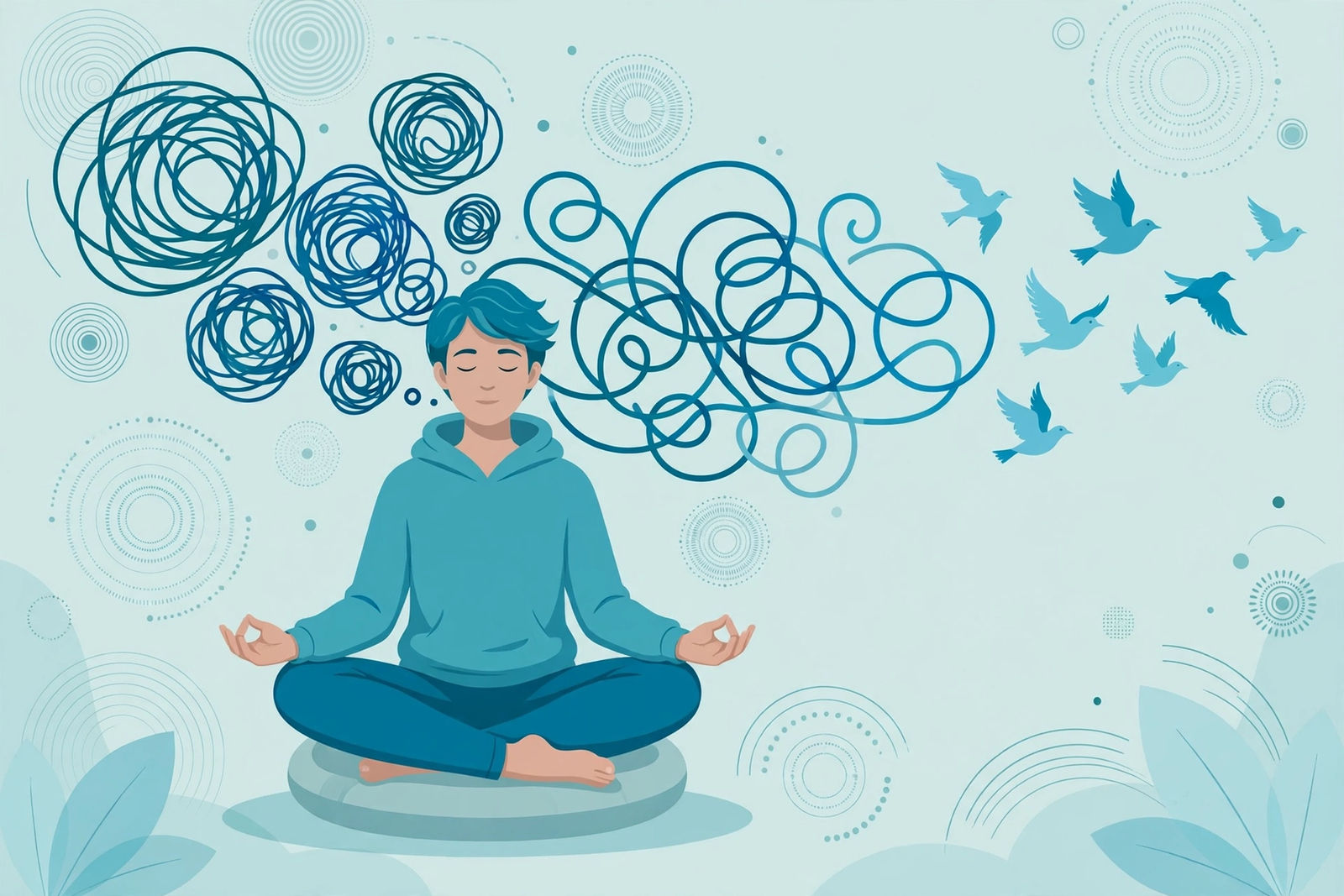
Mindfulness and meditation are powerful coping tools for managing the anxiety and obsessive thoughts that often accompany BDD. These practices help individuals focus on the present moment and develop a more balanced, less critical view of their appearance.
Benefits of Mindfulness for BDD:
- Decreasing anxiety: Mindfulness helps individuals stay grounded and manage anxiety by focusing on the present moment rather than getting caught up in obsessive thoughts about appearance.
- Improving emotional regulation: Mindfulness helps individuals observe their thoughts and emotions without judgment, reducing the emotional distress associated with BDD.
- Reducing rumination: By practicing mindfulness, individuals can learn to interrupt the cycle of rumination (repetitive, negative thinking), allowing them to move away from obsessive thoughts about their appearance.
How to Practice Mindfulness:
- Mindful breathing: Take a few moments each day to focus on your breath. Inhale deeply, hold for a few seconds, and exhale slowly. This can help calm the mind and reduce anxiety.
- Body scan meditation: Focus on each part of your body, noticing any sensations or tension. This can help you connect with your body in a non-judgmental way and develop a more balanced view of your appearance.
- Grounding exercises: When negative thoughts about appearance arise, ground yourself in the present moment by engaging your senses—notice the sights, sounds, and textures around you.
3. Building a Positive Body Image
One of the key strategies for coping with Body Dysmorphic Disorder is working toward a more positive body image. This involves shifting the focus away from appearance and recognizing the value of who you are beyond your physical features.
How to Build a Positive Body Image:
- Focus on strengths: Shift your attention away from perceived flaws and instead focus on your strengths—whether it’s your talents, skills, kindness, or intelligence. Remind yourself that your worth is not defined by your appearance.
- Practice gratitude: Take time each day to express gratitude for your body and all that it allows you to do. This practice can help you appreciate your body for its functionality rather than focusing on its perceived imperfections.
- Avoid social comparison: Social media and societal standards of beauty can exacerbate feelings of inadequacy. Limit exposure to platforms that make you feel worse about your appearance and focus on uplifting content that promotes self-acceptance.
- Challenge beauty standards: Understand that societal ideals of beauty are often unrealistic and unattainable. Embrace the idea that beauty comes in many forms, and self-worth is not dependent on meeting a particular standard.
4. Support Groups and Peer Support: Finding Understanding and Encouragement
Joining a support group or connecting with others who understand the struggles of Body Dysmorphic Disorder can provide valuable emotional support. Peer support allows individuals to share experiences, receive encouragement, and feel less isolated in their journey toward recovery.
Benefits of Support Groups for BDD:
- Emotional validation: Talking with others who have similar experiences can help you feel understood and validated, reducing feelings of isolation.
- Sharing coping strategies: Support groups offer the opportunity to learn from others about what coping strategies have worked for them and gain practical tips for managing BDD.
- Building a sense of community: Connecting with others who are working toward the same goal can foster a sense of belonging and reduce the stigma often associated with BDD.
5. Healthy Lifestyle Choices: Supporting Mental and Physical Health
Incorporating healthy habits into your daily routine can support both your mental and physical well-being, which is essential when coping with Body Dysmorphic Disorder. Below are a few lifestyle changes that can improve your quality of life and reduce the impact of BDD:
Key Healthy Habits:
- Exercise regularly: Physical activity not only improves physical health but also boosts mood and reduces stress. Exercise releases endorphins, the body’s natural mood enhancers, which can help alleviate feelings of anxiety or depression.
- Eat a balanced diet: A well-balanced diet provides essential nutrients for brain health and emotional well-being. Avoid crash diets or unhealthy eating patterns that may contribute to negative body image.
- Get enough sleep: Sleep is crucial for emotional regulation and mental health. Establish a consistent sleep routine to help your body and mind rest and recharge.
- Limit substance use: Avoiding excessive alcohol, drugs, or other substances can prevent mood swings and promote mental clarity. These substances can exacerbate symptoms of anxiety, depression, and obsessional thoughts.
6. Seeking Professional Help: When to Reach Out
While coping strategies are valuable, seeking professional help is crucial for managing Body Dysmorphic Disorder. A mental health professional can provide specialized support and treatment to address the underlying psychological factors contributing to BDD.
How a Professional Can Help:
- Therapy: A therapist can guide you through Cognitive Behavioral Therapy (CBT) to help you manage negative thought patterns, build a positive body image, and cope with the emotional distress of BDD.
- Medication: In some cases, medication such as antidepressants or anti-anxiety medications may be prescribed to help manage symptoms and reduce obsessive thoughts.
- Ongoing support: Regular therapy sessions can provide continuous support, helping you stay on track with treatment and maintain progress in managing BDD.
Frequently Asked Questions
How can I stop obsessing over my appearance with BDD?
Cognitive Behavioral Therapy (CBT) is an effective treatment for addressing obsessive thoughts about appearance. By challenging distorted thinking and focusing on positive aspects of yourself, you can reduce preoccupation with physical flaws.
Can self-care practices really help with Body Dysmorphic Disorder?
Yes, self-care practices such as mindfulness, exercise, and building a positive body image are important tools for managing the emotional distress caused by BDD. While professional treatment is crucial, self-care can significantly enhance emotional well-being and support recovery.
What should I do if I feel isolated due to Body Dysmorphic Disorder?
Join a support group for individuals with BDD to connect with others who understand your experience. Additionally, talking openly with trusted friends or family members can help reduce feelings of isolation and foster emotional support.
Key Takeaways
Coping with Body Dysmorphic Disorder involves developing healthy thought patterns, practicing self-compassion, and adopting coping strategies such as mindfulness, CBT, and building a positive body image. Support groups, professional help, and healthy lifestyle choices also play a critical role in managing the emotional distress associated with BDD. With the right approach, individuals with BDD can improve their quality of life and reduce the impact of obsessive thoughts.
