



Key Points
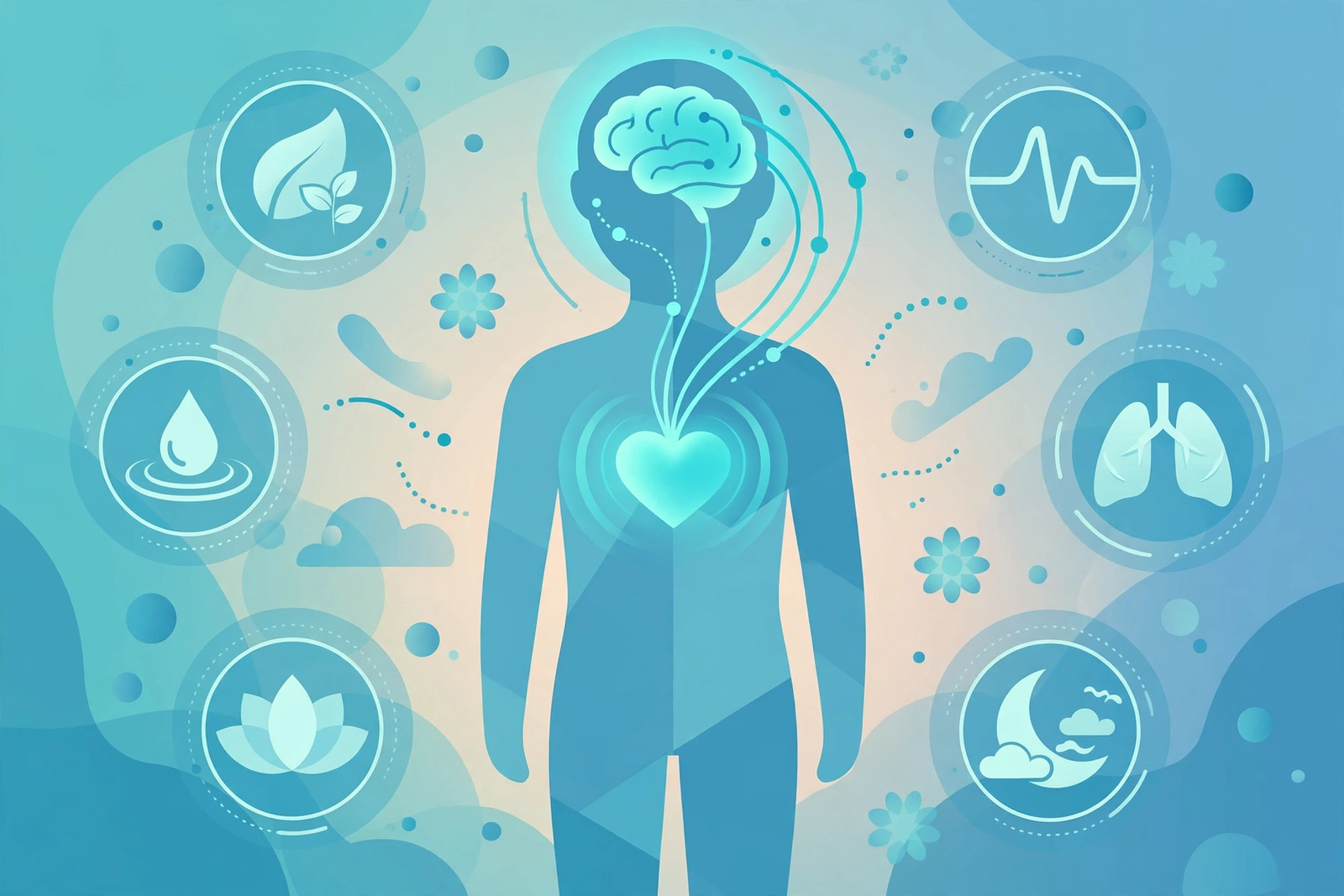
- Depression is not just a mental health condition; it can also have a profound effect on physical health.
- People with depression are at increased risk for several physical health conditions, including heart disease, obesity, and chronic pain.
- Depression can weaken the immune system, making individuals more susceptible to illness and infections.
- Addressing both mental and physical health is crucial for comprehensive care and improving overall well-being.
How Depression Affects Physical Health
Depression is often thought of as a purely emotional or psychological condition, but its impact extends far beyond the mind. The effects of depression on physical health are significant and can contribute to the development or exacerbation of various chronic health conditions. People with depression may experience a weakened immune system, increased risk for heart disease, weight changes, and a variety of other physical symptoms.
In this article, we will explore how depression affects physical health, the connections between mental and physical well-being, and the importance of addressing both when managing depression.
The Physical Effects of Depression
1. Impact on the Immune System
Depression has been shown to weaken the immune system, which can make it more difficult for the body to fight off infections and illnesses. Chronic stress and negative emotions associated with depression can lead to an increase in cortisol, the body’s stress hormone. Elevated cortisol levels for extended periods can suppress the immune system, making the body more vulnerable to infections and diseases.
How Depression Weakens the Immune System:
- Increased cortisol production: Chronic depression can lead to elevated cortisol levels, which, over time, can suppress the production of white blood cells and interfere with the body’s ability to respond to infections.
- Inflammation: Depression is often linked to increased inflammation in the body, which can contribute to a range of physical health problems, including cardiovascular disease and autoimmune disorders.
2. Cardiovascular Health
Depression has a well-established connection to heart health. People with depression are at increased risk for heart disease, including conditions such as coronary artery disease, heart attacks, and stroke. Depression can have both direct and indirect effects on cardiovascular health, contributing to unhealthy behaviors and physiological changes that increase the risk of heart disease.
How Depression Affects Heart Health:
- Increased stress: Chronic stress associated with depression can lead to high blood pressure, increased heart rate, and elevated cholesterol levels, all of which increase the risk of cardiovascular disease.
- Unhealthy behaviors: Depression can lead to behaviors such as poor diet, smoking, lack of physical activity, and excessive alcohol consumption, which are all risk factors for heart disease.
- Inflammation and clotting: Depression can increase inflammation in the body, which contributes to plaque buildup in the arteries and increases the risk of blood clots, leading to heart attacks and strokes.
3. Weight and Appetite Changes
Depression can cause significant changes in appetite, leading to weight gain or weight loss. These changes are often linked to altered brain chemistry, as well as emotional and behavioral responses to the condition.
How Depression Affects Weight:
- Weight gain: Some individuals with depression may turn to food as a coping mechanism, leading to overeating and weight gain. Additionally, medications used to treat depression, such as certain antidepressants, can lead to increased appetite and weight gain.
- Weight loss: On the other hand, some people with depression may lose interest in eating, leading to reduced appetite and unintended weight loss. This can contribute to malnutrition and further weaken the body.
4. Chronic Pain and Fatigue
Chronic pain is a common physical symptom of depression. Many individuals with depression report experiencing unexplained aches, pains, and muscle tension, which can make daily activities even more challenging. Depression can also lead to chronic fatigue, making it difficult for individuals to get through the day.
How Depression Contributes to Chronic Pain and Fatigue:
- Muscle tension: Depression often leads to increased muscle tension, which can contribute to headaches, back pain, and other physical discomforts.
- Fatigue: One of the hallmark symptoms of depression is constant tiredness, even after adequate rest. This fatigue can interfere with a person’s ability to perform everyday tasks, work, or engage in physical activity.
- Fibromyalgia and other chronic pain conditions: People with depression are at increased risk for conditions such as fibromyalgia, which causes widespread muscle pain and tenderness. Depression may also exacerbate the symptoms of chronic pain disorders.
5. Sleep Disturbances
Sleep problems are common in individuals with depression. These can range from insomnia (difficulty falling or staying asleep) to hypersomnia (excessive sleeping). Poor sleep can exacerbate symptoms of depression, creating a cycle of emotional and physical distress.
How Depression Affects Sleep:
- Insomnia: Depression can make it difficult for individuals to fall asleep or stay asleep, leading to chronic sleep deprivation. Sleep deprivation can worsen mood, increase irritability, and impair cognitive function.
- Excessive sleep: Some individuals with depression may experience hypersomnia, or the need to sleep excessively, which can lead to feelings of lethargy and reduce motivation for daily activities.
6. Gastrointestinal Issues
Depression can affect the gastrointestinal (GI) system, leading to problems such as nausea, constipation, diarrhea, and loss of appetite. These symptoms can further contribute to discomfort and worsen overall health.
How Depression Affects the GI System:
- Nausea and loss of appetite: Depression can cause a decrease in appetite, leading to reduced food intake and potential malnutrition. It can also cause nausea, making it difficult for individuals to maintain a regular diet.
- Irritable bowel syndrome (IBS): Many individuals with depression experience IBS, a condition that causes abdominal pain, bloating, and changes in bowel movements. The gut-brain connection plays a significant role in this relationship, as stress and depression can affect the digestive system.
The Importance of Addressing Both Mental and Physical Health
Because depression has such a profound impact on physical health, it is crucial to address both mental and physical aspects of well-being when treating the condition. Focusing solely on mental health may not be enough to improve overall health, especially if physical health issues are left untreated. A comprehensive approach to treatment that includes both mental health and physical health is essential for improving quality of life.
Treatment for Depression and Physical Health:
- Psychotherapy and counseling: Therapy can help individuals with depression address emotional issues that may be contributing to physical health problems. Cognitive Behavioral Therapy (CBT) and other therapeutic approaches can also help individuals manage stress and reduce the impact of depression on physical health.
- Medication: Antidepressants and other medications may help regulate brain chemicals and improve mood, which in turn can improve physical symptoms such as fatigue, pain, and appetite changes.
- Exercise and physical activity: Regular physical activity has been shown to improve both mental and physical health. Exercise can boost mood, reduce stress, and improve heart health, while also helping to alleviate physical symptoms of depression.
- Healthy diet: A balanced, nutritious diet can support brain and body health. Omega-3 fatty acids, vitamins, and antioxidants are particularly beneficial for improving mood and supporting overall health.
Red Flags to Watch For
It’s important to monitor for signs that depression is negatively affecting physical health, including:
- Chronic pain: Persistent aches, pains, or muscle tension that do not respond to typical treatments.
- Severe weight changes: Unexplained weight loss or weight gain that may be linked to changes in appetite.
- Sleep disturbances: Ongoing issues with sleep, such as insomnia or excessive sleep, that interfere with daily functioning.
- Physical exhaustion: Severe fatigue that doesn’t improve with rest and affects daily activities.
- Increased health problems: Worsening of chronic health conditions or new physical ailments that may be related to depression.
Frequently Asked Questions
How can I manage both depression and physical health issues?
It’s important to address both aspects through a combination of mental health treatment, medication, exercise, and healthy lifestyle changes. Working with both healthcare providers and mental health professionals can help create a comprehensive care plan.
Can depression lead to long-term physical health problems?
Yes, depression can contribute to long-term physical health problems, including cardiovascular disease, chronic pain, and gastrointestinal issues. Addressing depression early can help prevent these complications.
How can exercise help with both depression and physical health?
Exercise is a powerful tool for improving both mental and physical health. It helps release endorphins, which boost mood, reduces stress, and improves overall physical health by strengthening the heart, improving circulation, and enhancing energy levels.
Key Takeaways
Depression has a significant impact on physical health, affecting everything from the immune system and cardiovascular health to weight, sleep, and chronic pain. Understanding the connection between mental and physical health is crucial for comprehensive care and improving overall well-being. By addressing both aspects through therapy, medication, exercise, and lifestyle changes, individuals can manage depression and improve their physical health.
If you or a loved one is experiencing depression, it’s important to seek help from both mental health and medical professionals to ensure that all aspects of health are addressed.
