



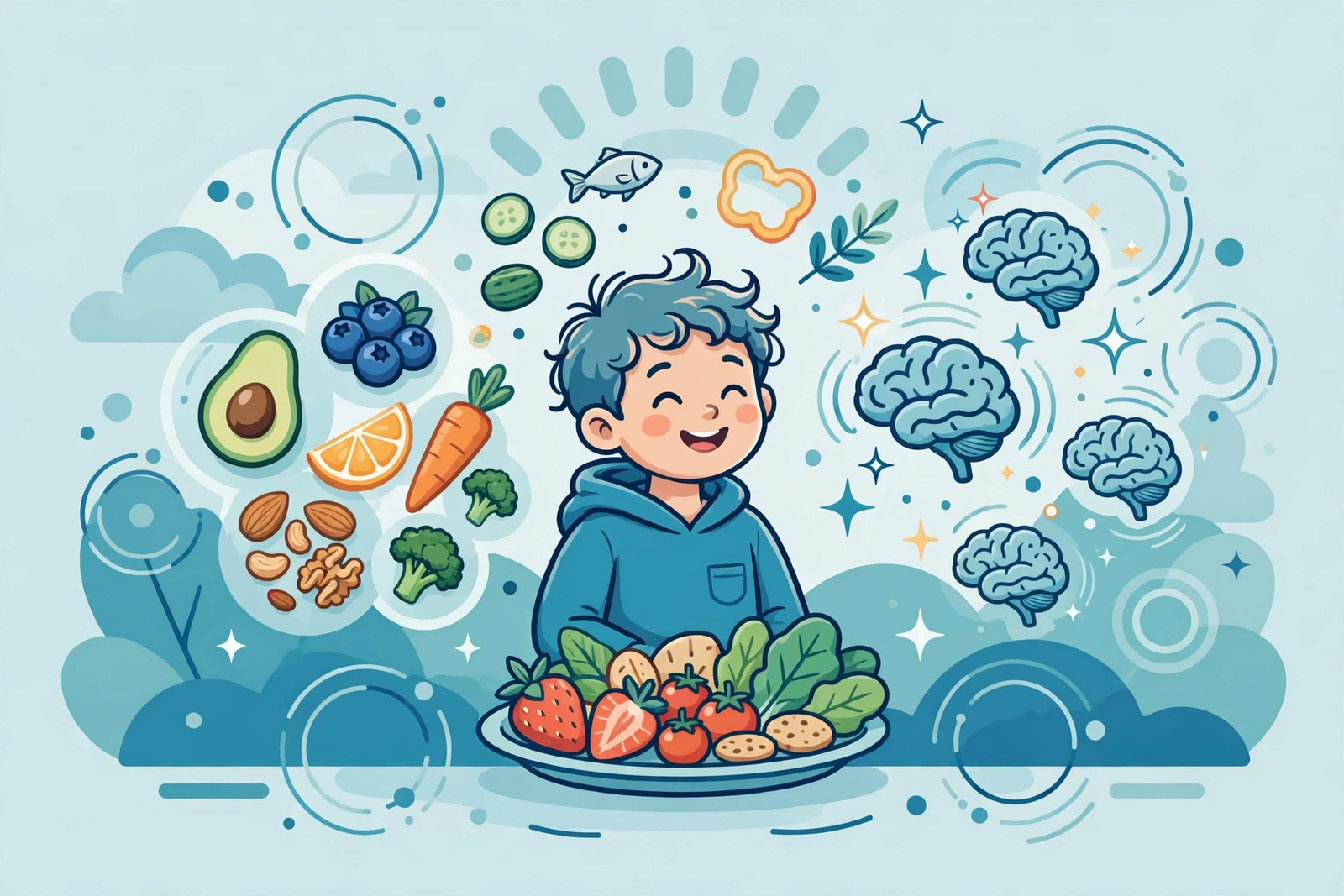
Key Points
- Diet plays a crucial role in managing ADHD symptoms in children.
- Certain foods and nutrients can support brain health and improve focus and behavior.
- A balanced diet rich in omega-3s, protein, and whole grains can help regulate ADHD symptoms.
- Limiting processed foods, sugar, and food additives can reduce hyperactivity and impulsivity.
- Nutritional supplements may also be beneficial for children with ADHD under professional guidance.
If you’re parenting a child with ADHD, you’ve probably wondered whether food really makes a difference. The truth is, diet and nutrition for ADHD in children matter more than many realize — research shows that certain dietary choices can help improve focus, regulate behavior, and ease the daily challenges of ADHD. There’s no one-size-fits-all solution, but a well-balanced diet rich in essential nutrients can support your child’s brain function and overall health, leading to better outcomes. You’re doing a wonderful thing by seeking answers.
In this article, we’ll explore the connection between diet and ADHD symptoms — the best foods to support children with ADHD, and practical dietary strategies you can weave into your child’s daily routine.
The Impact of Diet on ADHD Symptoms
Food is more than just fuel—it plays a vital role in how our brains function. The brain requires specific nutrients to maintain focus, regulate emotions, and process information effectively. Children with ADHD often experience difficulties with concentration, emotional control, and impulsivity, which can be influenced by their diet.
Here are some of the ways diet can impact ADHD symptoms:
- Nutrient Deficiencies:
Children with ADHD are more likely to have deficiencies in certain nutrients that are essential for brain health. Deficiencies in omega-3 fatty acids, zinc, magnesium, and iron have been linked to an increased risk of ADHD symptoms. These nutrients are involved in brain function, mood regulation, and impulse control, so it’s essential to ensure that children with ADHD are getting enough of them through their diet or supplements. - Blood Sugar Regulation:
Fluctuations in blood sugar levels can affect behavior and focus. High-sugar diets and processed foods can lead to rapid spikes and crashes in blood sugar, which may contribute to hyperactivity, impulsivity, and mood swings. A diet that stabilizes blood sugar levels can help reduce these symptoms and improve attention. - Food Sensitivities and Additives:
Certain foods, such as those containing artificial colors, preservatives, and food additives, may exacerbate ADHD symptoms in some children. Studies have suggested that food sensitivities or allergic reactions to specific ingredients, such as gluten or dairy, can lead to behavioral changes and difficulty with focus. Reducing these foods may help some children experience improvements in their symptoms.
Foods That Support Brain Health and Manage ADHD Symptoms
A diet that supports brain function and overall health can help manage ADHD symptoms. Here are some of the best foods to include in your child’s diet to improve focus, mood, and behavior:
- Omega-3 Fatty Acids:
Omega-3 fatty acids are essential for brain health and cognitive function. Studies have shown that children with ADHD often have lower levels of omega-3s, which are important for memory, attention, and emotional regulation. Foods rich in omega-3s include fatty fish (salmon, mackerel, sardines), flaxseeds, chia seeds, walnuts, and algae-based supplements. - Protein:
Protein helps stabilize blood sugar levels and supports brain function. A diet that includes lean protein sources can help improve focus and behavior. Good sources of protein include lean meats, poultry, fish, eggs, beans, lentils, tofu, and dairy products. Including protein in every meal can also help prevent blood sugar spikes and crashes that may trigger hyperactivity. - Whole Grains:
Whole grains, such as brown rice, oats, quinoa, and whole wheat bread, provide a steady source of energy for the brain. These complex carbohydrates release glucose slowly, helping to stabilize blood sugar levels and improve concentration and focus. Avoiding refined grains, like white bread and sugary cereals, can help prevent blood sugar imbalances and related behavioral issues. - Fruits and Vegetables:
Fruits and vegetables are rich in vitamins, minerals, and antioxidants that support overall health and brain function. Foods such as leafy greens, berries, carrots, and apples provide essential nutrients, including vitamins A, C, and E, that help protect brain cells from damage and support cognitive function. Aim for a colorful variety of fruits and vegetables to ensure a wide range of nutrients. - Magnesium and Zinc:
Magnesium and zinc are important for regulating neurotransmitters in the brain. Low levels of magnesium have been linked to irritability, hyperactivity, and sleep disturbances, which are common symptoms of ADHD. Zinc plays a role in dopamine regulation, a neurotransmitter involved in attention and focus. Good sources of magnesium include leafy greens, nuts, seeds, and legumes, while zinc can be found in meat, shellfish, beans, and whole grains. - Iron:
Iron is crucial for brain function and cognitive development. Low iron levels have been associated with poor attention and concentration. Include iron-rich foods such as lean red meat, poultry, beans, spinach, and fortified cereals to ensure adequate intake. Pairing iron-rich foods with vitamin C (found in citrus fruits, tomatoes, and bell peppers) can enhance absorption.
Foods to Avoid for Managing ADHD Symptoms
While certain foods can help improve ADHD symptoms, others can exacerbate them. Here are some foods to limit or avoid in your child’s diet:
- Processed Foods and Artificial Additives:
Processed foods often contain artificial colors, flavors, and preservatives, which have been linked to increased hyperactivity and behavioral issues in some children with ADHD. Reducing processed foods, such as packaged snacks, sugary drinks, and fast food, can help minimize these effects. - Sugar and High Glycemic Index Foods:
High-sugar foods and foods with a high glycemic index (like sugary snacks, soda, and refined carbohydrates) can cause rapid spikes and crashes in blood sugar, leading to irritability, mood swings, and difficulty concentrating. Focus on providing whole, unprocessed foods that release energy slowly. - Caffeine and Energy Drinks:
While caffeine is a stimulant that can temporarily improve focus, it can also increase anxiety, restlessness, and sleep disturbances in children with ADHD. Avoiding caffeine and energy drinks, especially in the afternoon or evening, can help improve sleep and reduce hyperactivity. - Food Sensitivities and Allergens:
Some children with ADHD may have sensitivities or allergies to specific foods, such as gluten, dairy, or soy. If you suspect that your child’s ADHD symptoms are related to food sensitivities, consult with a healthcare provider to explore elimination diets or food sensitivity testing.
Supplements That May Help Manage ADHD Symptoms
In addition to a balanced diet, some supplements may help manage ADHD symptoms. Always consult with a healthcare provider before introducing new supplements, but here are a few that may be beneficial:
- Omega-3 Fatty Acids:
If your child’s diet is lacking in omega-3s, consider an omega-3 supplement, such as fish oil or algae-based supplements. These can help improve focus, mood, and emotional regulation. - Multivitamins:
A high-quality multivitamin can help fill any nutritional gaps in your child’s diet, ensuring they receive the essential vitamins and minerals necessary for brain health. - Magnesium:
Magnesium supplements may help reduce irritability and hyperactivity in children with ADHD. Magnesium is also beneficial for promoting relaxation and better sleep. - Zinc and Iron:
If your child is deficient in zinc or iron, supplements can help improve attention, concentration, and mood. Again, consult with a healthcare provider before giving supplements to ensure proper dosage.
Red Flags to Watch For
If your child continues to experience significant ADHD symptoms despite dietary changes, it may be time to consult with a healthcare professional. Look for signs such as:
- Persistent hyperactivity or inattention, despite dietary interventions
- Difficulty with emotional regulation or impulsive behavior
- Academic struggles or behavioral issues at school
- Lack of improvement in overall well-being or social interactions
These may indicate that additional support or evaluation is needed to address underlying issues.
Frequently Asked Questions
Can diet alone treat ADHD in children?
While diet can play a significant role in managing ADHD symptoms, it is typically most effective when combined with other treatments, such as behavioral therapy and medication.
What is the best diet for a child with ADHD?
A balanced diet rich in omega-3 fatty acids, protein, whole grains, fruits, and vegetables is beneficial for children with ADHD. Avoiding processed foods, sugar, and food additives can also help manage symptoms.
Should I give my child supplements for ADHD?
Supplements like omega-3s, magnesium, zinc, and iron may help manage ADHD symptoms. However, always consult with a healthcare provider before introducing any supplements to ensure they are appropriate for your child.
How long does it take for dietary changes to affect ADHD symptoms?
Dietary changes can take several weeks to show noticeable effects. Consistency is key, and combining dietary changes with other strategies, such as behavioral therapy, can help improve results.
Key Takeaways
Diet and nutrition play an essential role in managing ADHD symptoms in children. A well-balanced diet rich in omega-3 fatty acids, protein, and vitamins can support brain health and improve focus and behavior — especially when combined with therapy and behavioral strategies. A gentle note: this article is for educational purposes only and isn’t medical advice — please consult your child’s pediatrician or a registered dietitian before making significant dietary changes.
Contact me today for personalized dietary strategies to support your child with ADHD.
