



Key Points
- Delayed Sleep Phase Syndrome (DSPS) can lead to significant psychological challenges, including mood disturbances, anxiety, and depression.
- Sleep disruption caused by DSPS can exacerbate emotional distress and impair cognitive function.
- Managing DSPS requires not only addressing the sleep disorder itself but also the psychological impact it has on mental health.
- Cognitive Behavioral Therapy (CBT) and relaxation techniques are effective treatments for managing the psychological effects of DSPS.
- Early intervention and a holistic treatment approach are essential for improving mental well-being in individuals with DSPS.
The Psychological Impact of Delayed Sleep Phase Syndrome
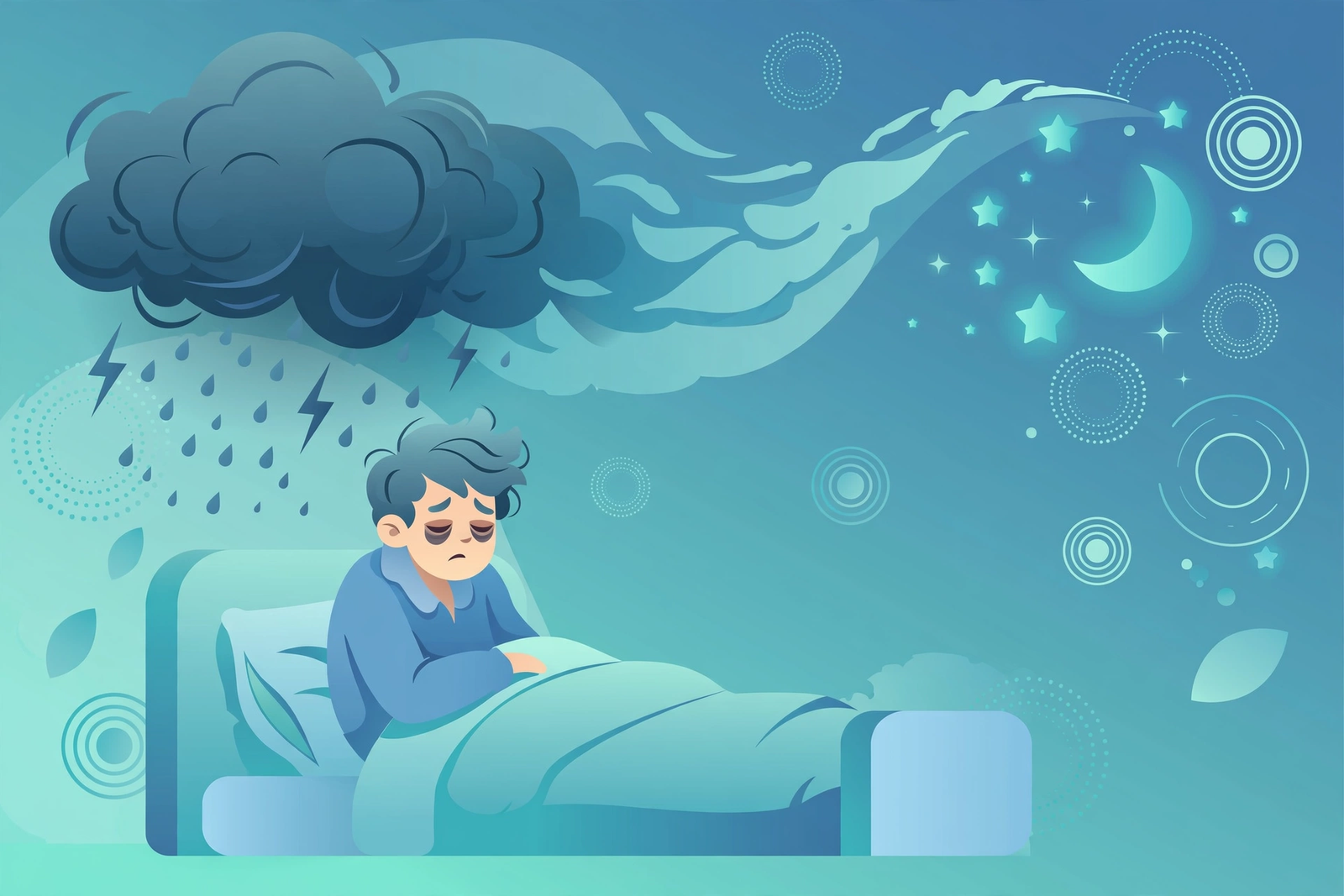
Delayed Sleep Phase Syndrome (DSPS) is primarily a sleep disorder, but its impact goes beyond just sleep disruption. The misalignment of the body’s internal clock with external societal demands can have profound psychological effects. People with DSPS often experience mood disturbances, increased anxiety, and even depression as a result of chronic sleep deprivation.
In this article, we will explore how DSPS affects mental health, the psychological challenges individuals face, and the effective treatment options for managing the emotional toll of the condition.
Common Psychological Effects of DSPS
Chronic sleep disruption caused by DSPS can significantly impact mental health. Here are some of the common psychological effects associated with the disorder:
1. Mood Disturbances:
- Irritability: Sleep deprivation can make individuals more prone to irritability and frustration. The inability to get sufficient rest can lead to mood swings, making it difficult to manage daily stressors.
- Sadness and low mood: Persistent sleep disruption may result in feelings of sadness, hopelessness, and emotional exhaustion. Individuals may feel demotivated or overwhelmed by the challenges of managing their sleep cycle.
2. Anxiety and Stress:
- Sleep-related anxiety: The constant struggle to fall asleep at the right time can lead to anxiety surrounding sleep. Individuals may worry about their ability to rest or stress about the impact of their sleep disorder on work, school, or social commitments.
- Increased stress levels: The inability to maintain a regular schedule can lead to heightened stress, as individuals may feel they are falling behind in daily responsibilities and unable to meet societal expectations.
3. Depression:
- Long-term sleep deprivation and depression: Chronic sleep deprivation caused by DSPS is strongly linked to the development of depression. The combination of poor sleep quality and persistent fatigue can contribute to feelings of isolation, worthlessness, and a lack of motivation.
- Negative thought patterns: Depression often coexists with DSPS, as the ongoing frustration of dealing with a sleep disorder can reinforce negative thoughts and feelings.
4. Cognitive Impairment:
- Memory and concentration issues: Sleep deprivation can impair cognitive function, making it difficult to concentrate, remember important details, and complete tasks efficiently. This can affect work, academic performance, and social interactions.
- Reduced decision-making ability: Lack of sleep impairs the brain’s ability to make sound decisions and solve problems. Individuals with DSPS may struggle with making choices, especially under stress.
Addressing the Psychological Impact of DSPS
While treating DSPS primarily focuses on sleep-related interventions, it is equally important to address the psychological effects the disorder has on mental health. Here are several strategies to manage the emotional and psychological impact of DSPS:
1. Cognitive Behavioral Therapy (CBT):
- Cognitive restructuring: Cognitive Behavioral Therapy (CBT) helps individuals with DSPS identify and change negative thought patterns that contribute to anxiety and stress. CBT focuses on helping individuals recognize and challenge irrational thoughts related to sleep and other areas of life.
- Relaxation training: CBT also includes techniques to reduce stress and promote relaxation, such as progressive muscle relaxation, mindfulness meditation, and deep breathing exercises. These practices can help individuals with DSPS calm their minds and reduce the anxiety associated with sleep.
2. Stress Management Techniques:
- Mindfulness and meditation: Mindfulness practices encourage individuals to stay present in the moment and cultivate a non-judgmental attitude toward their thoughts and feelings. Meditation can help reduce the psychological burden of DSPS and improve emotional well-being.
- Yoga and physical activity: Regular physical activity, including yoga, can help reduce stress, improve mood, and promote better sleep. Exercise stimulates the release of endorphins, which improve mood and reduce feelings of anxiety and depression.
3. Sleep Hygiene and Routine Adjustments:
- Consistency in sleep schedule: Establishing a consistent sleep-wake routine is key to improving both sleep quality and mental health. Going to bed and waking up at the same time every day, even on weekends, helps regulate the body’s circadian rhythm and reduces sleep-related stress.
- Relaxing pre-bedtime routine: Engaging in calming activities before bed, such as reading, taking a warm bath, or practicing meditation, can help individuals with DSPS wind down and reduce anxiety surrounding sleep.
4. Medication and Professional Support:
- Antidepressants and anti-anxiety medications: In some cases, individuals with DSPS may benefit from medications to manage the psychological effects of the disorder. Antidepressants or anti-anxiety medications may be prescribed to help alleviate symptoms of depression or anxiety.
- Sleep aids: While medication should not be the first line of treatment, sleep aids may be used temporarily to help individuals with DSPS establish a more regular sleep schedule. These medications should be used under the supervision of a healthcare provider.
Coping with the Social and Occupational Impact of DSPS
The social and occupational challenges of DSPS can contribute to the psychological burden of the disorder. The inability to maintain a regular schedule may affect relationships, work, and school. However, there are ways to cope with these challenges:
1. Communicate with Employers and Educators:
- Explain the condition: It can be helpful to communicate with employers or professors about the sleep disorder and its impact on performance. This transparency can lead to better understanding and accommodations, such as flexible work hours or extended deadlines.
- Request adjustments: In some cases, requesting adjusted work or class hours can help individuals with DSPS manage their schedule more effectively while still meeting their responsibilities.
2. Build a Support System:
- Support from friends and family: Engaging with a supportive network of family and friends can help reduce feelings of isolation. Sharing the challenges of DSPS with trusted individuals can provide emotional relief and practical help in managing daily activities.
- Join support groups: Support groups for individuals with sleep disorders can provide a sense of community and help individuals with DSPS connect with others who understand their experiences.
Red Flags to Watch For
If left untreated, the psychological effects of DSPS can worsen and lead to more serious mental health issues. Watch for the following red flags:
- Worsening depression: If feelings of sadness or hopelessness persist or worsen, it may indicate the need for more intensive treatment.
- Increasing anxiety: Constant worry about sleep and the impact of DSPS on daily life may lead to heightened anxiety.
- Social withdrawal: A growing reluctance to engage in social activities or work due to sleep issues or mood disturbances is a sign that intervention is needed.
If you notice these signs, it is important to seek professional help to address the emotional and psychological impact of DSPS.
Frequently Asked Questions
Can DSPS cause mental health problems?
Yes, DSPS is strongly linked to mood disturbances, anxiety, and depression due to chronic sleep deprivation and the challenges of maintaining a regular schedule. Managing DSPS can help reduce these psychological symptoms.
How can I improve my mood if I have DSPS?
Engaging in relaxation techniques, seeking therapy, and practicing good sleep hygiene can help improve mood. Consistent sleep schedule adjustments, light therapy, and CBT are also effective for managing emotional well-being.
Should I seek professional help if I have DSPS?
Yes, seeking professional help is important, especially if DSPS is affecting your mental health or daily functioning. A healthcare provider can offer personalized treatment options, including therapy, medication, and lifestyle adjustments.
Key Takeaways
Delayed Sleep Phase Syndrome (DSPS) can have significant psychological effects, including mood disturbances, anxiety, and depression. Addressing these psychological impacts is essential for effective treatment of DSPS. Cognitive Behavioral Therapy (CBT), stress management techniques, and lifestyle changes can help improve emotional well-being. Early intervention and a holistic treatment approach are crucial for managing DSPS and improving overall quality of life.
If you’re experiencing the psychological effects of DSPS, seek professional support to develop a treatment plan that addresses both sleep-related and emotional challenges.
