



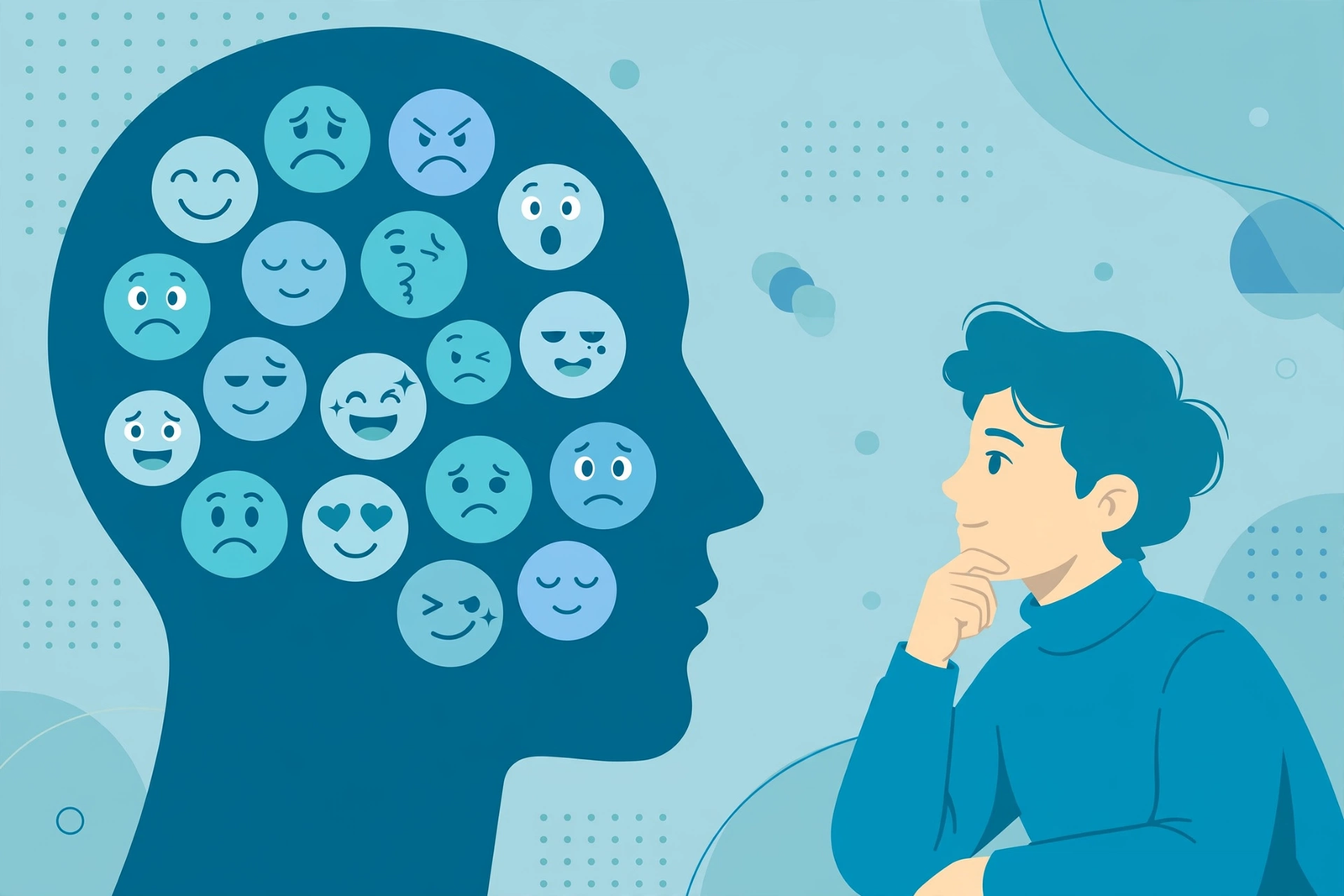
Key Points
- Emotional intelligence (EI) is the ability to recognize, understand, and manage emotions, which plays a crucial role in coping with adjustment disorder.
- Developing EI helps individuals manage stress, enhance resilience, and regulate emotions during significant life changes.
- Strategies to improve emotional intelligence include self-awareness, self-regulation, empathy, and building social skills.
- Early intervention and practicing EI can reduce the impact of adjustment disorder and lead to improved emotional health and well-being.
Adjustment disorder often arises when life changes — a move, a loss, a career shift — leave you struggling to cope. The emotional distress can cloud your ability to manage feelings, making stress even harder to bear. In these tender times, emotional intelligence and adjustment disorder recovery go hand in hand: EI gives you the tools to recognize, understand, and gently manage your emotions, paving the way for healing.
Emotional intelligence is the ability to identify and manage one’s own emotions, as well as recognize and influence the emotions of others. Developing EI can help individuals regulate their emotional responses, reduce stress, and build resilience during times of emotional upheaval, such as during adjustment disorder.
In this article, we will explore how emotional intelligence can support recovery from adjustment disorder, the components of EI, and strategies for developing emotional intelligence to navigate stress with greater awareness.
What is Emotional Intelligence (EI)?
Emotional intelligence (EI) refers to the ability to recognize, understand, and manage emotions—both one’s own and those of others. It involves a set of skills that allow individuals to navigate their emotional experiences, make thoughtful decisions, and build meaningful relationships. EI is often broken down into five key components:
- Self-awareness: The ability to recognize and understand one’s own emotions, as well as their impact on thoughts and behavior.
- Self-regulation: The ability to manage and control emotional reactions, especially in stressful situations.
- Motivation: The drive to pursue goals with energy and persistence, even in the face of challenges.
- Empathy: The ability to understand and share the feelings of others, which strengthens relationships and social bonds.
- Social skills: The ability to manage relationships, communicate effectively, and resolve conflicts constructively.
Emotional intelligence plays a vital role in coping with adjustment disorder, as it helps individuals navigate the emotional turmoil that comes with life changes. By developing emotional intelligence, individuals can gain better control over their emotions, manage stress more effectively, and improve their ability to adapt to new circumstances.
Emotional Intelligence and Adjustment Disorder: How EI Supports Recovery
When faced with adjustment disorder, individuals often experience emotional distress, such as anxiety, sadness, or frustration. These emotions can cloud judgment, impair decision-making, and make it difficult to cope with stress. Emotional intelligence helps individuals recognize and regulate their emotional responses, improving their ability to manage stress and adapt to change.
1. Self-Awareness and Recognizing Emotional Distress
Self-awareness is the foundation of emotional intelligence and is essential for managing adjustment disorder. By developing the ability to recognize and understand one’s own emotions, individuals can gain insight into how their feelings are affecting their behavior and decision-making.
- Recognizing emotions: Self-awareness helps individuals identify when they are experiencing emotional distress, such as anxiety or sadness, and understand how those emotions may be influencing their thoughts and actions.
- Understanding triggers: By becoming more aware of emotional triggers, individuals can learn to manage their responses and reduce the impact of stressors.
- Improving emotional clarity: Self-awareness allows individuals to differentiate between different emotions (e.g., frustration vs. anger), which helps them respond more thoughtfully to challenging situations.
2. Self-Regulation and Managing Emotional Responses
Self-regulation, the ability to control and manage emotional reactions, is a critical aspect of emotional intelligence when coping with adjustment disorder. When individuals experience emotional distress, they may be tempted to react impulsively, either by withdrawing from social situations or expressing anger. Self-regulation helps individuals respond to stress in a balanced and thoughtful way, rather than reacting impulsively.
- Calming emotional reactions: Self-regulation techniques, such as deep breathing or mindfulness, help individuals calm themselves during emotional upheaval, reducing the intensity of their emotional responses.
- Choosing thoughtful responses: EI helps individuals pause and reflect before reacting, allowing them to choose responses that align with their values and long-term goals, rather than reacting out of anger or frustration.
- Resilience in the face of challenges: Self-regulation enables individuals to stay grounded and focused, even when life changes are difficult. This emotional control enhances resilience and helps individuals adapt more effectively to stress.
3. Motivation and Maintaining a Positive Outlook
Motivation, one of the components of emotional intelligence, plays a key role in managing adjustment disorder. During times of change, it’s easy to feel demotivated, overwhelmed, or stuck. Developing emotional intelligence can help individuals maintain a sense of purpose and motivation, even in the face of challenges.
- Maintaining a growth mindset: Emotional intelligence encourages individuals to focus on personal growth and view challenges as opportunities for development. This mindset can help individuals stay motivated, even when faced with setbacks.
- Setting realistic goals: Individuals with high emotional intelligence are able to set achievable goals and remain persistent in working toward them, which promotes emotional recovery and resilience.
- Reigniting passion and energy: EI helps individuals rediscover their passions and motivation, even after facing emotional distress. By focusing on their values and long-term goals, individuals can overcome the inertia caused by adjustment disorder and take positive action.
4. Empathy and Building Supportive Relationships
Empathy, the ability to understand and share the feelings of others, plays a vital role in building supportive relationships. During adjustment disorder, individuals may feel isolated or misunderstood, but developing empathy can help individuals connect with others and build stronger, more supportive social networks.
- Understanding others’ emotions: Empathy helps individuals recognize when others are struggling and offer emotional support. This can lead to stronger bonds and a greater sense of connection.
- Improving communication: By empathizing with others, individuals can communicate more effectively, express their needs, and resolve conflicts constructively.
- Receiving support: Empathy also allows individuals to understand when they need support from others and ask for help when needed. Strong social support is crucial for managing adjustment disorder and emotional distress.
5. Social Skills and Navigating Social Situations
Social skills are an important aspect of emotional intelligence and can help individuals manage social interactions more effectively, especially when experiencing adjustment disorder. During times of stress, social interactions may become more difficult, but emotional intelligence allows individuals to maintain healthy relationships and build connections that support emotional recovery.
- Effective communication: Social skills help individuals communicate clearly and assertively, allowing them to express their needs and set boundaries in relationships.
- Conflict resolution: Emotional intelligence helps individuals navigate conflicts in relationships, ensuring that challenges are addressed in a constructive manner.
- Building trust and connection: EI enables individuals to foster trust and cooperation, which strengthens relationships and provides a support system during emotional distress.
Strategies for Developing Emotional Intelligence
While some individuals may naturally have higher emotional intelligence, it is a skill that can be developed and strengthened over time. The following strategies can help individuals improve their emotional intelligence and better manage adjustment disorder.
1. Practice Self-Awareness and Reflection
- Journaling: Regularly writing about your emotions and experiences can increase self-awareness and help you understand the impact of your feelings on your behavior.
- Mindfulness meditation: Practicing mindfulness helps you observe your emotions in the present moment, without judgment, and increases self-awareness over time.
2. Develop Self-Regulation Techniques
- Breathing exercises: Deep breathing exercises can help calm the body’s stress response and regulate emotional reactions.
- Mindful pauses: Before reacting to a stressful situation, take a moment to pause, breathe, and consider your response. This helps you manage your emotional responses and choose a thoughtful reaction.
3. Build Empathy through Active Listening
- Listen with intention: Focus on listening to others without interrupting, and try to understand their perspective. This helps build empathy and strengthens relationships.
- Put yourself in others’ shoes: Practice imagining what others may be feeling and how they may be experiencing a situation. This enhances your ability to empathize with others.
4. Improve Social Skills through Communication
- Assertive communication: Practice expressing your thoughts, feelings, and needs clearly and respectfully, without aggression or passivity.
- Conflict resolution: Learn techniques for resolving conflicts in a healthy, constructive way, focusing on collaboration and mutual understanding.
Key Takeaways
- Emotional intelligence (EI) plays a crucial role in managing adjustment disorder by helping individuals regulate their emotions, manage stress, and build resilience.
- The five components of EI—self-awareness, self-regulation, motivation, empathy, and social skills—are essential for coping with emotional distress and adapting to life changes.
- Strategies for developing EI include practicing mindfulness, improving communication skills, building empathy, and developing self-regulation techniques.
- Emotional intelligence helps individuals maintain emotional balance, navigate social situations, and recover from adjustment disorder with greater strength and confidence.
If you are struggling with adjustment disorder and want to build emotional intelligence to improve emotional well-being, contact us today to explore therapy options and strategies for developing resilience.
