



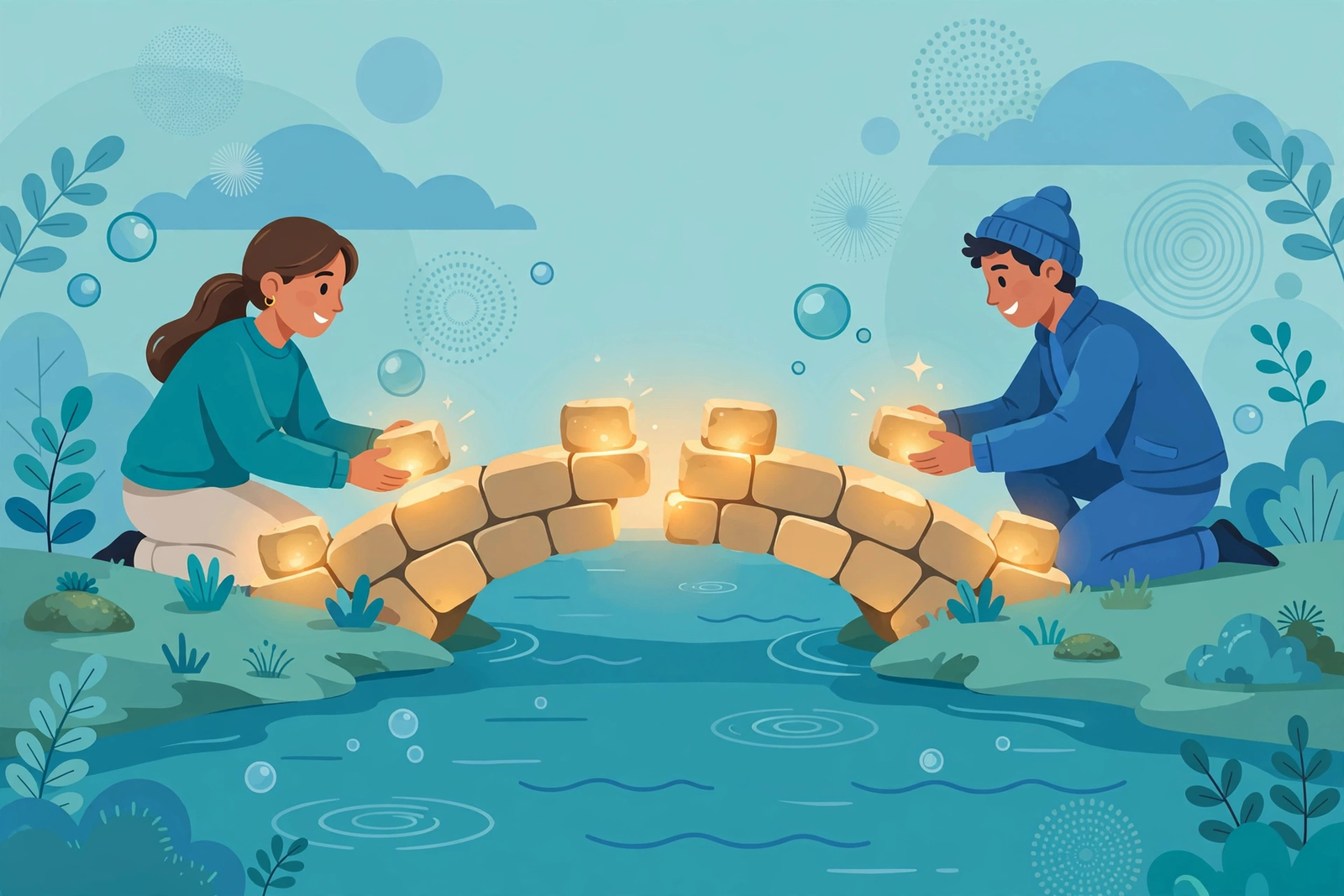
If anxiety has ever made you cancel plans, go quiet in a conversation, or lie awake replaying what you said — you’re not alone. Generalized anxiety disorder (GAD) doesn’t just live in your mind; it touches your relationships and social life too. In this guide, we’ll explore how GAD affects connection — and gentle, practical ways to strengthen your bonds.
Key Points
- Generalized Anxiety Disorder (GAD) can affect relationships by creating emotional distance, communication difficulties, and misunderstandings between partners, family members, and friends.
- Individuals with GAD may struggle with social interactions due to fear of judgment, perfectionism, and avoidance behaviors.
- Open communication, setting boundaries, and seeking professional help are essential strategies for improving relationships and managing GAD.
- Family and partners play an important role in offering support, understanding, and reassurance during moments of anxiety.
How Generalized Anxiety Disorder Affects Relationships
Generalized anxiety disorder (GAD) can place real strain on personal relationships. When worry, self-doubt, and the need for reassurance run high, even loving connections can feel fragile. The good news? Understanding these patterns is the first step toward changing them.
1. Emotional Distance and Avoidance
- Withdrawal from loved ones: Due to the constant worry and self-doubt, individuals with GAD may withdraw emotionally or physically from their loved ones. They might isolate themselves to avoid the possibility of being judged or criticized, even if this is unintentional. This withdrawal can make partners or family members feel neglected or rejected, which can lead to misunderstandings.
- Difficulty with intimacy: Anxiety can also interfere with emotional and physical intimacy. Partners may feel frustrated if the individual with GAD is unable to express affection or engage in activities due to fear or exhaustion. The anxiety can overshadow the ability to connect on a deeper level, creating barriers in the relationship.
- Excessive reassurance-seeking: Some individuals with GAD may seek constant reassurance from their partner or family members, which can place a heavy emotional burden on the relationship. While the intention may be to seek comfort, this behavior can lead to frustration for loved ones, who may feel unable to provide the reassurance needed.
2. Communication Challenges
- Difficulty expressing emotions: Individuals with GAD may find it hard to articulate their feelings, either due to fear of burdening others or because of difficulty processing their own emotions. This lack of clear communication can lead to misinterpretations, where loved ones may not fully understand the anxiety-related behaviors or needs.
- Perfectionism and overthinking: People with GAD may overanalyze their words and actions, fearing that they will say or do something wrong. This perfectionism can inhibit open and honest communication, creating tension and misunderstandings in the relationship.
- Constant worry about others’ opinions: Individuals with GAD may be preoccupied with how others perceive them. This worry can affect their ability to communicate authentically, as they might become overly concerned with saying the “right” thing or avoiding conflict. The constant self-monitoring can lead to a lack of spontaneity and emotional connection.
Impact on Social Life and Friendships
Beyond romantic relationships and family life, GAD can also shrink your social world — making friendships harder to start and harder to keep. If you’ve been withdrawing, please know it’s the anxiety talking, not a reflection of your worth.
1. Social Avoidance
- Avoiding social events: Many individuals with GAD may avoid social gatherings or public events due to the fear of being judged or the anxiety of interacting with others. This avoidance can lead to social isolation and a lack of engagement with friends and family, which can increase feelings of loneliness and alienation.
- Fear of judgment: The fear of being negatively evaluated or criticized can prevent individuals with GAD from fully participating in social activities. Whether it’s meeting new people, attending parties, or speaking in public, the constant worry about how others perceive them can lead to avoidance and a lack of social engagement.
- Struggling with small talk: The pressure of needing to make conversation in social situations can be daunting for individuals with GAD. They may worry about saying something wrong, being misunderstood, or appearing awkward, which can make it difficult to relax and enjoy social interactions.
2. Strained Friendships
- Inconsistent availability: Friends of individuals with GAD may feel frustrated or hurt when the person with anxiety cancels plans or fails to show up to social events. While the avoidance is typically due to anxiety, it can lead to misunderstandings and frustration among friends who may feel neglected or unimportant.
- Difficulty maintaining friendships: Maintaining friendships can be challenging for individuals with GAD, especially when anxiety causes them to withdraw or avoid social activities. The constant worry about others’ perceptions or the fear of being overwhelmed in group settings can make it harder to engage in meaningful relationships with friends.
Strengthening Relationships and Social Connections with GAD
Here’s the hopeful truth: while GAD can strain relationships and social life, there are effective, learnable strategies to rebuild connection. Small, consistent steps can make a meaningful difference.
1. Open Communication and Honest Conversations
- Expressing needs and concerns: Individuals with GAD can benefit from open conversations with their partners, friends, and family about their anxiety and how it affects their interactions. Explaining the nature of GAD and how it influences behavior can help loved ones understand and offer better support.
- Setting boundaries: It’s important for both individuals with GAD and their loved ones to establish boundaries in the relationship. This may include setting limits on reassurance-seeking behaviors or discussing how to handle situations when anxiety arises. Clear boundaries help both parties navigate the relationship in a healthy way.
2. Therapy for Relationship Issues
- Couples counseling: Couples therapy can help partners address issues related to GAD, such as emotional withdrawal, communication difficulties, and the impact of anxiety on intimacy. Therapy provides a neutral space for both partners to express their feelings, learn coping strategies, and strengthen their bond.
- Family therapy: Family therapy can be helpful in cases where GAD is causing tension or misunderstanding within the family dynamic. Therapy helps family members understand the disorder and develop ways to offer support without enabling negative behaviors.
3. Building Social Support Networks
- Support groups for anxiety: Joining support groups for individuals with anxiety can be incredibly beneficial. These groups provide a space to connect with others who understand the challenges of living with GAD and offer a sense of community and solidarity.
- Building a supportive circle: Individuals with GAD should surround themselves with supportive, understanding friends who are patient and willing to help. Encouraging friends to learn about GAD can reduce stigma and increase empathy, making social interactions less stressful.
4. Self-Care and Stress Management
- Practicing relaxation techniques: Individuals with GAD can benefit from self-care practices like mindfulness, deep breathing, and progressive muscle relaxation. These techniques reduce stress and anxiety, making social interactions more manageable.
- Scheduling downtime: It’s important for individuals with GAD to carve out time for relaxation and self-care. Scheduling breaks and downtime throughout the week helps reduce feelings of overwhelm and allows individuals to recharge before engaging in social activities.
Key Takeaways
Generalized anxiety disorder can significantly affect relationships and social life — but it doesn’t have to define them. With open communication, healthy boundaries, and the right support, you can nurture relationships that feel safe, steady, and fulfilling.
If you or someone you love is struggling with generalized anxiety disorder, reaching out for professional help is a caring step forward. A qualified mental health professional can help you strengthen both your coping skills and your connections.
A gentle note: this article is for education and support — it isn’t medical advice. Please consult a qualified healthcare professional for personalized guidance.
