



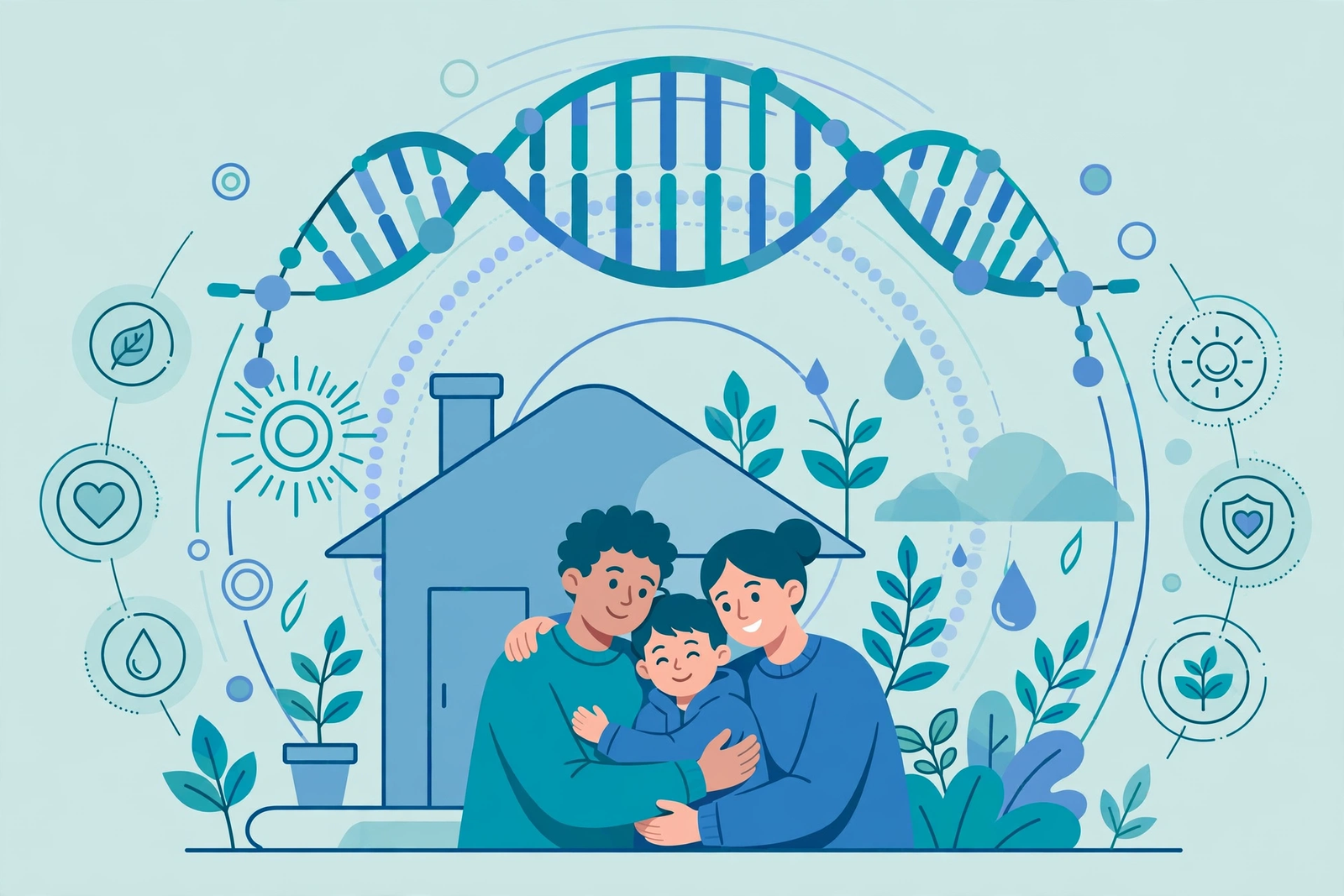
Cannabis use disorder (CUD) is a complex condition that is influenced by a variety of factors. While many people are able to use cannabis without developing an addiction, others become dependent on it over time. The development of cannabis use disorder is not solely due to personal choice or willpower; it is shaped by a combination of genetic predisposition and environmental factors.
Understanding how genetics and environment contribute to cannabis use disorder is important for identifying individuals who may be at higher risk and for creating more effective prevention and treatment strategies.
In this article, we will explore the role of genetics and environmental factors in the development of cannabis use disorder. We will also discuss how these factors interact and influence the likelihood of developing cannabis addiction.
The Genetic Factors Behind Cannabis Use Disorder
Genetics plays a significant role in determining how individuals respond to substances, including cannabis. While cannabis use disorder is not caused by a single gene, certain genetic factors can make an individual more susceptible to developing an addiction. Understanding these genetic factors can help explain why some people are more likely to develop cannabis use disorder than others.
1. Genetic Predisposition to Addiction:
Some people have a genetic predisposition to addiction in general, which makes them more vulnerable to developing cannabis use disorder. Studies have shown that individuals with a family history of substance abuse, including alcohol or drug addiction, are at a higher risk for developing cannabis use disorder. Genetic factors may influence how the brain’s reward system responds to cannabis, making some people more prone to developing dependence.
2. Genes Involved in the Endocannabinoid System:
The endocannabinoid system is a network of receptors in the brain and body that regulates various functions, including mood, memory, and appetite. This system is also involved in the way the body processes cannabis. Variations in genes that affect the endocannabinoid system can influence an individual’s response to cannabis, potentially increasing their risk of developing cannabis use disorder.
For example, genetic variations in the cannabinoid receptor (CB1 receptor) gene have been linked to a higher likelihood of developing cannabis addiction. Individuals with certain genetic variations may experience stronger or more pleasurable effects from cannabis use, which could increase their risk of misuse and dependency.
3. Brain Chemistry and Reward Pathways:
Cannabis affects the brain’s reward system by increasing the release of dopamine, a neurotransmitter that plays a key role in pleasure and reinforcement. Some individuals may have a more sensitive reward system, making them more susceptible to the reinforcing effects of cannabis. This heightened sensitivity may make it harder for them to control their cannabis use, leading to the development of cannabis use disorder.
Environmental Factors Contributing to Cannabis Use Disorder
In addition to genetics, environmental factors also play a critical role in the development of cannabis use disorder. These factors can either increase the risk of addiction or provide protective elements that reduce the likelihood of developing dependence.
1. Peer Influence and Social Norms:
Peer pressure is a major environmental factor in the development of cannabis use disorder, especially during adolescence. Young people who are exposed to social groups where cannabis use is normalized or encouraged are more likely to experiment with cannabis and continue using it. Peer influence can significantly affect attitudes toward cannabis and influence usage patterns.
Social norms around cannabis use, whether in a community, family, or workplace, also shape the likelihood of developing cannabis use disorder. In societies where cannabis use is normalized or even legalized, individuals may be more likely to use cannabis without recognizing the potential risks of addiction.
2. Stress and Trauma:
Psychological stress and trauma, including adverse childhood experiences (ACEs), can increase the risk of developing cannabis use disorder. People who experience high levels of stress, trauma, or mental health issues such as anxiety or depression may turn to cannabis as a form of self-medication. Over time, this coping mechanism can lead to dependence and addiction.
Studies have shown that individuals who have experienced childhood trauma or chronic stress are more likely to develop substance use disorders, including cannabis use disorder. Cannabis may initially provide temporary relief from stress or emotional pain, but continued use can interfere with healthy coping mechanisms, leading to addiction.
3. Accessibility and Availability:
The accessibility and availability of cannabis can significantly impact the development of cannabis use disorder. Individuals who have easy access to cannabis, whether through legal or illegal means, are more likely to develop an addiction. The availability of cannabis in schools, workplaces, or communities can increase the likelihood of early initiation and continued use, which increases the risk of developing cannabis use disorder.
In regions where cannabis is legal for recreational or medicinal use, there may be a higher prevalence of cannabis use, which could increase the number of individuals at risk for developing cannabis use disorder. Legalization can also impact public perceptions of cannabis, leading to reduced stigma and normalization of cannabis consumption.
The Interaction Between Genetics and Environment in Cannabis Use Disorder
The development of cannabis use disorder is not solely due to either genetics or environment—it is the interaction between the two that plays a crucial role. This gene-environment interaction means that individuals with a genetic predisposition to addiction are more likely to develop cannabis use disorder when exposed to certain environmental risk factors.
1. Gene-Environment Interactions in Adolescents:
Adolescence is a critical period of brain development, and this is when cannabis use often begins. During this time, genetic factors related to brain development and reward sensitivity may interact with environmental factors such as peer influence and access to cannabis. Adolescents with a genetic predisposition to addiction may be more likely to initiate cannabis use, and early use increases the likelihood of developing cannabis use disorder later in life.
2. Protective Factors:
While certain genetic and environmental factors increase the risk of developing cannabis use disorder, there are also protective factors that can reduce the likelihood of addiction. These include strong family support, positive coping skills, engagement in healthy social activities, and mental health treatment. Individuals who have these protective factors may be better equipped to resist the influences of their environment or genetic predisposition.
3. Personal Choices and Resilience:
Ultimately, personal choices and resilience also play a role in the development of cannabis use disorder. Even if an individual has a genetic predisposition to addiction and is exposed to environmental risk factors, making informed, healthy decisions and seeking treatment early can help prevent the development of cannabis use disorder.
Preventing Cannabis Use Disorder: Strategies and Approaches
While cannabis use disorder is influenced by genetics and environment, there are effective strategies for preventing the disorder and promoting healthy cannabis use. These strategies include education, early intervention, and building resilience against environmental risk factors.
1. Early Education and Awareness:
Educating young people about the risks of cannabis use and addiction can help reduce the likelihood of early initiation. By teaching healthy coping mechanisms and promoting awareness of the potential consequences of cannabis use, individuals are better equipped to make informed decisions.
2. Early Intervention:
For individuals at risk of developing cannabis use disorder, early intervention is key. Behavioral therapies, counseling, and support groups can help individuals address the underlying causes of their cannabis use and develop healthier coping strategies.
3. Building Resilience:
Promoting resilience through emotional and social support, developing strong coping skills, and encouraging healthy activities can help individuals reduce their reliance on cannabis. Engaging in sports, hobbies, or social groups that provide positive reinforcement can reduce the risk of developing cannabis use disorder.
Frequently Asked Questions
Is cannabis use disorder genetic?
Cannabis use disorder can have a genetic component. Individuals with a family history of substance use disorders may be more predisposed to developing cannabis use disorder due to genetic factors related to the brain’s reward system and addiction pathways.
How do environmental factors contribute to cannabis use disorder?
Environmental factors such as peer pressure, access to cannabis, stress, and childhood trauma can increase the risk of developing cannabis use disorder. These factors can either trigger or exacerbate cannabis use, leading to dependence.
Can genetics and environment work together to cause cannabis use disorder?
Yes, the development of cannabis use disorder is typically a result of both genetic predisposition and environmental influences. The interaction between these factors determines the likelihood of addiction, particularly when individuals are exposed to risk factors such as early use or high levels of stress.
Can cannabis use disorder be prevented?
While cannabis use disorder may have genetic and environmental influences, prevention is possible through early education, promoting healthy coping strategies, and seeking early intervention for individuals at risk.
Key Takeaways
Cannabis use disorder is influenced by a complex interaction between genetic predisposition and environmental factors. While some individuals may be more genetically vulnerable to addiction, environmental influences such as peer pressure, stress, and accessibility play a significant role in the development of cannabis use disorder. By understanding these factors and promoting early education, intervention, and resilience, individuals can reduce their risk of developing cannabis addiction and seek effective treatment if necessary.
If you or someone you know is struggling with cannabis use disorder, contact us today for guidance on treatment and support.
