



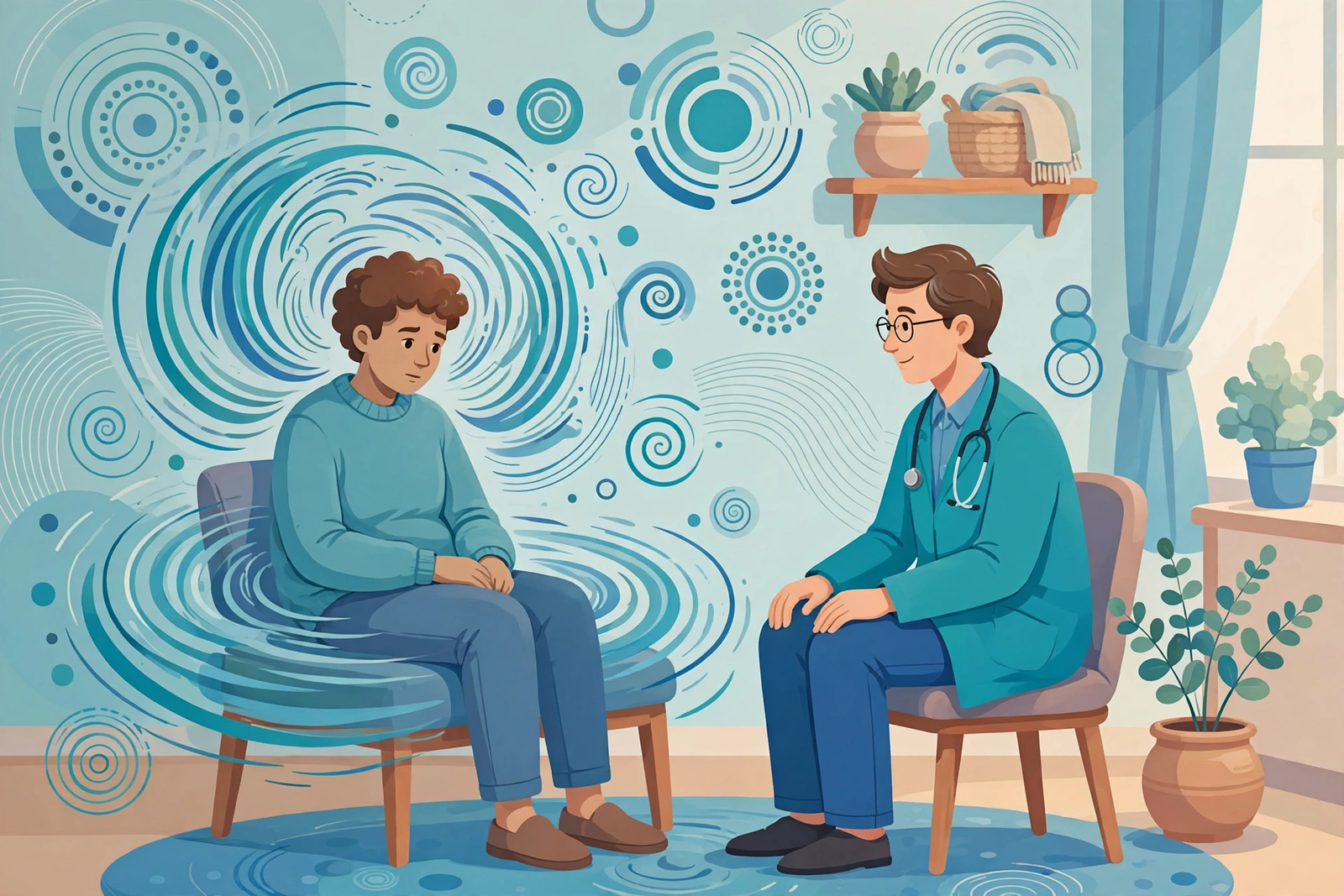
Losing someone you love is one of the hardest things you will ever go through — and grief doesn’t just live in your heart. When grief and loss enter your life, your body feels them too: the heaviness in your chest, the exhaustion that sleep doesn’t fix, the aches that seem to come from nowhere. If you’ve been wondering why you feel physically unwell while grieving, please know you are not alone, and this is a completely normal response. In this article, we’ll gently explore how grief affects your physical health and share compassionate, practical ways to care for your body as you heal.
Key Points
- Grief can have significant physical health impacts, as the emotional strain can affect the body in numerous ways.
- Common physical symptoms of grief include fatigue, sleep disturbances, headaches, muscle tension, and digestive issues.
- Managing physical health during grief requires self-care, relaxation techniques, and seeking professional support when necessary.
- Acknowledging the mind-body connection in grief helps individuals address both the emotional and physical aspects of their mourning process.
The Mind-Body Connection in Grief and Loss
Grief is an intensely emotional experience — but if you are grieving, you may have noticed its effects don’t stop at your emotions. The grieving process can take a real toll on your body, and many people are surprised by the physical symptoms that appear alongside their emotional pain. Recognizing this mind-body connection matters, because the stress of mourning can show up in your body in very real ways.
Your body reacts to emotional distress in ways that can feel unexpected or even frightening. The physical impact of grief can range from temporary discomfort to longer-term health challenges if it isn’t addressed. The hopeful news is that understanding how grief affects your body is the first step toward caring for your physical health as you mourn.
How Grief Affects Physical Health
Grief can bring on a range of physical symptoms as your body responds to emotional stress. Some of these may ease as your grieving journey unfolds, while others can linger if they aren’t cared for. Here are the most common ways grief can show up in the body:
1. Fatigue and Exhaustion
- Emotional drain: Grief can cause profound fatigue, as the body expends energy dealing with the emotional weight of loss. The emotional toll can leave individuals feeling drained and physically weak, even after getting adequate rest.
- Sleep disturbances: Grief often disrupts sleep patterns, leading to difficulty falling asleep, staying asleep, or experiencing restful sleep. The anxiety and sadness associated with grief can cause restlessness, nightmares, or waking up during the night.
- Coping strategies: Prioritize rest and relaxation. Take naps when needed, and avoid overexertion. Creating a calming bedtime routine, such as avoiding caffeine or using relaxation techniques, can help improve sleep quality.
2. Headaches and Muscle Tension
- Physical tension: Grieving individuals may experience headaches or muscle tension due to the stress caused by intense emotions. Tension in the neck, shoulders, and back is common, as the body reacts to the emotional strain by tightening muscles.
- Chronic pain: For some individuals, grief can exacerbate chronic pain conditions or lead to new physical discomforts. Headaches, migraines, and aches in the body may become more frequent during periods of intense mourning.
- Coping strategies: Regular stretching, gentle yoga, and relaxation techniques like deep breathing or progressive muscle relaxation can help alleviate muscle tension and reduce physical discomfort. Over-the-counter pain relievers or seeking professional therapy (such as massage or chiropractic care) may also provide relief.
3. Digestive Issues
- Loss of appetite or overeating: Grief can cause significant changes in eating habits. Some individuals may lose their appetite and struggle to eat, while others may find comfort in food, leading to overeating.
- Stomach issues: Grief-related stress can manifest as digestive problems, such as nausea, stomachaches, bloating, or changes in bowel movements. The gut is particularly sensitive to emotional stress, and grief can exacerbate existing digestive conditions.
- Coping strategies: Aim for balanced nutrition during grief, even if you’re not feeling hungry. Eating small, nutritious meals throughout the day can provide energy and stabilize blood sugar levels. Avoiding excessive alcohol or caffeine may help reduce digestive discomfort. If digestive issues persist, consult a healthcare provider for guidance.
4. Increased Heart Rate and Shortness of Breath
- Stress response: The emotional turmoil of grief can activate the body’s stress response, triggering symptoms like increased heart rate, rapid breathing, or a sensation of tightness in the chest. This physical reaction is part of the fight-or-flight response that is commonly activated during periods of emotional distress.
- Panic and anxiety: In some cases, grief can lead to panic attacks or feelings of anxiety, which can also contribute to shortness of breath or a racing heart.
- Coping strategies: Practice deep breathing exercises, such as inhaling deeply for a count of four and exhaling slowly for a count of six, to help regulate the breath and calm the nervous system. Engaging in mindfulness meditation can also help reduce the physical symptoms of anxiety.
Managing Physical Health During Grief
Caring for your physical health is a meaningful part of grieving — and it is care you truly deserve. While grief is deeply emotional, tending to the physical symptoms that come with it can make the journey a little more manageable. Here are some gentle strategies to support your body through grief:
1. Prioritize Rest and Self-Care
- Rest and recuperation: Grief can be emotionally exhausting, and it’s important to rest and allow your body time to heal. Take naps when needed, and listen to your body’s cues for rest. Don’t push yourself to return to “normal” activities too quickly; give yourself time to process and recover.
- Relaxation techniques: Engaging in relaxation techniques, such as deep breathing, progressive muscle relaxation, or meditation, can help calm the body and reduce the physical symptoms of grief. Practices like yoga can also help stretch and release muscle tension, promoting relaxation and well-being.
2. Maintain Healthy Eating Habits
- Nourish your body: During grief, it’s important to make an effort to eat nutritious foods that support your physical health. Even if you don’t feel like eating, try to consume balanced meals to provide your body with the energy and nutrients it needs. Focus on whole foods, including fruits, vegetables, lean proteins, and healthy fats.
- Stay hydrated: Grieving individuals may forget to drink enough water, which can worsen feelings of fatigue and muscle tension. Drinking plenty of water throughout the day helps keep your body hydrated and supports your overall health.
3. Get Moving
- Physical activity for stress relief: Gentle physical activity can help release stress and reduce the physical symptoms of grief. Walking, swimming, or yoga are great options for individuals who are grieving, as these activities help to calm the body and mind.
- Increase energy levels: Regular physical activity, even in small doses, can help combat fatigue and increase energy levels. Exercise promotes the release of endorphins, which can improve mood and reduce feelings of sadness or depression associated with grief.
4. Seek Medical Attention if Needed
- Consult a healthcare provider: If you experience persistent physical symptoms of grief, such as chronic pain, severe digestive issues, or difficulty breathing, it’s important to seek medical advice. A healthcare provider can help rule out any underlying physical conditions and provide strategies for managing the physical effects of grief.
- Therapeutic support: If you find that grief is significantly affecting your physical health, working with a therapist or counselor can help address the emotional causes behind the physical symptoms. Therapy can also provide support for managing the mental health aspects of grief.
Key Takeaways
Grief is not only an emotional experience — it can profoundly affect your physical health too. Fatigue, muscle tension, digestive troubles, and a racing heart are all common ways grief shows up in the body. Caring for yourself through grief means tending to both your heart and your body: rest when you need it, be gentle with yourself, and reach out for professional support whenever you need it.
If you are grieving, please be as kind to your body as you are trying to be to your heart. This article is for education and comfort — it is not medical advice. If something doesn’t feel right physically, please reach out to a qualified healthcare professional or counselor. Healing takes time, and you deserve support for every part of it.
