



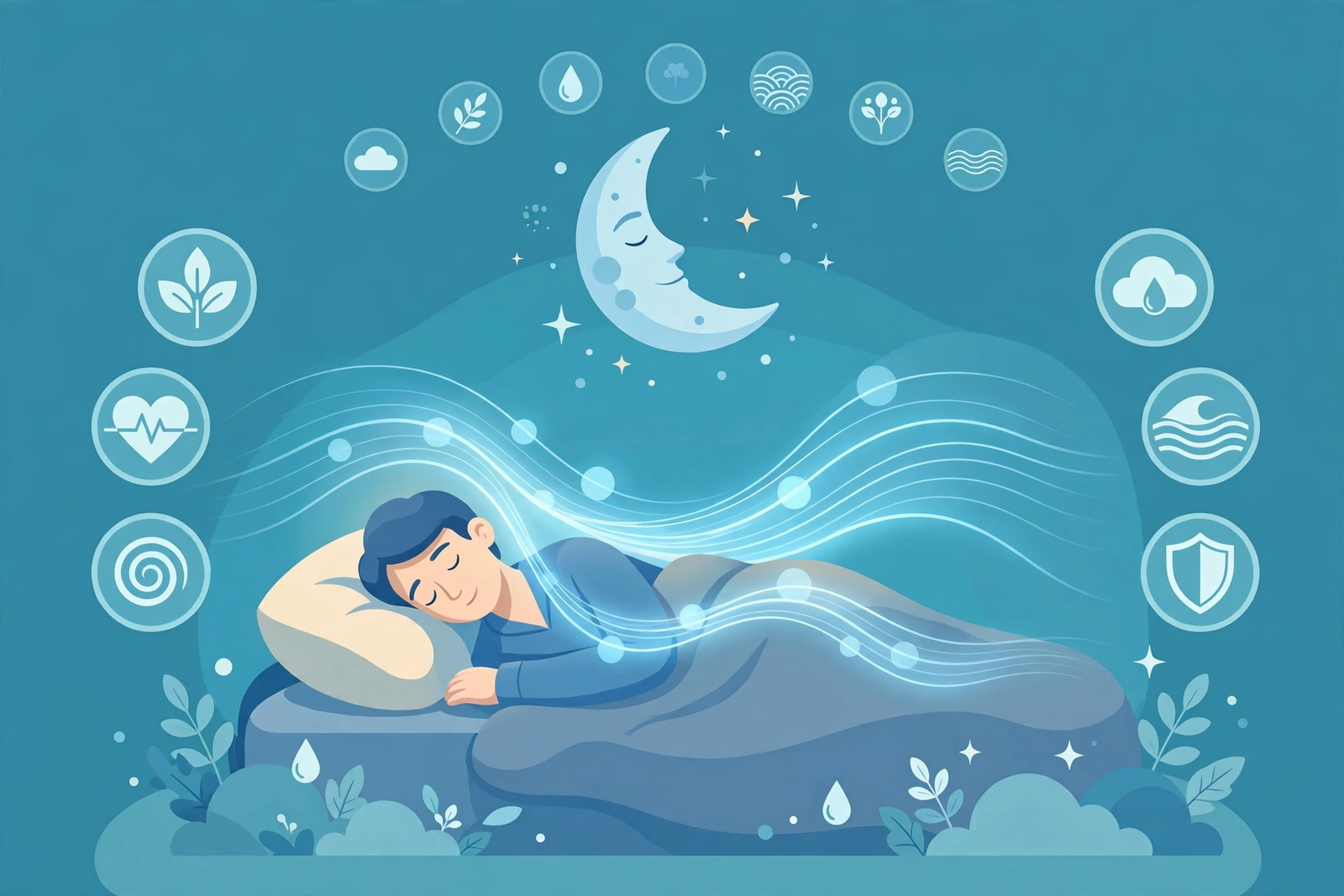
If you are running on empty, everything feels harder — and that includes living with hallucinogen persisting perception disorder. Poor sleep and fatigue can turn up the volume on visual symptoms, fray your emotional resilience, and leave your nervous system feeling wired yet exhausted. Here is the hopeful truth: sleep is one of the most powerful tools you have. In this gentle guide, we will explore how rest, fatigue, and nervous system balance shape your symptoms — and share practical ways to reclaim truly restorative sleep.

Key Points
- Sleep quality strongly influences symptom intensity
- Fatigue can increase visual and sensory sensitivity
- Nervous system regulation supports symptom stability
- Consistent routines promote neurological balance
- Restorative sleep is a key part of long-term improvement
Understanding Sleep’s Role in Hallucinogen Persisting Perception Disorder
Sleep plays a central role in how your brain processes sensory information. In hallucinogen persisting perception disorder, disrupted or insufficient sleep can make visual disturbances feel more intense and harder to manage.
When your brain is well rested, it is better able to filter sensory input and regulate emotional responses. Many people find that improving sleep quality leads to noticeable symptom relief — sometimes it is the single biggest lever.
How Fatigue Affects Perception
Fatigue places additional strain on your nervous system. When energy levels are low, your brain becomes less efficient at managing sensory signals — and symptoms can feel louder.
Increased Visual Sensitivity
Tiredness can heighten your awareness of visual snow, afterimages, and light sensitivity. Ordinary visual input may feel overwhelming when you are exhausted. If your symptoms always seem worse at the end of a long day, fatigue is likely playing a role.
Reduced Emotional Resilience
Fatigue lowers your tolerance for stress, making emotional reactions stronger. This can create a difficult cycle: tiredness increases anxiety, and anxiety disrupts sleep further. Breaking this cycle starts with protecting your rest.
Nervous System Regulation and Stability
Hallucinogen persisting perception disorder involves heightened sensory responsiveness. Supporting your nervous system’s regulation helps restore balance — and sleep is the foundation.
Parasympathetic Activation
Relaxation practices activate the calming branch of your nervous system. Slow breathing, gentle stretching, and quiet evening routines signal safety to your brain, making it easier to drift off and stay asleep.
Consistency and Predictability
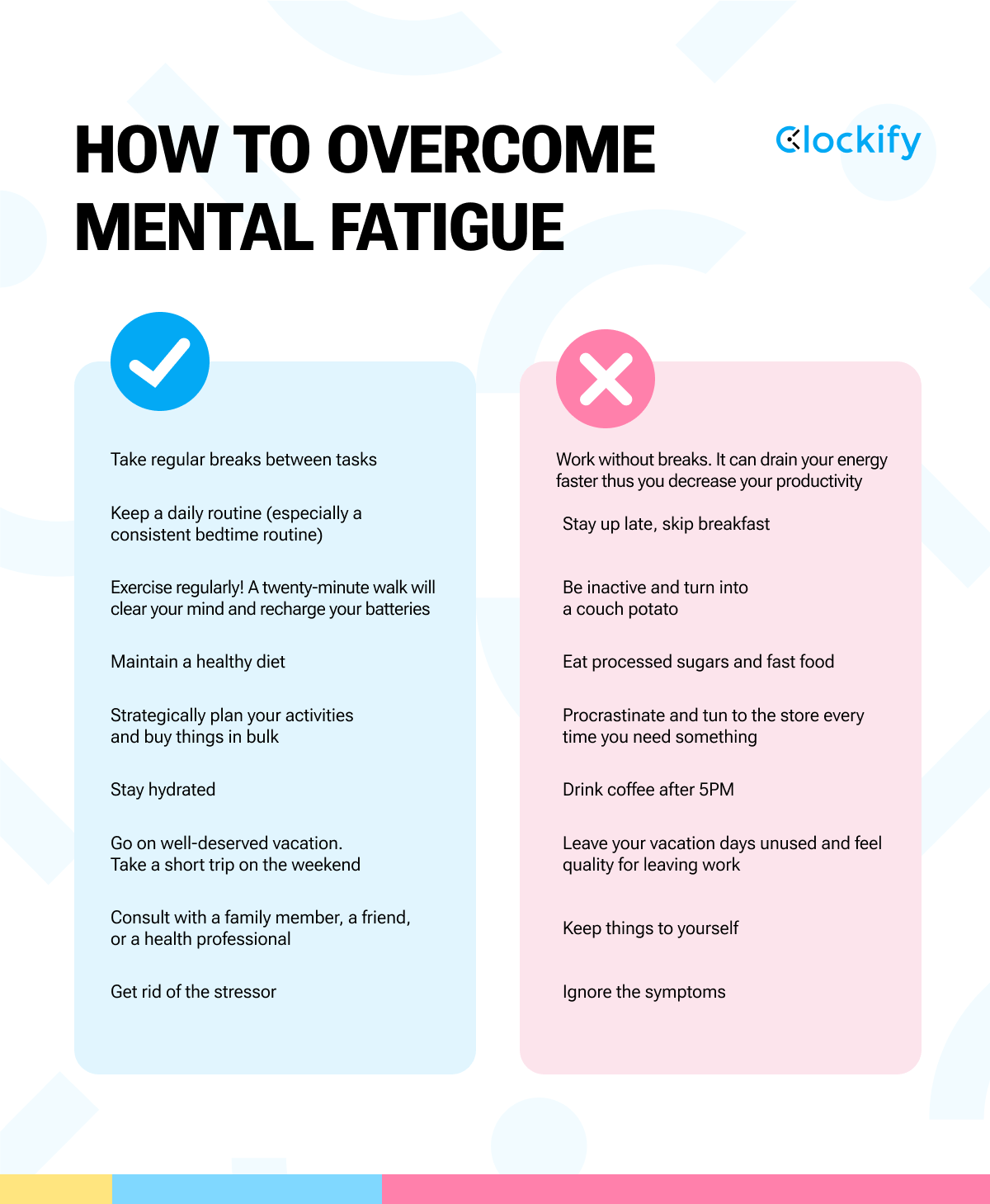
Regular daily schedules reduce neurological stress. Going to bed and waking at consistent times — even on weekends — helps your nervous system stay steady rather than reactive. Your body loves rhythm.
Improving Sleep Quality
The encouraging part: small changes can make meaningful differences. You do not need a perfect sleep routine — just a kinder one.
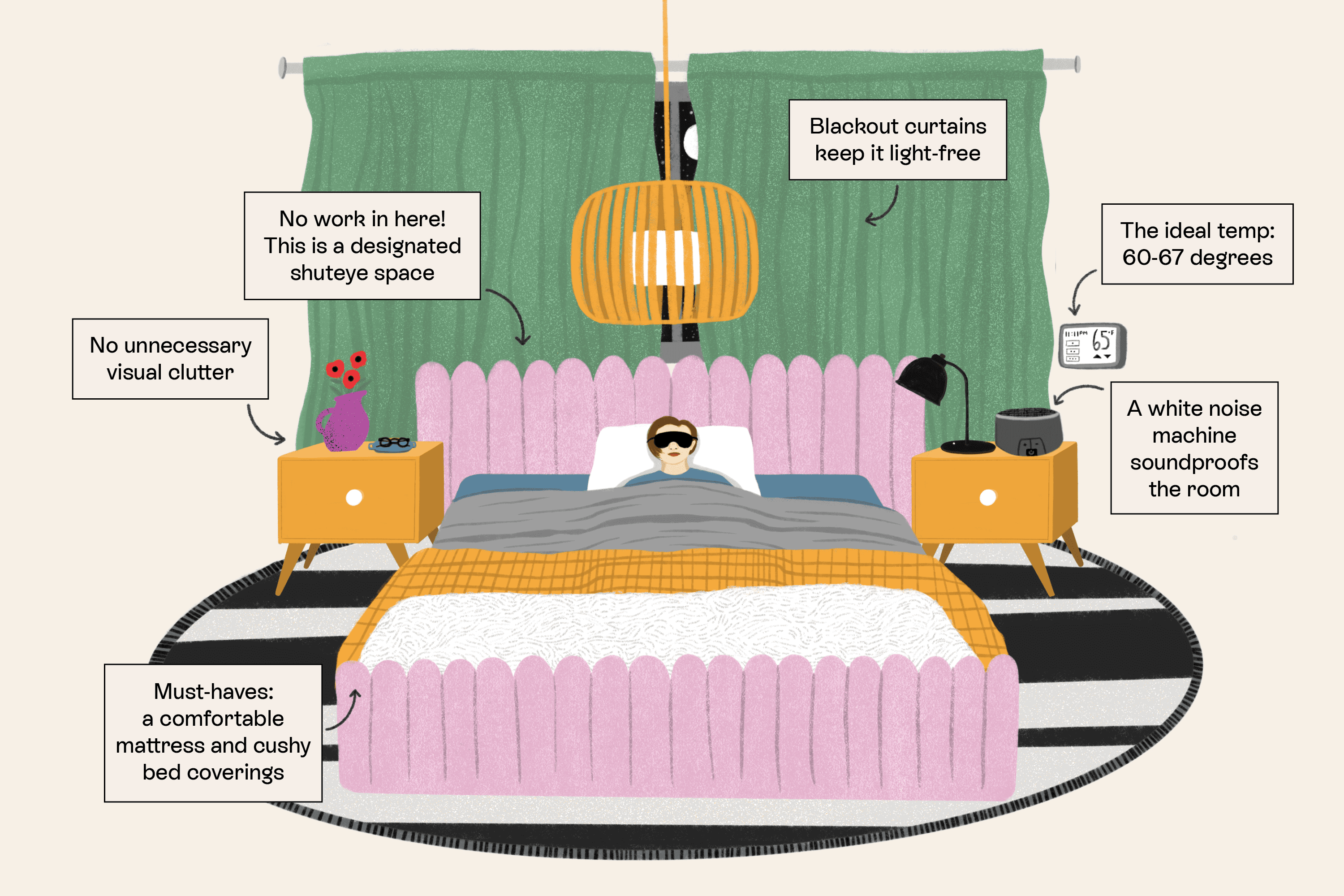
Sleep Environment
Soft lighting, reduced noise, and a comfortably cool room support deeper rest. Limiting screen exposure before bedtime helps your brain transition into sleep mode. Think of your bedroom as a sanctuary for your senses.
Evening Wind-Down
Calming activities such as reading, light stretching, or relaxation exercises prepare your body for rest and reduce nighttime symptom awareness. A consistent wind-down ritual tells your nervous system: it is safe to let go now.
Managing Nighttime Symptoms
If visual disturbances are noticeable at night, try responding calmly rather than focusing on them. Gentle distraction — an audiobook, soft music, slow breathing — can prevent the worry spiral that disrupts sleep.
Long-Term Benefits of Restorative Sleep
Over time, improved sleep supports emotional regulation, reduces symptom flare-ups, and enhances your overall quality of life. It is a slow build, but a real one.
Many people report that stabilizing their sleep patterns marks an important turning point in their recovery journey. Rest is not avoidance — it is an essential part of healing.
Frequently Asked Questions
Can poor sleep worsen symptoms?
Yes — sleep disruption commonly increases symptom intensity. The good news is that the reverse is also true: better sleep usually means calmer symptoms.
Is daytime fatigue related to the disorder?
Often, yes. Fatigue frequently reflects nervous system strain rather than physical illness. It is your system’s way of asking for more rest.
Should naps be avoided?
Short naps (20–30 minutes) can help, but excessive daytime sleeping may disrupt nighttime rest. Listen to your body and keep naps brief and early.
Can sleep improvement reduce visual symptoms?
Many people notice their visual symptoms easing as sleep stabilizes. It is one of the most reliable patterns in recovery.
Key Takeaways
Sleep and nervous system regulation play a vital role in managing hallucinogen persisting perception disorder. By improving sleep quality, reducing fatigue, and supporting neurological balance, you can significantly reduce symptom distress. Be gentle with yourself as you build these habits — rest is not a luxury, it is medicine. A gentle note: this article is for education and support, not medical advice. If sleep problems persist, a qualified professional can help you find solutions that work for you.
