


Close Menu
Mind Healing Ghazala
    Facebook X (Twitter) Instagram
    Latest Updates
    • Back-to-School Anxiety: Helping Your Child Adjust
    • Living with Bipolar Disorder
    • Coping with Bipolar Disorder in the Workplace
    • Grandparents and Parenting: Making It Work in Joint Families
    • Depression and Anxiety: The Link
    • Navigating DSPS Challenges
    • Adjusting Your Sleep Schedule with DSPS
    • Can Spravato Help with Anxiety?
    • Stress and Anxiety in School Students: Causes & Solutions
    • Root Causes of DSPS: A Guide
    • Mind Management, Not Time Management: Key Principles
    • 10 Ways to Support Someone with Anxiety That Work
    • What Is Mental Health? Definitions, Disorders & Solutions
    • What Is ADHD: Symptoms, Diagnosis, & Treatment Guide
    • Why Childhood ADHD Develops: Causes and Risk Explained 2025
    • ADHD Treatment Options for Children: What Works
    • ADHD in School: Helping Children Succeed in 2025
    • Parenting a Child with ADHD: Daily Strategies Plan
    • Cognitive Behavioral Therapy (CBT) for Adjustment Disorder – How It Can Help You Cope
    • The Role of Family Therapy in Treating Adjustment Disorder – Strengthening Support and Communication
    Saturday, October 3
    Mind Healing GhazalaMind Healing Ghazala
    Youtube
    • Home
    • Conditions A-Z
    • All Topics
    • Living Well
      • Anxiety and Stress
      • Mental Health
      • Health Disorders
      • Fitness
      • Nutrition
    • Parenting
    • Relationship
    • Therapies
    • Trending
      • Syndromes
      • Health Test
    • Contact
    Mind Healing Ghazala
    Home » Hallucinogen Persisting Perception Disorder: Triggers

    Hallucinogen Persisting Perception Disorder: Triggers

    Dr. Ghazala TahirBy Dr. Ghazala TahirSeptember 8, 2026Updated:October 1, 2026 Hallucinogen Persisting Perception Disorder No Comments5 Mins Read
    Hallucinogen Persisting Perception Disorder: Triggers
    Share
    Facebook Twitter LinkedIn Pinterest Email

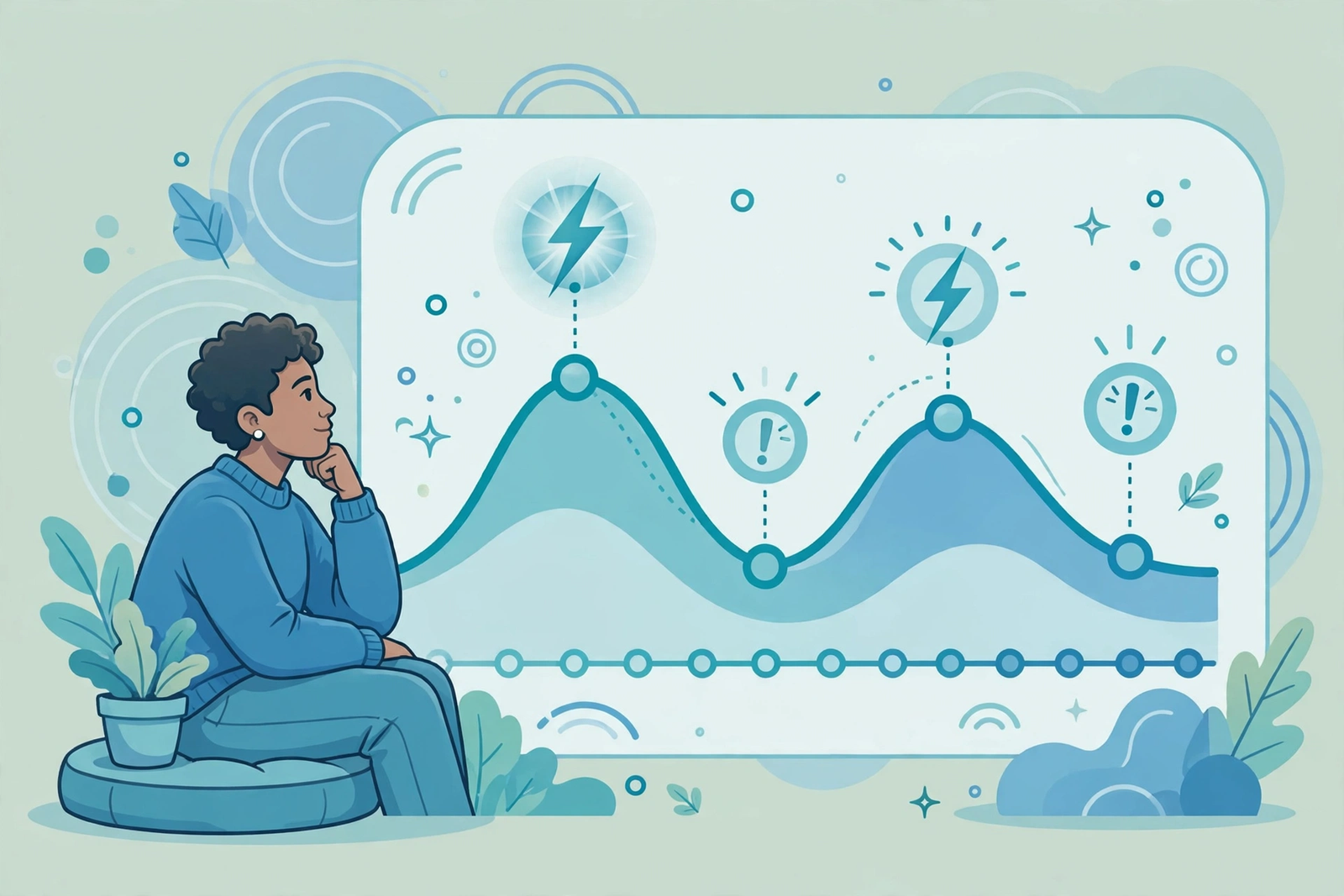
    If you live with hallucinogen persisting perception disorder, you may have noticed that your symptoms do not stay the same all the time — some days feel calmer, and on other days the visual disturbances surge back. That unpredictability can be unsettling, but here is something reassuring: these ups and downs are completely normal with HPPD. In this gentle guide, we will explore the common triggers behind flare-ups, how to recognize your own symptom patterns, and practical ways to steady things when symptoms intensify.
    Key Points

    • Symptoms often fluctuate rather than remain constant
    • Stress and fatigue are common triggers for flare-ups
    • Environmental stimulation can intensify visual disturbances
    • Understanding patterns reduces fear and uncertainty
    • Managing triggers supports long-term stability

    Understanding Symptom Fluctuations

    Hallucinogen persisting perception disorder rarely shows up in a fixed or predictable way. Many people notice stretches of relative calm followed by temporary increases in symptom intensity — and that is okay.

    These fluctuations do not mean your condition is getting worse. More often, they simply reflect changes in stress levels, sensory input, or how loaded your nervous system is on a given day. Think of it as your system responding to its environment, not as a setback.

    Triggers and Flare-Ups in Hallucinogen Persisting Perception Disorder

    Identifying your triggers can help you regain a sense of control and soften the distress that flare-ups bring. Here are the ones people report most often.

    Emotional Stress

    Emotional stress is one of the most common triggers. High-pressure situations, unresolved worry, or simply feeling overwhelmed can heighten sensory sensitivity.

    When your nervous system is under stress, perceptual symptoms tend to become more noticeable. This does not mean you are doing anything wrong — it means your system is working overtime.

    Fatigue and Sleep Disruption

    Lack of sleep reduces your brain’s ability to regulate sensory input. Even a few nights of poor sleep can lead to more noticeable visual disturbances.

    Consistent, restful sleep plays a genuinely protective role in keeping symptoms stable. Your brain does important repair work while you rest.

    Environmental Stimulation

    Bright lights, screens, crowded spaces, or visually complex environments can overload the sensory system. This overstimulation may temporarily intensify symptoms.

    If you notice symptoms surging in busy environments, try taking gentle breaks from visually demanding settings — stepping into softer light or resting your eyes can help things settle.

    Substance Sensitivity

    Caffeine, stimulants, or other substances may worsen symptoms for some people. Sensitivity varies from person to person, so gentle self-observation is important.

    Many people find that cutting back on these substances leads to gradual improvement. Small, curious experiments can reveal what helps you most.

    Recognizing Personal Symptom Patterns

    Everyone experiences hallucinogen persisting perception disorder differently. Keeping a simple note of when symptoms increase or decrease — and what was happening around that time — can reveal meaningful patterns.

    Understanding your personal triggers reduces uncertainty and helps you respond proactively instead of feeling blindsided. Knowledge is genuinely calming here.

    Managing Flare-Ups Effectively

    Flare-ups can feel discouraging when they arrive, but they are manageable. A gentle note: this article is for education and support, not medical advice. If flare-ups are frequent or distressing, a qualified professional can help you build a plan that fits your life.

    Responding Calmly

    Reacting with fear or alarm often increases symptom intensity — it is the anxiety-symptom cycle at work again. Calm acknowledgment, on the other hand, helps your nervous system return to balance more quickly.

    Reducing Stimulation

    Lowering light levels, resting your eyes, and stepping away from screens can ease discomfort during a flare-up. Give your senses a little quiet — they usually thank you for it.

    Supporting the Nervous System

    Hydration, gentle movement, slow breathing, and grounding exercises all promote stabilization. These simple acts of care tell your nervous system that it is safe to settle.

    Long-Term Symptom Trends

    Here is something hopeful: over time, many people notice that flare-ups become less intense or less frequent. Progress often happens gradually rather than in a straight line — and that is still progress.

    Understanding this pattern helps you stay motivated and emotionally resilient, even on the harder days.

    Frequently Asked Questions

    Do flare-ups mean the condition is getting worse?
    No — flare-ups are common and usually temporary. They are a normal part of how HPPD behaves, not a sign of decline.

    Can stress alone trigger symptoms?
    Stress does not cause the condition, but it can increase how noticeable symptoms feel. Managing stress often softens symptoms too.

    Should flare-ups be avoided at all costs?
    Not necessarily. Balanced exposure paired with good self-care is often more helpful than strict avoidance, which can shrink your world over time.

    Will triggers always affect symptoms?
    Usually not. Sensitivity often decreases as your nervous system stabilizes — many people find old triggers gradually lose their power.

    Key Takeaways

    Hallucinogen persisting perception disorder is marked by changing symptom patterns rather than constant intensity. Recognizing your triggers and understanding flare-ups reduces fear and puts you back in the driver’s seat. With awareness, calm responses, and supportive routines, long-term stability is genuinely achievable. Be patient with yourself — you are learning your system’s language, and that takes time.

    Coping Strategies Flare-Ups HPPD sleep stress triggers

    Keep Reading

    Living with Bipolar Disorder

    Coping with Bipolar Disorder in the Workplace

    Stress and Anxiety in School Students: Causes & Solutions

    10 Ways to Support Someone with Anxiety That Work

    Cognitive Behavioral Therapy (CBT) for Adjustment Disorder – How It Can Help You Cope

    The Role of Family Therapy in Treating Adjustment Disorder – Strengthening Support and Communication

    Add A Comment

    Comments are closed.

    About Author
    About Author

    I’m Dr. Ghazala Tahir, founder of Mind Healing Ghazala. With over a decade of experience in life management coaching, neuro-linguistic programming (NLP), hypnotherapy, and energy healing,
    Let’s work together to unlock your true potential.

    Latest News

    The Impact of Pepperdine Mental Health Counseling on Students

    August 2, 2024

    How Spring Health is Revolutionizing Mental Health with AI in 2024

    August 1, 2024

    Educator Mental Health Crisis in Scottish Schools Causes 400,000 Days Off

    July 31, 2024

    When Mental Health Is the Big Thing at The Olympic Games

    July 30, 2024
    Categories
    • Alcohol Addiction (2)
    • Anxiety and Stress (33)
      • Coping Strategy (6)
      • Panic Attacks (4)
      • Social Anxiety (4)
      • Stress Management (6)
      • Workplace Anxiety (1)
    • Assessment (14)
    • Conditions (504)
      • Addiction (13)
      • ADHD (22)
      • Adjustment Disorder (58)
      • Alcohol Addiction (53)
      • Alzheimer's Disease (26)
      • Anorexia (10)
      • Antisocial Personality Disorder (10)
      • Anxiety (2)
      • ARFID (10)
      • Autism (10)
      • Avoidant Personality Disorder (10)
      • Binge Drinking (10)
      • Binge Eating (10)
      • Bipolar Disorder (10)
      • Body Dysmorphic Disorder (10)
      • Borderline Personality Disorder (10)
      • Bulimia (10)
      • Caffeine Addiction (15)
      • Cannabis Use Disorder (10)
      • Clinical Psychology (9)
      • Cognitive Behavioral Therapy (10)
      • Conduct Disorder (10)
      • delayed-sleep-phase-syndrome (1)
      • Dementia (10)
      • Depression (11)
      • Depression, Childhood (10)
      • Disruptive Mood Dysregulation Disorder (12)
      • Drug Addiction (10)
      • DSM-5 (10)
      • Eating Disorders (21)
      • Female Sexual Arousal Disorder (18)
      • Gambling Disorder (11)
      • Gender Dysphoria (10)
      • Generalized Anxiety Disorder (10)
      • Grief & Loss (11)
      • Hallucinogen Persisting Perception Disorder (20)
    • Learn How to (1)
    • Meditation (2)
    • Mental Health (12)
      • Children’s Mental Health (2)
      • Men`s Mental Health (1)
      • Women’s Mental Health (3)
      • Workplace Mental Health (3)
    • Mental Health Disorders (5)
      • Bipolar Disorder (1)
      • Borderline Personality Disorder (1)
      • Suicidal Thoughts (3)
    • Mental Health News (5)
      • Olympic Games (1)
      • Science (1)
      • Start-up (1)
      • World (2)
    • Neurological Disorders (3)
      • Migraine (3)
    • Opinion (3)
    • Parenting (36)
      • Divorce (5)
      • Family Health & Wellness (6)
      • Family Stress (6)
      • Mindful Parenting (6)
      • Parent-Child Relationships (7)
      • Single Parents (4)
      • Working Parents (2)
    • Relationship (1)
    • Syndromes (9)
    • Therapies (29)
      • Couples Therapy (3)
      • Family Therapy (5)
      • Find a Therapist (9)
      • Online Therapy (3)
      • Psychiatrists (3)
      • Support Group (3)
    • Uncategorized (10)

    Subscribe to News

    Get the latest sports news from NewsSite about world, sports and politics.

    Recent Posts
    • Back-to-School Anxiety: Helping Your Child Adjust
    • Coping with Bipolar Disorder in the Workplace
    • Living with Bipolar Disorder
    • Grandparents and Parenting: Making It Work in Joint Families
    Advertisement
    Demo
    Facebook X (Twitter) Pinterest Vimeo WhatsApp TikTok Instagram

    Categories

    • Anxiety & Stress
    • Health Disorders
    • Parenting
    • Syndromes
    • Therapies
    • Opinion
    • Medical News Today

    Useful Links

    • Home
    • About Me
    • My Courses
    • Guest Posting (Open)
    • Sponsored Products
    • Index Your Business
    • Contact Me

    Subscribe to Updates

    Get the latest creative news from Mind Healing wirh Ghazala.

    © 2026 Mind Healing Ghazala. Developed by Extreme Lumens.
    • Privacy Policy

    Type above and press Enter to search. Press Esc to cancel.