



Key Points
- Developing healthy habits is a crucial part of maintaining long-term sobriety in alcohol addiction recovery.
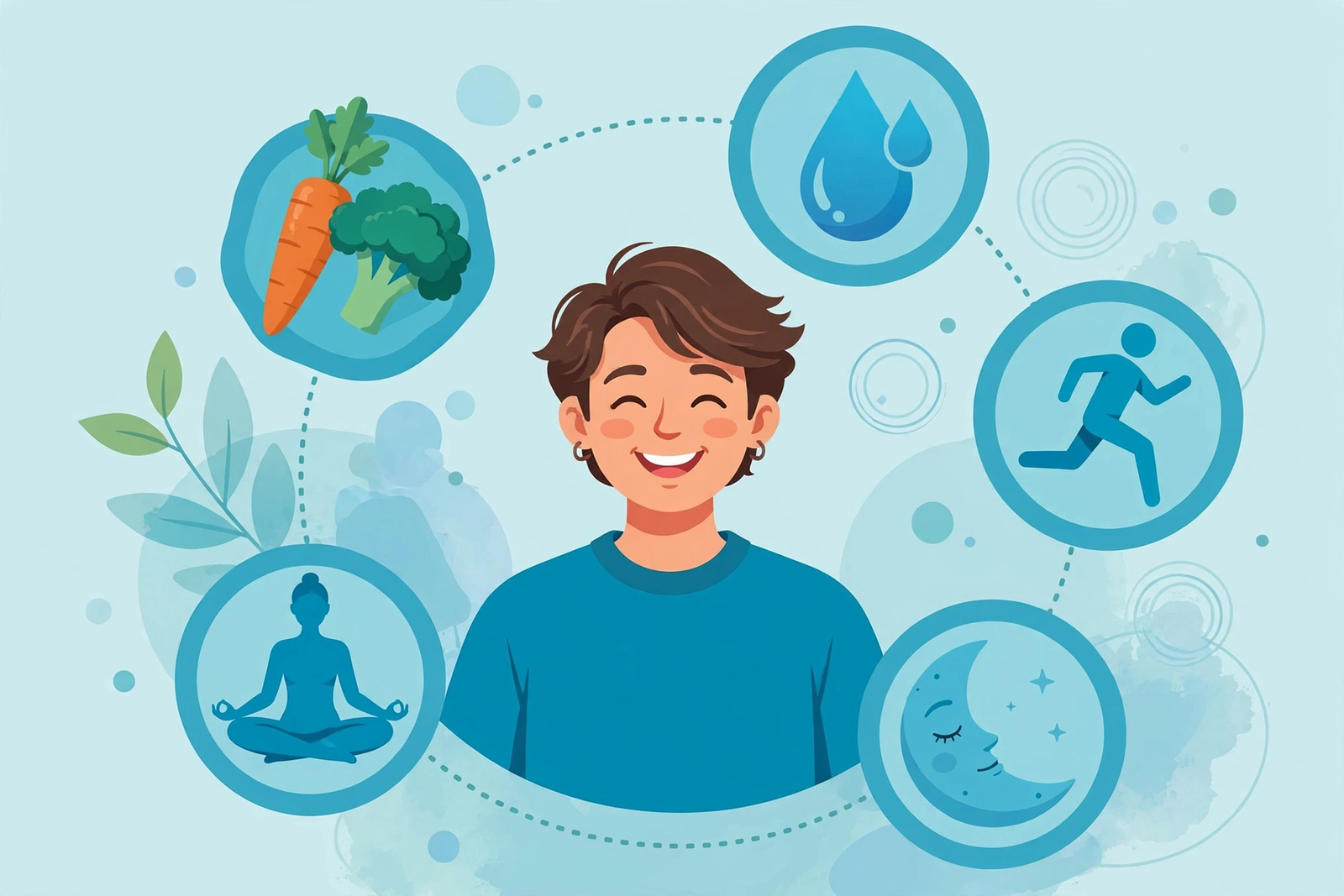
- Healthy habits, such as regular exercise, balanced nutrition, and self-care routines, improve physical, emotional, and mental health.
- Incorporating positive habits into daily life helps individuals in recovery manage stress, avoid triggers, and build resilience against relapse.
- Consistency in healthy habits reinforces the commitment to sobriety and fosters a balanced, fulfilling lifestyle.
Alcohol addiction recovery is an ongoing process that involves more than just quitting alcohol—it requires rebuilding a healthy lifestyle, cultivating positive habits, and focusing on personal growth. One of the most effective ways to maintain long-term sobriety is by developing healthy habits that support recovery and overall well-being. Healthy habits can help individuals navigate the challenges of sobriety, manage stress, and foster a sense of purpose and fulfillment in life.
In this article, we will explore the importance of developing healthy habits in alcohol addiction recovery, the benefits of positive routines, and practical strategies for incorporating healthy habits into daily life.
The Role of Healthy Habits in Alcohol Addiction Recovery
Healthy habits are essential for creating a solid foundation in recovery. Sobriety is not just about abstaining from alcohol but also about building a lifestyle that supports physical health, mental clarity, emotional stability, and personal growth. Healthy habits help individuals stay committed to their recovery goals and foster a sense of accomplishment, pride, and well-being.
1. Improving Physical Health
Alcohol addiction can have detrimental effects on the body, leading to liver damage, weakened immune function, and muscle loss. Developing healthy habits helps restore the body’s health, boost energy, and improve overall physical well-being.
- Exercise: Regular physical activity improves cardiovascular health, strengthens muscles, and boosts energy levels. Exercise also helps manage stress and reduce cravings, making it a crucial component of recovery.
- Nutrition: A balanced diet supports detoxification, restores depleted nutrients, and improves mental health. Proper nutrition helps regulate mood, stabilize blood sugar levels, and improve cognitive function.
- Sleep: Establishing a consistent sleep routine ensures proper rest, which is essential for emotional regulation, cognitive function, and overall recovery. Sleep helps restore energy levels and supports the healing process.
2. Managing Stress and Preventing Relapse
Stress is one of the most common triggers for relapse in alcohol addiction recovery. Developing healthy coping mechanisms for stress, such as practicing mindfulness, meditation, and time management, is essential for long-term sobriety.
- Mindfulness and meditation: Mindfulness practices help individuals stay present, manage negative emotions, and reduce stress. Meditation and deep breathing exercises promote relaxation and emotional balance.
- Relaxation techniques: Activities such as yoga, tai chi, or progressive muscle relaxation help individuals release tension, calm their minds, and manage stress in a healthy way.
- Time management: Developing effective time management skills reduces feelings of overwhelm and helps individuals balance work, personal responsibilities, and self-care. A structured routine helps prevent burnout and stress.
3. Strengthening Mental and Emotional Well-Being
Alcohol addiction often causes emotional instability, anxiety, and depression. Developing healthy habits that focus on mental and emotional well-being can help individuals in recovery maintain a positive outlook, manage emotions, and build resilience.
- Therapy and counseling: Regular therapy or counseling sessions provide individuals with the tools to process emotions, address underlying issues, and develop healthy coping strategies.
- Self-care: Prioritizing self-care activities, such as journaling, hobbies, and relaxation, helps individuals stay emotionally balanced and focused on their recovery goals. Engaging in activities that bring joy and fulfillment fosters a sense of purpose.
- Social connections: Building and maintaining healthy relationships with supportive people is essential for emotional well-being. Positive social connections help individuals feel connected, understood, and encouraged in their recovery journey.
4. Building Resilience and Personal Growth
Recovery from alcohol addiction is not just about avoiding relapse; it’s about personal growth and building resilience to face future challenges. Healthy habits help individuals develop a sense of self-worth, build confidence, and cultivate a strong sense of purpose.
- Setting goals: Establishing clear, achievable goals provides direction and purpose in recovery. Working toward these goals, whether personal, professional, or in recovery, helps individuals stay motivated and focused.
- Self-reflection: Regular self-reflection helps individuals understand their progress, identify areas for improvement, and celebrate milestones in their recovery. Journaling or mindfulness practices can help individuals stay grounded and self-aware.
- Developing a growth mindset: Embracing challenges as opportunities for growth, rather than setbacks, fosters resilience and confidence. Developing a growth mindset allows individuals to view recovery as a journey of self-improvement.
5. Preventing Relapse and Enhancing Long-Term Sobriety
Relapse is a common challenge in alcohol addiction recovery, but it can be prevented by building and maintaining healthy habits that support sobriety. Consistency in positive routines reinforces the commitment to recovery and helps individuals stay focused on their long-term goals.
- Accountability: Regularly attending support group meetings, therapy sessions, or engaging with a sober community helps individuals stay accountable to their recovery goals. Having a support system that holds you accountable increases motivation and commitment to sobriety.
- Routine and structure: Maintaining a structured daily routine reduces uncertainty and helps individuals stay on track with their recovery goals. A consistent routine reinforces good habits and provides stability.
- Celebrating progress: Recognizing and celebrating milestones, no matter how small, helps individuals stay motivated and focused on their progress. Celebrating achievements reinforces the positive behaviors that support sobriety.
Practical Strategies for Developing Healthy Habits
Incorporating healthy habits into daily life is essential for maintaining long-term sobriety. Here are some practical strategies for building positive routines and fostering personal growth in alcohol addiction recovery:
1. Start with Small, Achievable Goals
Starting with small, achievable goals helps individuals build momentum and confidence. Begin by focusing on one healthy habit, such as exercising for 20 minutes a day or cooking a balanced meal, and gradually expand to other areas of life.
- Set realistic goals: Focus on goals that are specific, measurable, and attainable. Break larger goals into smaller steps and celebrate each achievement along the way.
- Track progress: Use a journal or app to track daily progress and reflect on achievements. Monitoring progress helps maintain motivation and reinforces positive behaviors.
2. Develop a Structured Daily Routine
A structured daily routine helps individuals stay on track with their recovery goals and promotes stability. Establish a routine that includes time for work, self-care, physical activity, and relaxation.
- Plan your day: Set aside time each day for exercise, meal prep, therapy, and recovery-related activities. Prioritize these activities to ensure they are part of your daily routine.
- Consistency is key: Consistency in your routine helps build positive habits and provides a sense of control. Stick to your routine, even on difficult days, to reinforce commitment to your recovery.
3. Incorporate Physical Activity into Your Routine
Exercise is one of the most effective ways to improve physical, emotional, and mental well-being. Incorporate physical activity into your daily routine to improve energy, manage stress, and support recovery.
- Start small: Begin with light activities, such as walking or stretching, and gradually increase the intensity as you build strength and endurance.
- Find activities you enjoy: Choose activities that you find enjoyable and fulfilling, whether it’s hiking, yoga, swimming, or cycling. Enjoyable activities are more likely to become lasting habits.
4. Focus on Nutrition and Healthy Eating
Proper nutrition is essential for alcohol addiction recovery. Focus on eating balanced meals that include plenty of fruits, vegetables, lean proteins, and healthy fats to support physical health and emotional well-being.
- Meal planning: Plan your meals ahead of time to ensure you are eating a balanced diet that supports recovery. Preparing healthy meals in advance reduces the temptation to make unhealthy food choices.
- Stay hydrated: Drink plenty of water throughout the day to stay hydrated and support your body’s natural detoxification processes.
5. Practice Self-Care and Mindfulness
Taking time for self-care is essential for maintaining emotional and mental well-being in recovery. Incorporate mindfulness practices, relaxation techniques, and activities that bring you joy to stay balanced and focused on your recovery goals.
- Mindfulness and meditation: Set aside time each day for mindfulness practices or meditation to reduce stress, stay grounded, and improve emotional regulation.
- Engage in hobbies: Spend time doing activities you enjoy, whether it’s reading, painting, gardening, or spending time with loved ones. Engaging in hobbies helps reduce boredom and promotes relaxation.
Key Takeaways
- Healthy habits are essential for maintaining long-term sobriety in alcohol addiction recovery, supporting physical health, emotional well-being, and personal growth.
- Developing positive routines, such as regular exercise, balanced nutrition, and self-care, helps individuals stay committed to recovery and manage stress.
- Small, achievable goals, structured routines, and mindfulness practices reinforce commitment to sobriety and provide a sense of purpose and fulfillment.
- Consistency in healthy habits builds resilience, supports emotional stability, and reduces the risk of relapse.
If you or a loved one is in recovery from alcohol addiction and would like support in developing healthy habits for long-term sobriety, contact us today to learn more about how to build a balanced, fulfilling lifestyle that supports your recovery journey.
