



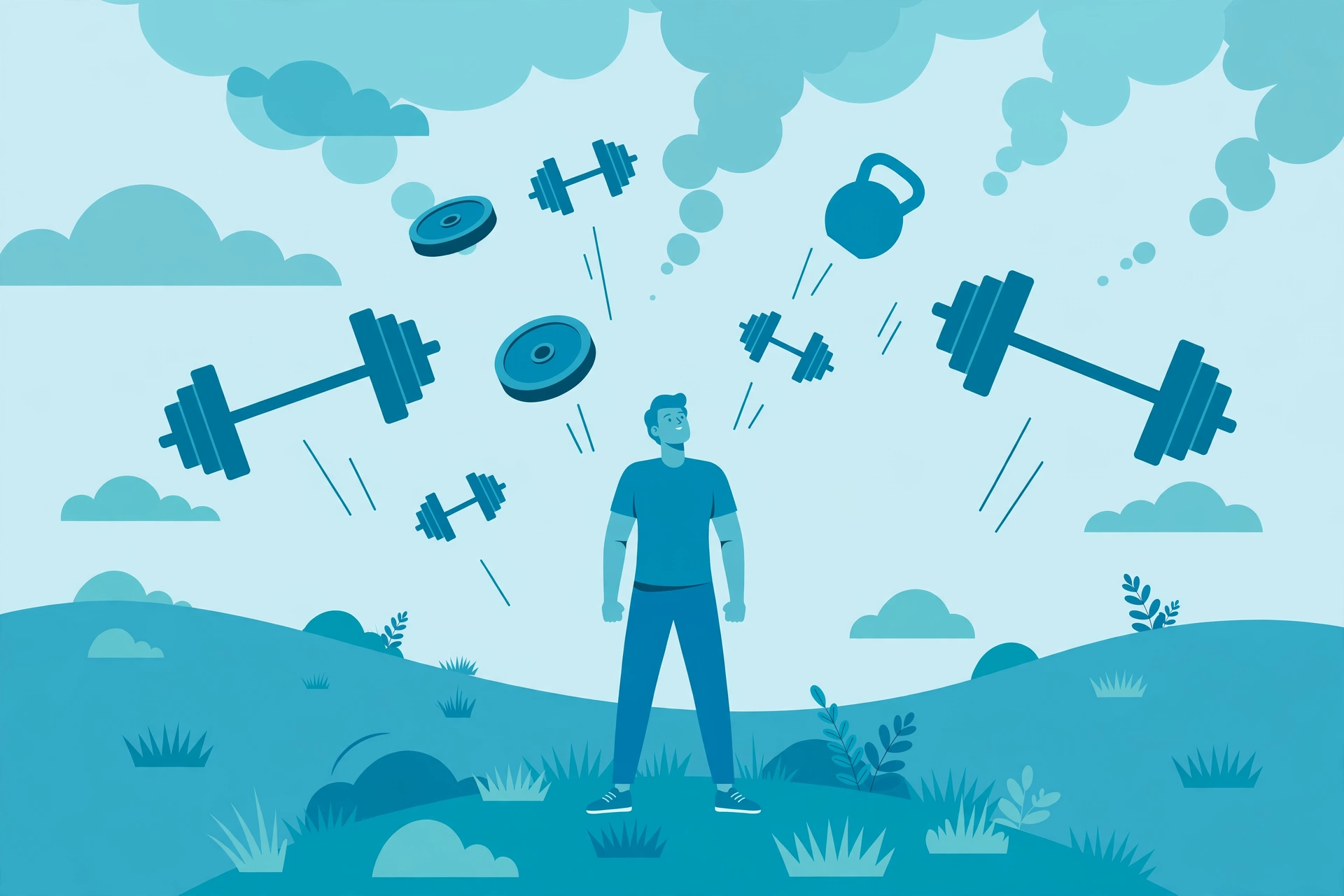
When people discuss divorce, they mention lawyers, paperwork, and custody schedules. But the pressures that actually break people down are the ones nobody names: the relative who stops inviting you, the stranger in the mirror, the quiet terror of a bank balance you have never managed alone. This guide brings these hidden pressures into the light — and shows how to protect your mental health.
Key Points
- The heaviest pressures of divorce are often social and psychological, not legal — stigma, identity loss, and family judgment.
- In South Asia, divorced individuals — especially women — face intense scrutiny and pressure to reconcile or remarry.
- Financial insecurity, particularly for economically dependent spouses, is a major and under-discussed mental health burden.
- Children become an emotional pressure point through custody fears, guilt, and loyalty conflicts.
- Naming each pressure and building targeted defenses — boundaries, support, professional help — keeps them from overwhelming you.
The Obvious Pressures vs. the Hidden Ones
The visible pressures of divorce are well documented: legal fees, asset division, custody arrangements, moving homes. They are stressful, but at least acknowledged — your lawyer discusses them and friends sympathize.
The hidden pressures operate in silence: the erosion of who you believed you were, the shifting of every relationship around you, the grief nobody validates because “at least you’re free now.” Because they go unnamed, people blame themselves — “Why can’t I just move on?” Naming them lets you stop fighting shadows and address what is really weighing on you.
Hidden Pressure 1: The Loss of Identity
Marriage shapes identity quietly and deeply — as someone’s spouse, half of a couple, a “family person” in the community’s eyes. Divorce strips those labels overnight, leaving many feeling like strangers to themselves.
Who am I now?
Single life after years of marriage means rebuilding selfhood: deciding alone, spending evenings alone, introducing yourself without the familiar “we.” This disorientation is a genuine psychological stressor, not vanity. Grieve the identity you lost while building a new one — through work, learning, friendships, and interests that are yours alone.
A heavier burden for women in traditional households
In Pakistan and South Asia, a woman’s social identity is often tightly bound to marriage — divorce can feel like losing her respectable place in the community. Rebuilding under watchful eyes takes extra courage. Remember: your worth was never contained in your marital status, no matter what the whispers suggest.
Hidden Pressure 2: Family and Community Judgment
Perhaps the most crushing hidden pressure is the court of public opinion — relatives, neighbors, and community members who judge your most private decision.
The joint family spotlight
In joint family systems, divorce is rarely private. Parents, siblings, and in-laws weigh in, take sides, and apply pressure — to reconcile at any cost or to assign blame. A constant stream of advice, criticism, or pity from well-meaning relatives reopens wounds you are trying to close.
Gossip, stigma, and the double standard
Divorced men in South Asian communities face relatively mild consequences; divorced women face gossip about their character, fewer invitations, intrusive questions, and sometimes ostracism. This unjust double standard produces real shame, hypervigilance, and withdrawal. Recognizing stigma as a social problem — not a personal verdict — is the first defense against internalizing it.
Pressure to reconcile or remarry quickly
Many face relentless family pressure to reconcile (“think of the children”) or remarry immediately (“you need someone”). Both deny you time and space to heal. You are allowed to say: “I am not deciding that right now.” Healing cannot be rushed to satisfy other people’s discomfort.
Hidden Pressure 3: Financial Fear and Lost Security
Money pressure during divorce is usually discussed in terms of legal costs. The deeper pressure is existential: the fear of not being able to survive independently.
Economic dependence and its mental toll
Spouses who managed the household — most often women — face a steep learning curve: budgeting, banking, employment, sometimes for the first time in decades. Dependence can trap people in bad marriages far too long. Practical financial literacy is mental health care: each skill gained directly reduces anxiety.
The cost of the process itself
Legal proceedings — court divorce or khula — cost money and time, and outcome uncertainty keeps stress simmering for months. Be honest with your lawyer about your budget, explore mediation where appropriate, and avoid funding revenge through litigation: every unnecessary battle is paid for twice, in money and peace of mind.
Hidden Pressure 4: Children as the Emotional Battleground
Custody fears — “Will I lose my children?” — can dominate every waking thought. Guilt about “breaking the family” haunts even parents who know leaving was right. Children caught between parents may develop loyalty conflicts, acting out or withdrawing in ways that compound parental distress.
The healthiest response is also the hardest: shield children from adult conflict completely. Never use them as messengers, spies, or therapists; keep handovers calm and businesslike. When guilt surges, remember the evidence: children do better with two peaceful households than one warzone.
Hidden Pressure 5: The Grief Nobody Acknowledges
Society grants the bereaved sympathy, time off, and rituals. The divorced get paperwork and opinions. This lack of recognition has a name in psychology: disenfranchised grief — sorrow that the world does not validate.
Mourning a living person
Divorce grief is uniquely confusing: the person you mourn is still alive — perhaps thriving, perhaps with someone new. You grieve the planned future, the daily companionship, even good memories tainted by the ending. Because others minimize this (“you’re better off”), many grieve alone, which deepens and prolongs the pain.
Loneliness after the dust settles
During the legal battle, adrenaline masks the emptiness. The hardest loneliness often arrives months later, when the case is closed and quiet evenings stretch ahead. Anticipate this phase: it is not regression but grief arriving late. Support systems and routines in place beforehand make all the difference.
Protecting Your Mental Health Under Pressure
You cannot eliminate these pressures, but you can keep them from running your life. The strategy has three layers.
Set boundaries like your wellbeing depends on it
Decide in advance what you will not discuss — case details, blame, your ex — and enforce it calmly: “I’ve decided not to talk about that.” Limit contact with relatives who wound you, even elders. Mute social media that triggers shame. Boundaries are not disrespect; they are the fence that lets healing grow.
Build a support system of your choosing
Build deliberately: one trusted friend, a divorce support group (online options reach across Pakistan), a counselor, a welcoming faith community. Quality beats quantity — two people who truly see you outweigh twenty who merely watch.
Get professional help before you are drowning
A professional helps untangle which pressures are situational and which have become clinical anxiety or depression. Therapy provides what divorce steals: a private space where you need not perform strength. University counseling clinics and online therapists often charge substantially less.
Frequently Asked Questions
Why does divorce feel harder than people warned me it would be?
Most warnings cover the legal process, not the hidden pressures — identity loss, stigma, loneliness, financial fear. These hit after the paperwork starts and catch people unprepared. Knowing they are normal stops you adding self-blame on top.
How do I handle relatives who constantly criticize my divorce?
Use brief, broken-record responses: “This was my decision and it’s final. I’d appreciate your support.” Repeat without debating, and reduce time with those who won’t respect the boundary. You owe no one a justification for protecting your life.
Is the stigma of divorce really worse for women in Pakistan?
Honestly, yes — cultural attitudes still judge divorced women more harshly, affecting social life, family standing, and remarriage prospects. The shame belongs to the attitude, not to you. Connecting with other divorced women who understand can be powerfully validating.
How can I stop feeling guilty about my children?
Separate useful guilt that changes behavior (shielding them from conflict) from useless guilt that only punishes you. You made the best decision you could. Children need a healthy parent more than married parents — becoming that healthy parent is how you make it right.
When do these pressures finally ease?
Most report a turning point one to two years after separation, when routines stabilize and identity rebuilds. Active coping — boundaries, support, therapy — shortens the timeline. The pressures rarely vanish, but they shrink from boulders to stones you can step over.
Key Takeaways
- The hidden pressures of divorce — stigma, identity loss, family judgment, financial fear — often hurt more than the legal process itself.
- In South Asia, women face a sharper double standard; recognizing it as injustice, not personal failure, protects self-worth.
- Children must be shielded from adult conflict; a peaceful separated parent serves them better than a warring married one.
- Boundaries, a chosen support system, and timely professional help are your three strongest defenses.
- Grief without social recognition is still real grief — give it the time and care it deserves.
