



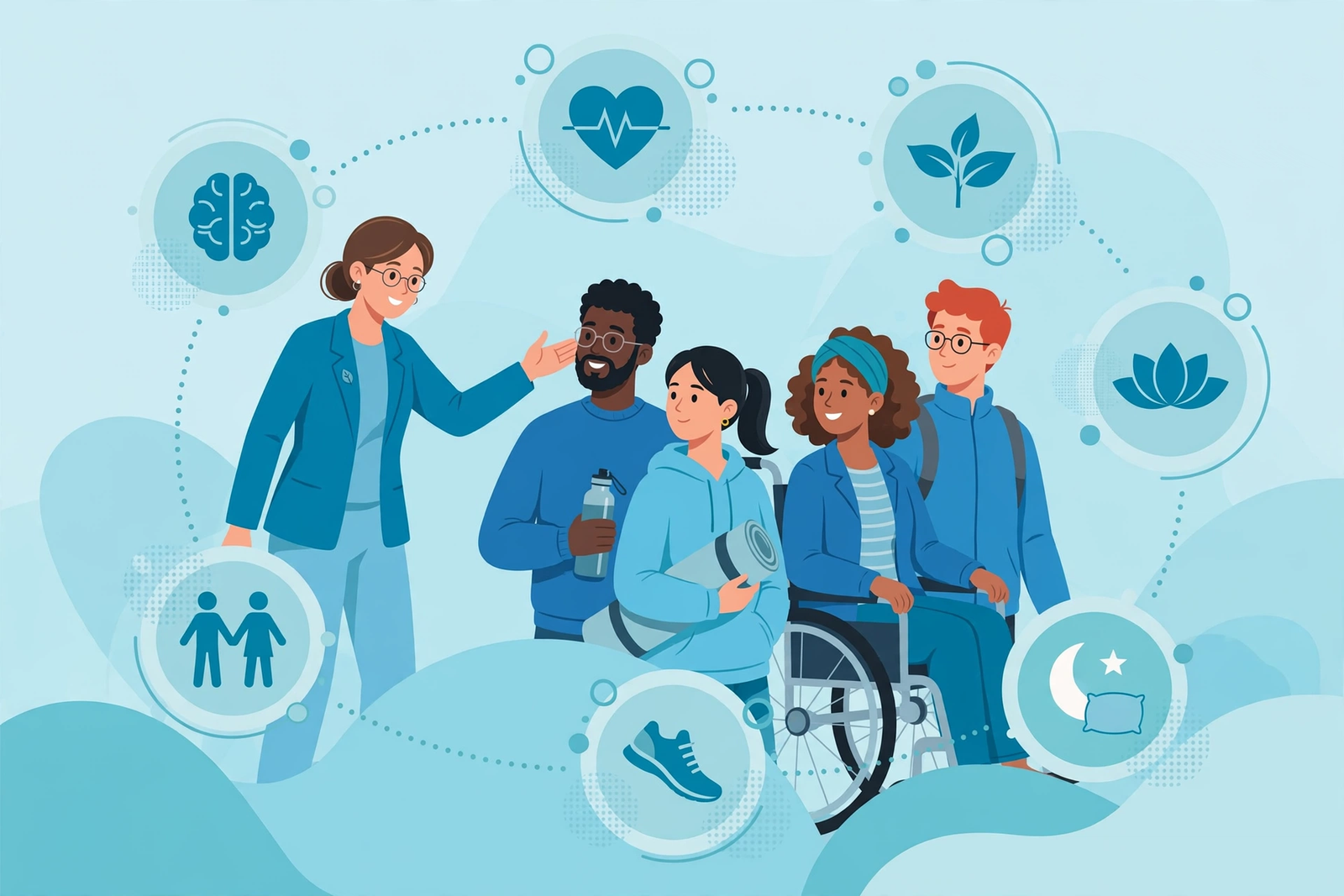
Clinical psychology is a broad and diverse field that encompasses a variety of specializations. Clinical psychologists may choose to focus on particular areas of mental health or behavioral disorders, tailoring their expertise to specific populations or conditions. Specializing in a certain area allows clinical psychologists to provide more focused, in-depth care for individuals with specific needs.
In this article, we will explore the key areas of specialization within clinical psychology, including child psychology, neuropsychology, forensic psychology, and more. Understanding these specializations can help individuals seeking therapy choose the right professional to meet their unique needs.
1. Child and Adolescent Psychology
Child and adolescent psychology is a specialization that focuses on the mental health and emotional well-being of children and teenagers. This field addresses a wide range of issues that affect young people, including developmental challenges, behavioral disorders, emotional regulation, and family dynamics.
1.1 Treatment of Developmental Disorders:
Clinical psychologists who specialize in child and adolescent psychology often work with children who have developmental disorders such as autism spectrum disorder (ASD), attention-deficit/hyperactivity disorder (ADHD), and learning disabilities. These psychologists assess the child’s cognitive, emotional, and behavioral development and create treatment plans to help the child reach their full potential.
1.2 Behavioral and Emotional Issues:
In addition to developmental disorders, child psychologists treat behavioral issues such as oppositional defiant disorder (ODD), conduct disorder, and anxiety. They also address emotional struggles like depression, anxiety, and trauma in children and adolescents. Family therapy is often a key component of treatment to support healthy communication and emotional regulation within the family unit.
1.3 Adolescent Mental Health:
Adolescence is a critical period for mental health, as young people face challenges related to identity, social relationships, academic pressure, and peer influence. Clinical psychologists who specialize in this area help adolescents navigate these challenges by providing support for self-esteem, stress management, and conflict resolution.
2. Neuropsychology
Neuropsychology is a subfield of clinical psychology that focuses on the relationship between the brain and behavior. Neuropsychologists work with individuals who have experienced brain injuries, neurological disorders, or cognitive impairments, conducting assessments to understand how brain function affects emotional and cognitive abilities.
2.1 Brain Injuries and Cognitive Rehabilitation:
Neuropsychologists play a critical role in treating individuals who have sustained traumatic brain injuries (TBI), strokes, or other neurological events. They assess the extent of cognitive deficits, such as memory loss, difficulty concentrating, and problems with decision-making, and work with patients to develop strategies for cognitive rehabilitation.
Neuropsychologists often collaborate with other healthcare providers, including neurologists and occupational therapists, to create comprehensive rehabilitation plans that address both cognitive and emotional aspects of recovery.
2.2 Assessing Cognitive Decline:
Neuropsychologists are also involved in assessing and diagnosing neurodegenerative disorders such as Alzheimer’s disease, dementia, and Parkinson’s disease. They use specialized tests to evaluate cognitive decline, which can help guide treatment decisions and provide families with valuable information about the progression of the disease.
2.3 Mental Health and Brain Function:
In addition to brain injuries and disorders, neuropsychologists study the impact of mental health conditions on brain function. For example, they examine how depression, anxiety, and schizophrenia affect cognitive processes and work with individuals to improve their cognitive functioning and emotional well-being.
3. Forensic Psychology
Forensic psychology is the application of clinical psychology principles to legal and criminal justice settings. Forensic psychologists work with law enforcement, courts, and correctional systems to assess individuals involved in legal proceedings and provide expert testimony in court.
3.1 Criminal Behavior Assessment:
Forensic psychologists often conduct assessments of criminal offenders to understand the psychological factors that may have contributed to criminal behavior. These assessments help courts determine the offender’s mental state at the time of the crime and assess their risk of reoffending. Forensic psychologists may also be involved in determining whether an individual is fit to stand trial.
3.2 Competency and Insanity Evaluations:
Forensic psychologists conduct competency evaluations to assess whether a defendant is mentally competent to stand trial. They also evaluate whether an individual meets the criteria for an insanity defense, determining if mental illness played a role in the commission of a crime.
3.3 Victim Assessment and Therapy:
In addition to working with offenders, forensic psychologists may also work with victims of crime, providing therapy and support for those who have experienced trauma. They help victims cope with the psychological effects of crime, such as post-traumatic stress disorder (PTSD), anxiety, and depression.
4. Health Psychology
Health psychology is a specialization that focuses on how psychological factors influence physical health. Health psychologists work with individuals to promote healthy behaviors, manage chronic illnesses, and cope with the emotional and psychological effects of physical health conditions.
4.1 Behavioral Health and Chronic Illness:
Health psychologists often work with patients who have chronic illnesses such as diabetes, heart disease, and cancer. They help individuals manage the psychological impact of their illness, cope with stress, and make lifestyle changes to improve their physical health. Health psychologists may also work in hospital settings, helping patients adjust to medical treatments and recovery processes.
4.2 Promoting Healthy Behaviors:
One of the primary goals of health psychology is to promote healthy behaviors, such as regular exercise, proper nutrition, and stress management. Health psychologists help individuals adopt healthier habits to prevent illness and improve overall well-being. They may work in schools, clinics, or public health programs to educate people about the importance of mental and physical health.
4.3 Pain Management:
Health psychologists are also involved in pain management, particularly for individuals with chronic pain conditions. They use cognitive-behavioral techniques to help patients cope with pain, reduce stress, and improve quality of life. Health psychologists work alongside medical professionals to create comprehensive treatment plans that address both the physical and emotional aspects of chronic pain.
5. Geriatric Psychology
Geriatric psychology is a specialization that focuses on the mental health needs of older adults. As people age, they may experience cognitive decline, emotional distress, and challenges related to aging. Geriatric psychologists work with elderly individuals to address issues such as dementia, depression, and end-of-life concerns.
5.1 Cognitive Decline and Dementia:
Geriatric psychologists assess and diagnose cognitive disorders such as dementia and Alzheimer’s disease. They help families and caregivers understand the impact of these conditions and develop strategies for improving the quality of life for elderly individuals with cognitive impairments.
5.2 Depression and Anxiety in Older Adults:
Depression and anxiety are common in older adults, particularly as they face challenges related to aging, such as loss of independence, bereavement, and health problems. Geriatric psychologists provide therapy and support to help elderly individuals cope with these challenges and improve their emotional well-being.
5.3 End-of-Life Issues:
Geriatric psychologists also provide support for individuals facing end-of-life issues, helping them cope with the emotional and existential challenges associated with aging and death. They work with families and caregivers to address grief, loss, and anticipatory mourning.
Frequently Asked Questions
What are the main specializations in clinical psychology?
The main specializations in clinical psychology include child and adolescent psychology, neuropsychology, forensic psychology, health psychology, and geriatric psychology. Each specialization focuses on different aspects of mental health and psychological treatment.
How does clinical psychology differ from counseling psychology?
Clinical psychology typically involves the diagnosis and treatment of mental health disorders, often using psychotherapy and assessment techniques. Counseling psychology, on the other hand, focuses more on providing support and guidance for individuals dealing with life challenges, career issues, and personal development.
Can I see a clinical psychologist for emotional issues like stress or anxiety?
Yes, clinical psychologists specialize in treating emotional issues such as stress, anxiety, depression, and relationship difficulties. They use evidence-based therapeutic techniques to help individuals manage and overcome these challenges.
What is the role of neuropsychologists?
Neuropsychologists specialize in understanding the relationship between the brain and behavior. They assess and treat individuals with brain injuries, cognitive disorders, and neurological conditions, using psychological tests and rehabilitation strategies to improve cognitive function.
Key Takeaways
Clinical psychology is a diverse field with many specialized areas, including child and adolescent psychology, neuropsychology, forensic psychology, and health psychology. These specializations allow clinical psychologists to address a wide range of mental health concerns, from developmental issues in children to cognitive decline in older adults. Understanding these areas of specialization can help individuals choose the right type of professional support for their unique needs.
For more information on clinical psychology or to seek treatment, contact us today.
