



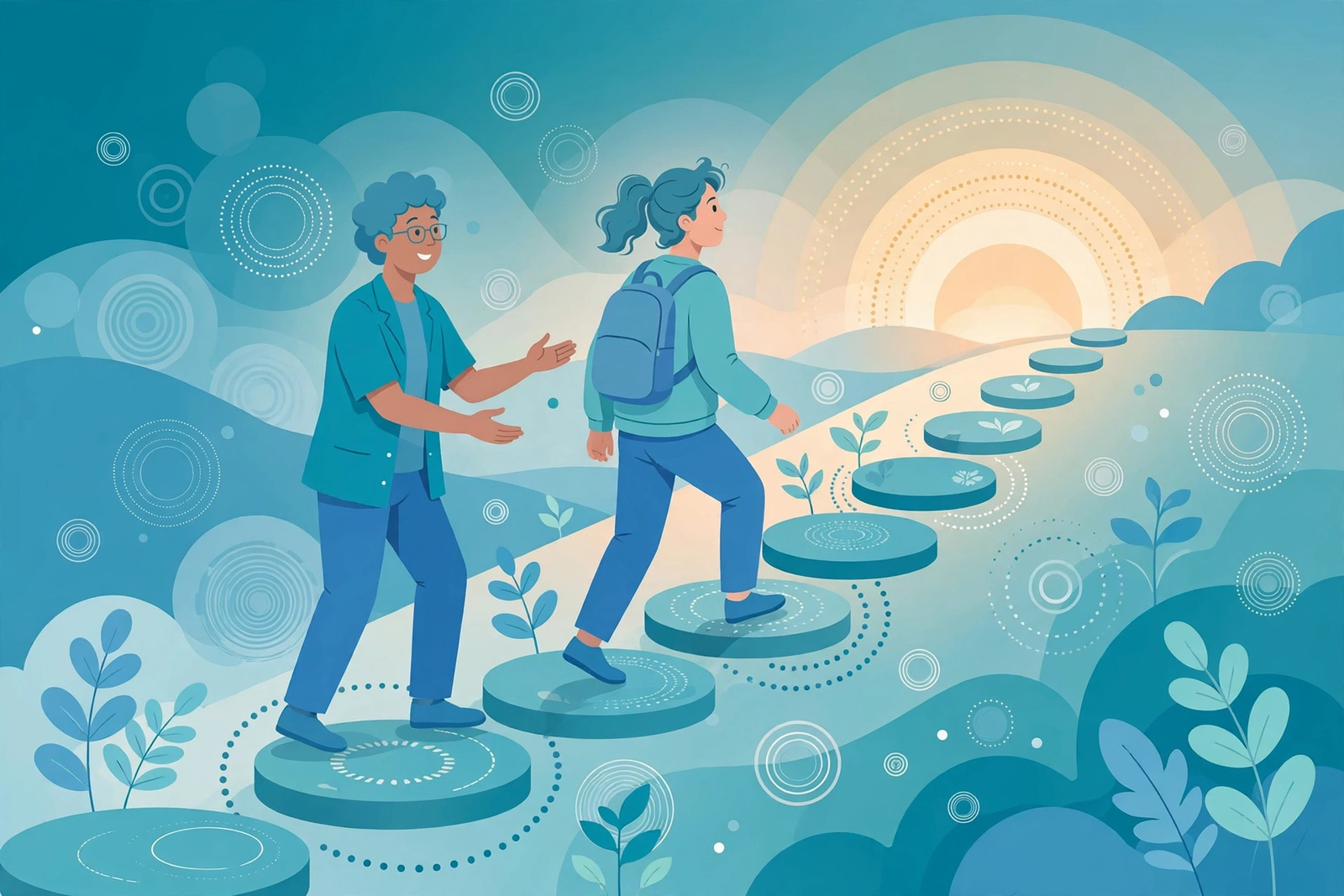
Overcoming cannabis use disorder (CUD) is a challenging but achievable goal. The road to recovery often requires a combination of personal commitment, professional support, and coping strategies. Unlike many other addictions, cannabis use disorder may not always involve physical withdrawal symptoms, but the psychological and emotional dependence can be just as intense. The journey to long-term recovery is unique for each person, but with the right tools and strategies, it’s possible to break free from the cycle of addiction and live a healthier, more fulfilling life.
In this article, we will explore strategies for overcoming cannabis use disorder, focusing on practical steps for recovery, building a strong support network, and maintaining long-term sobriety.
1. Commitment to Change: The First Step in Recovery
The first and most crucial step in overcoming cannabis use disorder is making the decision to change. Recovery begins with recognizing the negative impact of cannabis on your life and making a commitment to stop using it. This step requires self-awareness and the willingness to seek help and make lifestyle changes.
1.1 Acknowledge the Problem:
Many individuals struggling with cannabis use disorder may not fully recognize the extent of their addiction until it starts affecting their relationships, work, or health. Acknowledging the problem is the first step toward healing. This can be difficult, as addiction often involves denial or rationalizing harmful behaviors. However, facing the truth about the consequences of cannabis use is essential for starting the recovery process.
1.2 Set Clear Goals:
Setting clear and achievable goals for recovery is important. These goals could include reducing cannabis use gradually or quitting entirely. Setting small, measurable goals helps track progress and keeps individuals motivated during their recovery journey. Long-term goals, such as maintaining sobriety for a year or more, can help provide a sense of direction and purpose.
2. Seek Professional Help: Therapy and Counseling
While some individuals may be able to quit cannabis on their own, professional help is often essential for long-term recovery. Therapy, counseling, and medical support can help individuals address the psychological and emotional aspects of cannabis addiction and develop healthy coping mechanisms.
2.1 Cognitive Behavioral Therapy (CBT):
Cognitive Behavioral Therapy (CBT) is one of the most effective therapeutic approaches for cannabis use disorder. CBT helps individuals identify and challenge negative thought patterns and behaviors that contribute to their addiction. By changing these thought patterns, individuals can learn to manage cravings, reduce stress, and develop healthier coping strategies.
CBT can also help individuals address any co-occurring mental health conditions, such as anxiety or depression, that may be contributing to their cannabis use. In many cases, treating both addiction and underlying mental health issues together leads to better outcomes in recovery.
2.2 Contingency Management:
Contingency management is another effective approach used in addiction treatment. This therapy rewards individuals for maintaining sobriety, such as providing vouchers or other incentives for drug-free urine tests or meeting certain milestones in treatment. Positive reinforcement helps individuals stay motivated and committed to their recovery.
2.3 Support from Healthcare Providers:
In some cases, healthcare providers may prescribe medications to help manage withdrawal symptoms, reduce cravings, or treat co-occurring mental health conditions. These medications can support recovery, but they should be used in conjunction with therapy and support groups for the most effective results.
3. Build a Support Network: The Power of Family, Friends, and Peer Support
A strong support network is crucial in overcoming cannabis use disorder and maintaining long-term recovery. Surrounding yourself with supportive, understanding individuals can provide emotional comfort, motivation, and accountability throughout the recovery journey.
3.1 Family and Friends:
Support from family and friends plays a vital role in recovery. Loved ones can offer encouragement, provide emotional support, and help individuals stay accountable to their recovery goals. Family members may also benefit from family therapy or counseling to better understand the addiction and develop healthier ways to support the individual.
It’s important to have open and honest communication with loved ones, setting healthy boundaries, and discussing any challenges faced during recovery. While it’s important for family members to offer support, it’s equally important for them to take care of their own emotional well-being and avoid enabling behaviors that could hinder the recovery process.
3.2 Support Groups:
Support groups, such as Marijuana Anonymous (MA), provide a community of individuals who are going through similar challenges. These groups offer a safe space for individuals to share their experiences, provide mutual support, and stay motivated. The sense of belonging to a supportive community can be a powerful tool in recovery.
Support groups can also help individuals feel less isolated and offer practical advice for overcoming obstacles in recovery. Regular attendance at support group meetings can create a sense of accountability, which is crucial for maintaining long-term sobriety.
3.3 Peer Mentoring:
Some individuals in recovery benefit from peer mentoring, where someone with more experience in sobriety offers guidance and support. A peer mentor can help individuals navigate challenges, provide insight into maintaining recovery, and offer encouragement during difficult times.
4. Develop Healthy Coping Strategies
Developing healthy coping strategies is one of the most important steps in overcoming cannabis use disorder. Many individuals with cannabis use disorder use cannabis to cope with stress, anxiety, or emotional pain. Learning new, healthier ways to manage emotions and stress is essential for long-term recovery.
4.1 Stress Management Techniques:
Learning how to manage stress without relying on substances is crucial for recovery. Stress management techniques, such as deep breathing exercises, mindfulness, meditation, and yoga, can help individuals reduce anxiety and maintain emotional balance.
Exercise is also an excellent way to manage stress, as it releases endorphins that improve mood and reduce feelings of tension. Engaging in regular physical activity can help reduce cravings and improve overall well-being.
4.2 Healthy Routines:
Establishing a healthy daily routine can provide structure and stability, which is particularly important in early recovery. A consistent routine helps reduce uncertainty and creates a sense of control over daily life. Healthy habits, such as eating a balanced diet, getting enough sleep, and staying physically active, can improve physical and mental health and reduce the temptation to use cannabis.
4.3 Finding Meaning and Purpose:
During recovery, it’s important to find new ways to connect with oneself and others. Many individuals with cannabis use disorder experience a lack of purpose or motivation, which can contribute to feelings of emptiness. Finding meaningful activities, such as pursuing a hobby, volunteering, or setting new career goals, can provide a sense of fulfillment and direction.
5. Avoiding Triggers and Preventing Relapse
Relapse is a common challenge in recovery, and it’s important to be proactive about avoiding triggers and situations that may lead to cannabis use. Recognizing personal triggers and having a plan in place to manage cravings is essential for long-term success.
5.1 Identifying Triggers:
Triggers are situations, people, or emotions that may prompt an individual to use cannabis. Common triggers include stress, social situations, or being around people who use cannabis. Identifying these triggers is the first step in developing strategies to cope with them without resorting to cannabis use.
5.2 Creating an Action Plan:
Having an action plan in place for when cravings or triggers arise can help individuals stay on track with their recovery. This plan may include strategies like calling a support person, attending a support group meeting, engaging in a relaxing activity, or practicing mindfulness.
5.3 Celebrating Milestones:
Celebrating milestones in recovery, such as one month, six months, or one year of sobriety, can help individuals stay motivated and focused on their goals. Recognizing progress and rewarding oneself for achieving recovery milestones can create a positive reinforcement loop that strengthens commitment to staying cannabis-free.
Frequently Asked Questions
How long does it take to recover from cannabis use disorder?
Recovery from cannabis use disorder is different for each individual. While some may see improvements in a few weeks, long-term recovery often takes months or even years. The key to long-term success is consistent effort, support, and healthy coping mechanisms.
Can I recover from cannabis use disorder on my own?
While some individuals may be able to reduce or quit cannabis use on their own, seeking professional help, support groups, and therapy can greatly increase the chances of long-term recovery. Having a support system and coping strategies in place is essential for maintaining sobriety.
What should I do if I relapse?
Relapse is a common part of the recovery process. If you relapse, it’s important to reach out to your support network, attend therapy, and focus on getting back on track. Be kind to yourself and understand that recovery is a journey, and setbacks can be part of the process.
How can I avoid triggers that lead to cannabis use?
Identify your personal triggers, such as stress, certain social situations, or environments where cannabis is used. Develop an action plan to manage cravings, avoid high-risk situations, and engage in healthy coping strategies to deal with stress or emotions.
Key Takeaways
Overcoming cannabis use disorder is a long-term process that requires commitment, support, and the development of healthy coping strategies. Professional treatment, therapy, and support groups play a key role in recovery, while a strong support network of family and friends can provide emotional comfort and motivation. By setting clear goals, avoiding triggers, and building healthy routines, individuals can achieve long-term sobriety and regain control of their lives.
If you or someone you know is struggling with cannabis use disorder, contact us today for guidance on recovery and treatment options.
