



Key Points
- Alcohol addiction has widespread physical effects on the body, affecting vital organs such as the liver, heart, and brain.
- Chronic alcohol use leads to long-term damage, including liver disease, cardiovascular problems, neurological damage, and digestive issues.
- Early intervention and treatment can help prevent or manage the physical consequences of alcohol addiction, improving overall health.
- Rebuilding physical health after alcohol addiction requires medical treatment, lifestyle changes, and consistent care.
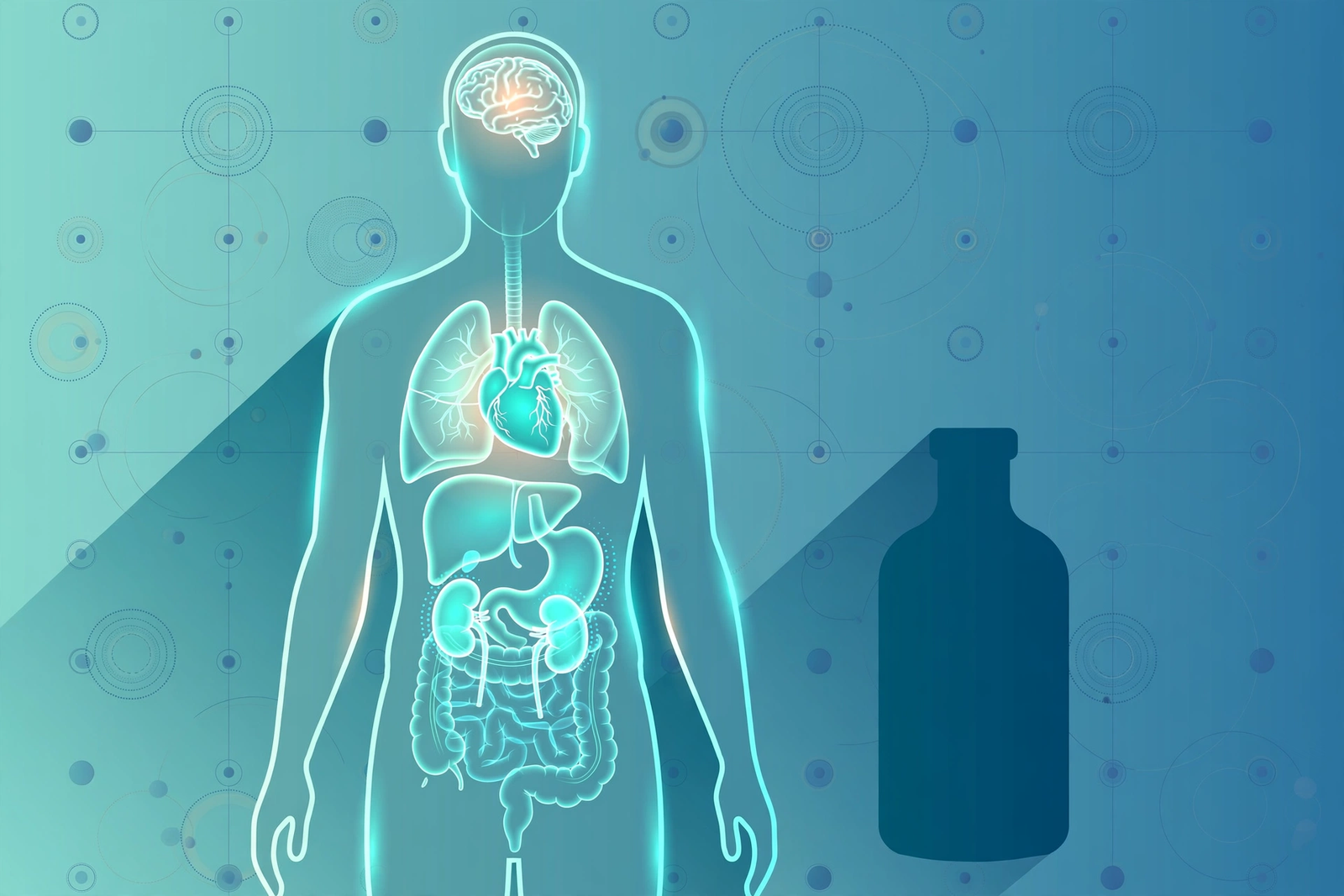
Alcohol addiction doesn’t only harm mental and emotional well-being — the physical effects of alcohol addiction take a significant toll on the body too. Chronic use can severely damage vital organs like the liver, heart, brain, and digestive system, with longer use increasing the risk of life-threatening problems.
In this article, we will explore the physical effects of alcohol addiction on the body, how long-term alcohol use leads to organ damage, and the importance of treatment for reversing or managing these physical consequences.
Physical Effects of Alcohol Addiction on the Body
When alcohol is consumed in large amounts or over an extended period, it disrupts the normal functioning of the body. Alcohol is a toxin that the body has to metabolize, and the liver, kidneys, and digestive system work overtime to process and eliminate alcohol from the body. While occasional drinking is generally safe for most people, chronic alcohol consumption leads to a range of physical health problems that can escalate over time.
1. The Liver: The Primary Target of Alcohol Addiction
The liver is the organ most directly affected by alcohol abuse. Alcohol is processed in the liver, and excessive drinking can cause liver damage in various stages.
- Fatty liver (alcoholic steatosis): This is the earliest stage of liver damage caused by alcohol. It occurs when fat builds up in liver cells, leading to inflammation. At this stage, liver function is still normal, but continued drinking can worsen the condition.
- Alcoholic hepatitis: Long-term alcohol use can lead to alcoholic hepatitis, which is inflammation of the liver caused by alcohol toxicity. Symptoms include jaundice (yellowing of the skin and eyes), abdominal pain, and nausea. If left untreated, alcoholic hepatitis can progress to more severe liver damage.
- Cirrhosis: This is the most severe form of liver damage and occurs when the liver becomes scarred and unable to function properly. Cirrhosis can lead to liver failure, which can be fatal. Common symptoms of cirrhosis include fatigue, swelling in the abdomen, and confusion.
2. The Heart: Cardiovascular Risks of Alcohol Addiction
Chronic alcohol abuse can also have serious effects on the cardiovascular system, leading to an increased risk of heart disease and other cardiovascular problems.
- High blood pressure (hypertension): Alcohol consumption can increase blood pressure, putting strain on the heart and increasing the risk of stroke, heart attack, and other cardiovascular issues. Chronic heavy drinking is a major contributor to hypertension.
- Cardiomyopathy: This condition involves damage to the heart muscle, making it difficult for the heart to pump blood effectively. Alcoholic cardiomyopathy can lead to heart failure, which is a potentially life-threatening condition.
- Arrhythmias: Alcohol can interfere with the normal electrical impulses in the heart, leading to irregular heartbeats (arrhythmias). These irregularities can cause dizziness, fainting, or even life-threatening complications.
- Increased risk of stroke: Long-term alcohol abuse increases the risk of stroke due to its effects on blood pressure, blood clotting, and heart health.
3. The Brain: Alcohol’s Impact on Mental Functioning
Alcohol addiction affects the brain’s chemistry, leading to long-term cognitive and emotional impairments.
- Brain damage: Chronic alcohol use can cause brain shrinkage and damage to the frontal lobe, which is responsible for decision-making, memory, and emotional regulation. Over time, alcohol can impair cognitive functions, including memory, attention, and problem-solving skills.
- Neurotransmitter imbalances: Alcohol disrupts the balance of neurotransmitters (chemicals in the brain that regulate mood and behavior). This can lead to mood swings, anxiety, depression, and other mental health issues.
- Cognitive decline: Chronic alcohol consumption can lead to alcohol-related dementia or Wernicke-Korsakoff syndrome, a condition caused by a deficiency in thiamine (vitamin B1). This syndrome leads to confusion, memory loss, and difficulties with motor coordination.
- Impaired judgment and decision-making: Alcohol impairs judgment and lowers inhibitions, which can lead to risky behaviors and poor decision-making. This can result in accidents, injuries, and dangerous situations.
4. The Digestive System: Alcohol’s Toll on Digestion
Excessive alcohol use can lead to a number of digestive issues, including inflammation, ulcers, and malabsorption of nutrients.
- Gastritis and ulcers: Alcohol irritates the stomach lining, leading to gastritis (inflammation of the stomach lining) and the development of peptic ulcers. This can cause symptoms such as nausea, vomiting, stomach pain, and bleeding.
- Pancreatitis: Long-term alcohol use increases the risk of pancreatitis, which is inflammation of the pancreas. This condition can lead to severe abdominal pain, nausea, vomiting, and digestive issues. Chronic pancreatitis can also cause malabsorption of nutrients, leading to nutritional deficiencies.
- Liver failure and gastrointestinal bleeding: As mentioned, alcohol-related liver disease can lead to cirrhosis and liver failure, both of which can cause gastrointestinal bleeding and a reduction in the liver’s ability to filter toxins and produce essential proteins.
5. The Immune System: Weakened Defenses
Chronic alcohol use suppresses the immune system, making individuals more vulnerable to infections and illnesses.
- Decreased immune function: Alcohol impairs the function of white blood cells, which are responsible for fighting infections. This suppression of the immune system increases the risk of developing infections, such as pneumonia and tuberculosis.
- Increased inflammation: Chronic alcohol use increases inflammation throughout the body, which contributes to a range of health problems, including cardiovascular disease and autoimmune disorders.
6. The Reproductive System: Alcohol’s Effect on Sexual Health
Alcohol addiction can also have negative effects on the reproductive system, impacting both men and women.
- Hormonal imbalances: Alcohol can disrupt the balance of hormones, leading to irregular menstrual cycles in women and reduced testosterone levels in men. This can affect fertility and sexual function.
- Erectile dysfunction: In men, chronic alcohol use can lead to erectile dysfunction (ED), which is the inability to achieve or maintain an erection. This can be caused by alcohol’s effects on the nervous system and blood vessels.
- Fetal alcohol syndrome (FAS): For pregnant women, drinking alcohol during pregnancy can result in fetal alcohol syndrome, which causes physical and developmental abnormalities in the baby.
Treatment for the Physical Effects of Alcohol Addiction
Treating the physical effects of alcohol addiction requires a multi-faceted approach, which may include detoxification, medical treatment, therapy, and lifestyle changes. The goal of treatment is to help individuals regain their physical health while also addressing the underlying addiction.
1. Detoxification and Withdrawal Management
The first step in treatment for alcohol addiction is detoxification, which involves safely removing alcohol from the body under medical supervision. Withdrawal symptoms can range from mild (sweating, tremors) to severe (seizures, delirium tremens), so it is important to undergo detox in a controlled setting.
2. Medical Treatment
Once detox is complete, individuals may be prescribed medications to help manage cravings, reduce withdrawal symptoms, and address any co-occurring medical conditions. Medications like disulfiram, acamprosate, and naltrexone are commonly used in alcohol addiction treatment.
3. Therapy and Counseling
Therapy plays a critical role in addressing the psychological aspects of alcohol addiction. Cognitive Behavioral Therapy (CBT) and Motivational Interviewing (MI) are commonly used to help individuals recognize and change negative thought patterns, build coping strategies, and reduce the risk of relapse.
4. Support Groups
Support groups such as Alcoholics Anonymous (AA) provide a sense of community, accountability, and shared experience. These groups offer emotional support, encouragement, and a space for individuals to connect with others who are in recovery.
5. Lifestyle Changes and Aftercare
Recovery from alcohol addiction also involves making lifestyle changes, such as improving diet, engaging in physical activity, and developing healthy coping mechanisms. Aftercare services, such as ongoing therapy and support groups, help individuals maintain sobriety and prevent relapse.
Key Takeaways
- Alcohol addiction has widespread physical effects on the body, including damage to the liver, heart, brain, digestive system, immune system, and reproductive health.
- Chronic alcohol use can lead to serious health problems such as liver disease, heart disease, cognitive decline, and digestive issues.
- Treatment for alcohol addiction includes detoxification, medical treatment, therapy, and lifestyle changes to address both the physical and psychological effects of alcohol use.
- Early intervention and ongoing support are crucial for minimizing the long-term physical consequences of alcohol addiction and promoting recovery.
If you or someone you know is struggling with alcohol addiction and its physical effects, contact us today to explore treatment options and begin the path to recovery.
